Signs Your Home May Have Mold

Share this article

How to Know if There’s Mold in Your House

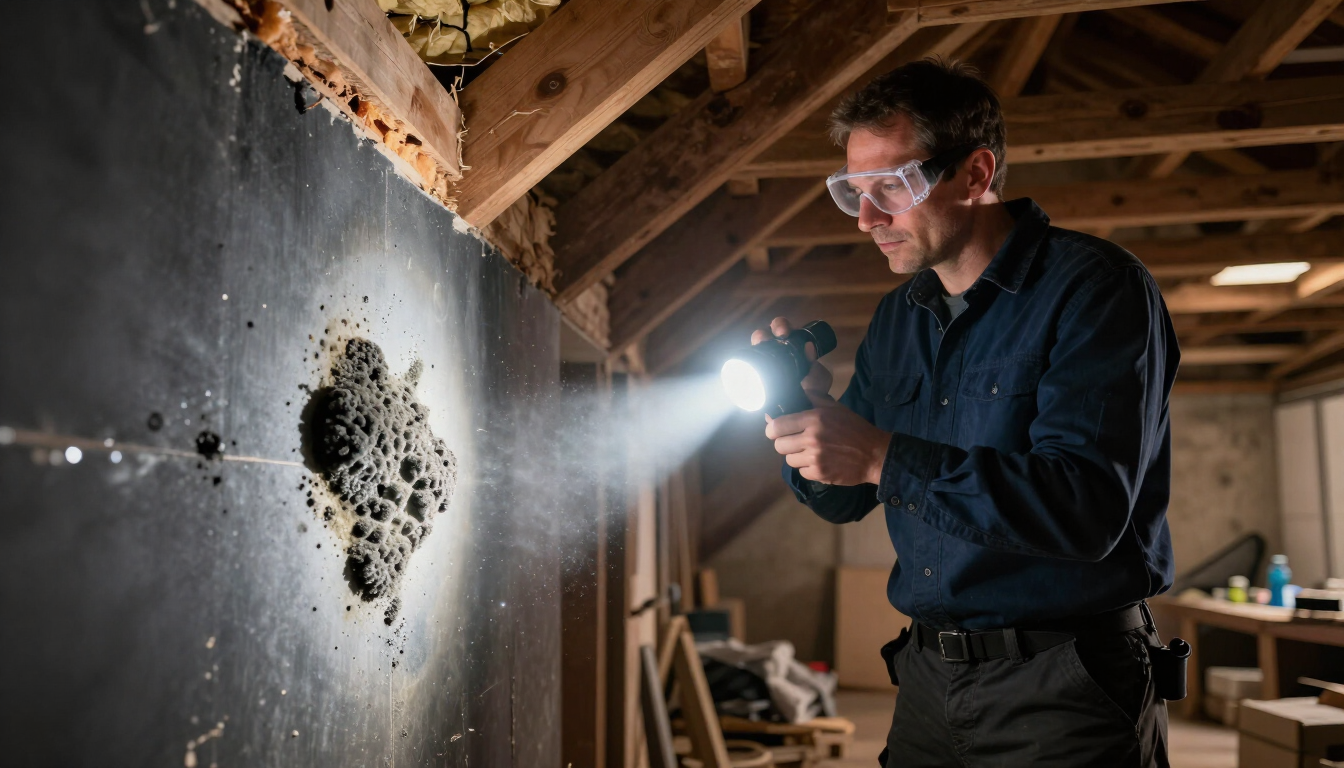
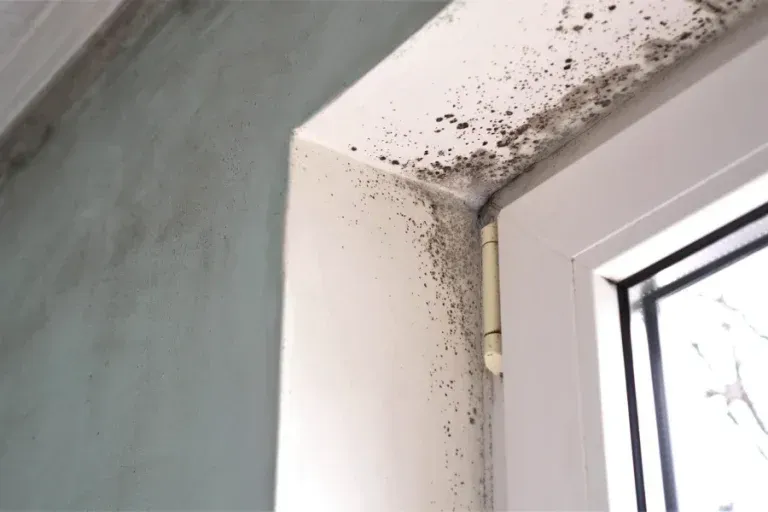
To the untrained eye, it can be hard to tell if there’s mold growing in your house if you’re not familiar with signs related to mold growth. Mold can be an expensive and dangerous problem to fix if it’s left to grow for a long period of time. Having mold in your home can be a nightmare and put you and your family’s health in danger if it’s not addressed as soon as it’s discovered.

Our team at Home Services Restoration, LLC put together these tips to understand and recognize the signs of mold growth in your home.


What is Mold?

Mold is a microscopic organism and fungus that grows in damp conditions to release spores. There are different types of mold and while some of them are harmless, others can cause serious health issues if the spores are inhaled.

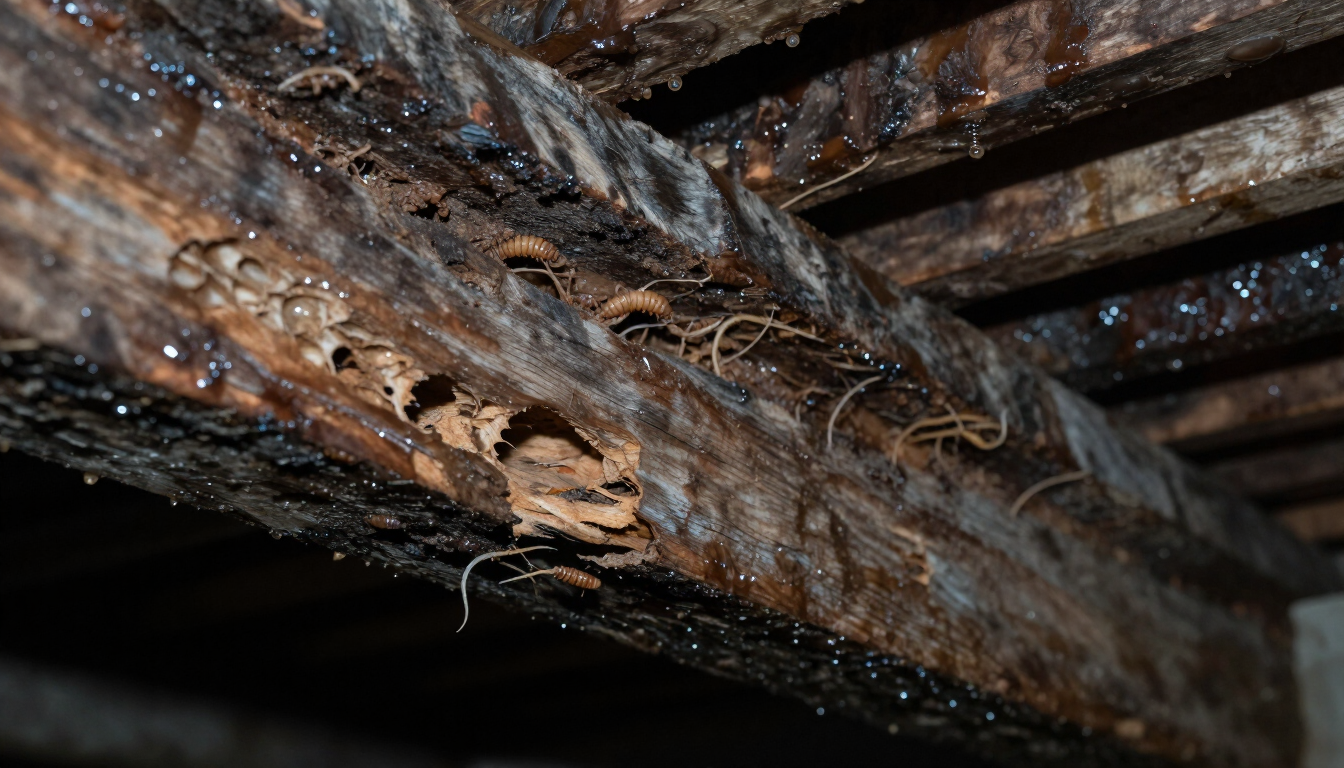
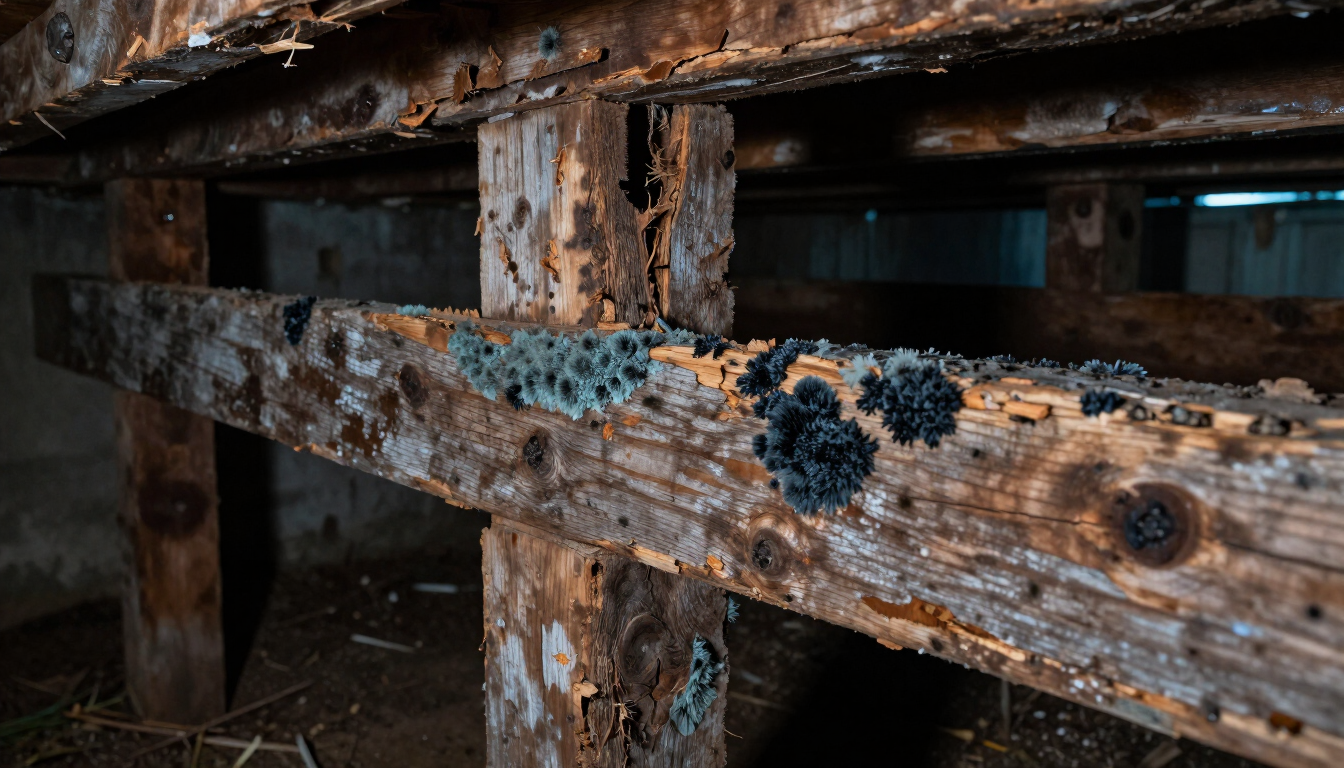
Mold can grow in a dark, damp area inside your home, which is a perfect environment for it to reproduce. Here’s how you can find and identify mold growth in your home.

Musty Odor

When mold grows in cold and damp areas, they sometimes develop a musty smell. Random musty odors in your home are one of the most common giveaways that your home has mold.

You’re Always Sick

If you have unknowingly been exposed to mold, you may feel sick sometimes or like you have allergies. Symptoms like coughing, nasal congestion, watery eyes, and itchy skin are all commonly related to the presence of mold. Mold can also trigger asthma symptoms if there’s been prolonged exposure.

Water Damage

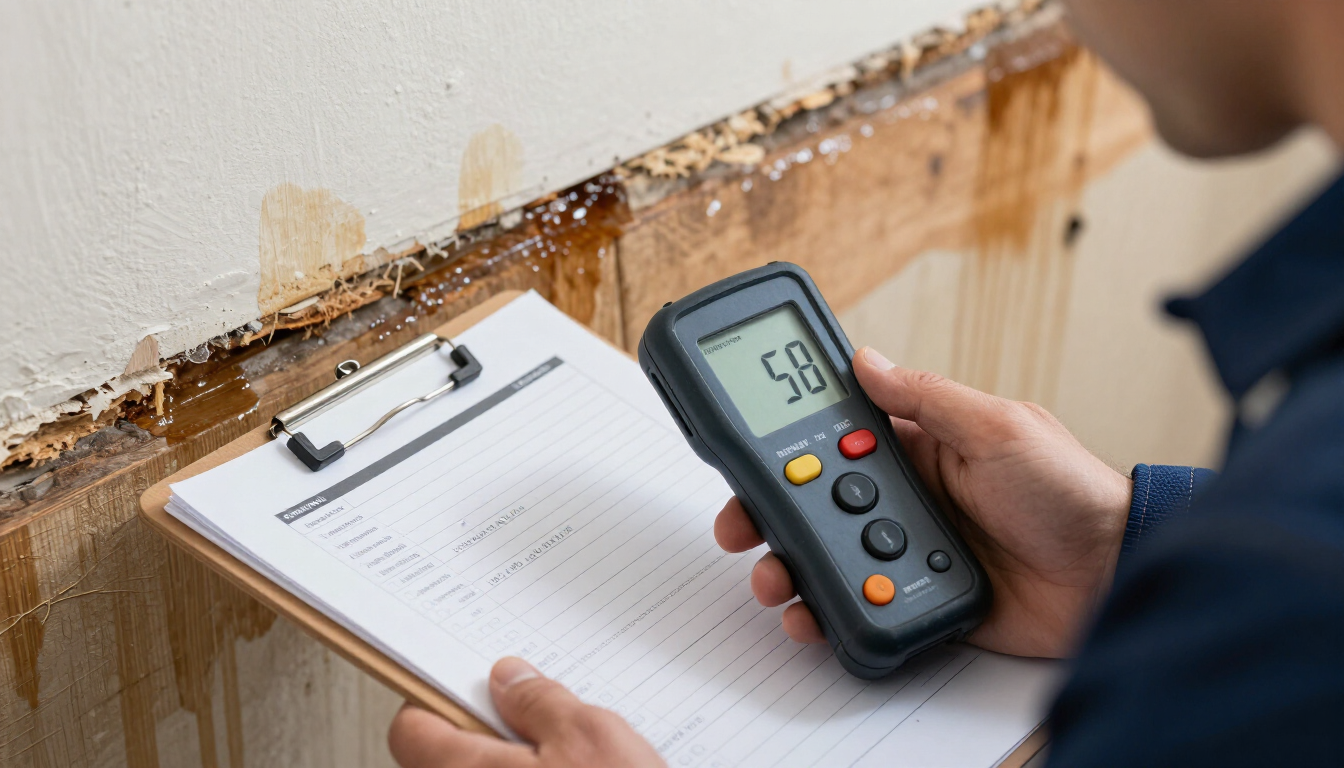
Any time your home has water damage, there’s a possibility that mold growth will be an outcome after the fact. Water can easily be absorbed from the floor to the ceiling, causing mold in areas you may not expect. The best way to determine if mold is in your home after water damage is by contacting a water restoration company to help repair damage and remove mold.

Contact Home Services Restoration, LLC for your mold restoration needs! We want your family to feel comfortable at home. Call us today at (240) 348-9566 to schedule an appointment to assess your home for mold.


Recent Posts

danger sign
By Deborah Naugle March 22, 2026
Understand the long-term dangers of mold damage. Learn how persistent growth impacts respiratory health, structural integrity, and the value of your property.
water restoration
By Deborah Naugle March 22, 2026
Learn how to choose the right water damage restoration company. Discover essential tips for vetting professionals to ensure your home is dried and mold-free.
mold spore
By Deborah Naugle March 22, 2026
Learn the basics of mold restoration with our beginner's guide. Discover how to identify infestations, follow safety steps, and restore your home's air quality.
drywall repair
By Deborah Naugle March 22, 2026
Learn whether to repair or replace water-damaged drywall. Discover how to identify structural issues and mold risks to ensure your home remains safe and dry.
maryland storm
By Deborah Naugle March 22, 2026
Prepare your Maryland home for storm season. Learn essential tips for flood prevention, roof maintenance, and mold protection to stay safe during East Coast storms.
dandilion
By Deborah Naugle March 22, 2026
Discover how summer pollutants like high humidity, pollen, and ozone impact your indoor air quality. Learn expert tips to breathe easier and keep your home safe.
business fire
By Deborah Naugle March 22, 2026
Learn the essential steps to repair your home or business after a fire. From structural assessment to soot removal, discover how to restore your property safely.
mushroom spore
By Deborah Naugle March 22, 2026
Master mold remediation with our ultimate guide. Learn expert tips, safety protocols, and the best practices to effectively remove mold and protect your home.
mold spores
By Deborah Naugle March 22, 2026
Identify the most common causes of household mold, from high humidity to hidden leaks. Learn how to spot moisture sources and prevent mold growth in your home.
fireplace
By Deborah Naugle March 22, 2026
Ensure a safe and cozy winter with our essential fireplace safety tips. Learn how to prevent creosote buildup, maintain ventilation, and avoid house fires.
Show More