
5 Ways to Find Toxic Mold Hiding in Your Home (in 2026)

Share this article

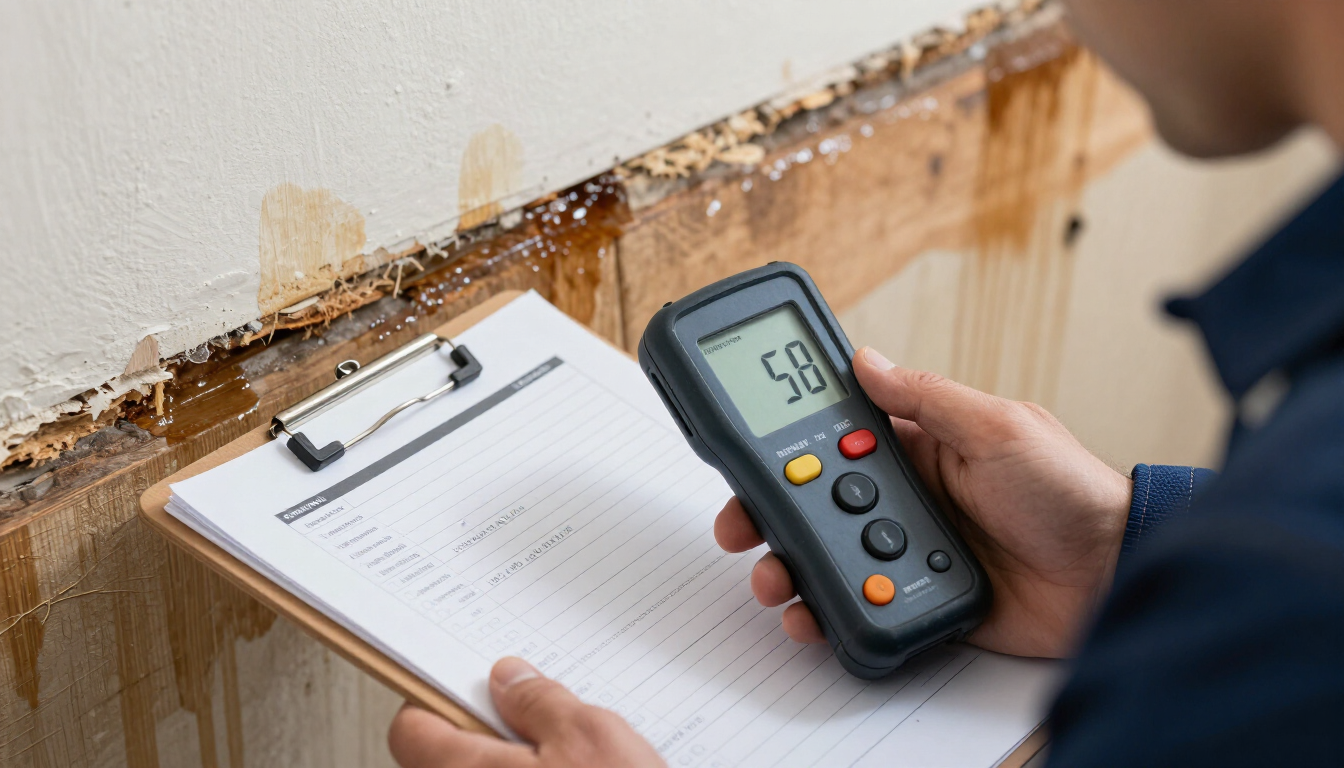
Toxic mold often hides in damp, dark, and poorly ventilated areas like crawl spaces, attics, behind drywall, and under flooring. Unlike surface mildew, toxic varieties thrive in hidden structural cavities, feeding on organic materials and moisture, often requiring professional detection and mold remediation to ensure complete removal and safety.

Where is mold most likely to hide?

Identifying the primary locations where toxic mold thrives is the first step in maintaining a healthy home environment. Mold spores are omnipresent, but they only become a significant health and structural threat when they find a consistent source of moisture and organic food. In a typical residence, the most likely hiding places are those that remain undisturbed and dark. These include the interior of wall cavities, the spaces beneath floorboards, and high-moisture utility areas. Because mold feeds on cellulose—found in drywall, wood, and wallpaper—it can spread rapidly through these hidden voids before any visible signs appear on the surface.

Southern Maryland's climate adds an extra layer of complexity. With high humidity levels common throughout St. Mary’s and Charles County, the moisture required for mold growth is often pulled directly from the air or through porous foundation walls. When homeowners notice a musty odor but cannot see the source, the mold is likely established in one of these invisible zones. Left unaddressed, hidden mold doesn't just impact indoor air quality testing results; it can begin to digest the very structural components of your home, leading to wood rot and compromised integrity. Identifying these spots early requires a keen understanding of home construction and the behavior of water vapor within the building envelope.

Common Structural Hiding Spots

Toxic mold is notoriously opportunistic, finding refuge in structural areas that homeowners rarely inspect. While a small patch of mold on a bathroom ceiling is concerning, the truly dangerous infestations are often buried deep within the house's skeleton. These structural hiding spots are dangerous because they allow the mold to weaken the home's framework while remaining shielded from standard cleaning efforts. Common areas include:

  • Interior Wall Cavities: Dampness from a leaking pipe or high humidity can become trapped between studs and drywall.
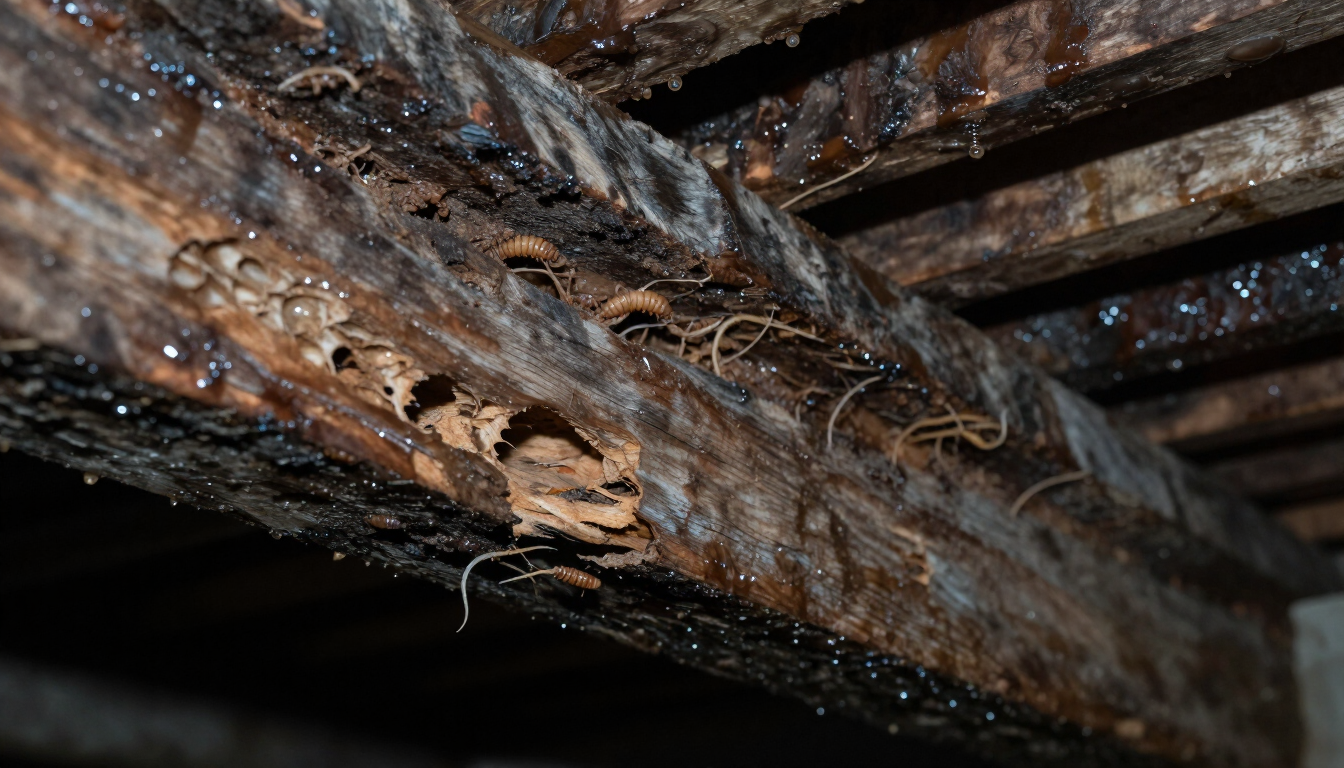
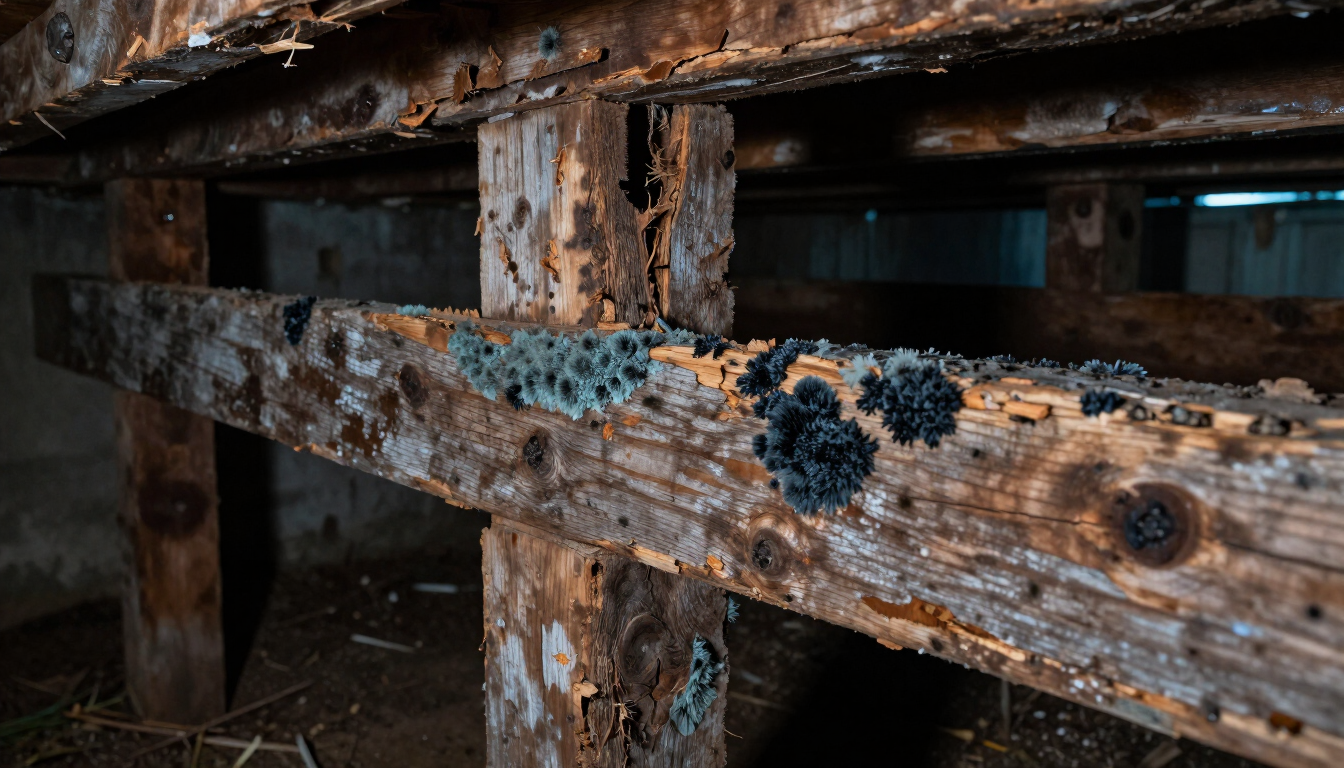
  • Subflooring and Joists: Moisture rising from a basement or crawl space often condenses on wood joists, fueling growth that leads to necessary joist repair .
  • Window and Door Frames: Poor flashing or failed seals allow rainwater to seep into the framing, where it remains trapped for weeks.
  • Chimney Breasts: Condensation and small roof leaks around the chimney often lead to mold growth behind the masonry or drywall finish.
  • Basement Perimeter Walls: Hydrostatic pressure can push moisture through foundation cracks, creating a breeding ground behind finished basement walls.

These locations are particularly problematic because they often contain insulation, which acts as a sponge for moisture. Once fiberglass or cellulose insulation becomes contaminated, it must be removed and replaced by a licensed professional. At Home Restoration Services, our MHIC license (MHIC #143012) allows us to go beyond simple cleaning. We understand the load-bearing requirements of these structural elements, ensuring that when we remove mold, we also address the underlying structural damage to keep your home safe and sound.

Crawl space mold detection

Can mold grow behind my bathroom walls?

Yes, the bathroom is one of the most susceptible areas for hidden toxic mold due to the constant presence of water and steam. While many homeowners are diligent about cleaning surface mildew from grout and tile, the real danger often lurks where you cannot see it. Leaky shower pans, failing caulk lines, or improperly installed waterproof membranes allow water to penetrate the substrate. Once water reaches the green board or plywood behind the tile, it creates a dark, saturated environment that is perfect for Stachybotrys chartarum, commonly known as toxic black mold. This type of growth is especially insidious because it can remain hidden for years while slowly rotting the wall studs.

Often, the first sign of a problem is a slight

Recent Posts

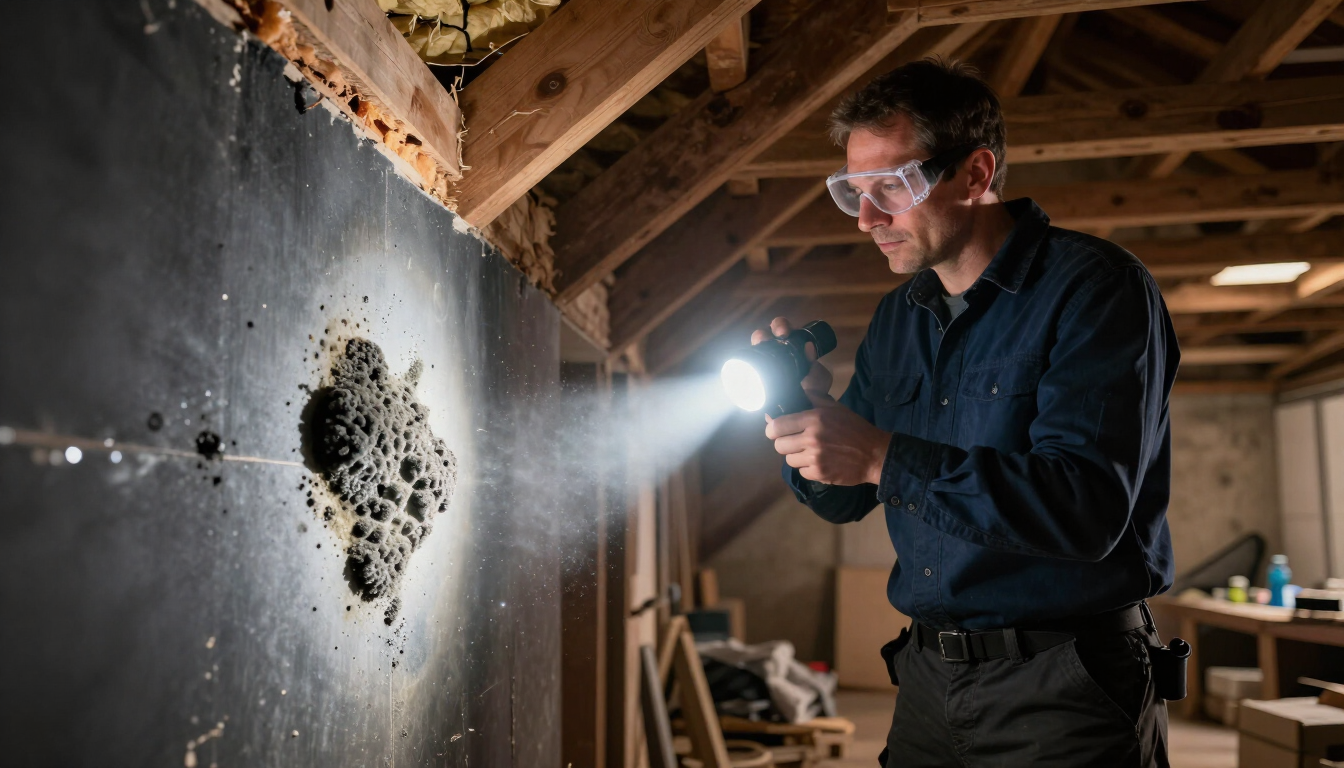
Hidden toxic mold discovered behind a wall during a professional home inspection in Maryland.
August 4, 2026
Discover the common hiding spots for toxic mold in Southern MD homes. Learn about detection, remediation, and structural repairs from licensed experts.
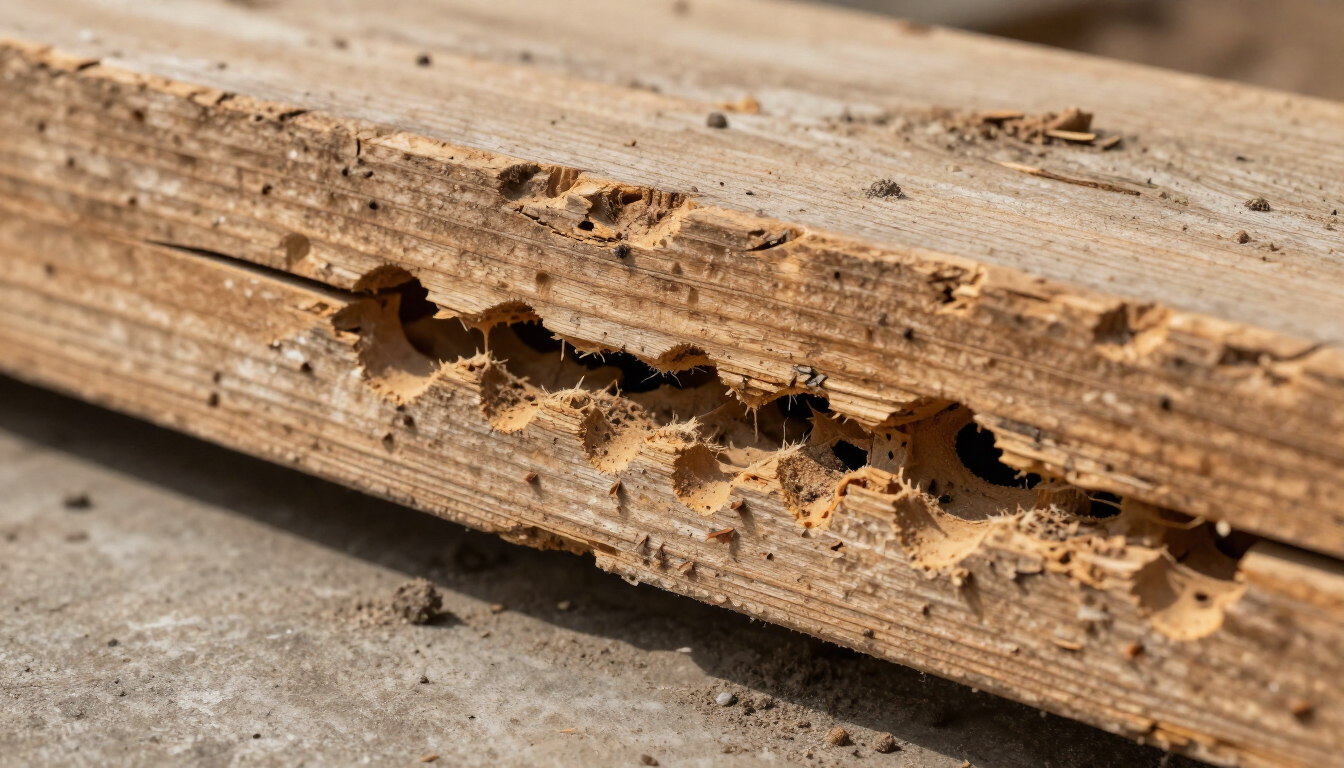
Termite damage to a wooden foundation beam.
August 3, 2026
Learn how wood-destroying insects like termites ruin foundations and why professional pest control and structural repair are critical for Maryland homes.

Local home restoration services team working on a Maryland property.
July 10, 2026
Learn why local home restoration services in Southern MD offer more than just repairs. Discover our community focus and partnership with Tunnel to Towers.
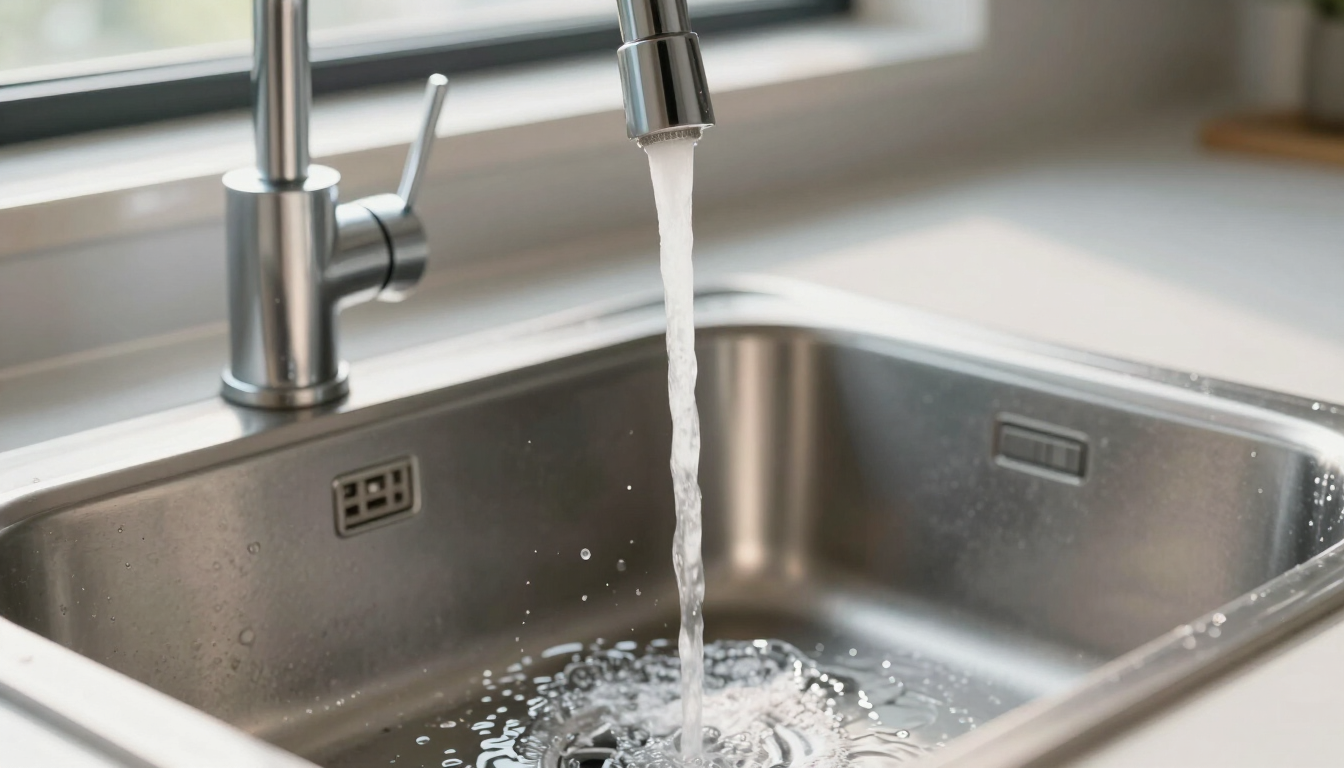
Mold growth near a water pipe and faucet aerator
June 25, 2026
Learn if mold can grow in your water pipes, how to spot the signs of contamination, and effective ways to ensure your home's water system remains safe and clean.

Professional home inspector checking for mold in an attic
June 25, 2026
Learn about the essential steps for mold remediation and inspection in Southern MD. Protect your home's structural integrity and your family's health with our expert guide.
Maryland structural remediation specialist inspecting a foundation.
June 25, 2026
Essential protocols for residential structural remediation in MD. Learn about MHIC standards, mold removal, and foundation repairs for Southern Maryland homes.
Contractor inspecting home foundation for structural integrity.
June 25, 2026
Looking for a reliable structural repair specialist in Maryland? Learn how to identify foundation issues, sagging joists, and why MHIC licensing is crucial for your home's safety and longevity.
Professional water damage restoration technicians at work.
June 25, 2026
Learn how to evaluate professional water damage restoration services for structural drying and mitigation. Protect your Southern MD home from mold and decay with expert insights.
Professional mold testing equipment for indoor air quality analysis
June 25, 2026
Searching for professional mold testing services? Learn how to find reliable experts in Southern Maryland to protect your home's air quality and structural integrity.
Official professional certifications for home restoration and mold removal services.
June 9, 2026
Discover the essential home restoration certifications, including IICRC, NADCA, and MHIC, that ensure your home's safety and structural integrity after water or mold damage.
Show More