
Is Mold Eating Your Home? (How to Stop Damage in 2026)

Share this article

Yes, mold literally eats your home by secreting digestive enzymes that break down organic materials like wood, drywall, and insulation into nutrients. This biological process compromises structural integrity, leading to weakened floor joists, brittle framing, and significant property devaluation if left untreated by professional restoration experts.

How does mold destroy your home's structure?

To understand why mold is so dangerous, you have to look at it as a living, breathing organism with a single goal: decomposition. In nature, mold is a hero—it breaks down fallen logs and leaves, turning them back into soil. Inside your home, however, those "fallen logs" are the very beams holding up your roof and floors. The primary way mold destroys a structure is through enzymatic digestion. When mold spores land on a damp surface, they grow roots called hyphae. These hyphae release enzymes that dissolve the complex carbohydrates (cellulose and lignin) found in building materials.

As the mold feeds, the wood or drywall becomes soft, spongy, and eventually brittle. This isn't just a surface issue; once the mold has penetrated the core of a structural member, that material loses its load-bearing capacity. Over time, this can lead to sagging ceilings, wavy floors, and even catastrophic structural failure. In Southern MD , high humidity levels often accelerate this process, providing the constant moisture mold needs to stay in "feeding mode" year-round.

Can mold cause floor joists to rot?

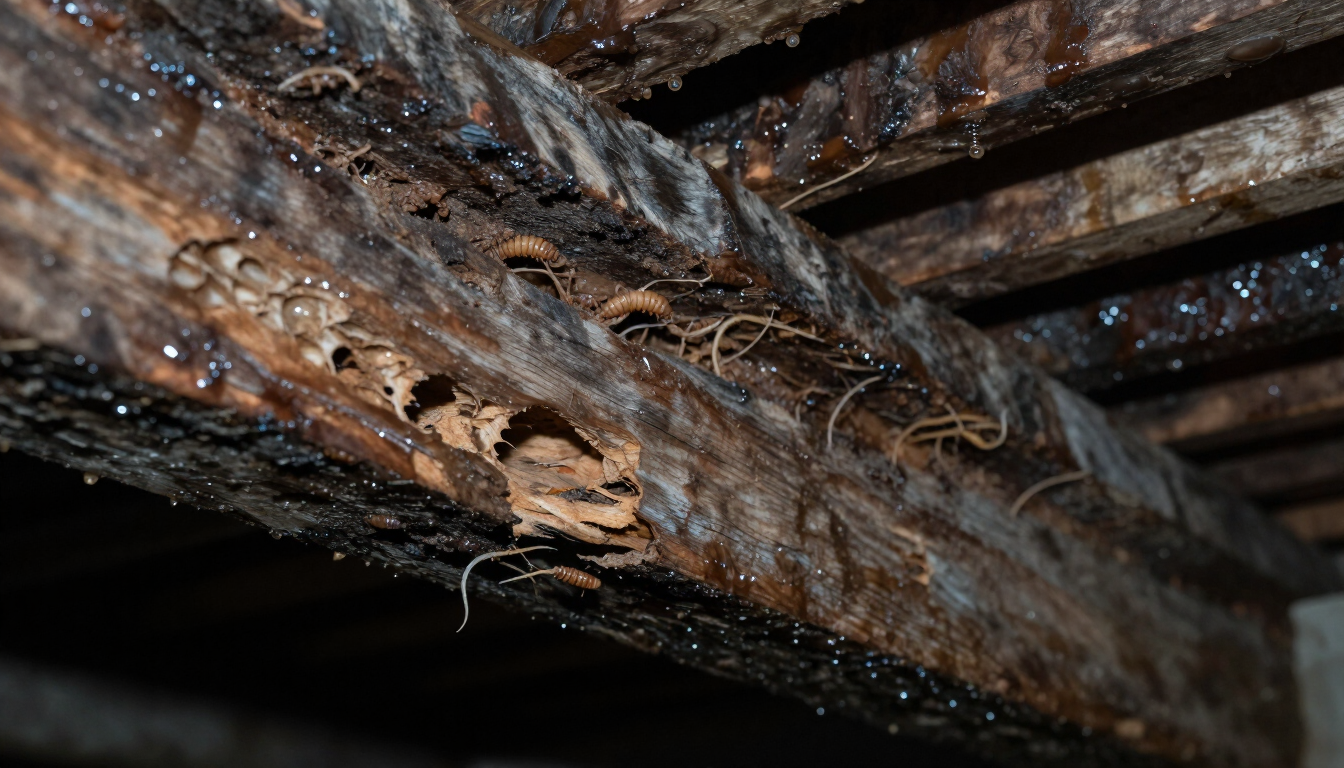
Absolutely. Floor joists are among the most vulnerable components of a home, especially those located in crawl spaces or above damp basements. When moisture levels in a crawl space stay high, wood-decay fungi (a type of mold) begin to feast on the wooden supports. This leads to what is commonly known as "dry rot," though the process actually requires significant moisture to start.

When mold attacks your joists, it results in several structural failures:

  • Fiber Breakdown: The wood fibers lose their tensile strength.
  • Deflection: The joists begin to bend or sag under the weight of the floor above.
  • Cracking: Brittle wood can no longer handle the natural shifting of the house.
  • Compression: The ends of the joists sitting on the foundation may crumble.
  • Nail Withdrawal: Rotted wood cannot hold fasteners, causing floors to become "squeaky" or bouncy.

If you notice your kitchen island leaning or your hardwood floors feeling like a trampoline, you likely need professional joist repair to restore the safety of your home. Cleaning the mold is only half the battle; the structural damage must be addressed by someone with the proper licensing and experience.

Crawl space mold damage

Structural Indicators of Severe Mold Infestation

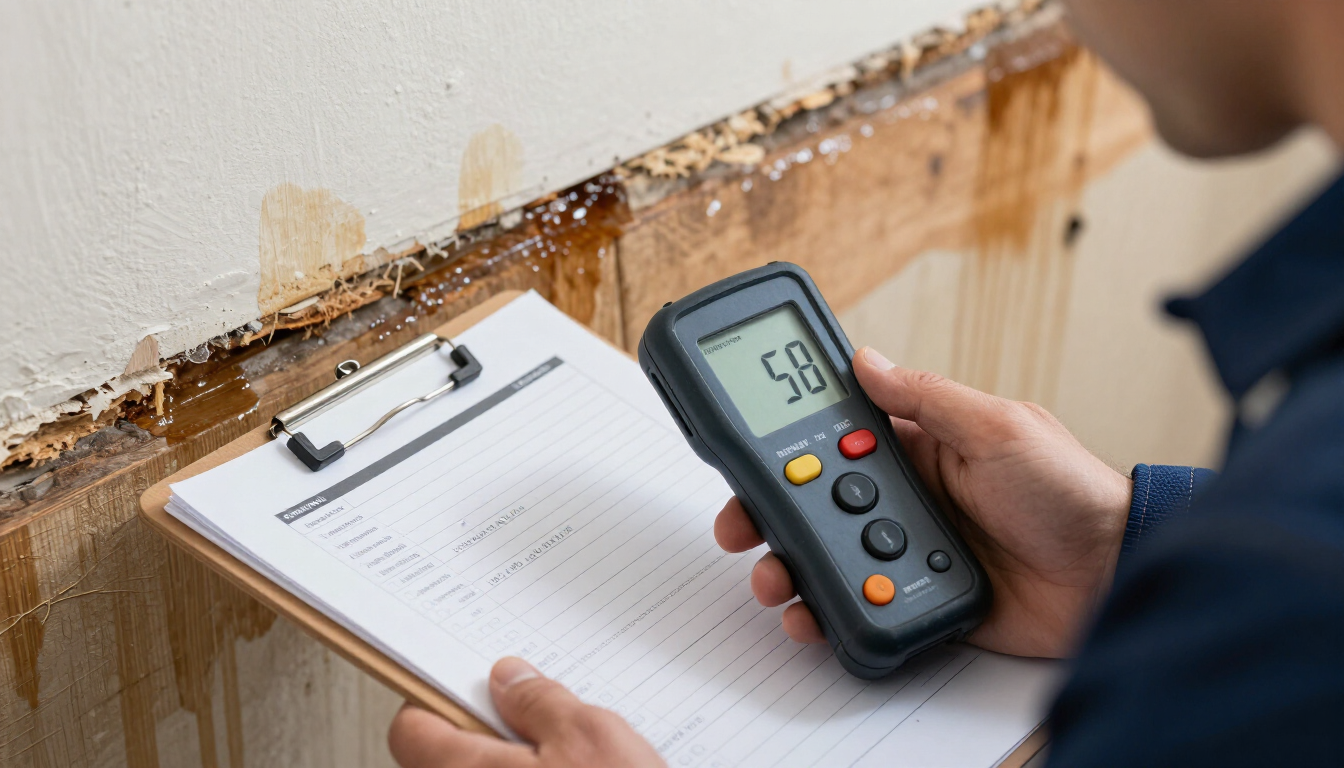
While a musty smell is the most famous sign of mold, it doesn’t always tell the full story of the structural damage occurring behind your walls. You need to look for physical indicators that the "eating" process has progressed. One of the most common signs is the presence of "checked" or cracked wood that looks like it has been charred by fire, often referred to as cubical brown rot. This happens when the fungi have consumed all the cellulose, leaving only the brown lignin behind.

Another indicator is the warping of door frames and windows. As mold eats the studs and headers surrounding your openings, the wood can shift or swell, making it difficult to open or close doors. You might also see drywall that appears to be "blistering" or bubbling. This isn't just paint damage; it's often the result of mold consuming the paper backing of the drywall, causing the gypsum core to lose its bond. If you press against a wall and it feels soft or gives way, the internal framing is likely compromised.

Lastly, keep an eye on your foundation. Often, mold growth is a secondary symptom of water intrusion through the masonry. If you see white, salty powder (efflorescence) on your basement walls, it means water is moving through the block, providing the perfect hydration for mold to begin eating any nearby wood or insulation. Identifying these signs early can save you thousands in structural repairs .

What are the best ways to stop mold growth?

The only way to stop mold from eating your home is to take away its primary fuel source: moisture. Mold cannot survive in a dry environment. While hardware store sprays might kill the spores on the surface, they do nothing to stop the "roots" deep inside the wood if the humidity remains high. A comprehensive approach involves more than just a bottle of bleach; it requires a systematic overhaul of your home’s environmental controls.

To effectively stop the decay, follow these steps:

  1. Identify the Leak: Fix plumbing issues or roof leaks immediately.
  2. Control Humidity: Maintain indoor humidity levels below 50% using high-capacity dehumidifiers.
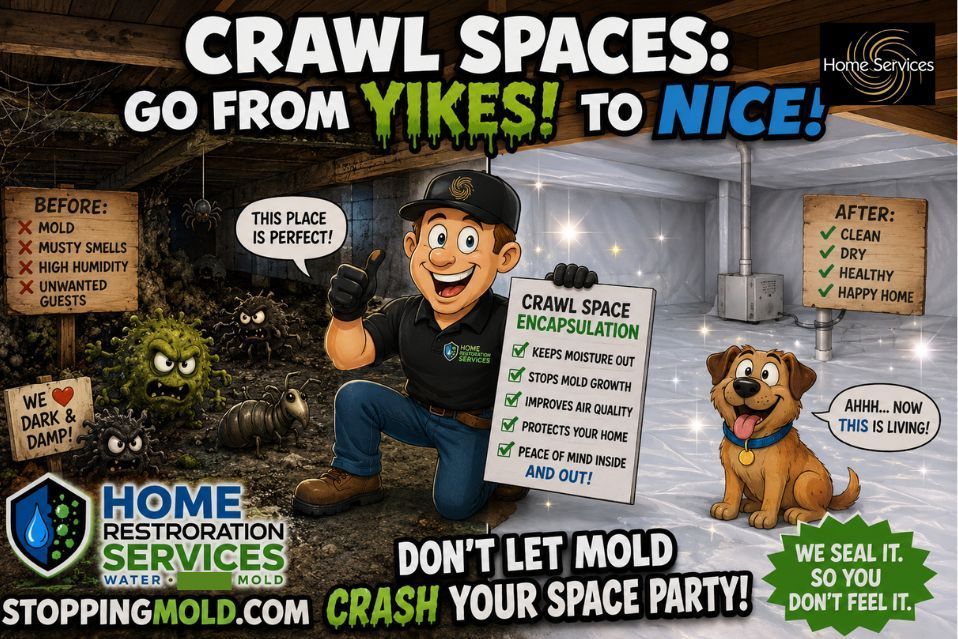
  3. Encapsulate the Crawl Space: Seal out the Maryland humidity with a vapor barrier.
  4. Repair the Foundation: Use foundation crack repair to stop water seepage.
  5. Improve Ventilation: Ensure attics and bathrooms are properly vented to the exterior.

At Home Restoration Services, we believe in "Beyond Simple Remediation." Because we hold a Maryland Home Improvement Commission (MHIC #143012) license, we don't just treat the mold; we fix the structural damage it leaves behind. This might include remodeling the affected space or reinforcing the skeletal structure of your home to ensure it remains standing for decades to come.

Mold remediation expert

The MHIC License: Why Structural Knowledge Matters

Many mold remediation companies are only trained in cleaning. They come in with suits and foggers, kill the mold, and leave. But what happens if that mold was eating a load-bearing wall? If a company isn't licensed by the Maryland Home Improvement Commission (MHIC), they are legally limited in the types of structural repairs they can perform. This leaves the homeowner in a difficult position—having a clean house that is still structurally unsound.

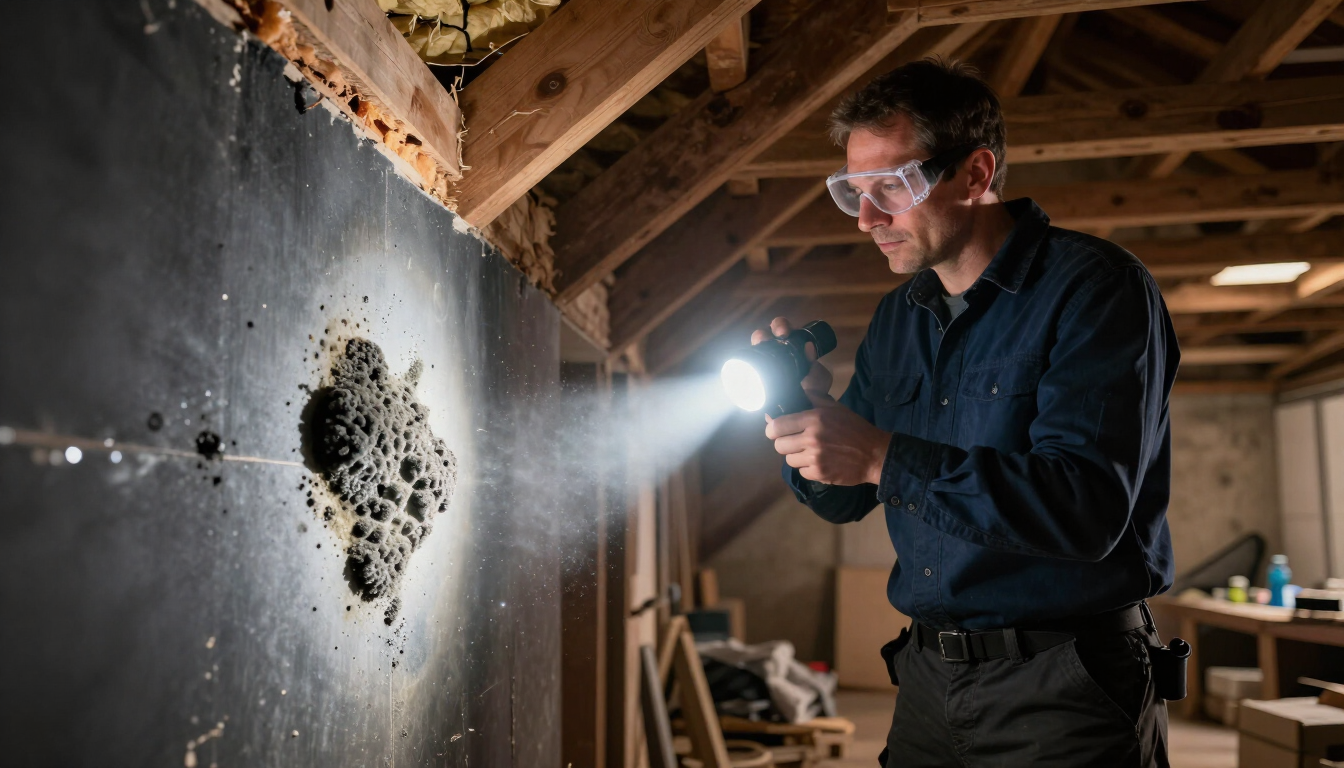
Choosing a contractor with an MHIC license, like Home Restoration Services, ensures that the person evaluating your mold is also an expert in building science. We understand how a house carries its weight. When we perform mold remediation , we are simultaneously looking for signs of wood rot, termite damage (which often follows mold), and foundation failure. We have the authority and expertise to install wall straps, seal foundation cracks, and rebuild crawl space environments from the ground up.

In the Southern Maryland area—including St. Mary’s, Charles, and Calvert counties—the soil conditions and coastal climate create unique challenges for home stability. A general cleaner might miss the fact that your crawl space mold is actually a symptom of a larger drainage issue. A licensed restoration professional looks at the home as a complete system, ensuring that once the mold is gone, it stays gone, and the house remains safe for your family.

Is mold in the attic as dangerous as the crawl space?

While crawl space mold often causes the most direct structural rot to the floors, attic mold is equally dangerous, primarily because of how it affects your roof deck and air quality. Many homeowners in Maryland suffer from mold in their attics due to poor ventilation or "shingle cooking" from extreme summer heat. When mold begins to eat the plywood sheathing under your shingles, it can cause the wood to delaminate.

This structural weakening of the roof deck can lead to:

  • Soft Spots on the Roof: Dangerous for anyone walking on the surface.
  • Shingle Failure: Nails lose their grip in rotted wood, causing shingles to blow off.
  • Sagging Rooflines: Visible from the street, this significantly hurts curb appeal and value.
  • Ice Damming: Compromised insulation and wood can lead to uneven heating and ice issues.
  • Poor Air Quality: Through the "stack effect," air from the attic can be drawn down into the living space.

Our crawl space & attic services address these issues specifically. We don't just scrub the wood; we evaluate the ventilation systems (soffit vents, ridge vents, and baffles) to ensure the attic remains a dry, hostile environment for mold growth. If the mold has already caused the sheathing to rot, we can handle the replacement and structural reinforcement required to keep your roof secure.

Preventing Future Water Damage in Southern MD

Prevention is always more cost-effective than restoration. In our region, the battle against mold is a constant fight against the elements. To protect your investment, you must be proactive. This starts with a regular inspection of the areas you rarely visit: the attic and the crawl space. Check for dampness after heavy rains, look for discoloration on the wood, and be mindful of any new odors in the home.

Consider these long-term preventative measures:

  • Gutter Maintenance: Keep water flowing away from the foundation.
  • Sump Pump Monitoring: Ensure your pump has a battery backup for Maryland storms.
  • Dehumidification: Install a permanent crawl space dehumidifier.
  • Professional Inspections: Have a licensed contractor check your structural integrity every few years.
  • Landscaping: Ensure the ground slopes away from your home's exterior walls.

By staying ahead of the moisture, you stop the mold before it ever gets a chance to take its first "bite" out of your home. If you suspect that mold has already started to compromise your property, don't wait. The longer you wait, the more the mold eats, and the more expensive the repairs become.

Summary of Key Takeaways

To keep your home safe from mold-induced structural decay, remember these vital points:

  • Mold is biological decay: It consumes wood and drywall, leading to structural failure.
  • Check the joists: Soft or bouncy floors are a primary indicator of mold rot in the crawl space.
  • Look for the signs: Warping doors, bubbling drywall, and cubical brown rot are red flags.
  • Licensing is crucial: Use an MHIC-licensed contractor to ensure structural repairs are done correctly.
  • Moisture control is the cure: Without drying out the space, mold will always return.

If you are worried about the integrity of your property, contact Home Restoration Services today. We serve Southern MD, St. Mary's County, Charles County, and Calvert County MD with expert mold removal and complex structural repairs. Let us help you rebuild a space that is not only clean but structurally sound for years to come.

Recent Posts

Hidden toxic mold discovered behind a wall during a professional home inspection in Maryland.
August 4, 2026
Discover the common hiding spots for toxic mold in Southern MD homes. Learn about detection, remediation, and structural repairs from licensed experts.
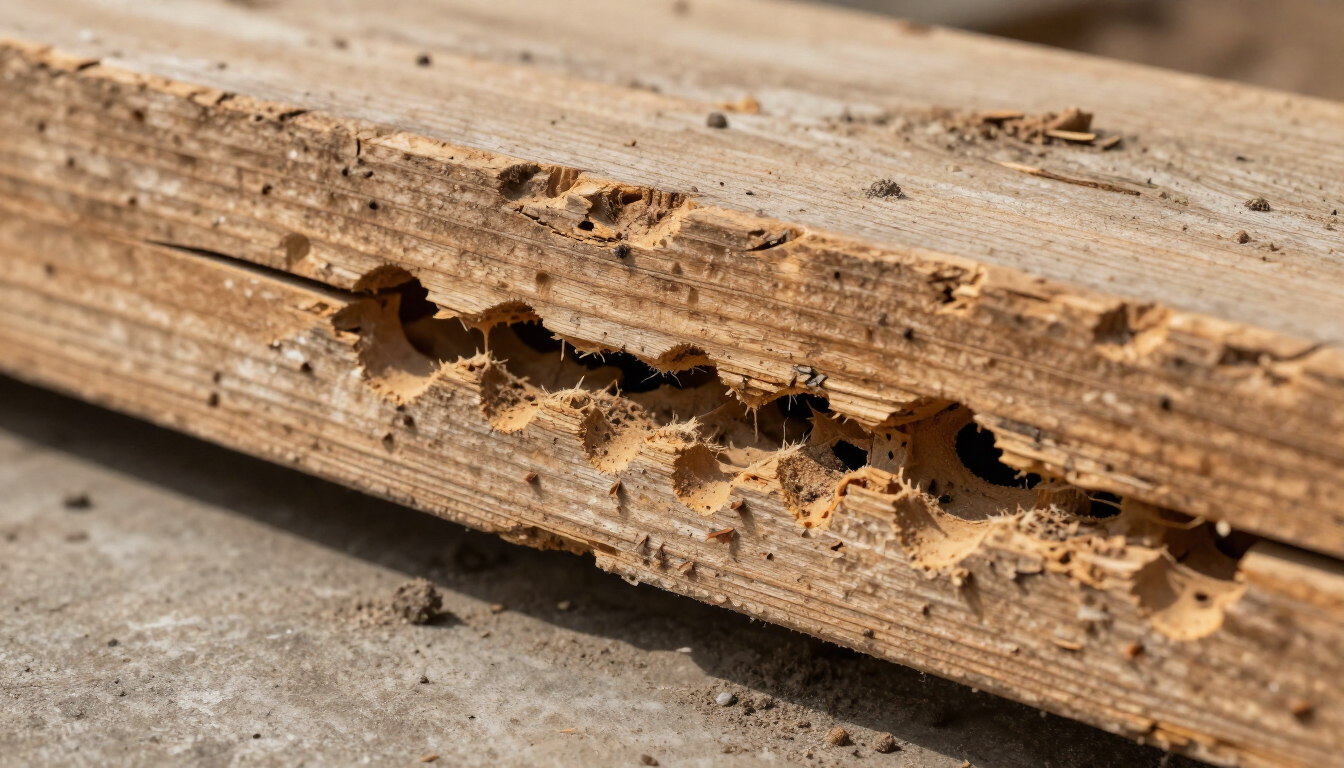
Termite damage to a wooden foundation beam.
August 3, 2026
Learn how wood-destroying insects like termites ruin foundations and why professional pest control and structural repair are critical for Maryland homes.
Close up of toxic mold growth on a damp basement wall structure
August 3, 2026
Discover the most common places toxic mold hides in your home, from crawl spaces to wall cavities. Learn how Home Restoration Services identifies and removes mold to protect your Southern Maryland home.

Local home restoration services team working on a Maryland property.
July 10, 2026
Learn why local home restoration services in Southern MD offer more than just repairs. Discover our community focus and partnership with Tunnel to Towers.
Mold growth near a water pipe and faucet aerator
June 25, 2026
Learn if mold can grow in your water pipes, how to spot the signs of contamination, and effective ways to ensure your home's water system remains safe and clean.

Professional home inspector checking for mold in an attic
June 25, 2026
Learn about the essential steps for mold remediation and inspection in Southern MD. Protect your home's structural integrity and your family's health with our expert guide.
Maryland structural remediation specialist inspecting a foundation.
June 25, 2026
Essential protocols for residential structural remediation in MD. Learn about MHIC standards, mold removal, and foundation repairs for Southern Maryland homes.
Contractor inspecting home foundation for structural integrity.
June 25, 2026
Looking for a reliable structural repair specialist in Maryland? Learn how to identify foundation issues, sagging joists, and why MHIC licensing is crucial for your home's safety and longevity.
Professional water damage restoration technicians at work.
June 25, 2026
Learn how to evaluate professional water damage restoration services for structural drying and mitigation. Protect your Southern MD home from mold and decay with expert insights.
Professional mold testing equipment for indoor air quality analysis
June 25, 2026
Searching for professional mold testing services? Learn how to find reliable experts in Southern Maryland to protect your home's air quality and structural integrity.
Show More