
7 Places Toxic Mold Hides in Your Maryland Home (2026)

Share this article

Toxic mold often hides in dark, damp, and unventilated areas such as behind drywall, under carpeting, inside crawl spaces, and within HVAC ductwork. These environments provide the organic material and moisture necessary for spores to thrive undetected, often requiring professional mold remediation to ensure complete removal and structural restoration.

Where does toxic mold hide most often?

In many Maryland homes, particularly those in humid coastal regions like St. Mary’s County or Calvert County , toxic mold finds refuge in places where water lingers. The most common hiding spots are those that remain out of sight during daily routines. While you might notice a small spot on a shower curtain, the more dangerous "toxic" varieties—like Stachybotrys chartarum (black mold)—prefer locations where they can feed on cellulose-rich materials for weeks or months without disturbance.

Behind the Bathroom Tiles and Kitchen Cabinets

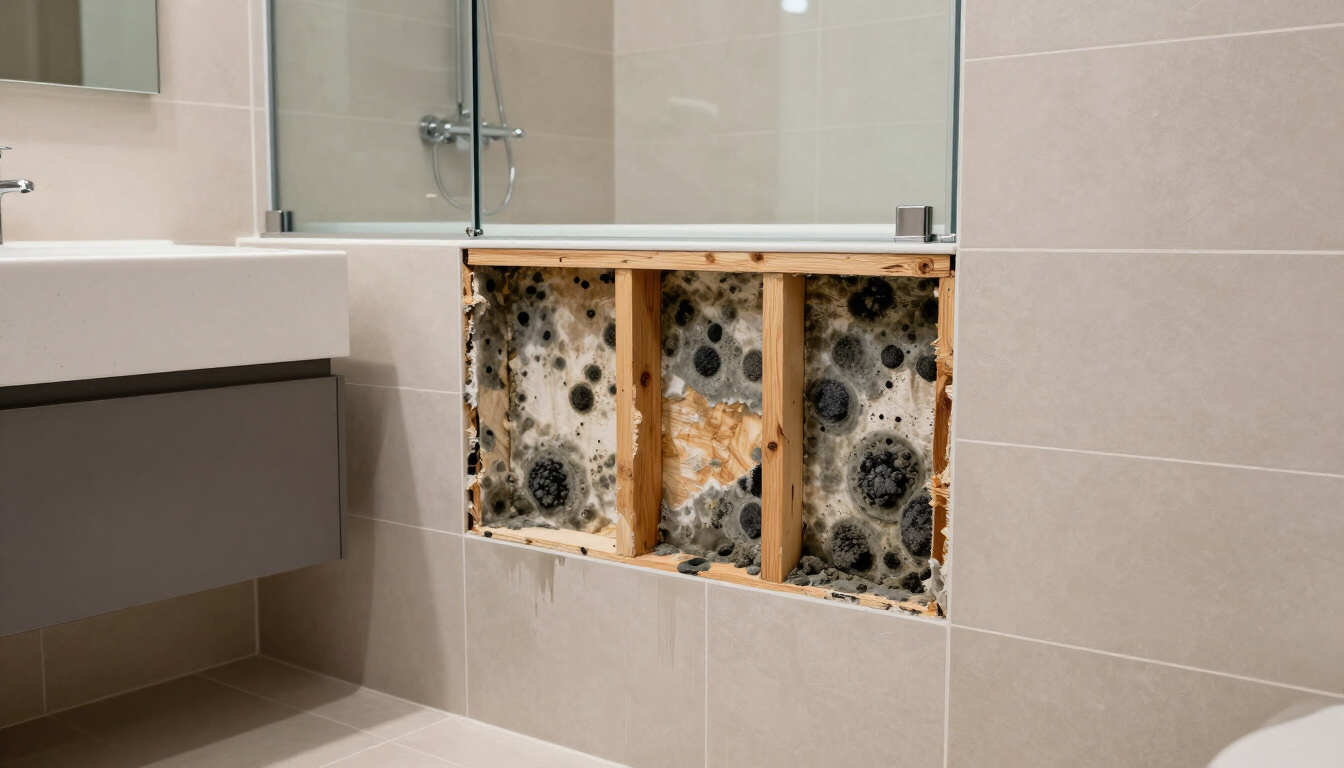
Water is the primary catalyst for mold growth. In the bathroom, microscopic leaks behind a shower wall or a slow drip under the sink can saturate the wallboard and wooden studs. Because these areas are enclosed, there is very little airflow to dry the moisture. Over time, the area behind your tiles becomes a breeding ground for colonies.

Similarly, in the kitchen, the space behind the dishwasher or under the refrigerator is a prime target. Slow leaks from water lines or condensation buildup provide a steady supply of moisture. If you notice a musty odor but cannot see any visible growth, it is highly likely the mold is flourishing behind the cabinetry. Professional water damage mitigation is often necessary to dry these cavities properly before mold can take a permanent hold.

Hidden Mold Inspection

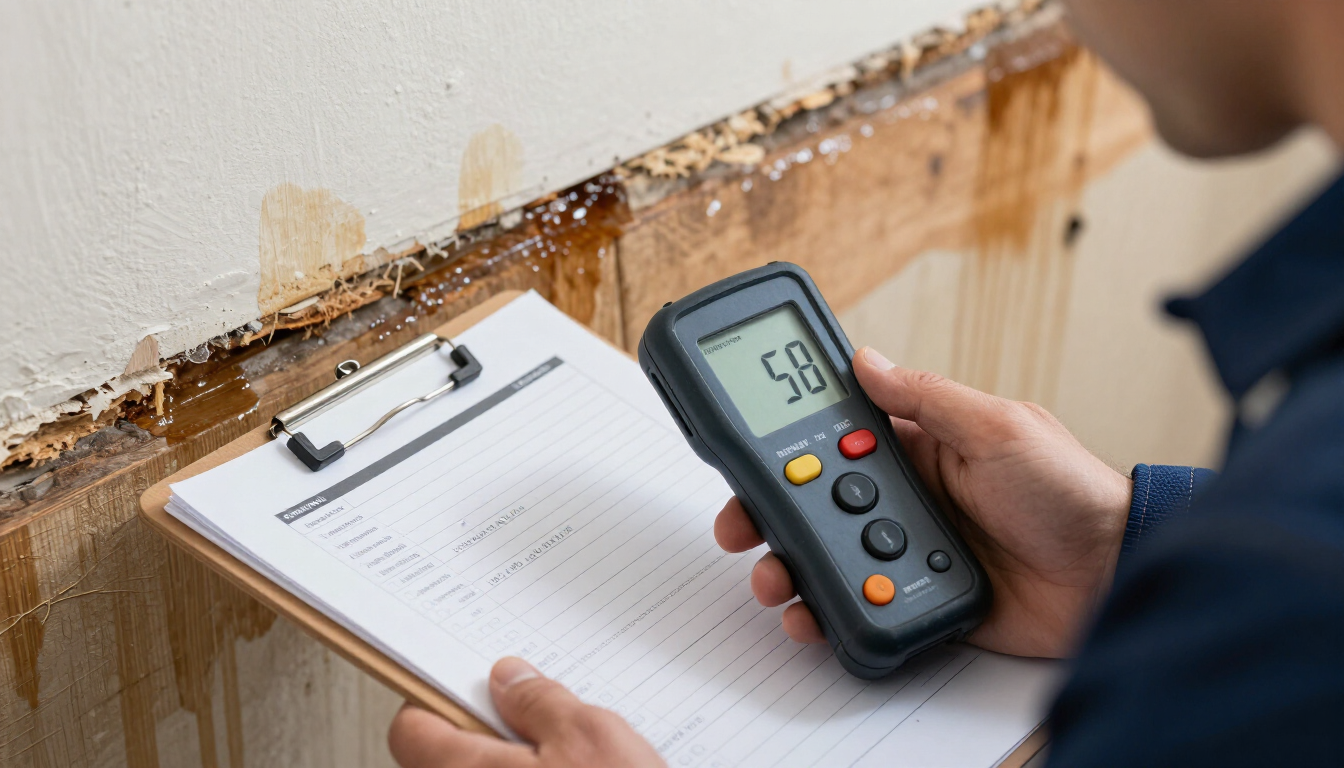
How can you tell if mold is behind your walls?

Wall cavities are essentially incubators for toxic mold. When a pipe leaks or heavy rains seep through a foundation crack, the water travels down the interior of the wall. Since drywall is porous and contains paper (a food source for mold), it becomes the perfect host. Identifying mold behind walls requires a keen eye for subtle physical changes:

  • Discoloration: Look for yellow, brown, or black staining on the surface of the paint or wallpaper.
  • Bubbling or Peeling: Moisture behind the wall causes paint to lose its bond, leading to bubbling or peeling textures.
  • Soft Spots: If the drywall feels soft, spongy, or brittle to the touch, the core is likely compromised by moisture and rot.
  • The Smell Test: A persistent, earthy, or "old basement" smell often indicates high concentrations of mold spores trapped in the wall cavity.

Because we hold a Maryland Home Improvement Commission license (MHIC #143012), our team doesn't just identify the mold; we understand the structural impact. If the mold has compromised the integrity of your wall studs or floor joists, we provide integrated joist repair and structural rebuilding to ensure your home remains safe.

Why is the crawl space a breeding ground for mold?

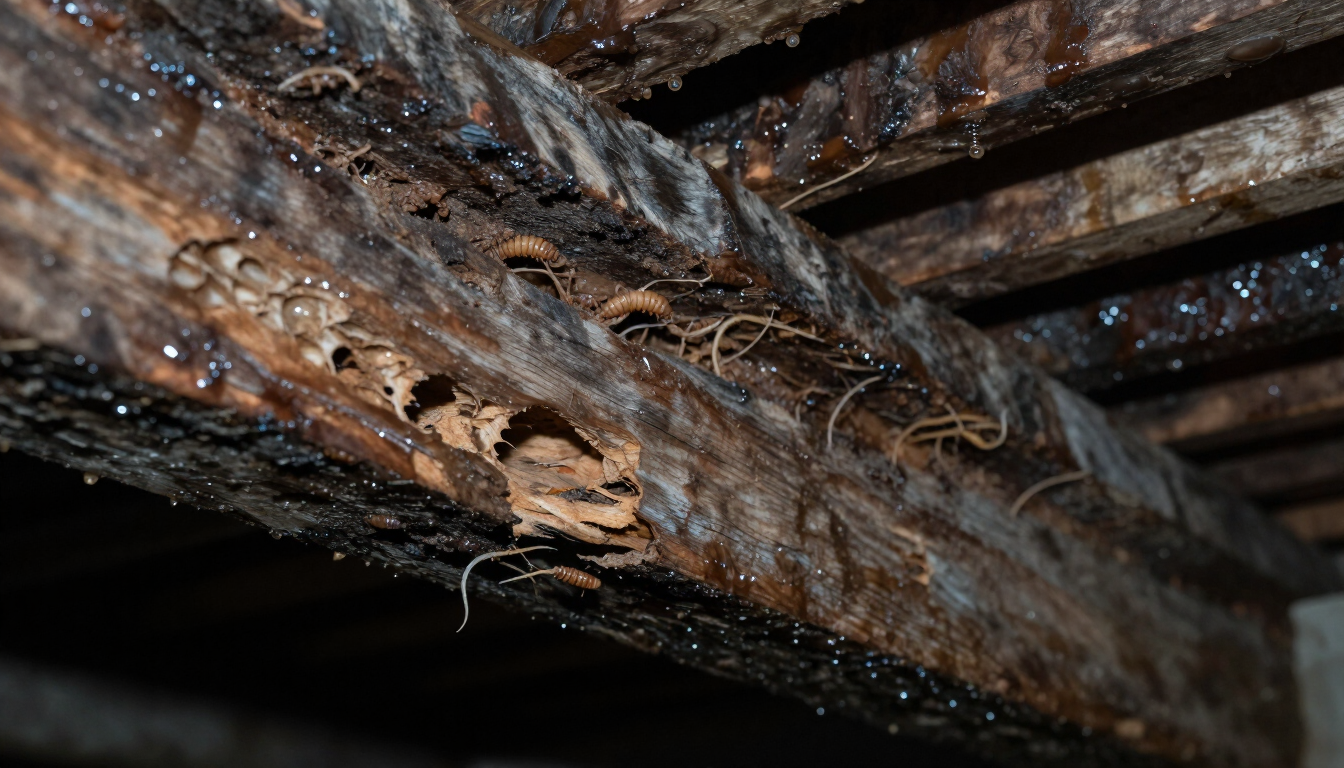
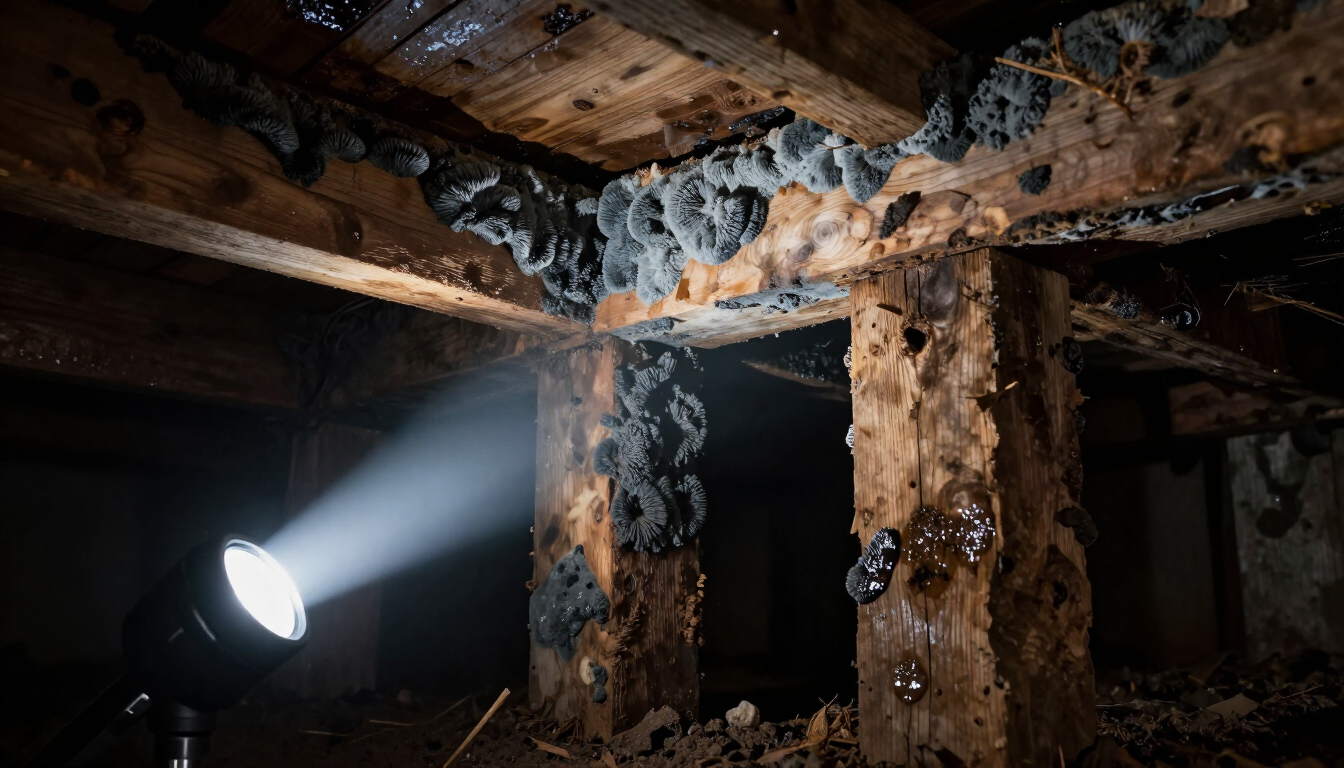
For many homeowners in Southern MD , the crawl space is an "out of sight, out of mind" area. However, it is perhaps the most vulnerable part of the home for toxic mold. Open vents in Maryland’s humid climate pull moisture directly under the house. When this moist air hits the cooler wood of the floor joists, it condenses into water droplets.

This cycle of condensation, combined with the organic wood of the home's framing, creates an ideal ecosystem for mold. Once established in the crawl space, mold spores can enter the living areas of your home through the "stack effect." As warm air rises and exits through the attic, it pulls air from the crawl space upward through floor penetrations and wall cavities. This means the air you breathe in your living room is often the same air that was just circulating around moldy floor joists.

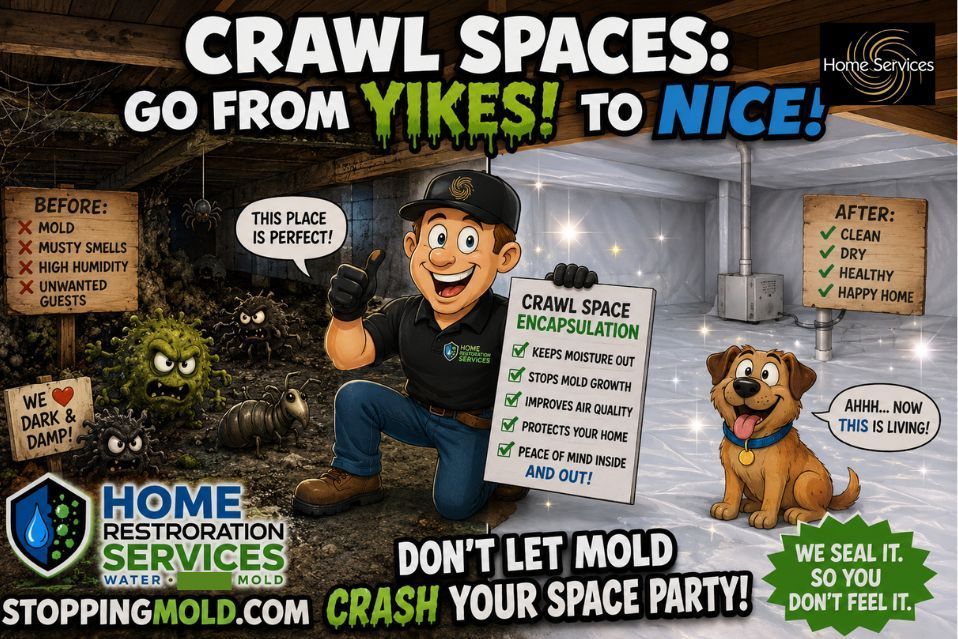
Benefits of Crawl Space Encapsulation

To combat this, we recommend comprehensive crawl space & attic services that focus on moisture control. Encapsulation is the process of sealing the crawl space from the outside environment. This typically includes:

  1. Vapor Barrier Installation: Laying a heavy-duty plastic liner over the ground and up the walls.
  2. Sealing Vents: Preventing humid outdoor air from entering the space.
  3. Dehumidification: Installing a dedicated unit to maintain a constant, low humidity level.
  4. Foundation Repair: Addressing any cracks where water might be seeping in.

By managing the humidity through professional dehumidification , you effectively starve the mold of the moisture it needs to survive.

Crawl Space Remediation

Does mold hide in air ducts?

Yes, your HVAC system can act as a distribution network for toxic mold. Mold can grow inside the ductwork if there is excessive moisture, which often occurs during the summer when the cooling system produces condensation. If the dust and debris inside the ducts get wet, mold can begin to grow and release spores every time the fan turns on.

If you find that your family suffers from unexplained allergies or respiratory issues only when the AC is running, it may be time for indoor air quality testing . Testing the air helps identify the concentration of spores and the specific species present, which is crucial for determining the level of risk to your health. If mold is found within the vents, air duct cleaning and system sterilization are vital steps to reclaim your indoor environment.

Structural Risks of Undetected Mold Growth

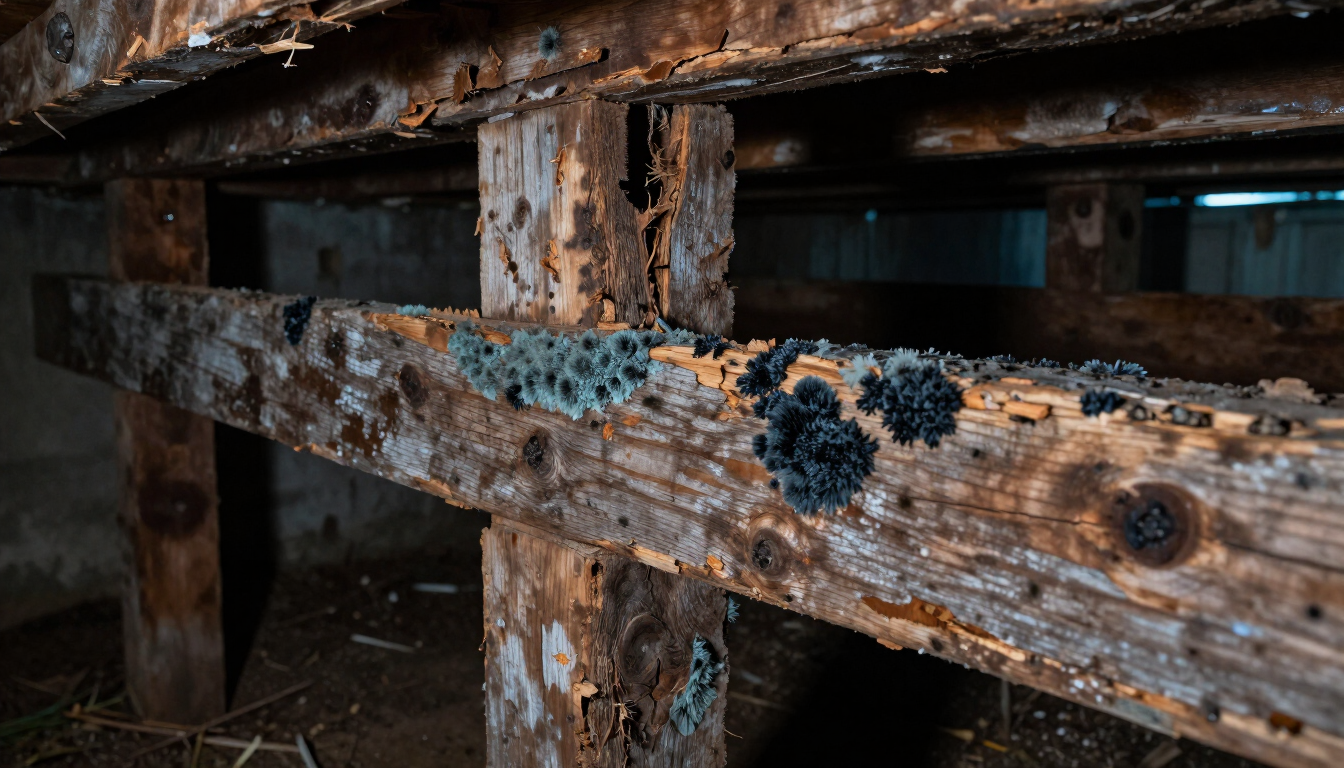
While the health risks of toxic mold are well-documented, the structural risks are often overlooked until it is too late. Mold is a fungus that feeds on organic material. In a residential setting, this means it is literally eating your house. If mold is allowed to fester on load-bearing beams or floor joists, the wood begins to decay and lose its load-bearing capacity.

This is why hiring a company with comprehensive restoration capabilities is essential. At Home Restoration Services, we specialize in structural repairs . We don't just spray a chemical and leave; we assess the damage to your home’s skeleton. If we find that a foundation crack is allowing water to feed a mold colony, we perform foundation crack repair and, if necessary, install structural wall straps to stabilize the foundation and prevent future moisture intrusion.

Common Signs of Hidden Toxic Mold

Aside from the physical spots and smells, there are secondary indicators that toxic mold is hiding in your home. These signs often point to a systemic issue rather than a localized spill:

  • Increased Humidity: If your indoor humidity levels are consistently above 60%, mold is likely growing somewhere.
  • Health Symptoms: Chronic coughing, skin irritation, or itchy eyes that improve when you leave the house.
  • Water Bills: A sudden spike in your water bill could indicate a hidden leak behind a wall or under a floor.
  • Condensation on Windows: Frequent fogging or water droplets on the inside of window panes indicate excessive indoor moisture.

Steps for Professional Mold Remediation

When hidden mold is discovered, the removal process must be handled with extreme care to prevent the spread of spores. Our professional process involves:

  1. Containment: Using plastic sheeting and negative air pressure to isolate the affected area.
  2. Air Filtration: Running HEPA air scrubbers to remove airborne spores during the cleaning process.
  3. Removal of Porous Materials: Safely disposing of mold-infested drywall, insulation, or carpeting.
  4. Cleaning and Disinfection: Applying antimicrobial treatments to non-porous surfaces like wood studs and concrete.
  5. Structural Rebuilding: Because we are a full-service remodeling firm, we can completely rebuild the space, from framing to finishing, ensuring it looks better than it did before the damage occurred.

Conclusion: Take Action Against Hidden Mold

Where Toxic Mold Might Be Hiding In Your Home 8 spots homeowners overlook — spotted early by Home Services Restoration upper floor main floor basement / crawlspace 1 2 3 4 5 6 7 8 1 Attic & roofline Roof leaks and poor ventilation trap moisture in insulation and rafters. 2 Behind bathroom tile Grout and caulking hide leaks that seep behind tile and drywall. 3 Under sink cabinets Slow pipe drips go unnoticed for months in bathroom and kitchen bases. 4 HVAC ducts & vents Condensation inside ductwork spreads spores through every room. 5 Window sills & frames Condensation collects along glass and wood frames in cooler months. 6 Behind appliances Fridges, washers & dishwashers hide hose leaks against the wall behind them. 7 Basement & crawlspace Foundation walls and floor joists stay damp without proper encapsulation. 8 Inside wall cavities Old leaks dry on the surface but keep growing unseen inside the wall. Notice musty odors or discoloration? Get a free mold inspection. Home Services Restoration • (240) 237-8045 • stoppingmold.com

Toxic mold is a silent intruder that can compromise both your family's health and your home's structural integrity. By knowing where it hides—from the dark corners of your crawl space to the hidden cavities behind your bathroom tiles—you can take the necessary steps to protect your investment. If you suspect hidden mold growth in your Maryland home, don't wait for the symptoms to worsen or the wood to rot.

Key Takeaways:

  • Check High-Moisture Areas: Focus on bathrooms, kitchens, and basements where leaks are common.
  • Don't Ignore Odors: A musty smell is often the first and only sign of mold hiding behind walls.
  • Seal Your Crawl Space: Encapsulation is the best defense against mold in Southern MD homes.
  • Hire a Licensed Professional: Ensure your contractor can handle both mold removal and the subsequent structural repairs .

If you’re ready to ensure your home is mold-free and structurally sound, contact us today for a professional evaluation. We serve the entire Southern Maryland region, providing the specialized expertise needed to handle complex mold and water damage challenges.

Recent Posts

Termite damage to a wooden foundation beam.
August 3, 2026
Learn how wood-destroying insects like termites ruin foundations and why professional pest control and structural repair are critical for Maryland homes.
Close up of toxic mold growth on a damp basement wall structure
August 3, 2026
Discover the most common places toxic mold hides in your home, from crawl spaces to wall cavities. Learn how Home Restoration Services identifies and removes mold to protect your Southern Maryland home.

Local home restoration services team working on a Maryland property.
July 10, 2026
Learn why local home restoration services in Southern MD offer more than just repairs. Discover our community focus and partnership with Tunnel to Towers.
Mold growth near a water pipe and faucet aerator
June 25, 2026
Learn if mold can grow in your water pipes, how to spot the signs of contamination, and effective ways to ensure your home's water system remains safe and clean.

Professional home inspector checking for mold in an attic
June 25, 2026
Learn about the essential steps for mold remediation and inspection in Southern MD. Protect your home's structural integrity and your family's health with our expert guide.
Maryland structural remediation specialist inspecting a foundation.
June 25, 2026
Essential protocols for residential structural remediation in MD. Learn about MHIC standards, mold removal, and foundation repairs for Southern Maryland homes.
Contractor inspecting home foundation for structural integrity.
June 25, 2026
Looking for a reliable structural repair specialist in Maryland? Learn how to identify foundation issues, sagging joists, and why MHIC licensing is crucial for your home's safety and longevity.
Professional water damage restoration technicians at work.
June 25, 2026
Learn how to evaluate professional water damage restoration services for structural drying and mitigation. Protect your Southern MD home from mold and decay with expert insights.
Professional mold testing equipment for indoor air quality analysis
June 25, 2026
Searching for professional mold testing services? Learn how to find reliable experts in Southern Maryland to protect your home's air quality and structural integrity.
Official professional certifications for home restoration and mold removal services.
June 9, 2026
Discover the essential home restoration certifications, including IICRC, NADCA, and MHIC, that ensure your home's safety and structural integrity after water or mold damage.
Show More