Mold Remediation Specialists Since ...2003
Contact Us
We will get back to you as soon as possible.
Please try again later.
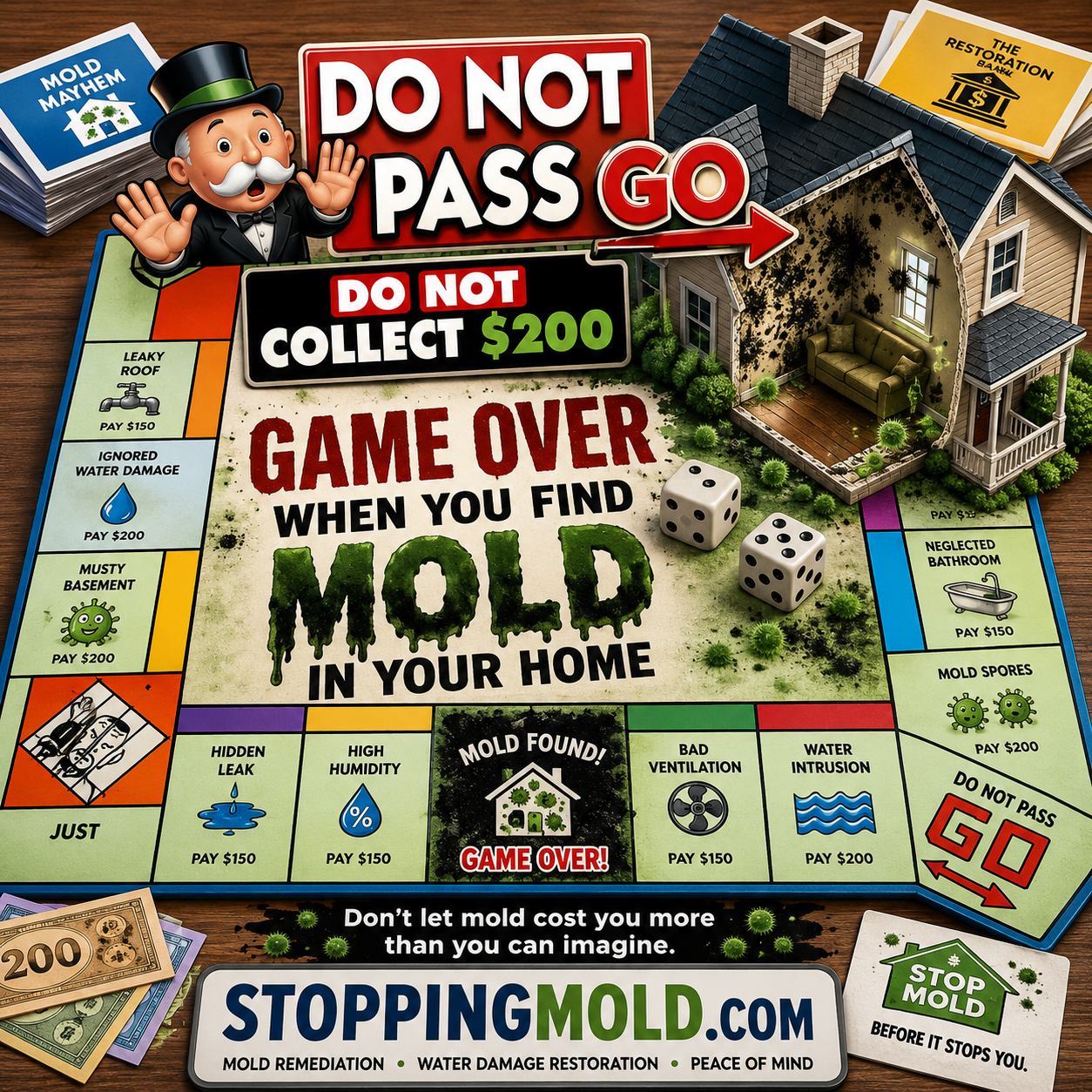
We don't just treat MOLD! We HUNT it, We UNDERSTAND it, We ELIMINATE it, so it COMPLETELY forgets your address!

Find a Home Restoration Company Located in St. Mary's County, MD, Servicing All of Southern Maryland
Dealing with water, fire, or mold damage is STRESSFUL. We offer hassle-free, certified home restoration with honest service and transparent pricing. As a local team located in Great Mills, MD, and servicing all of Maryland, we’re dedicated to lasting results and supporting our community.


See What Local Can Do for You
Our team brings more than just credentials; we’re your neighbors, and we truly care about every family and business we help. With IICRC, NADCA, and Mold Sanitizing Certifications, we offer restoration services you can trust for quality, safety, and reliability. We go above and beyond the typical 9-5 schedule, responding when you need us most. Every job is backed by our commitment to lasting results and honest, transparent pricing.
As a locally owned business, we’re proud to live and work in the same community we serve, and we give back by supporting local charities after every project, helping make a difference in the lives of families. Once your job is completed, we will donate a portion of your payment to Tunnels to Towers in your name, further honoring heroes and giving back through your support.
Our solutions are proven and tailored to your needs, and your satisfaction always comes first. Choose Home Services Restoration, LLC, for a personal, dedicated approach to restoration that puts you at ease from start to finish.
To say Thank You, for your service...
MILITARY & FIRST RESPONDER DISCOUNT AVAILABLE!

MOLD MAN BOB CLEANS YOUR HOME AND TAKES THE GROSS STUFF WITH HIM!
Trusted Restoration and Remodeling Solutions
Choose Home Services Restoration, LLC for certified home damage restoration and remodeling, supported by over 50 years of experience. We’re local, not a franchise, and give back to Tunnels to Towers after every job. Expect honest service, transparent pricing, and solutions tailored to your needs.
Full-Service Restoration and Remodeling—All Under One Roof
We handle mold remediation with detailed assessment and safe removal, including crawl space and attic services for hard-to-reach areas. Our remodeling services range from kitchen updates to flooring and drywall repairs. We tackle water damage and mitigation ensuring thorough clean-up and repairs. Our team offers certified dehumidification, foundation crack repair, foundation wall straps, structural repairs, air duct cleaning, and indoor air quality testing. Every service is delivered by certified professionals who treat your property with respect and care.
Understanding Your Storm Insurance Coverage: What Most Homeowners Miss
Not all storm damage is treated equally by insurers — and the gaps in coverage can be costly. Standard homeowners policies typically cover wind and hail damage, but flood damage from storm surge or heavy rainfall is usually excluded and requires a separate NFIP (National Flood Insurance Program) policy. If your home has sustained roof damage, know that insurers distinguish between "sudden storm damage" (covered) and pre-existing wear that a storm worsened (often disputed). Before your adjuster arrives, pull out your declarations page and look specifically for your named-peril vs. open-peril coverage type, your wind/hail deductible (which is often a percentage of your home's value, not a flat dollar amount), and any exclusions tied to detached structures, fencing, or landscaping.

How to Work the Adjuster Process in Your Favor
The insurance adjuster works for your insurer — not for you. That doesn't mean they'll act in bad faith, but it does mean you should come prepared. Here's how to strengthen your position:
Get your own estimate first. Before the adjuster visits, contact a licensed local contractor (like our team at Home Services Restoration) to do a walkthrough. Having an independent scope of work in hand gives you a reference point if the adjuster's estimate comes in low.
Don't accept the first offer as final. If you believe the initial settlement undervalues your damage, you have the right to dispute it. Request a written explanation of how the estimate was calculated, then respond in writing with your supporting documentation.
Consider a public adjuster for complex claims. For significant structural damage — roof collapses, foundation issues, or widespread interior damage — a licensed public adjuster advocates exclusively on your behalf. They typically charge 10–15% of the final settlement, which can be well worth it on large claims.
Know your deadlines. Most policies require you to report damage and file a proof of loss within a specific window (often 60–180 days). Missing these deadlines can jeopardize your entire claim.
Maryland-Specific Storm Insurance: What Local Homeowners Should Know
Maryland homeowners face a particular combination of storm risks — nor'easters, tropical storm remnants, and severe summer thunderstorms — that can complicate claims in ways that general insurance guides don't address.
A few things worth knowing for our service area:
Homes in low-lying areas of Anne Arundel, Calvert, Charles, and St. Mary's Counties may sit in FEMA flood zones where flood insurance isn't optional — it's required by your mortgage lender. If you're unsure of your zone, check FEMA's Flood Map Service Center before storm season.
Roof age matters significantly in Maryland. Many insurers now depreciate claim payouts based on roof age and condition, meaning a 15-year-old roof damaged in a storm may only be reimbursed at a fraction of replacement cost unless you carry replacement cost value (RCV) coverage rather than actual cash value (ACV).
Protecting Yourself from Post-Disaster Contractor Scams
After a major storm, unlicensed contractors and storm chasers descend on affected neighborhoods looking to take advantage of stressed homeowners. These operations often promise fast repairs at low prices — and then either disappear with a deposit or do substandard work that voids your insurance claim. Here's how to protect yourself:
Verify licensing before signing anything. In Maryland, all home improvement contractors must be licensed by the Maryland Home Improvement Commission (MHIC). You can verify any contractor's license at mhic.labor.maryland.gov. Home Services Restoration holds MHIC License
#143012
.
Never pay the full amount upfront. A reasonable deposit on a larger job is normal. Paying in full before work begins is not.
Be skeptical of anyone who "works directly with your insurance." Legitimate contractors can certainly help document damage and work alongside your adjuster — but any contractor who asks you to sign over your insurance benefits (an Assignment of Benefits) should raise a red flag.
Get everything in writing. Scope of work, materials, timeline, warranty terms, and total cost should all be in a signed contract before a single repair begins.
Frequently Asked Questions
Does my standard homeowners insurance cover storm damage in Maryland?
Most standard homeowners policies cover damage caused by wind, hail, and lightning. However, flooding caused by storm surge or heavy rainfall is typically not covered — that requires a separate flood insurance policy through FEMA's National Flood Insurance Program (NFIP). Always review your declarations page carefully to understand exactly what perils are named in your policy before storm season hits.
What's the difference between ACV and RCV coverage for storm damage?
Actual Cash Value (ACV) coverage pays out the depreciated value of damaged property — meaning if your roof is 15 years old, you'll receive significantly less than what a new roof costs. Replacement Cost Value (RCV) coverage pays what it actually costs to repair or replace the damaged item at today's prices. For Maryland homeowners, the difference can amount to thousands of dollars on a single storm claim, so it's worth confirming which type you carry.
How long do I have to file a storm damage insurance claim in Maryland?
Deadlines vary by insurer, but most policies require you to report damage promptly and submit a formal proof of loss within 60 to 180 days of the event. Waiting too long — even if the damage seems minor at first — can give your insurer grounds to deny the claim. Document everything immediately after the storm and contact your provider as soon as it's safe to do so.
Can I dispute my insurance adjuster's damage estimate?
Yes. If you believe the adjuster's estimate doesn't fully account for the damage, you have the right to dispute it. Start by requesting a written breakdown of how the figure was calculated. Then present your own documentation — photos, contractor estimates, receipts — to support a higher figure. For complex or high-value claims, hiring a licensed public adjuster can be worth the cost, as they negotiate on your behalf rather than on behalf of the insurer.
What is a public adjuster and do I need one?
A public adjuster is a licensed professional who represents you — not your insurance company — during the claims process. They assess your damage independently, prepare your claim documentation, and negotiate with the insurer on your behalf. They typically charge 10–15% of the final settlement. For straightforward claims, you may not need one. For large or disputed claims involving structural damage, roof replacement, or significant interior destruction, a public adjuster can often recover far more than their fee.
How do I know if a storm damage contractor is legitimate in Maryland?
All home improvement contractors in Maryland must hold a valid license issued by the Maryland Home Improvement Commission (MHIC). Before signing any contract, ask for the contractor's MHIC license number and verify it at mhic.labor.maryland.gov. Legitimate contractors will also provide a written contract with a full scope of work, avoid asking for full payment upfront, and carry proof of insurance. Home Services Restoration holds MHIC License #143012 and is IICRC certified.
My storm damage seems minor — should I still file a claim?
Not always — and it's worth thinking carefully before you do. Filing a claim can affect your premium or insurability, especially for smaller amounts that barely exceed your deductible. Have a licensed contractor assess the damage first so you have a realistic repair estimate. If the cost is close to your deductible, paying out of pocket may be the smarter long-term financial move. For significant structural or roof damage, filing is almost always the right call.