Structural Repair Specialist in Maryland: How to Protect Your Home

Share this article

A reliable structural repair specialist in Maryland is a licensed professional who identifies and remediates integrity issues in a building’s framework, such as sagging floor joists, foundation cracks, or shifting walls. These experts use specialized techniques like wall strapping and joist reinforcement to ensure your home remains safe, stable, and compliant with local building codes.

What does a structural repair specialist in Maryland do?

A structural repair specialist goes beyond simple aesthetic fixes. While a general handyman might patch a crack in your drywall, a specialist investigates why that crack appeared in the first place. In Maryland, particularly in the coastal and humid regions of Southern MD , structural issues are often symptoms of deeper problems like soil settlement, hydrostatic pressure, or long-term moisture exposure.

These professionals are trained to evaluate the load-bearing components of your home. This includes the foundation walls, the sill plate, floor joists, and the main support beams. A structural repair specialist in Maryland must understand the local geology—specifically how the clay-heavy soils of St. Marys County and Calvert County expand and contract. This movement exerts immense pressure on foundation walls, often leading to bowing or cracking.

Furthermore, these specialists often handle the intersection of moisture and structural integrity. Because structural damage is frequently preceded by water intrusion, a truly reliable specialist offers a holistic approach. They don't just fix the wood; they address the dehumidification and drainage issues that caused the rot or instability initially. This comprehensive service ensures that the repair is permanent rather than a temporary bandage on a recurring problem.

Common Structural Failures in Southern Maryland Homes

Southern Maryland presents a unique set of challenges for homeowners. The proximity to the Chesapeake Bay and the Potomac River means high water tables and significant humidity. Over time, these environmental factors can wreak havoc on a home’s skeleton. Identifying these failures early is key to preventing a total collapse or an incredibly expensive full-scale remodeling project.

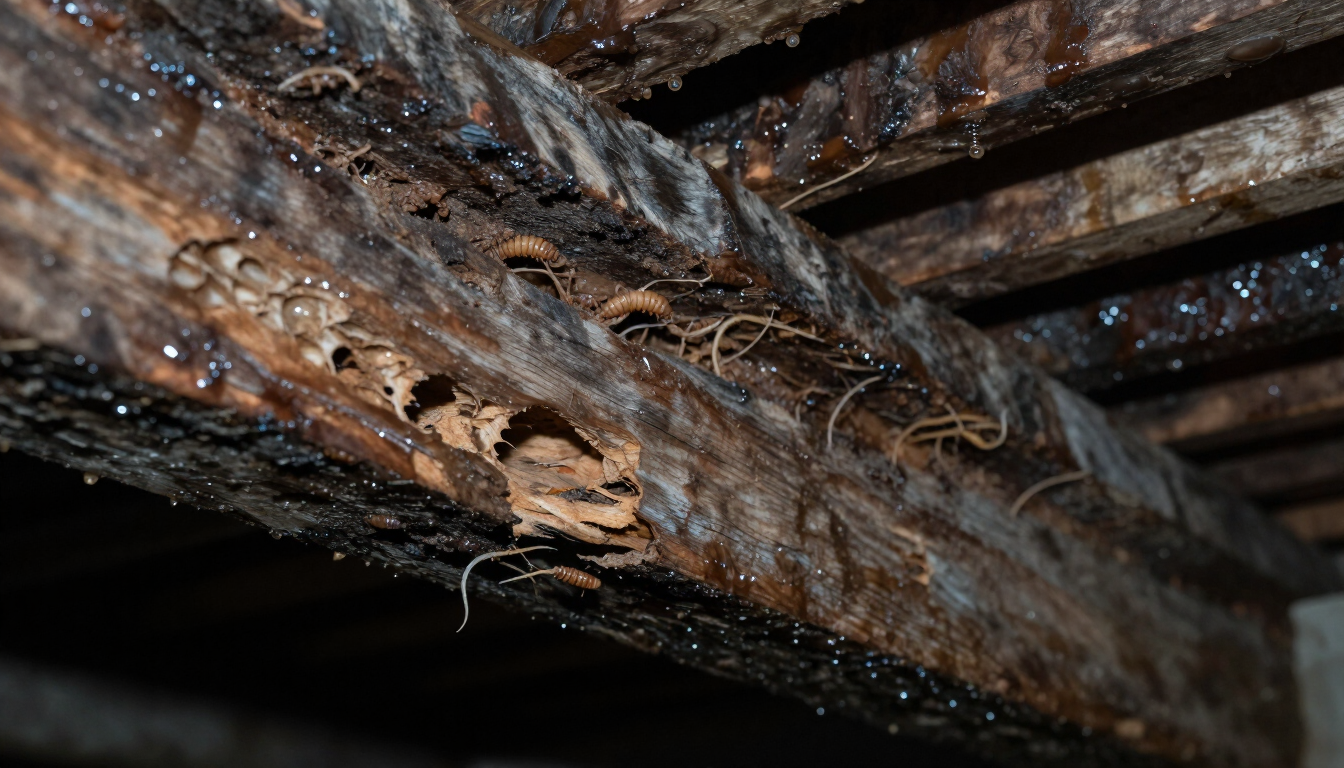
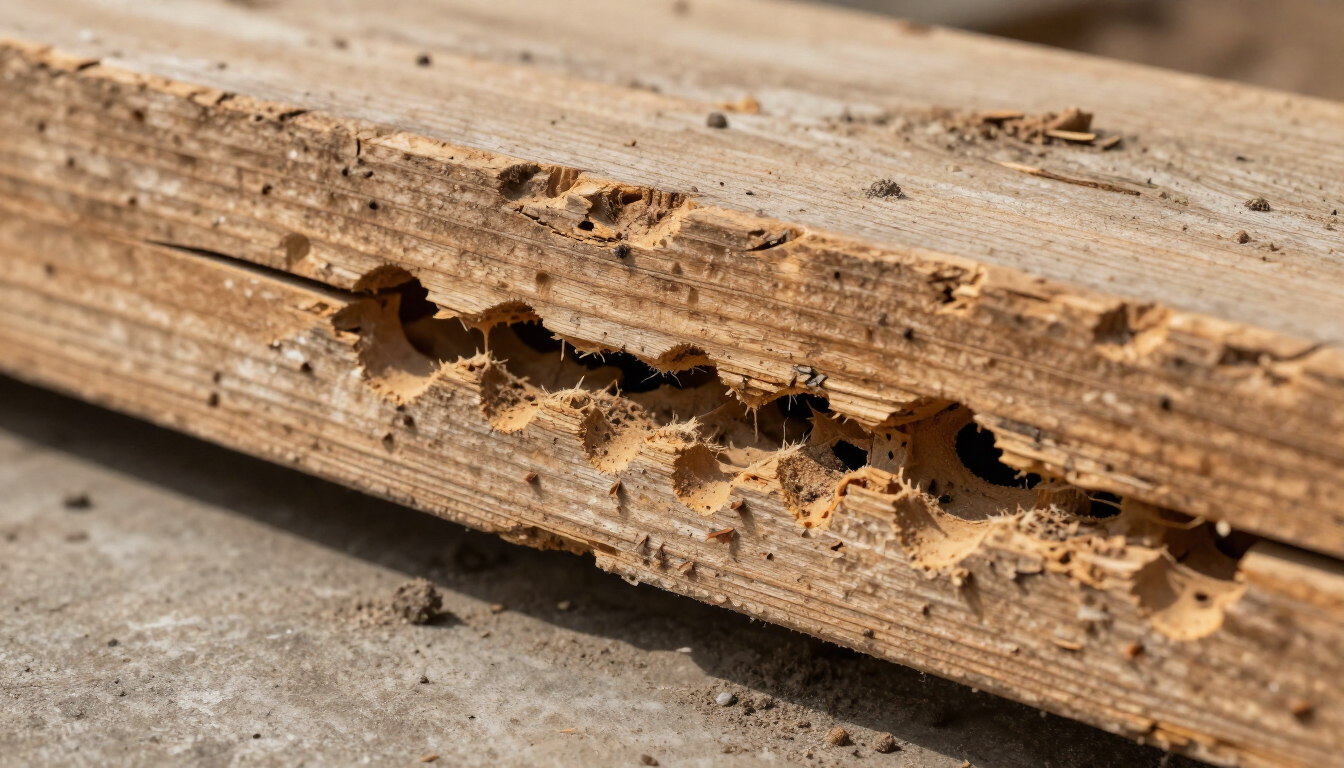
One of the most frequent issues we see is the failure of floor joists in crawl spaces. When a crawl space is not properly encapsulated, moisture levels rise, leading to wood rot. Sagging floors or "bouncy" spots in your living room are often the first signs that your joists are losing their load-bearing capacity. Specialists in joist repair will often "sister" new lumber to the old beams or install adjustable jack posts to level the floor.

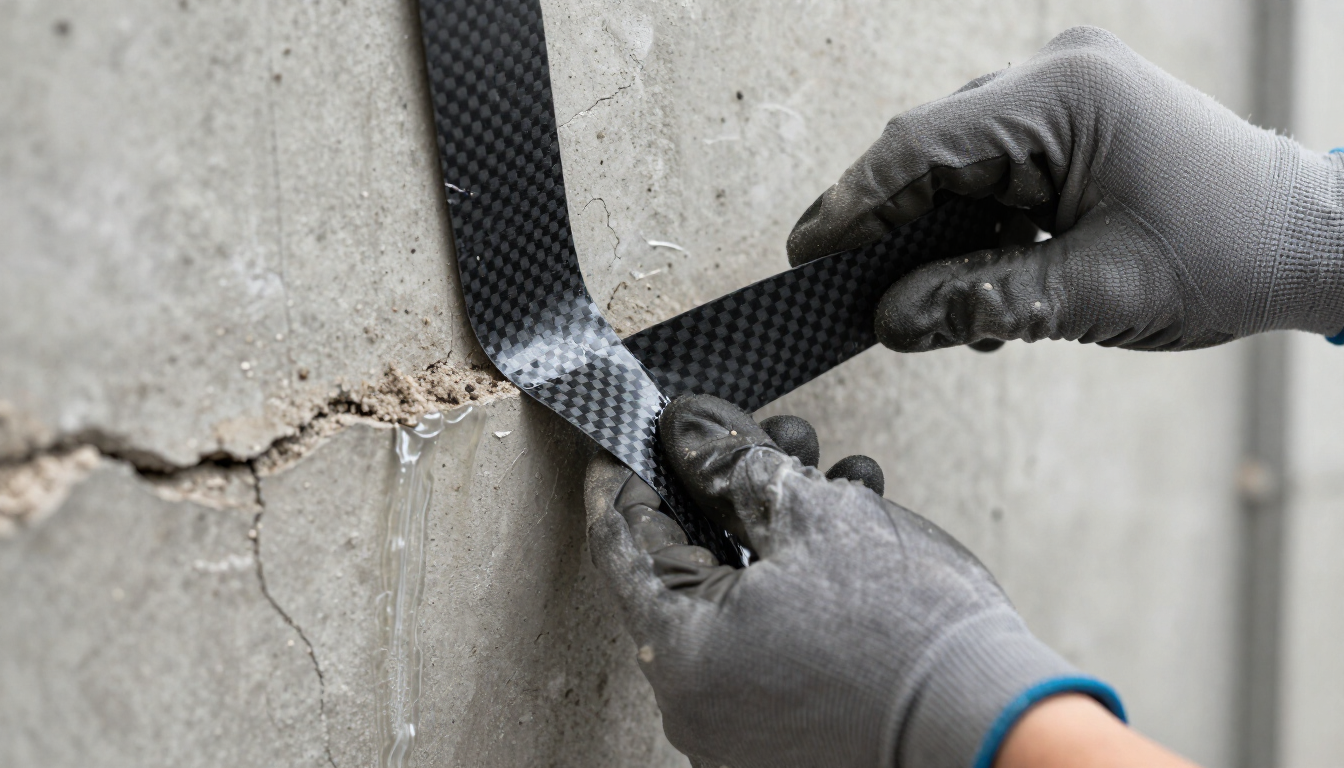
Another common failure involves the foundation walls. Hydrostatic pressure—the force of water-saturated soil pushing against your basement—can cause walls to bow inward. If left untreated, these walls can eventually shear at the base or collapse. This is where foundation wall repair becomes critical. By using carbon fiber straps or steel wall braces, a specialist can stabilize the wall and prevent further inward movement.

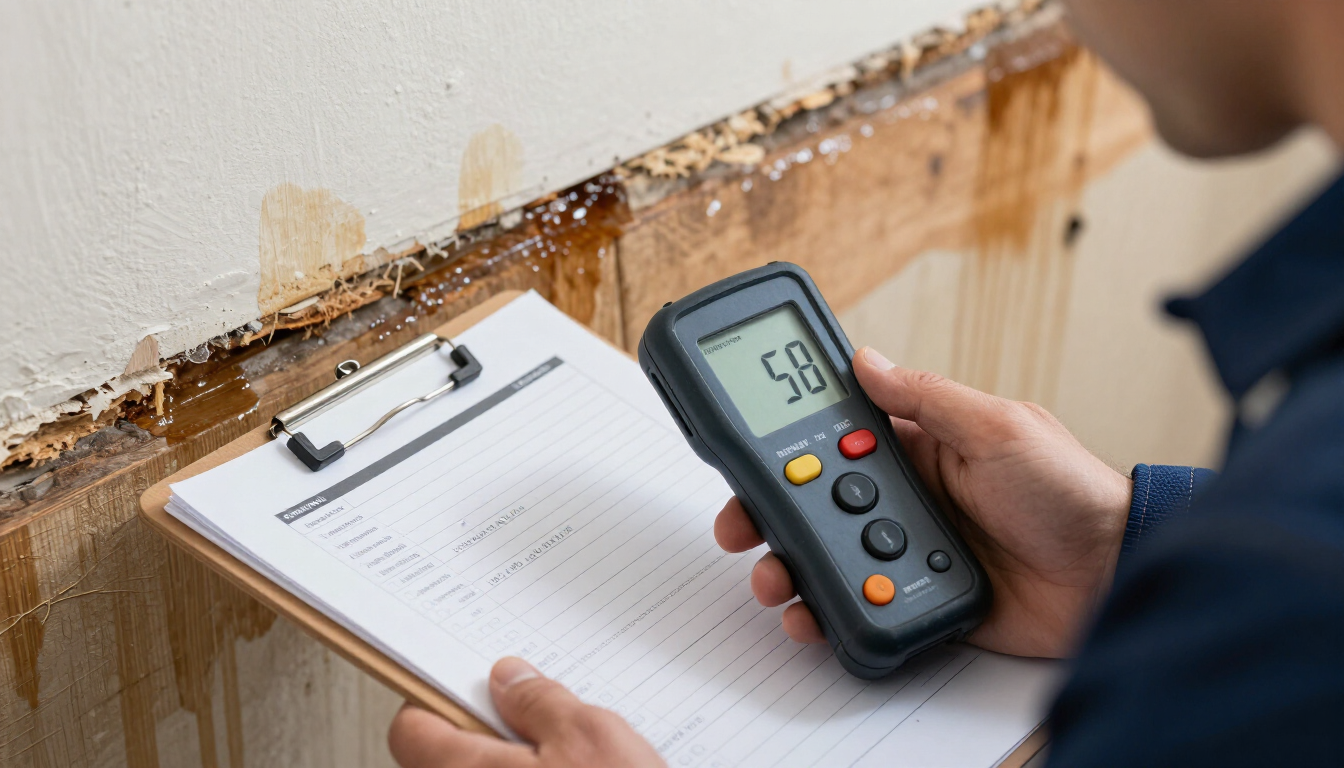
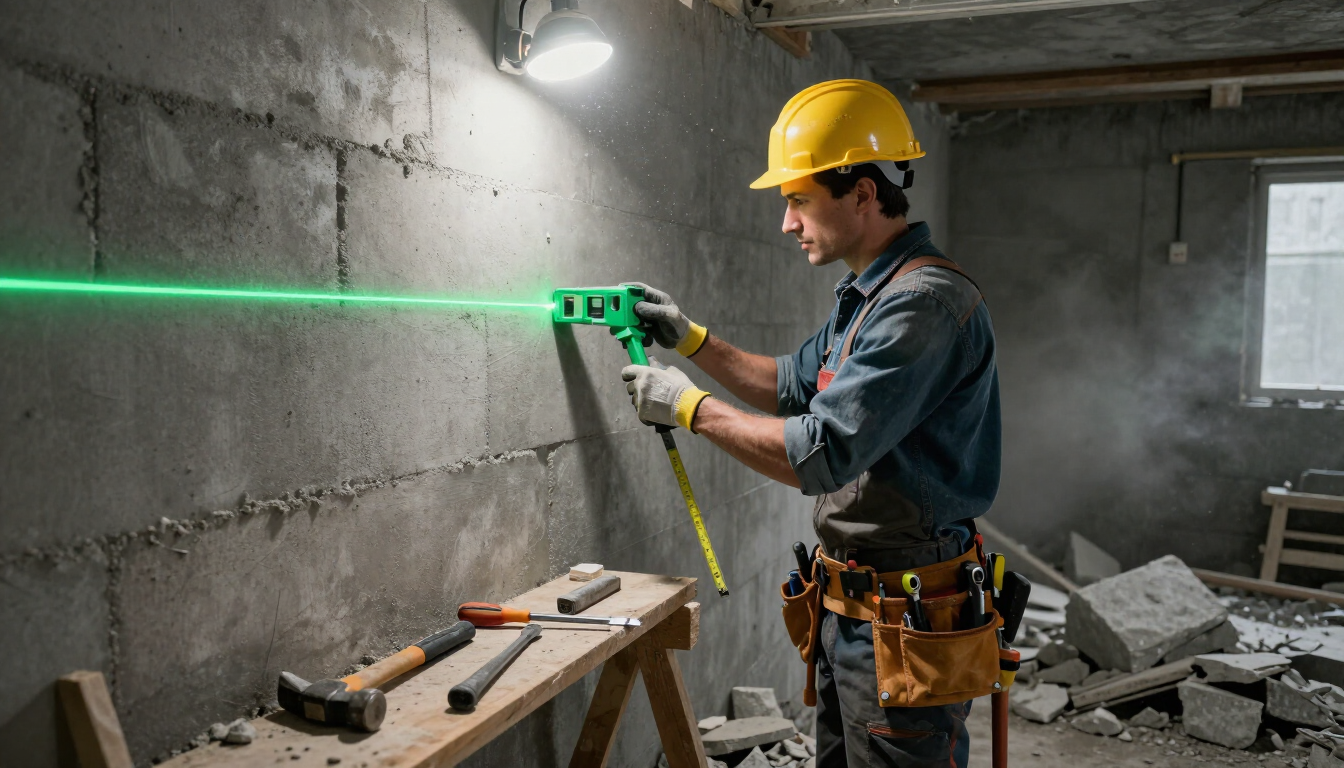
Professional contractor inspecting home foundation

When should you call a professional for structural repairs?

Knowing when to transition from a "DIY" mindset to calling a structural repair specialist in Maryland is vital for your safety. Many homeowners ignore small signs of distress, thinking they are just "settling" issues. However, in Maryland’s climate, settling often accelerates into structural failure. You should seek a professional evaluation if you notice any of the following:

  • Horizontal Foundation Cracks: Unlike vertical hair-line cracks which are often from shrinkage, horizontal cracks indicate significant soil pressure and potential wall failure.
  • Sticking Doors and Windows: When the frame of your house shifts, doors and windows will no longer align with their casings, making them difficult to open or close.
  • Gaps Between Walls and Ceilings: If you notice daylight or significant gaps appearing where the wall meets the ceiling, your foundation may be dropping.
  • Sloping or Bouncy Floors: This is a clear indicator of joist failure or a sinking interior support pier, often found in older homes in Charles County MD .
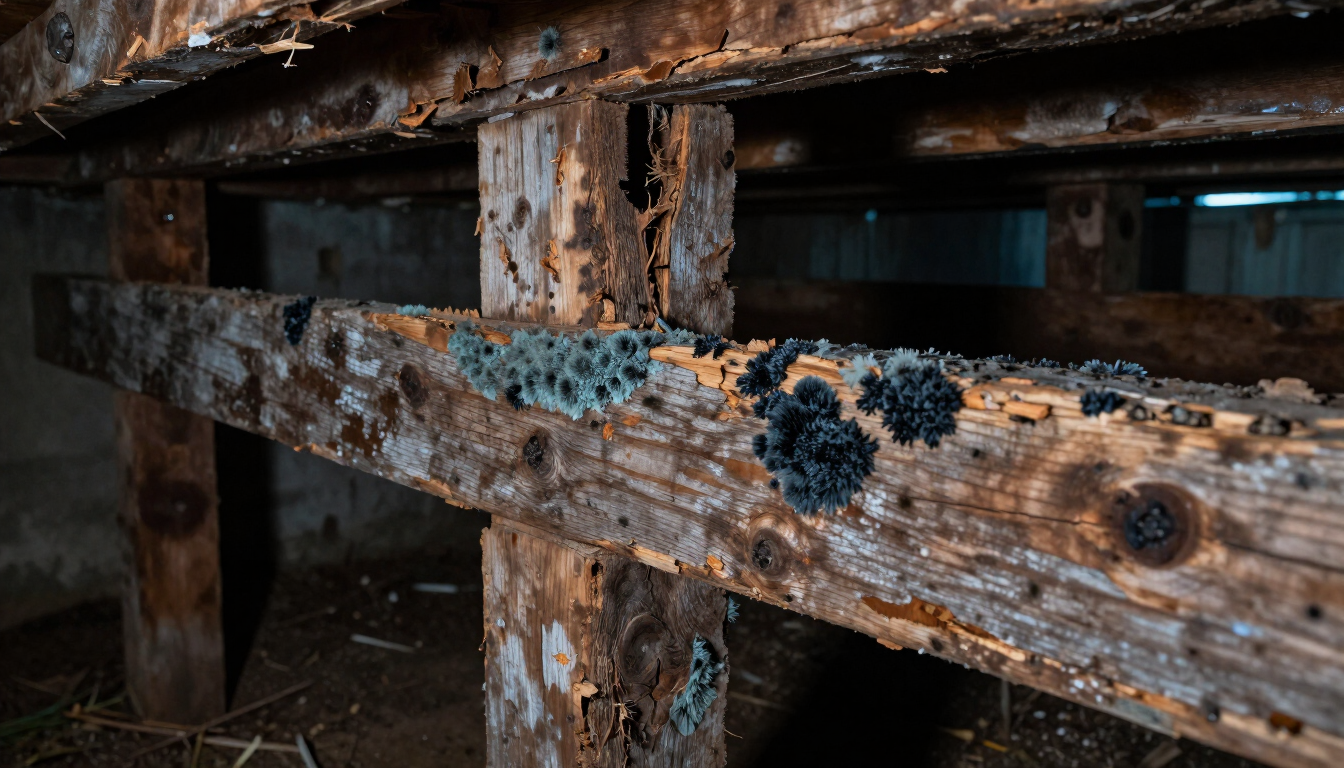
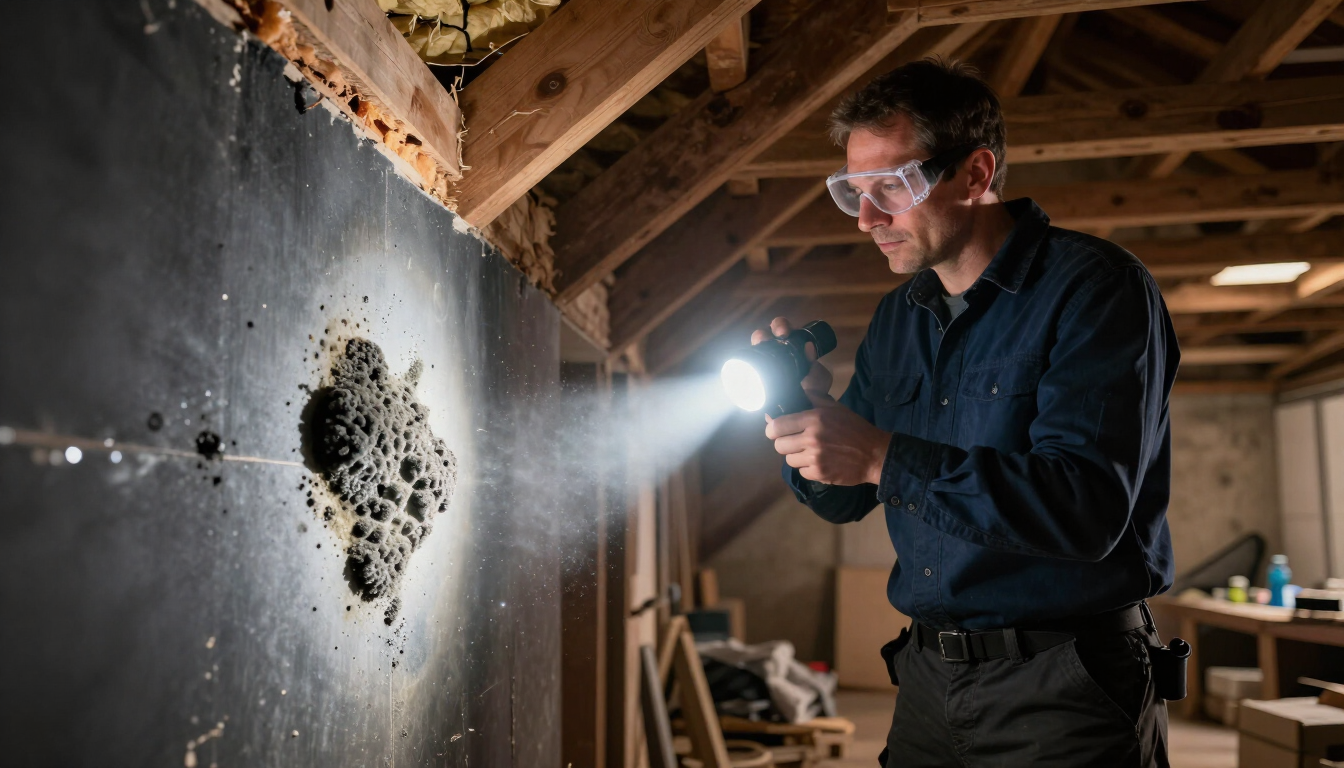
  • Visible Mold on Support Beams: Mold consumes organic material (wood), and if you see heavy growth, the structural integrity of that beam is likely compromised.

If you encounter any of these red flags, it is time to consult with a specialist who understands foundation crack repair . Early intervention can save tens of thousands of dollars in the long run by preventing the need for total foundation replacement.

The Importance of MHIC Licensing in Maryland

In the state of Maryland, any contractor performing home improvements, especially structural ones, must be licensed by the Maryland Home Improvement Commission (MHIC). This isn't just a bureaucratic hurdle; it is a vital protection for the homeowner. A company like Home Restoration Services, which holds MHIC #143012, is held to strict standards of professional conduct, insurance coverage, and technical competence.

Structural work is inherently risky. If a contractor improperly removes a load-bearing wall or installs a support pier incorrectly, the entire house could be at risk. A licensed structural repair specialist in Maryland carries the necessary liability insurance to protect your property during these complex procedures. Furthermore, the MHIC license ensures that the contractor is knowledgeable about the specific building codes required in Maryland, which vary significantly from other states.

Beyond just the legal requirement, an MHIC-licensed specialist provides a level of accountability. If a project is not completed to code or if the contractor disappears, the MHIC Guaranty Fund exists to protect consumers. When you hire an unlicensed "handyman" for structural work, you forfeit these protections and risk your home’s resale value, as unpermitted structural work must often be disclosed during a home sale.

Contractor installing carbon fiber wall straps

How do water and mold impact your home's structure?

Mold and water are the primary enemies of structural stability in Maryland. Many homeowners call us for mold remediation only to find that the mold has already weakened the subfloor and joists. This is because mold (specifically wood-decay fungi) literally eats the cellulose fibers that give wood its strength. Once those fibers are gone, the wood becomes brittle and "punky," losing its ability to hold weight.

Water damage acts as the catalyst. Whether it's a slow leak in a crawl space or a flash flood requiring water damage mitigation , moisture softens building materials. In Maryland, we often deal with "wicking," where moisture travels up from the dirt floor of a crawl space into the wooden framing. This constant dampness creates the perfect environment for structural rot.

To truly fix the structure, you must first fix the environment. A reliable specialist will recommend a combination of services to ensure the repair lasts:

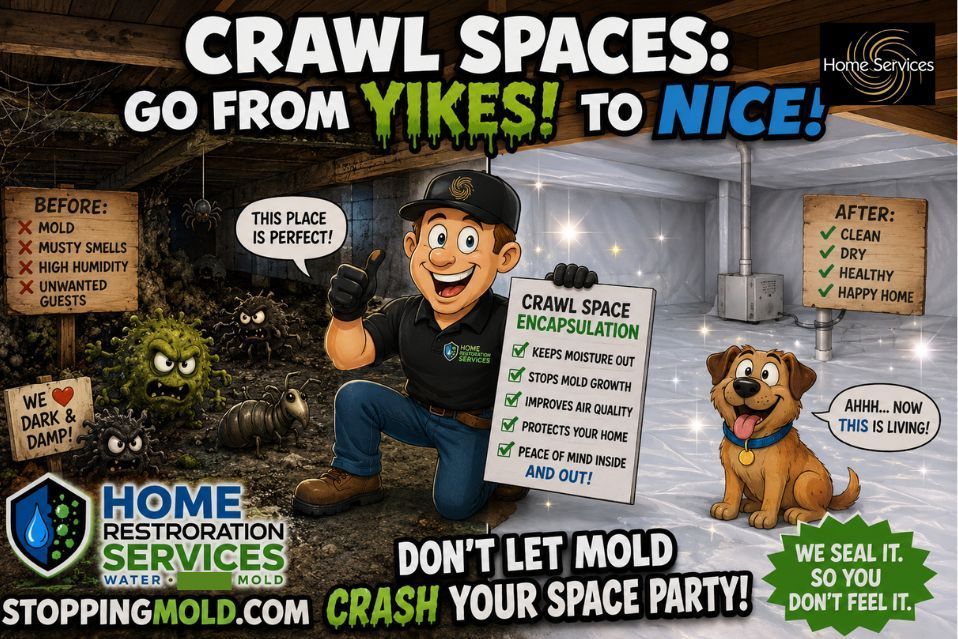
  1. Crawl Space Encapsulation: Sealing the space from outside moisture and soil gases.
  2. High-Capacity Dehumidification: Maintaining relative humidity below 50% to prevent wood-decay fungi growth.
  3. Sump Pump Installation: Actively removing groundwater before it can saturate the foundation.
  4. Grading and Drainage: Ensuring rainwater is diverted away from the foundation walls.
  5. Structural Reinforcement: Replacing or sistering the damaged wood once the environment is dry.

Innovative Structural Repair Techniques

The field of structural repair has evolved significantly over the last decade. Gone are the days when the only solution for a bowing wall was to excavate the entire exterior of the home. Today’s structural repair specialist in Maryland utilizes advanced materials that are stronger than steel and less invasive to install.

Carbon fiber strapping is a prime example. These straps are bonded directly to the foundation wall using a high-strength epoxy. Once cured, the carbon fiber is virtually unbreakable and prevents the wall from bowing further without taking up any floor space. This is a preferred method for finished basements where bulky steel beams would be unsightly.

For floor issues, the use of adjustable steel "SmartJacks" has revolutionized the industry. These piers are installed on a pre-cast concrete structural fill base, allowing for precise leveling of sagging floors. Unlike old-fashioned wooden posts, these steel supports do not rot or shift with moisture changes, providing a permanent solution to bouncy floors.

Summary: Key Takeaways for Maryland Homeowners

Maintaining the structural integrity of your home is a continuous process of monitoring and professional maintenance. If you live in Southern Maryland, the combination of coastal humidity and shifting soils makes your home particularly vulnerable to foundation and joist issues.

  • Act Early: Small cracks and slightly sloping floors are easier and cheaper to fix than total structural failures.
  • Verify Credentials: Always ensure your specialist holds a valid MHIC license and specializes specifically in structural restoration, not just general carpentry.
  • Address the Root Cause: Never repair structural wood without first addressing the moisture or mold issues that caused the damage.
  • Use Modern Materials: Inquire about carbon fiber and adjustable steel supports for long-lasting, minimally invasive repairs.
  • Consult Experts: If you are unsure about the safety of your home, contact a professional for a thorough inspection.

By choosing a qualified structural repair specialist in Maryland , you are not just fixing a house; you are protecting your family's safety and your most significant financial investment. Whether you need foundation crack repair or a full crawl space restoration, professional intervention is the only way to ensure your home stands strong for decades to come. Call Home Service Restoration Today!

Recent Posts

Mold growth near a water pipe and faucet aerator
June 25, 2026
Learn if mold can grow in your water pipes, how to spot the signs of contamination, and effective ways to ensure your home's water system remains safe and clean.
Professional home inspector checking for mold in an attic
June 25, 2026
Learn about the essential steps for mold remediation and inspection in Southern MD. Protect your home's structural integrity and your family's health with our expert guide.
Maryland structural remediation specialist inspecting a foundation.
June 25, 2026
Essential protocols for residential structural remediation in MD. Learn about MHIC standards, mold removal, and foundation repairs for Southern Maryland homes.
Professional water damage restoration technicians at work.
June 25, 2026
Learn how to evaluate professional water damage restoration services for structural drying and mitigation. Protect your Southern MD home from mold and decay with expert insights.
Professional mold testing equipment for indoor air quality analysis
June 25, 2026
Searching for professional mold testing services? Learn how to find reliable experts in Southern Maryland to protect your home's air quality and structural integrity.
Official professional certifications for home restoration and mold removal services.
June 9, 2026
Discover the essential home restoration certifications, including IICRC, NADCA, and MHIC, that ensure your home's safety and structural integrity after water or mold damage.
Licensed contractor inspecting home for structural repairs and mold restoration.
June 9, 2026
Discover why an MHIC license is vital for mold restoration. Home Restoration Services offers structural repairs, foundation sealing, and remodeling in Southern MD.
danger sign
By Deborah Naugle March 22, 2026
Understand the long-term dangers of mold damage. Learn how persistent growth impacts respiratory health, structural integrity, and the value of your property.
water restoration
By Deborah Naugle March 22, 2026
Learn how to choose the right water damage restoration company. Discover essential tips for vetting professionals to ensure your home is dried and mold-free.
mold spore
By Deborah Naugle March 22, 2026
Learn the basics of mold restoration with our beginner's guide. Discover how to identify infestations, follow safety steps, and restore your home's air quality.
Show More