
Wood Destroying Insects Foundation Damage: 5 Signs

Share this article

Wood-destroying insects ruin foundations by consuming the critical wooden components—such as sill plates and floor joists—that anchor a home to its concrete base. This internal hollowout causes structural sagging, uneven floors, and eventual collapse, requiring professional extermination and specialized structural repairs to restore safety and home value.

What are the most common wood-destroying insects in Maryland?

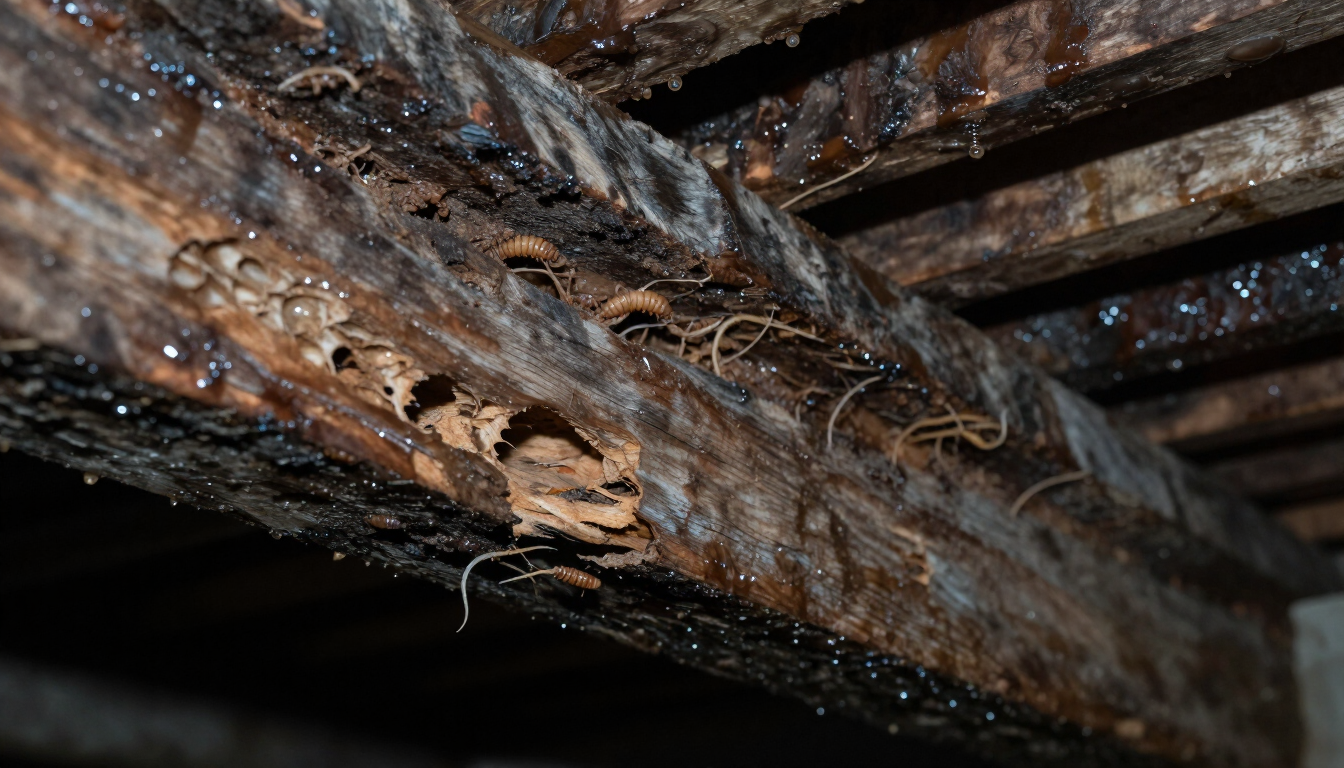
In the humid climate of Southern Maryland, several species of wood-destroying insects (WDI) pose a significant threat to residential structures. Understanding these pests is the first step in protecting your property. The most notorious offender is the subterranean termite, which lives in the soil and builds elaborate mud tubes to access the wood in your home. These termites are particularly dangerous because they remain hidden behind drywall or inside the wood itself, often going undetected for years while they systematically weaken your foundation.

Beyond termites, carpenter ants are a major concern for homeowners in St. Mary’s and Calvert counties. Unlike termites, carpenter ants do not eat the wood; instead, they excavate galleries within the timber to build their nests. While they don't consume the material, the extensive tunneling can be just as structurally devastating, especially if they target load-bearing beams or rim joists that have been softened by moisture or mold growth .

Other notable insects include:

  • Powderpost Beetles: Their larvae bore through seasoned wood, turning it into a fine, flour-like powder.
  • Old House Borers: These beetles prefer softwoods like pine and can cause significant damage to newer construction.
  • Carpenter Bees: These insects drill perfectly circular holes into exterior wood to lay eggs, creating moisture entry points.

While each insect behaves differently, they all share a common goal: utilizing the wooden skeleton of your home for shelter or sustenance. In areas like Southern MD, where moisture levels are high, these pests find the perfect environment to thrive, often working in tandem with wood-decay fungi to accelerate the destruction of your structural repairs .

Insect Damage to Wood

Identifying Wood Destroying Insects Foundation Damage Early

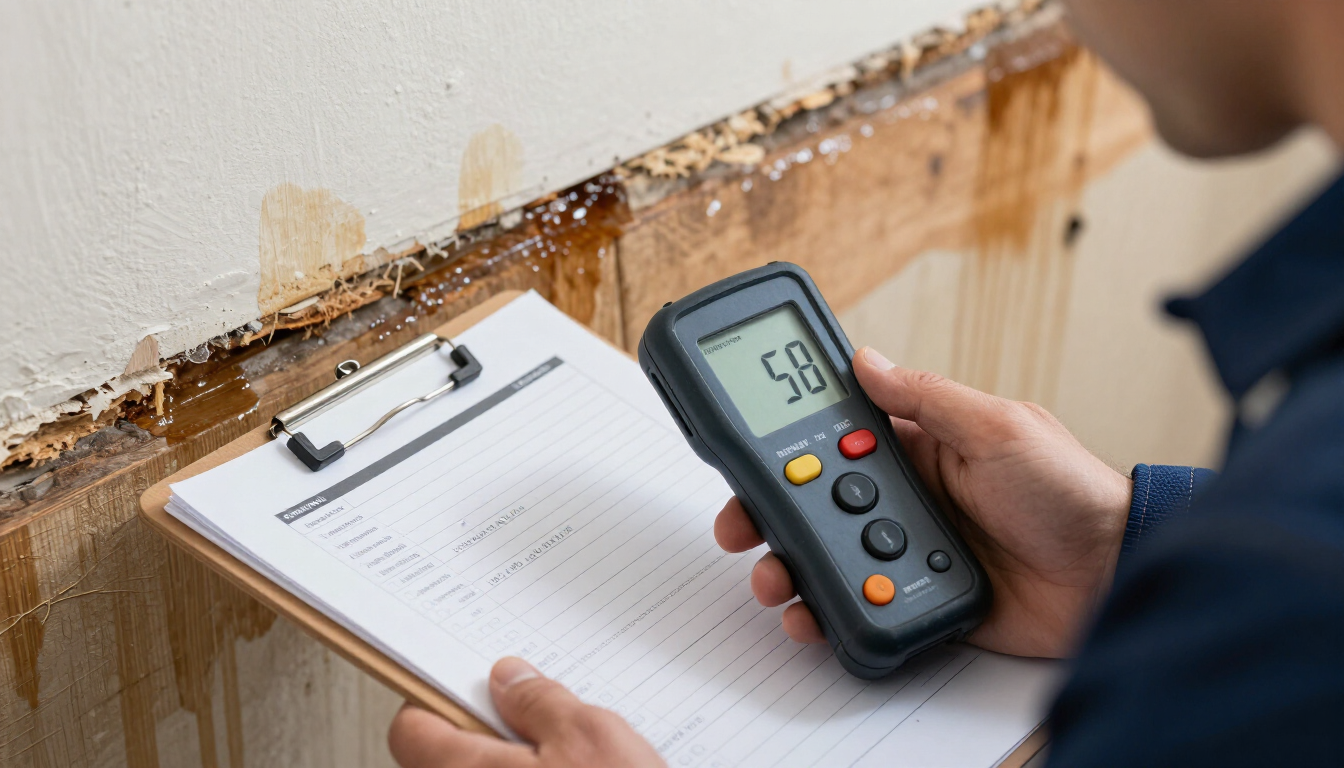
The difficulty with wood-destroying insects is that the damage is often invisible to the naked eye until it reaches a critical stage. Most people don't realize their foundation is at risk until they notice a soft spot in the floor or a door that no longer closes properly. However, there are subtle clues that indicate your foundation’s wood components are being compromised.

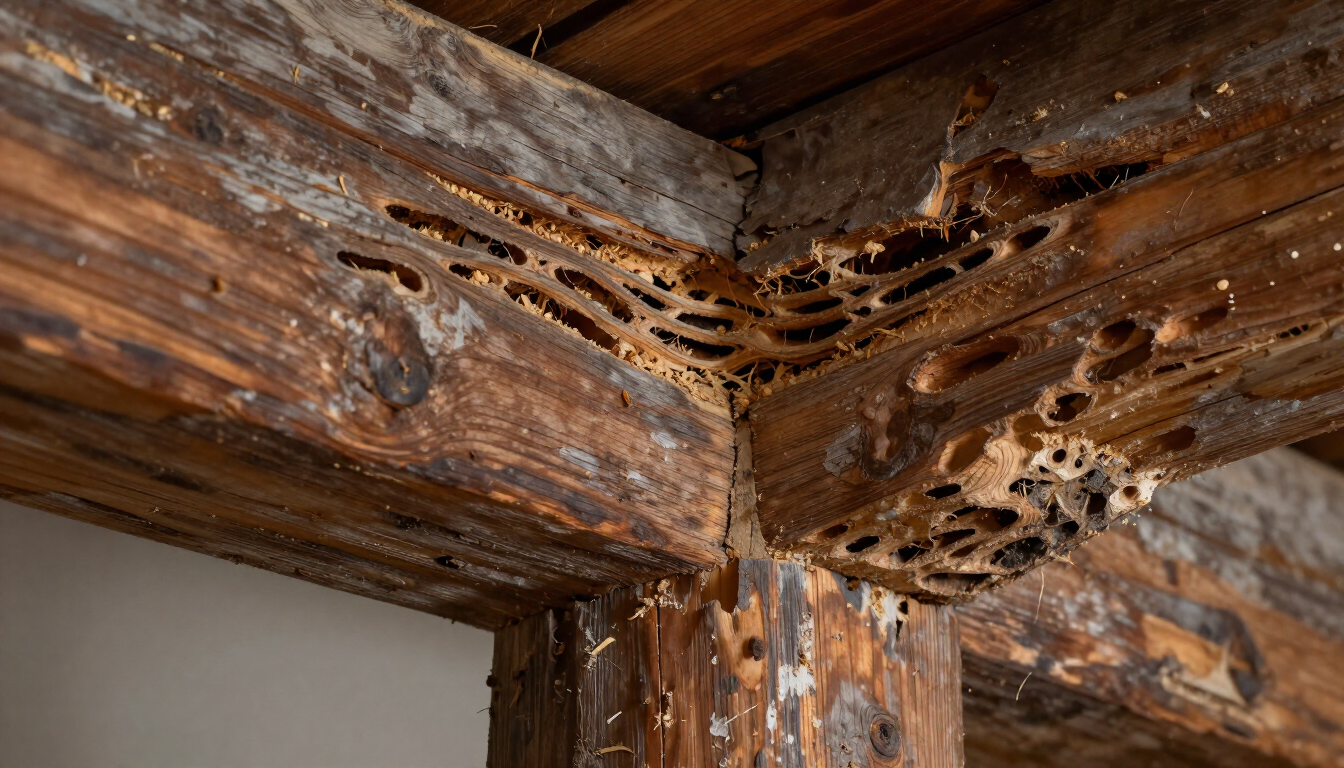
One of the most telling signs is the presence of "frass," which is a mixture of wood shavings and insect excrement that looks like fine sawdust. You might find small piles of frass near the baseboards in your basement or along the edge of your crawl space. Additionally, keep an eye out for discarded wings near windowsills or doors, which often signal that a termite swarm has occurred nearby, indicating an established colony is actively feeding on your home.

Another critical area to inspect is the sill plate. This is the horizontal piece of lumber that sits directly on top of the foundation wall. Because it is the closest wood to the ground, it is the primary entry point for termites. If you can push a screwdriver easily into the sill plate or if it sounds hollow when tapped with a hammer, you are likely dealing with significant wood destroying insects foundation damage . Addressing this early through foundation crack repair and proper extermination is vital to prevent the need for a total rebuild.

How do insects compromise the structural integrity of a foundation?

To understand how insects ruin a foundation, you have to look at the physics of your home's construction. Your house is a heavy structure that relies on a continuous load path to transfer weight from the roof, through the walls, and down into the foundation. The wood-to-foundation interface is the most vulnerable link in this chain. When termites or beetles eat through the sill plate or the ends of the floor joists, they create gaps in that load path.

As the wood is hollowed out, it loses its compressive strength. Under the weight of the house, the damaged wood begins to crush or "pancake." This leads to several structural failures:

  • Sagging Floor Joists: When the ends of the joists rot or are eaten, they can no longer support the floor, leading to a bouncy or sloped feel.
  • Wall Settlement: If the sill plate fails, the entire exterior wall can drop an inch or more, causing drywall cracks and sticking windows.
  • Foundation Separation: Insects often enter through cracks in the concrete; as they destroy the wood, the connection between the frame and the slab weakens.

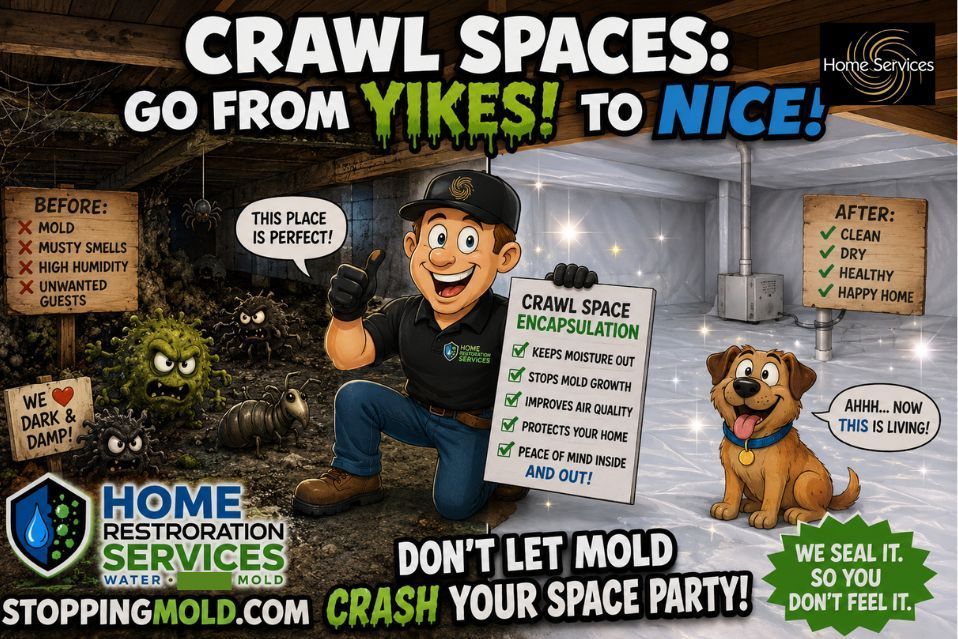
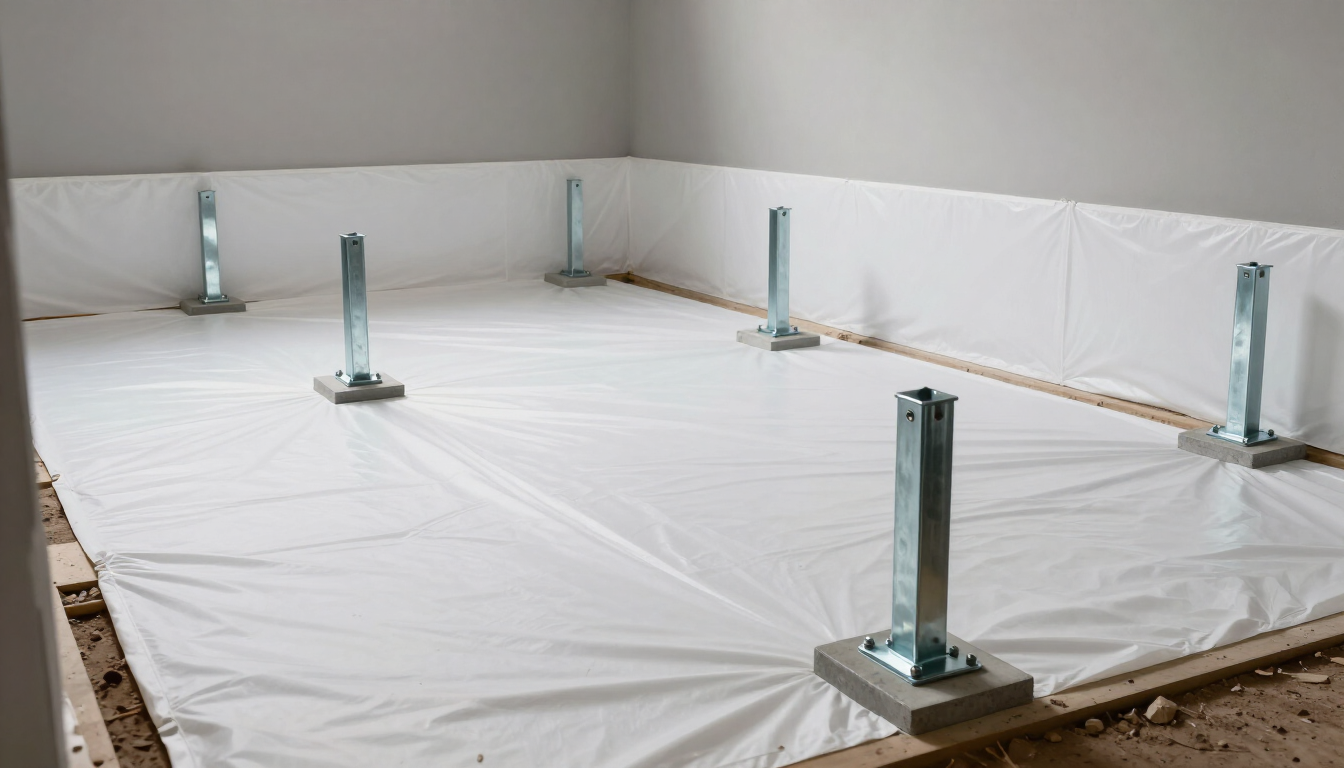
This type of damage is particularly prevalent in homes with crawl spaces. If your crawl space is not properly managed, the wood remains damp, making it an irresistible target for pests. We often recommend crawl space encapsulation as a preventative measure. By controlling the humidity and sealing off the earth, you remove the moisture that attracts these insects and the conditions that lead to joist repair needs.

Foundation Structural Support

The Vital Link Between Moisture and Insect Infestations

It is almost impossible to talk about wood-destroying insects without talking about water. Termites and carpenter ants are highly attracted to damp wood because it is easier to chew and provides the hydration they need to survive. In Southern Maryland, the high water table and frequent rain often lead to moisture accumulation in basements and crawl spaces. This moisture doesn't just cause water damage ; it acts as a beacon for every pest in the neighborhood.

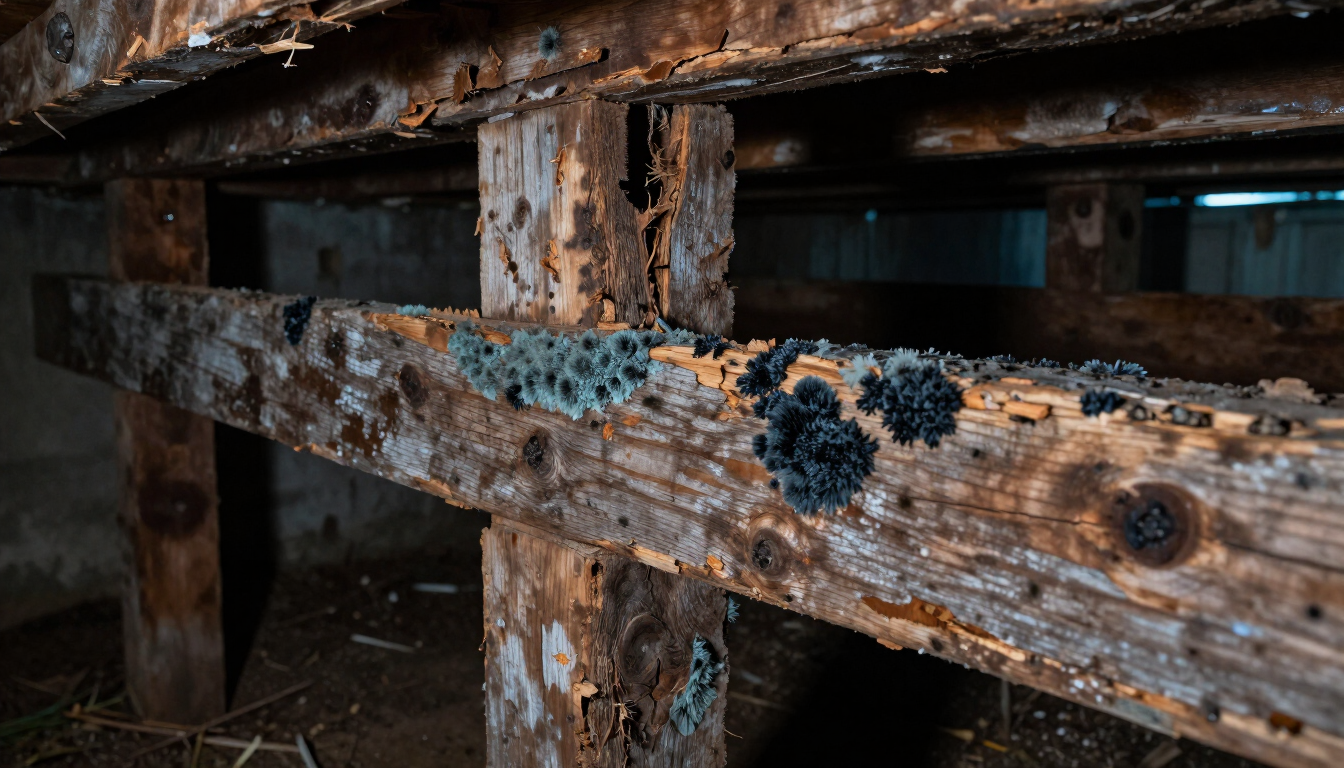
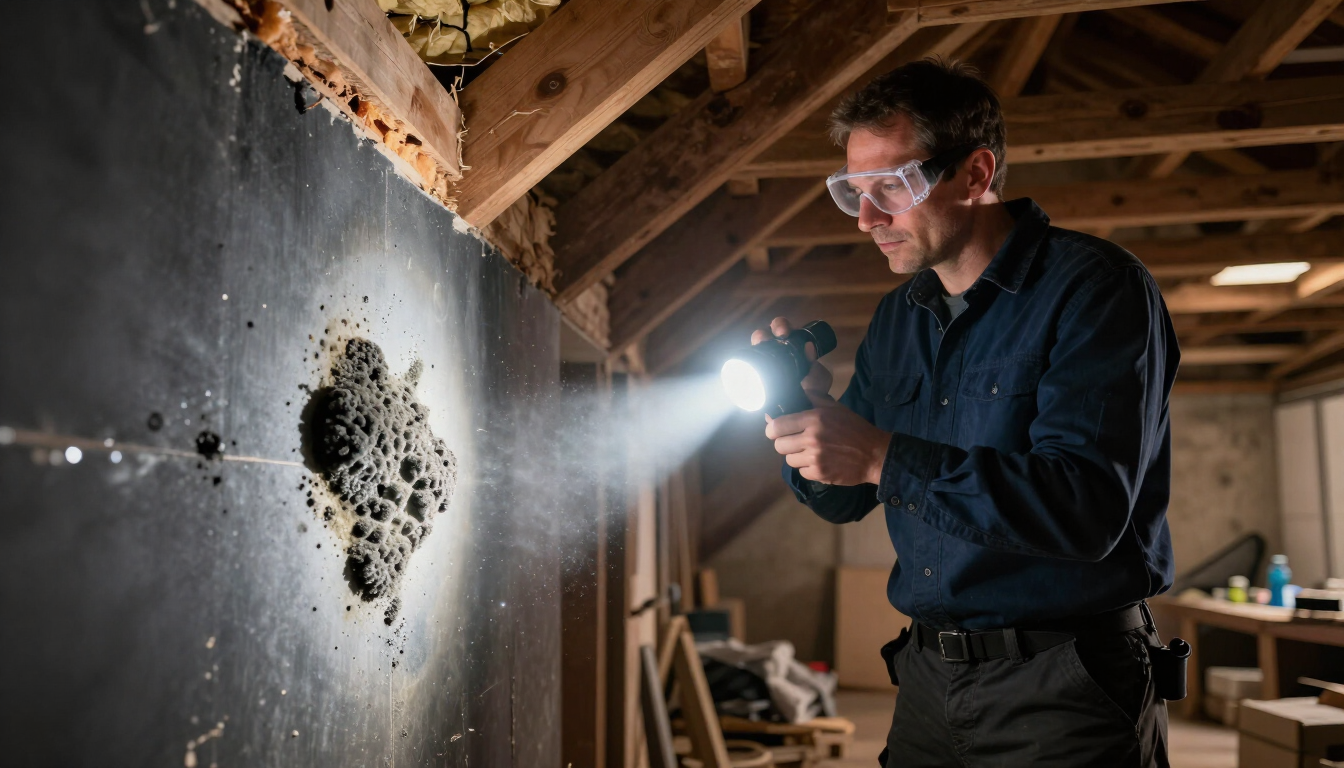
When water seeps through foundation cracks, it saturates the surrounding wood. This leads to a secondary problem: wood-decaying fungi. Many wood-destroying insects actually prefer wood that has already been partially broken down by mold or rot. This create a "double whammy" for your foundation—the fungi eat the cellulose, and the insects follow to finish the job. If you have noticed musty odors or visible mold, it is highly likely that an insect inspection should be your next step.

Our team often finds that dehumidification is one of the most effective tools in a long-term pest management strategy. By keeping the air dry and the wood moisture content low, you make your home a hostile environment for pests. If you ignore the moisture, even the best extermination services will only provide temporary relief, as a new colony will eventually find its way back to your damp foundation.

Why Professional Extermination is Non-Negotiable

Many homeowners attempt to solve an insect problem with over-the-counter sprays or DIY bait stations. While these might kill a few visible bugs, they rarely reach the heart of the colony, which is often deep underground or buried inside the foundation's structural members. Professional extermination is required because experts have access to industrial-grade termiticides and specialized equipment that can inject treatments directly into the soil or the wood itself.

Furthermore, a professional knows the biology of the pests. They can identify the difference between a minor ant problem and a massive subterranean termite infestation that requires soil trenching or perimeter barriers. In the context of foundation health, a missed colony can mean the difference between a simple treatment and a $20,000 structural repair bill. Professionals also provide the documentation often required by mortgage companies and insurance providers during a home sale in Maryland .

At Home Restoration Services, we take the process a step further. Because we hold an MHIC license (#143012), we don't just stop at killing the bugs. Most pest control companies will kill the termites but leave the hollowed-out, dangerous wood in place. We provide a comprehensive solution that includes:

  1. Professional Extermination: Killing the active colony and creating a chemical barrier.
  2. Structural Assessment: Identifying every beam and joist that has lost its integrity.
  3. Advanced Repairs: Installing structural wall straps or replacing sill plates to stabilize the home.
  4. Moisture Control: Implementing water damage solutions to prevent a recurrence.

Restoring Your Home After Structural Insect Damage

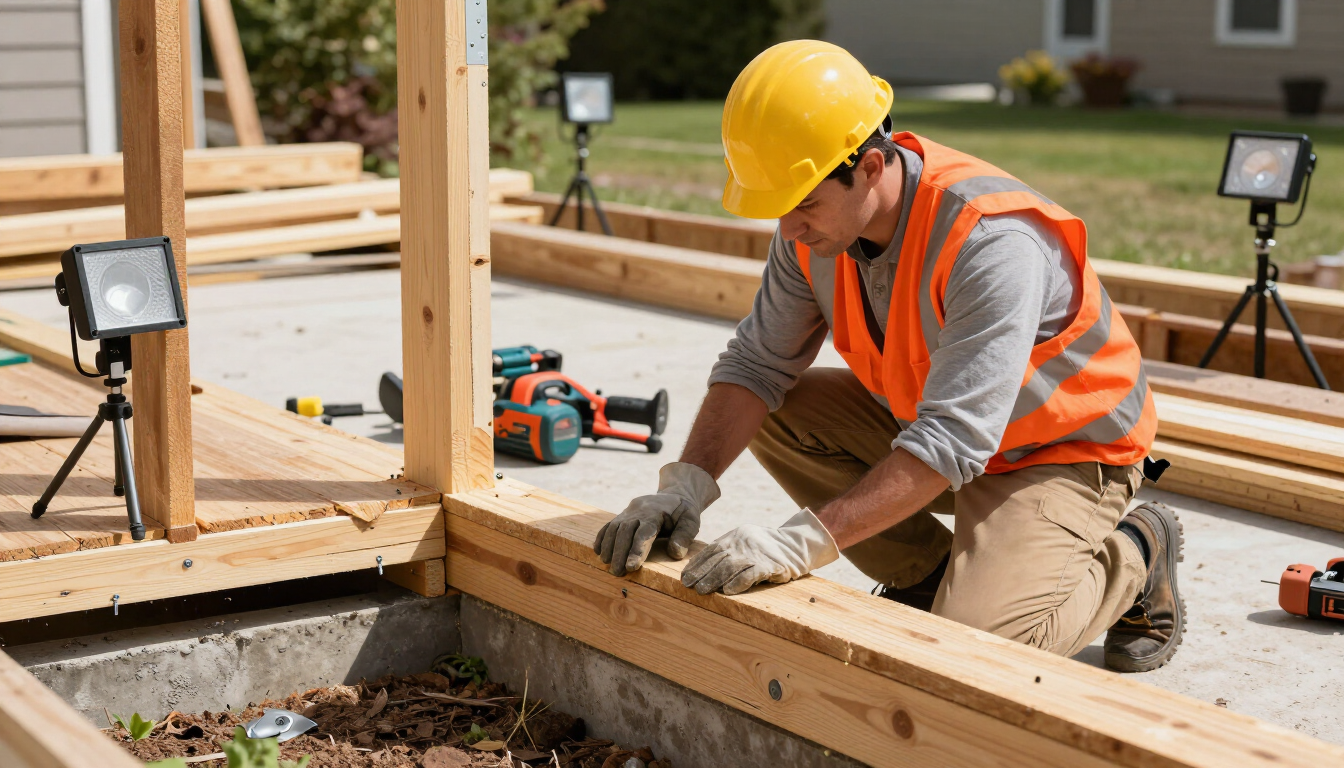
Once the insects are gone, the real work of restoration begins. Repairing an insect-damaged foundation is a complex engineering task. It often involves "jacking" the house—using hydraulic lifts to slightly raise the floor and take the pressure off the damaged wood. This allows our team to remove the crumbling sill plates or joists and replace them with pressure-treated lumber that is resistant to future attacks.

In some cases, the damage to the foundation walls themselves must be addressed. If insects have used foundation cracks as highways, those cracks need to be sealed with high-strength epoxy or polyurethane to prevent future entry. For walls that have begun to bow due to the loss of top-down pressure, we might install structural wall straps to pull the foundation back into alignment and lock it in place. This holistic approach ensures that your home is not just "pest-free" but truly "structurally sound."

If the damage was extensive, you might even consider this an opportunity for remodeling . Since we have to open up walls and floors to reach the structural elements, many of our clients in St. Mary’s and Charles County choose to upgrade their basement or crawl space during the repair process. This turns a negative situation into an investment in their property's future.

Professional Foundation Repair

Conclusion: How to Protect Your Foundation Long-Term

Wood-destroying insects are a silent but devastating threat to Maryland foundations, capable of turning solid support structures into brittle shells. To protect your home, you must address both the pests and the environmental conditions that attract them. This requires a combination of professional extermination, moisture management, and expert structural repair.

Key Takeaways for Homeowners:

  • Act Fast: If you see mud tubes, frass, or sagging floors, contact a professional immediately.
  • Control Moisture: Use dehumidification and encapsulation to make wood less attractive to pests.
  • Repair Correctly: Ensure repairs are handled by an MHIC-licensed professional who understands load-bearing structures.
  • Schedule Inspections: Annual inspections in Southern MD are the best defense against long-term foundation ruin.

Don't let wood-destroying insects undermine the safety of your family. If you suspect an infestation or need to repair existing damage, contact us today to evaluate your foundation and restore your home's integrity.

Recent Posts

Hidden toxic mold discovered behind a wall during a professional home inspection in Maryland.
August 4, 2026
Discover the common hiding spots for toxic mold in Southern MD homes. Learn about detection, remediation, and structural repairs from licensed experts.
Close up of toxic mold growth on a damp basement wall structure
August 3, 2026
Discover the most common places toxic mold hides in your home, from crawl spaces to wall cavities. Learn how Home Restoration Services identifies and removes mold to protect your Southern Maryland home.

Local home restoration services team working on a Maryland property.
July 10, 2026
Learn why local home restoration services in Southern MD offer more than just repairs. Discover our community focus and partnership with Tunnel to Towers.
Mold growth near a water pipe and faucet aerator
June 25, 2026
Learn if mold can grow in your water pipes, how to spot the signs of contamination, and effective ways to ensure your home's water system remains safe and clean.

Professional home inspector checking for mold in an attic
June 25, 2026
Learn about the essential steps for mold remediation and inspection in Southern MD. Protect your home's structural integrity and your family's health with our expert guide.
Maryland structural remediation specialist inspecting a foundation.
June 25, 2026
Essential protocols for residential structural remediation in MD. Learn about MHIC standards, mold removal, and foundation repairs for Southern Maryland homes.
Contractor inspecting home foundation for structural integrity.
June 25, 2026
Looking for a reliable structural repair specialist in Maryland? Learn how to identify foundation issues, sagging joists, and why MHIC licensing is crucial for your home's safety and longevity.
Professional water damage restoration technicians at work.
June 25, 2026
Learn how to evaluate professional water damage restoration services for structural drying and mitigation. Protect your Southern MD home from mold and decay with expert insights.
Professional mold testing equipment for indoor air quality analysis
June 25, 2026
Searching for professional mold testing services? Learn how to find reliable experts in Southern Maryland to protect your home's air quality and structural integrity.
Official professional certifications for home restoration and mold removal services.
June 9, 2026
Discover the essential home restoration certifications, including IICRC, NADCA, and MHIC, that ensure your home's safety and structural integrity after water or mold damage.
Show More