
Can Mold Grow in Water Pipes? (How to Fix It)

Share this article

Yes, mold can grow in water pipes, primarily by feeding on the organic matter found in biofilms. While chlorine in treated water usually prevents growth, mold thrives in stagnant water, aerators, and pipes with heavy mineral buildup. It often appears as dark spots, slimy residue, or causes a musty odor.

Can mold grow in water pipes under normal conditions?

While most homeowners worry about mold on their drywall or in their basement, the idea of mold growing inside the very pipes that deliver drinking water is particularly unsettling. Under normal conditions, treated municipal water contains chlorine or chloramine, which are specifically added to kill pathogens, including mold spores. However, the plumbing system is complex, and there are several scenarios where these defenses fail.

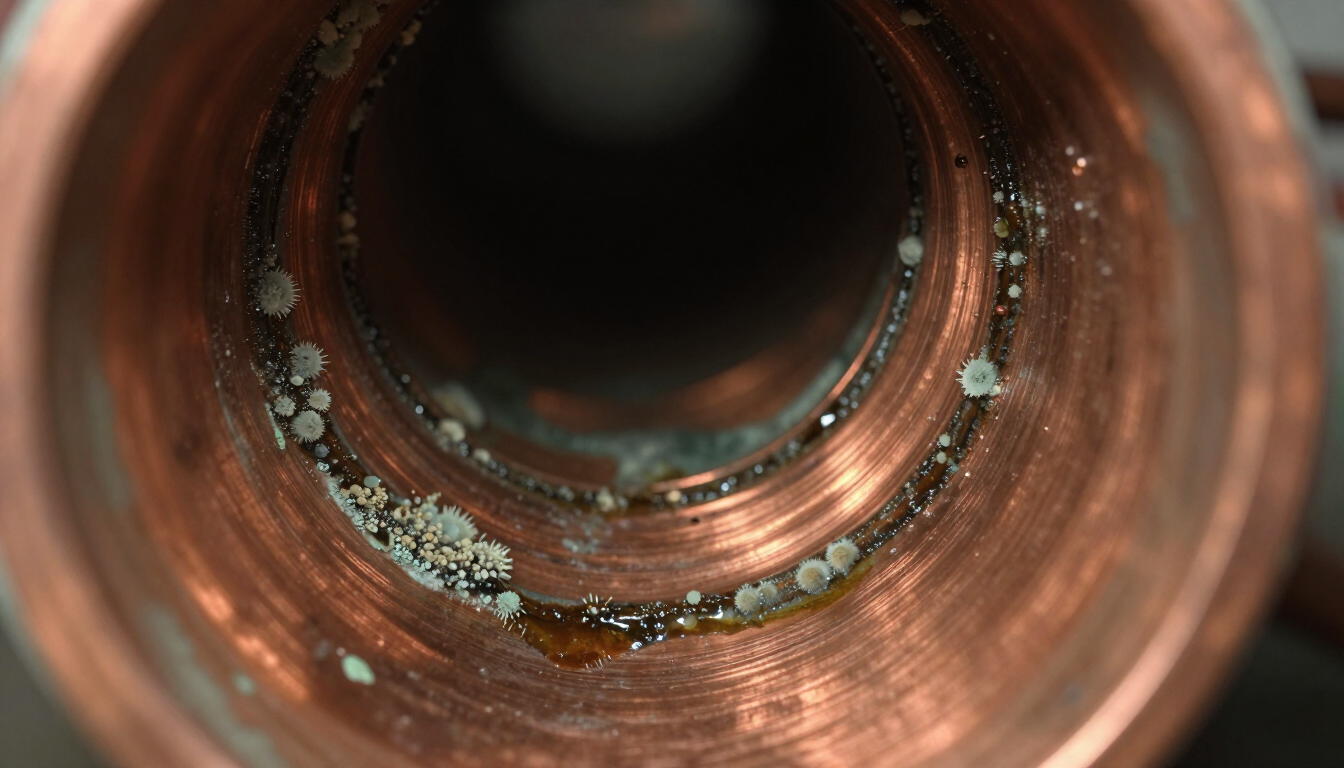
Mold requires three main components to survive: moisture, a food source, and a hospitable temperature. While your pipes certainly have the moisture covered, the food source usually comes in the form of a biofilm. Biofilm is a thin, slimy layer of bacteria and other microorganisms that adhere to the interior surfaces of pipes. This slime traps organic particulates, minerals, and nutrients, creating a perfect “pantry” for mold spores to take root. If water sits stagnant for long periods—such as in a guest bathroom or a vacation home—the protective chemicals in the water can dissipate, allowing mold to flourish.

Understanding Biofilm and Plumbing Mold Growth

Biofilm is the primary catalyst for plumbing mold growth. It is not just a passive layer of slime; it is a complex community of organisms that work together to survive. Once a biofilm is established, it protects the mold from the flowing water and any residual cleaning agents. In Southern Maryland homes, especially those relying on well water, the lack of consistent chlorination can lead to faster biofilm development.

Factors that contribute to the growth of mold in pipes include:

  • Low water usage leading to stagnation
  • Heavy mineral deposits (scale) that provide texture for mold to cling to
  • Temperature fluctuations in hot water lines
  • External contaminants entering the system through cracks
  • Cross-contamination from drains or garbage disposals

When mold begins to grow within this system, it isn't always visible immediately. It may start in the aerator of your kitchen faucet or deep within the flex lines leading to your refrigerator’s ice maker. Because these areas are often warm and dark, they provide the ideal incubator for mold colonies to expand.

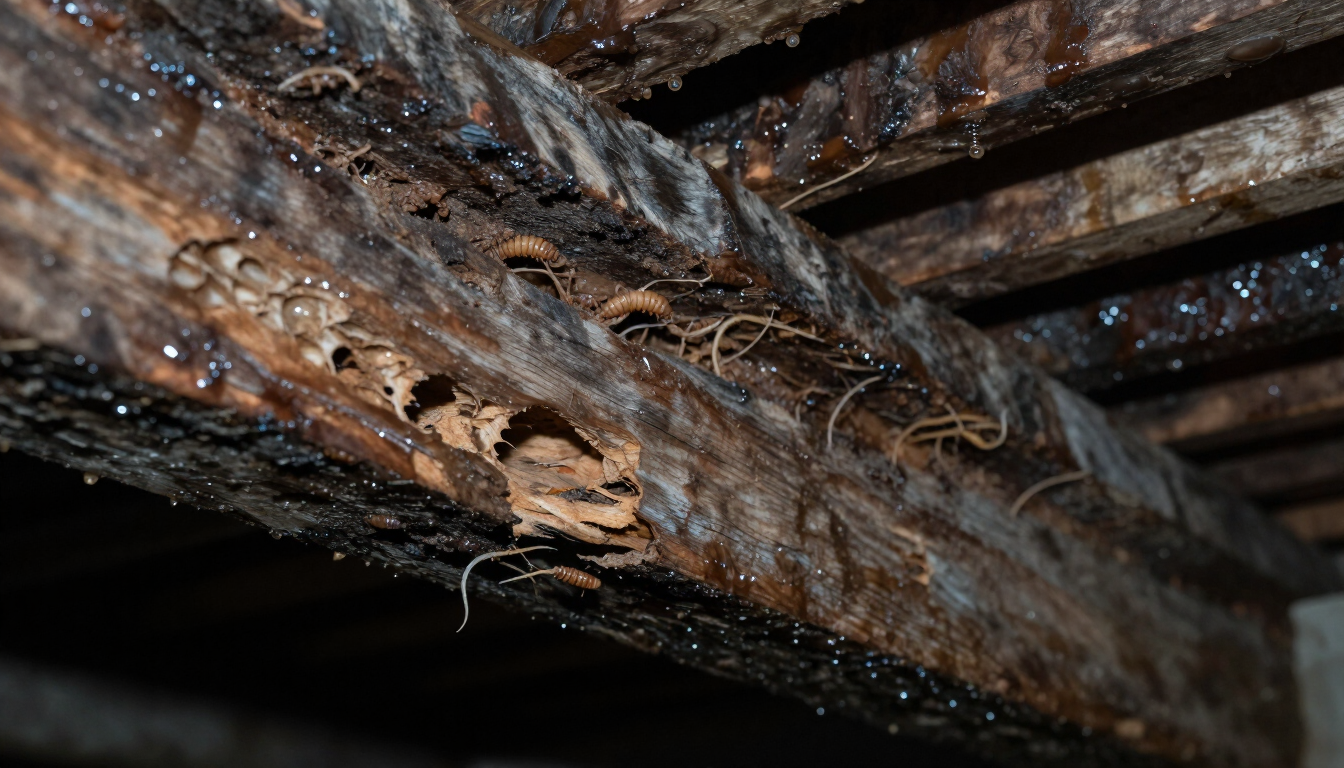
Moldy pipe interior

What are the signs of mold in your water lines?

Detecting mold inside a closed pipe system requires a bit of detective work. Unlike a moldy wall, you cannot simply look at the inside of your plumbing without specialized equipment. However, your senses will often tell you when something is wrong. Homeowners should stay vigilant for physical and sensory changes in their water supply.

One of the most common signs of mold in water is a persistent musty or earthy smell. If you notice this odor specifically when the water is running, but it disappears once the tap is off, the source is likely within the plumbing or the faucet itself. Additionally, you may see physical evidence at the point of exit. If you unscrew your faucet aerator and find black, green, or orange slime, you are likely looking at a combination of mold and biofilm.

Common indicators include:

  • A distinct musty or

Recent Posts

Professional home inspector checking for mold in an attic
June 25, 2026
Learn about the essential steps for mold remediation and inspection in Southern MD. Protect your home's structural integrity and your family's health with our expert guide.
Maryland structural remediation specialist inspecting a foundation.
June 25, 2026
Essential protocols for residential structural remediation in MD. Learn about MHIC standards, mold removal, and foundation repairs for Southern Maryland homes.
Contractor inspecting home foundation for structural integrity.
June 25, 2026
Looking for a reliable structural repair specialist in Maryland? Learn how to identify foundation issues, sagging joists, and why MHIC licensing is crucial for your home's safety and longevity.
Professional water damage restoration technicians at work.
June 25, 2026
Learn how to evaluate professional water damage restoration services for structural drying and mitigation. Protect your Southern MD home from mold and decay with expert insights.
Professional mold testing equipment for indoor air quality analysis
June 25, 2026
Searching for professional mold testing services? Learn how to find reliable experts in Southern Maryland to protect your home's air quality and structural integrity.
Official professional certifications for home restoration and mold removal services.
June 9, 2026
Discover the essential home restoration certifications, including IICRC, NADCA, and MHIC, that ensure your home's safety and structural integrity after water or mold damage.
Licensed contractor inspecting home for structural repairs and mold restoration.
June 9, 2026
Discover why an MHIC license is vital for mold restoration. Home Restoration Services offers structural repairs, foundation sealing, and remodeling in Southern MD.
danger sign
By Deborah Naugle March 22, 2026
Understand the long-term dangers of mold damage. Learn how persistent growth impacts respiratory health, structural integrity, and the value of your property.
water restoration
By Deborah Naugle March 22, 2026
Learn how to choose the right water damage restoration company. Discover essential tips for vetting professionals to ensure your home is dried and mold-free.
mold spore
By Deborah Naugle March 22, 2026
Learn the basics of mold restoration with our beginner's guide. Discover how to identify infestations, follow safety steps, and restore your home's air quality.
Show More