Fire Damage in your Southern MD Home
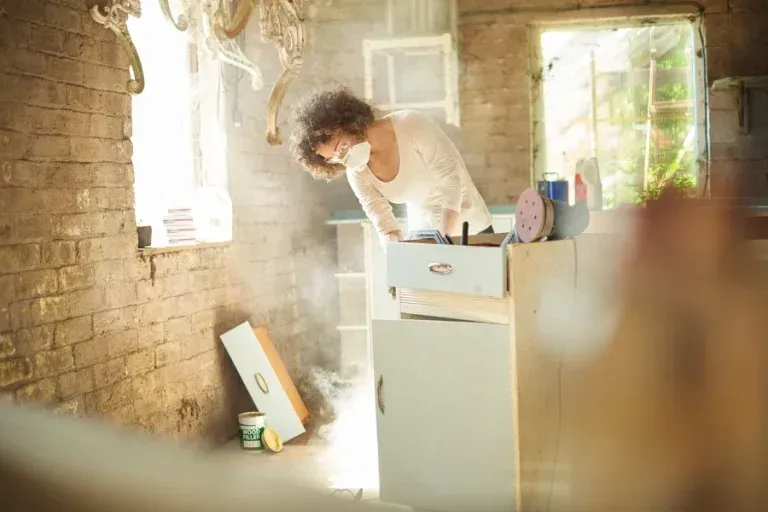
After a fire disaster, you will notice that there is a smell of smoke left behind. Depending on how destructive the fire was, smoke can seep into any surface of your home, including your walls. We have suggestions to help manage the smell of smoke in your home after a fire.
1. Air Out Your Home
If you have recently had a fire in your home, chances are you can still smell the smoke. One of the best ways to combat the smell is by allowing your home to air out. Opening all of the windows in your home is a great way to accomplish this. You can also use fans in your home to increase airflow.
Another method for airing out your home involves leaving your front door open, placing a fan there, and closing all other windows and doors except for the room you are airing out. This creates positive pressure in your home, efficiently removing any remaining smoke.
2. Clean Your Home
While this phrase may sound strange, you have to take the time to wash your entire house to eliminate all smoke smells. Cleaning just your fabrics and carpets won’t cut it. However, it is vital to clean these surfaces as well. A warm water vinegar solution can go a long way in helping your home smell like usual again.
Beyond your fabrics, make sure to clean solid surfaces. Windows are an essential part of this process, as the panes and screens can trap in excess smoke. Clean the glass until it is entirely transparent. Also, make sure to thoroughly soak your screens, wash them out, and allow them to air dry. Cabinets, hardwood floors, baseboards, ceilings, light fixtures, and other surfaces will also require cleaning. Without this attention to detail, your home can still smell like smoke.
Another step you should take is cleaning out your HVAC system. In the event of a house fire, your HVAC will encounter smoke and debris. The filters will likely have clogs, and the ducts will also have waste.
Water Damage
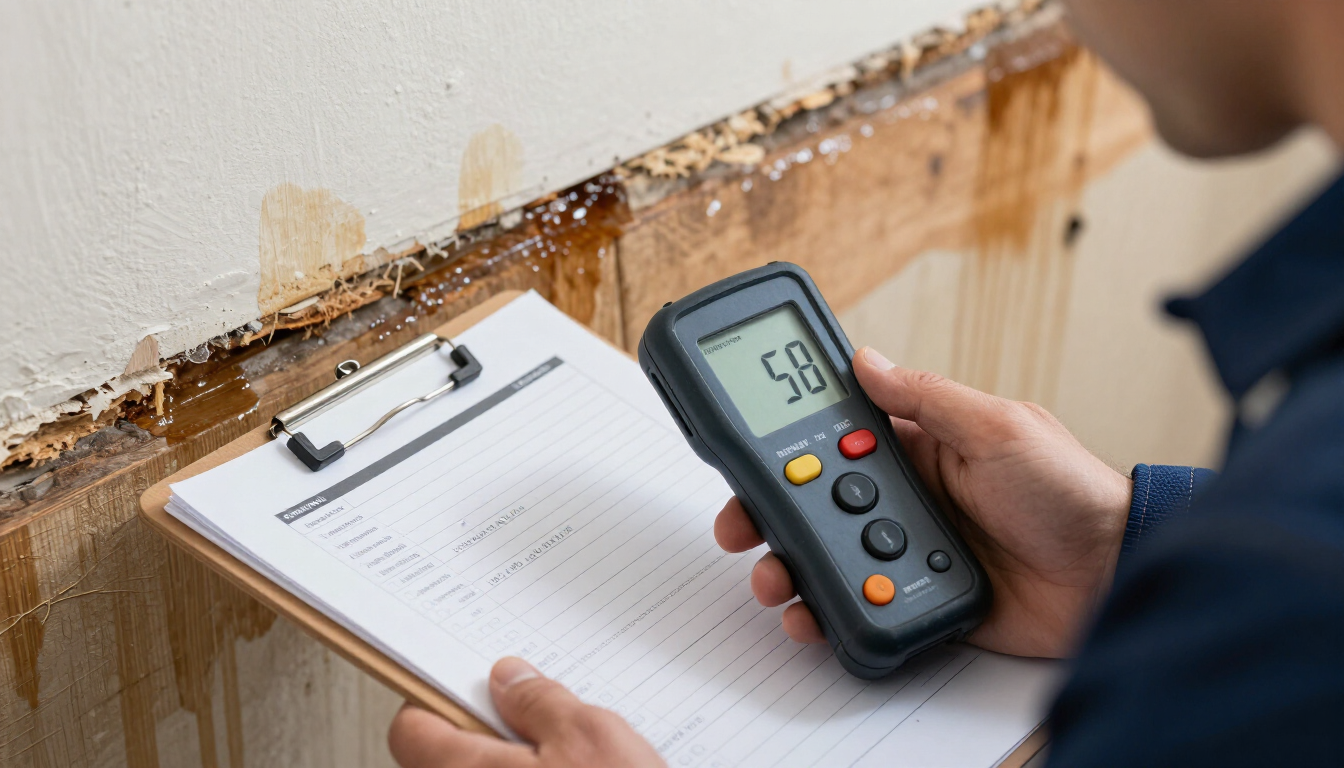
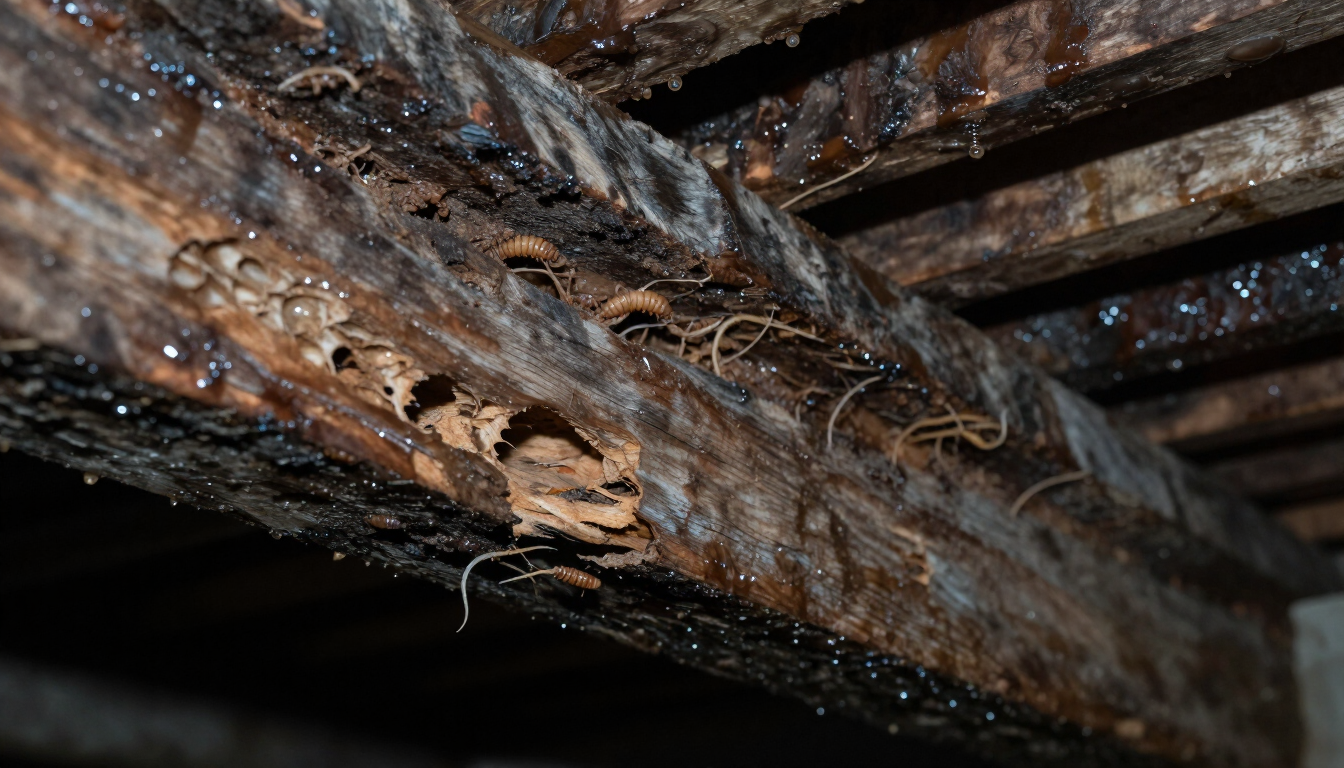
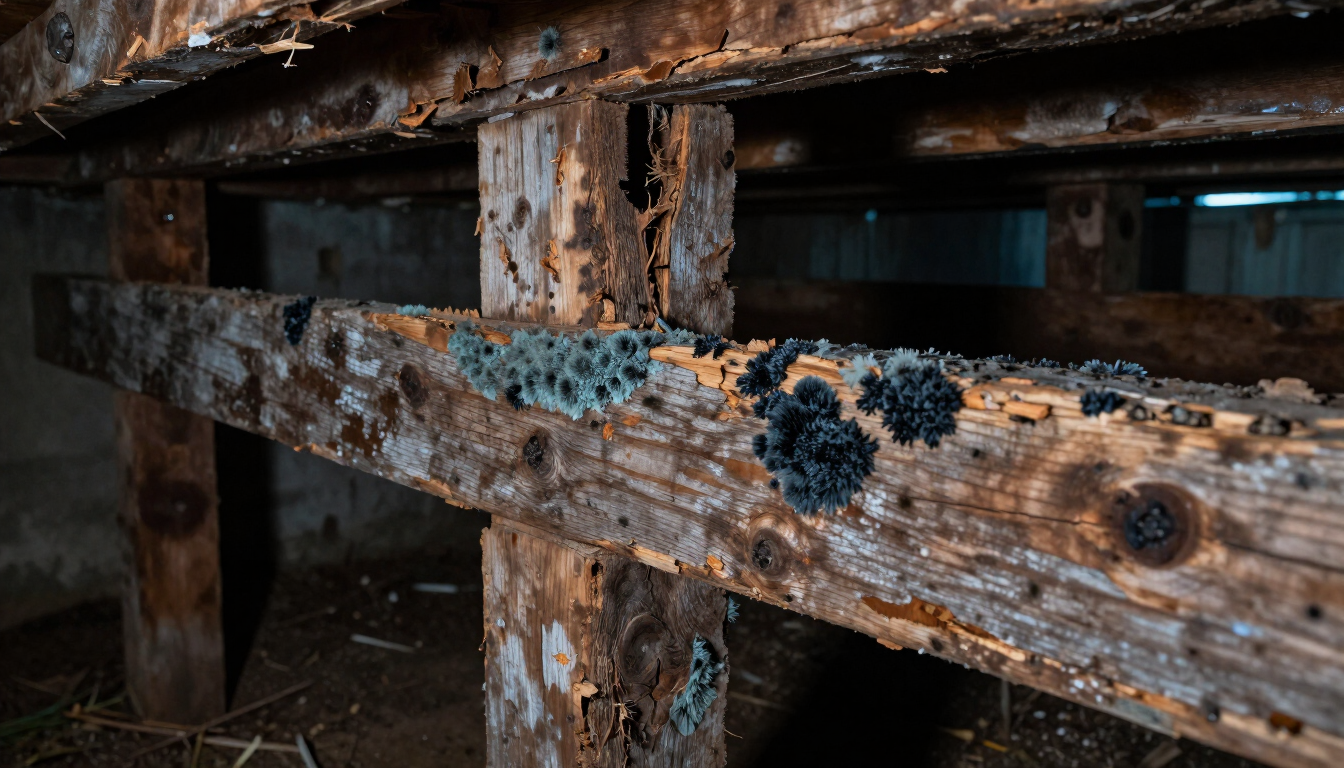
If your home floods during the event of a natural disaster or plumbing issue, the smell of mold and mildew will develop. Depending on the severity of the water damage, mold and mildew can impact many surfaces of your home.
We have some tips to help eliminate the smell!
1. Locate any Mildew or Mold Growth in Your Home
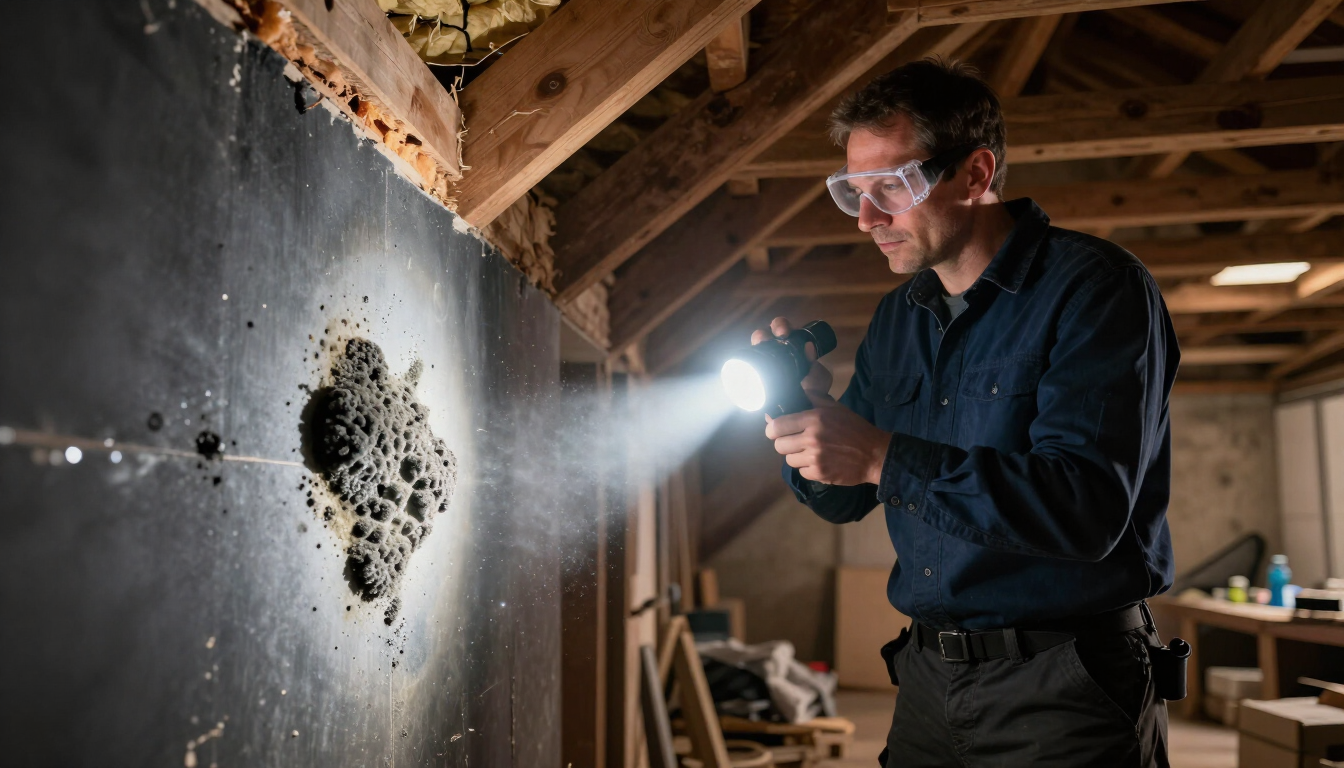
After discovering water damage and drying out an area, you should locate any subsequent areas of your home with mold and mildew growth. In the process, you can clean out these areas and remove any items that might block your ability to find the source of the smell. This process can be tricky, depending on what areas of your home suffered water damage.
2. Clean Mold and Mildew Growth in Your Home
After locating the source of the smell, take the appropriate steps to clean the growth in your home. Using a diluted bleach solution can help eliminate these odors, also preventing further growth from occurring. However, sometimes you can’t find the source of the smell in a room. That means that you will have to clean the entire room to ensure the odor is gone.
You should also clean out your fabrics and other surfaces if your home has endured water damage. Taking the time to clean thoroughly in your home will ensure that mildew growth and odors are eliminated.
If you need our services or would like to learn more, just give our team at Home Services Restoration a call at (240) 348-9566 or fill out our online contact form!