Structural Remediation MD: A Homeowner's Protocol Guide
Residential structural remediation in Maryland is a regulated process involving the assessment, stabilization, and restoration of home components damaged by moisture or mold. Licensed MHIC professionals follow strict protocols to neutralize hazards and implement structural reinforcements, such as joist repairs or wall strapping, ensuring long-term safety and building integrity.
What is the Standard Protocol for Residential Structural Remediation?
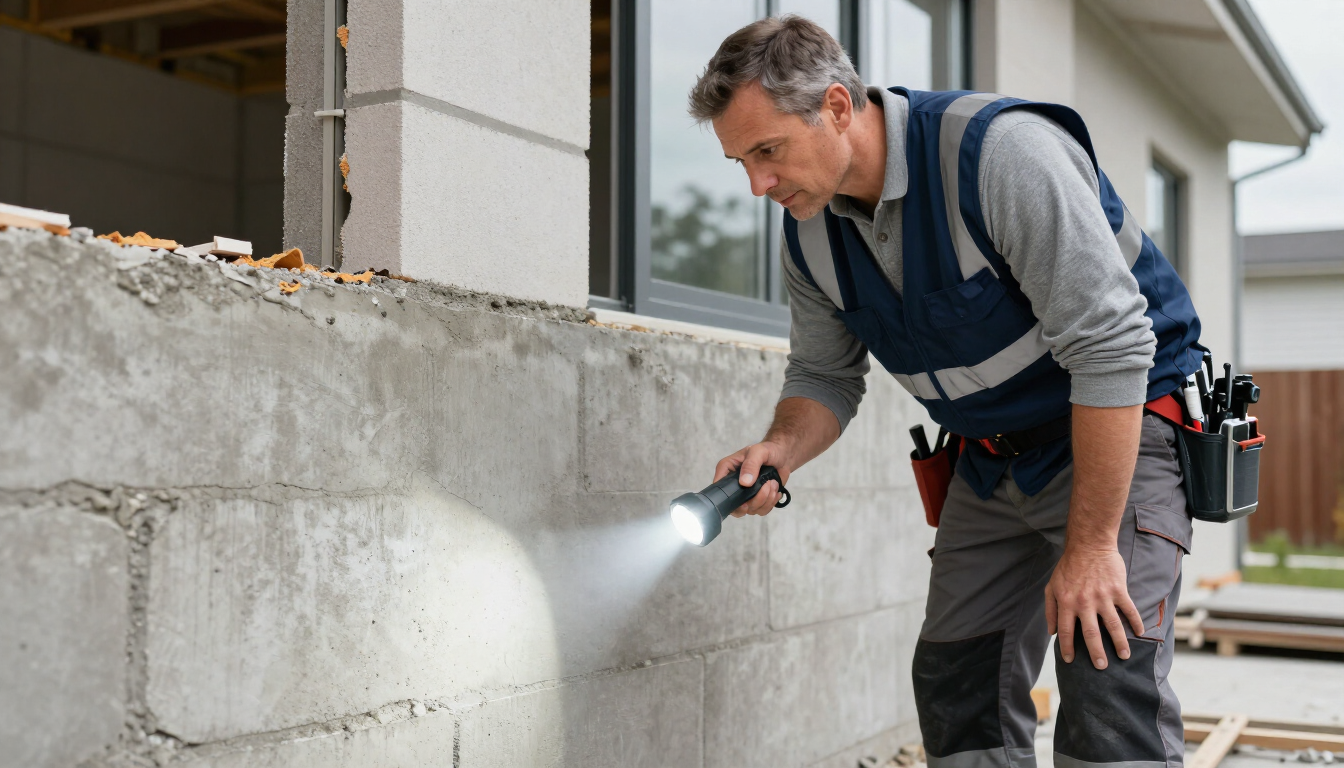
When a home suffers from foundational shifts, severe mold growth, or wood-destroying water damage, a standard sequence of actions must be followed to ensure the structure remains habitable. In Maryland, this protocol isn't just a suggestion; it is a framework designed to protect the homeowner’s investment and the physical safety of the occupants. The process begins with a comprehensive diagnostic evaluation, where experts identify the root cause of the damage—be it hydrostatic pressure, a failing crawl space, or long-term attic leaks.
Following the assessment, the remediation protocol moves into containment and stabilization. This phase is critical because it prevents further degradation while the primary repairs are being executed. For example, if a foundation wall is bowing, it must be supported before any secondary remodeling occurs. The standard steps typically include:
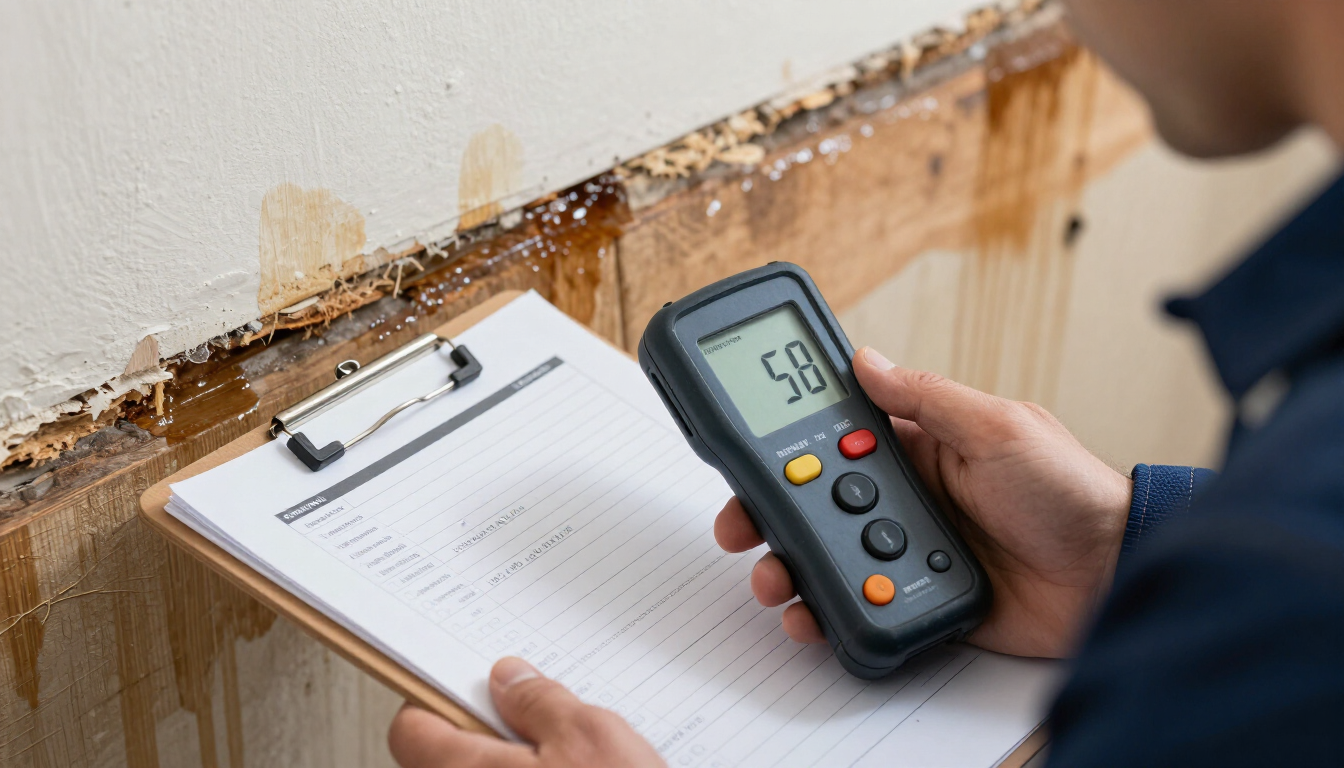
- Initial site assessment and moisture mapping
- Hazard containment and air filtration setup
- Removal of unsalvageable structural materials
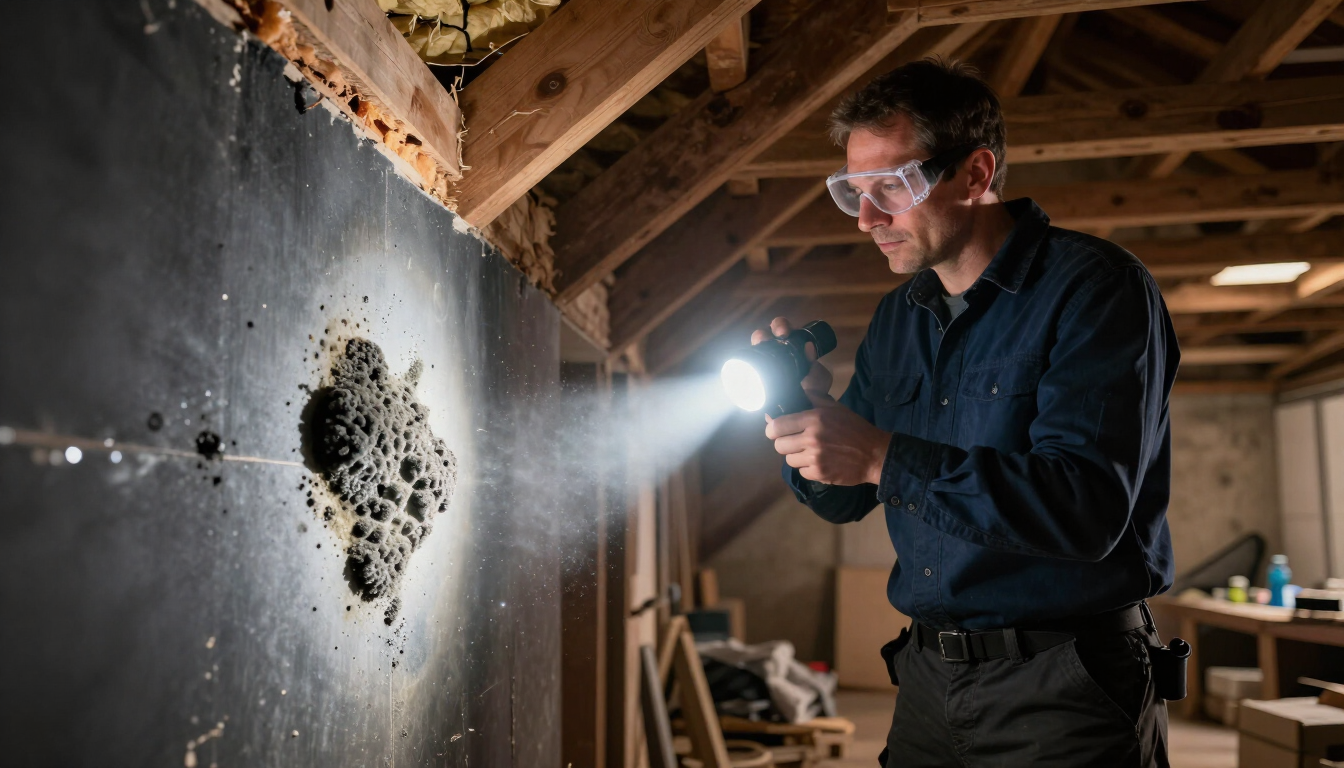
- Application of antimicrobial treatments for mold
- Implementation of structural reinforcements and repairs
By sticking to these Structural Repairs protocols, contractors ensure that the home is not just visually restored but physically sound. Homeowners in Southern Maryland often face unique challenges due to the high water table and coastal humidity, making these structured protocols even more vital for long-term success.
Why Maryland Homeowners Need MHIC Licensed Remediation Experts
In the state of Maryland, performing structural work on a residence requires a Maryland Home Improvement Commission (MHIC) license. This is particularly important for structural remediation because the stakes are incredibly high. A simple handyman may be able to replace a piece of trim, but when it comes to the load-bearing integrity of your home, specialized knowledge is required. Home Restoration Services, holding MHIC license #143012, operates with the understanding that remediation goes beyond surface-level cleaning.
Licensed experts understand the nuances of local building codes and the environmental factors prevalent in St. Mary’s, Charles, and Calvert Counties. These regions are prone to high humidity, which accelerates wood rot and mold proliferation. An MHIC-licensed contractor is trained to handle complex tasks like Foundation Wall Repair and crawl space restorations that meet legal and safety standards. This licensing provides a layer of protection for the homeowner, ensuring that the work is performed by a professional who is insured, bonded, and accountable to state regulations.
How Does Water Damage Impact Your Home’s Structural Integrity?
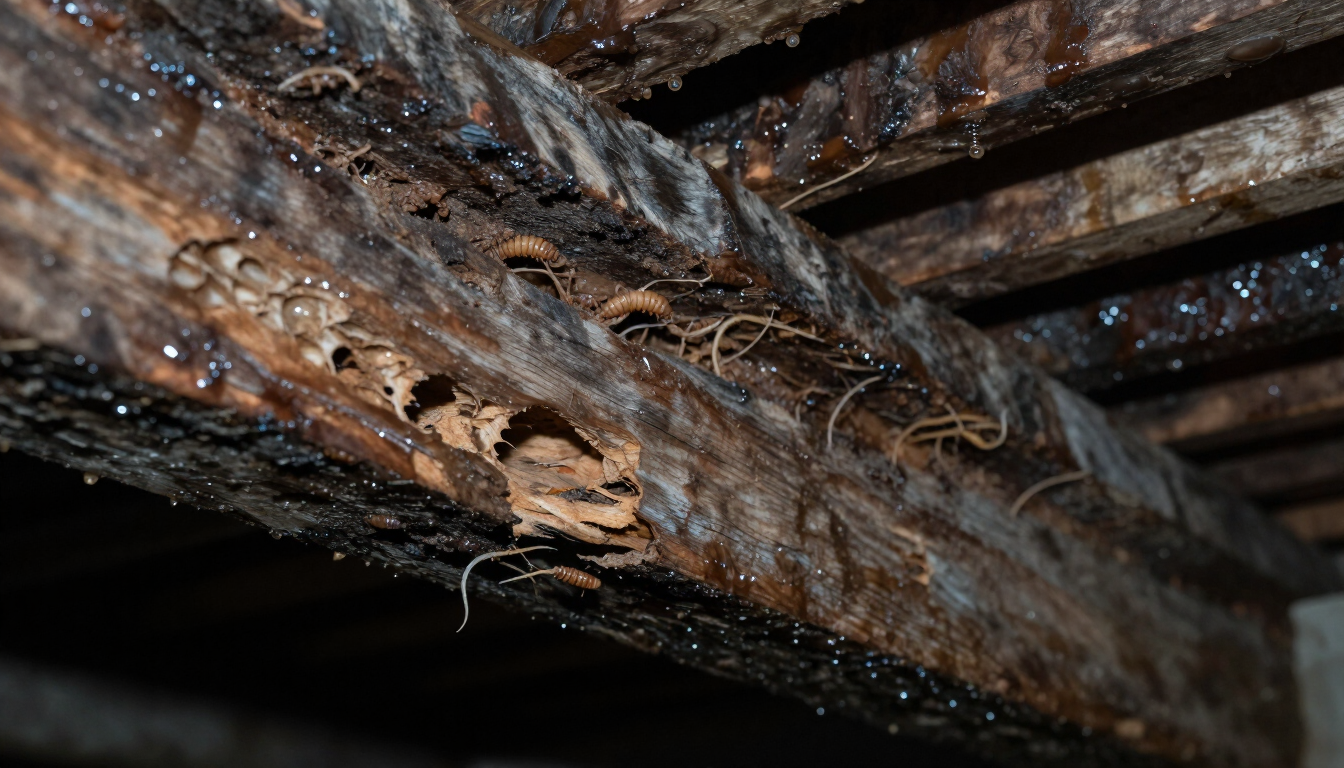
Water is the primary enemy of residential structures. Whether it enters through a foundation crack, a leaking roof, or a burst pipe, its presence initiates a chain reaction of decay. When water saturates organic building materials like wooden joists or drywall, it weakens their cellular structure. Over time, this leads to sagging floors, cracked walls, and potentially a complete structural failure.
Effective Water Damage Mitigation is the first line of defense. If the water source is not stopped and the moisture is not professional extracted, the structural components will continue to deteriorate regardless of what cosmetic fixes are applied. In Maryland’s humid climate, even a small amount of trapped water can lead to significant Mold Remediation needs within 24 to 48 hours. The weight of the water itself can also put immense pressure on foundation walls, a phenomenon known as hydrostatic pressure, which often results in bowing or cracking that requires immediate intervention.
Key Steps in the Structural Stabilization Process
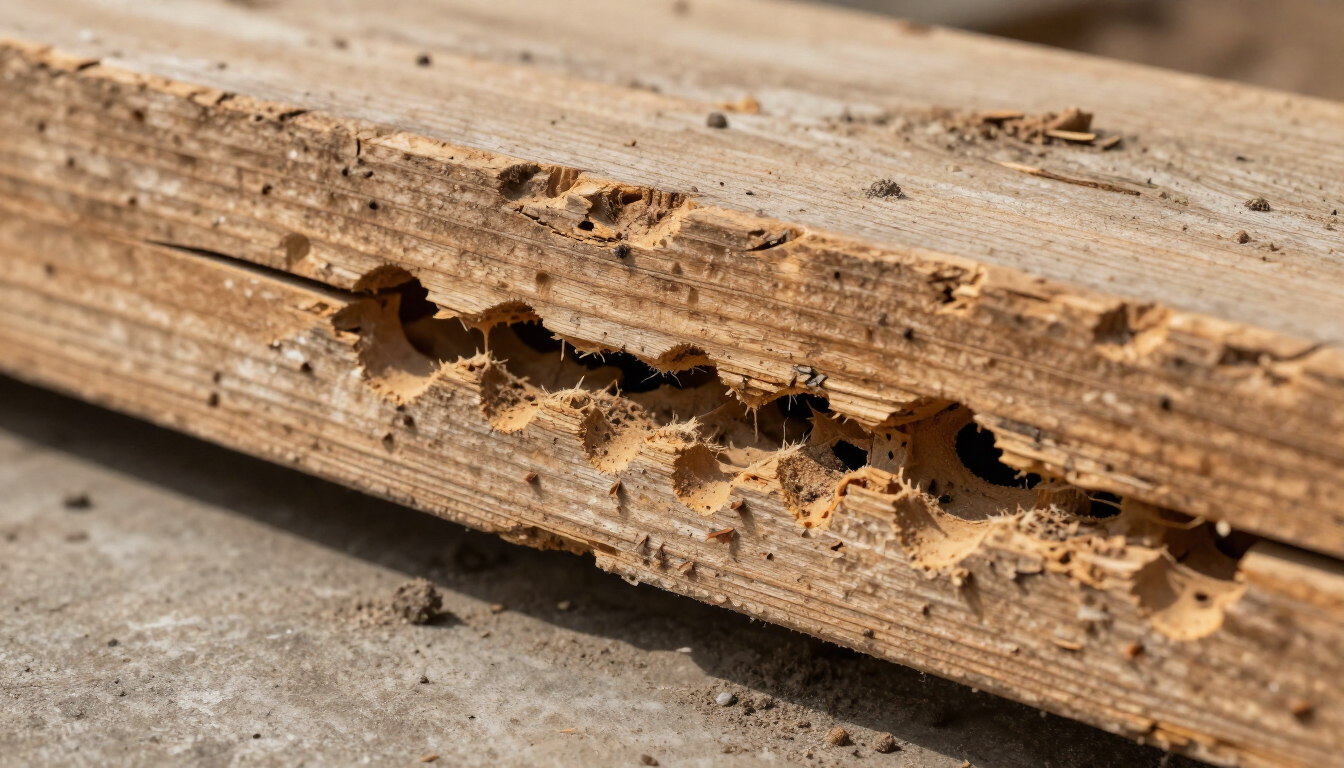
Once the damage is assessed and the water source is mitigated, the stabilization process begins. This is where the heavy lifting of structural remediation occurs. For many Maryland homes, this involves addressing the skeleton of the building—the joists, beams, and foundation walls. If the wood has been compromised by rot, Joist Repair becomes a priority. This might involve sistering new joists to existing ones or replacing them entirely to ensure the floor above is level and safe.
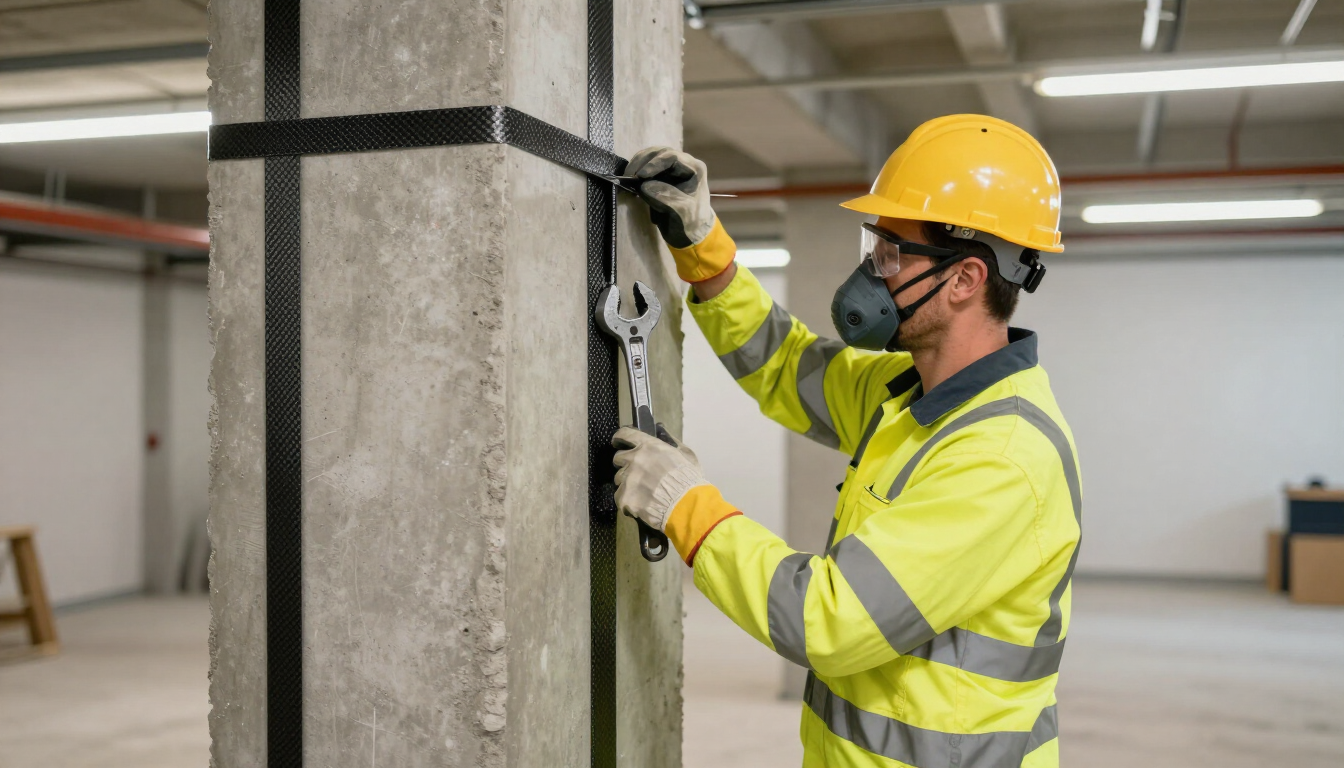
Stabilization also extends to the foundation. In cases where soil expansion or water pressure has moved a wall, carbon fiber strapping or steel wall braces are used to lock the structure in place. This prevents the need for a total wall replacement, which is both costly and invasive. The goal of stabilization is to return the home to its original load-bearing capacity. The process often includes:
- Identifying load points and installing temporary shoring
- Cleaning and prepping surfaces for reinforcement
- Installing carbon fiber straps or wall braces
- Replacing or reinforcing rotted floor joists
- Sealing foundation cracks to prevent future water ingress
How Essential is Crawl Space and Attic Restoration?
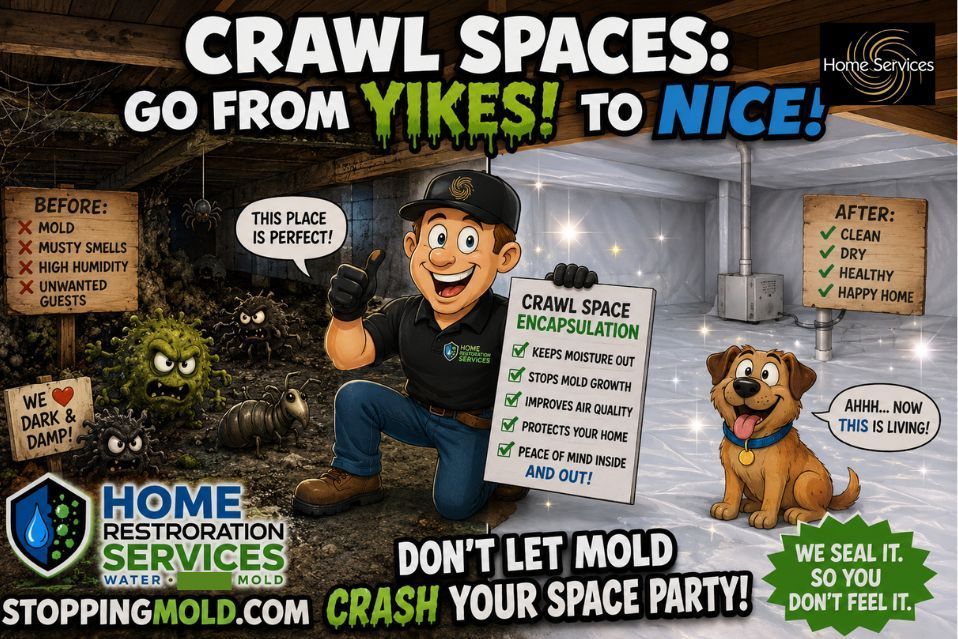
Many homeowners overlook the areas they don't see daily, such as the crawl space or the attic. However, these are the areas where structural issues often begin. A damp crawl space is a breeding ground for mold that can eat away at the subfloor and joists. Proper Crawl Space & Attic Services are essential for maintaining the overall health of the building. Encapsulating a crawl space, for instance, controls the environment and prevents the moisture that leads to structural decay.
In the attic, structural remediation might focus on the rafters or the ridge beam, especially if there has been a long-term roof leak. The protocol here involves removing contaminated insulation, treating the wood for mold, and reinforcing any beams that have lost their density due to rot. By treating the home as a complete system—from the foundation to the roof—remediation professionals ensure that no hidden weak points are left behind to cause future trouble.
Can Mold Decay Lead to Long-Term Structural Issues?
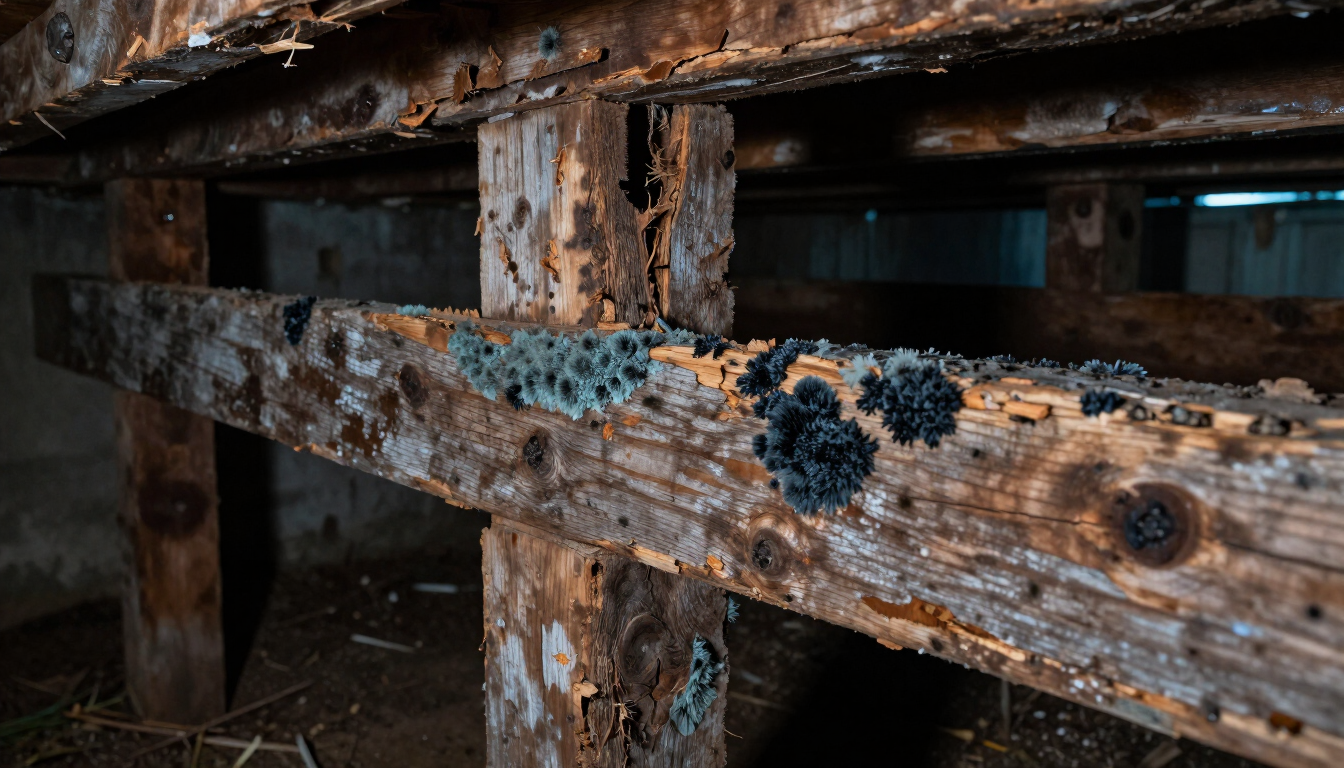
Yes, mold is more than just a health hazard; it is a bio-hazard that actively consumes the organic matter it grows on. Certain species of mold and fungi specialize in breaking down cellulose in wood. If left untreated, this process, often referred to as 'dry rot' or 'white rot,' can turn a solid 2x10 joist into a brittle, crumbly mess that can no longer support the weight of the home.
Professional Mold Remediation protocols involve much more than spraying bleach. It requires the physical removal of the mold spores and the deeply embedded hyphae (the 'roots' of the mold). Once the mold is removed, the structural integrity of the wood must be tested. If the wood has lost significant mass, it must be reinforced. This is why hiring a company that understands both mold and construction is vital. After the structural elements are secured, the space can then move into the Remodeling phase to restore its aesthetic appeal.
Choosing the Right Remediation Strategy for Your Property
Selecting a remediation strategy depends heavily on the severity of the damage and the goals of the homeowner. For some, a targeted repair like Foundation Crack Repair is sufficient to stop minor leaks. For others with more significant damage, a full-scale restoration is necessary to save the home. The right strategy always involves a balance of immediate stabilization and long-term prevention, such as Dehumidification systems to keep moisture levels in check.
If you are dealing with sagging floors, musty odors, or visible cracks in your foundation, it is time to consult with a specialist. In Maryland, companies like Home Restoration Services provide the technical expertise needed to navigate these complex structural challenges. You can reach out via their Contact page to schedule a professional evaluation and ensure your home is treated according to the highest industry standards.
Key Takeaways for Maryland Homeowners
- Standard Protocols: Always follow a sequence of assessment, stabilization, and restoration to ensure safety.
- MHIC Licensing: Ensure your contractor is licensed (like MHIC #143012) to perform structural work in Maryland.
- Water Impact: Addressing water ingress is the most important step in preventing structural rot and mold.
- Stabilization Tools: Wall strapping and joist sistering are effective, non-invasive ways to reinforce a home.
- Holistic Approach: Don’t ignore crawl spaces and attics, as they are often the source of structural decay.
By understanding these protocols, you can make informed decisions about your home's health and longevity, ensuring it remains a safe haven for years to come.