Mold Remediation and Inspection: 5 Steps to a Safer Home
Mold remediation and inspection is the process of identifying, testing, and safely removing fungal growth from a home while addressing the moisture source. It involves professional assessment, containment, air filtration, and structural repairs to ensure long-term indoor air quality and prevent structural decay in your property.
Why is a professional mold inspection near me necessary?
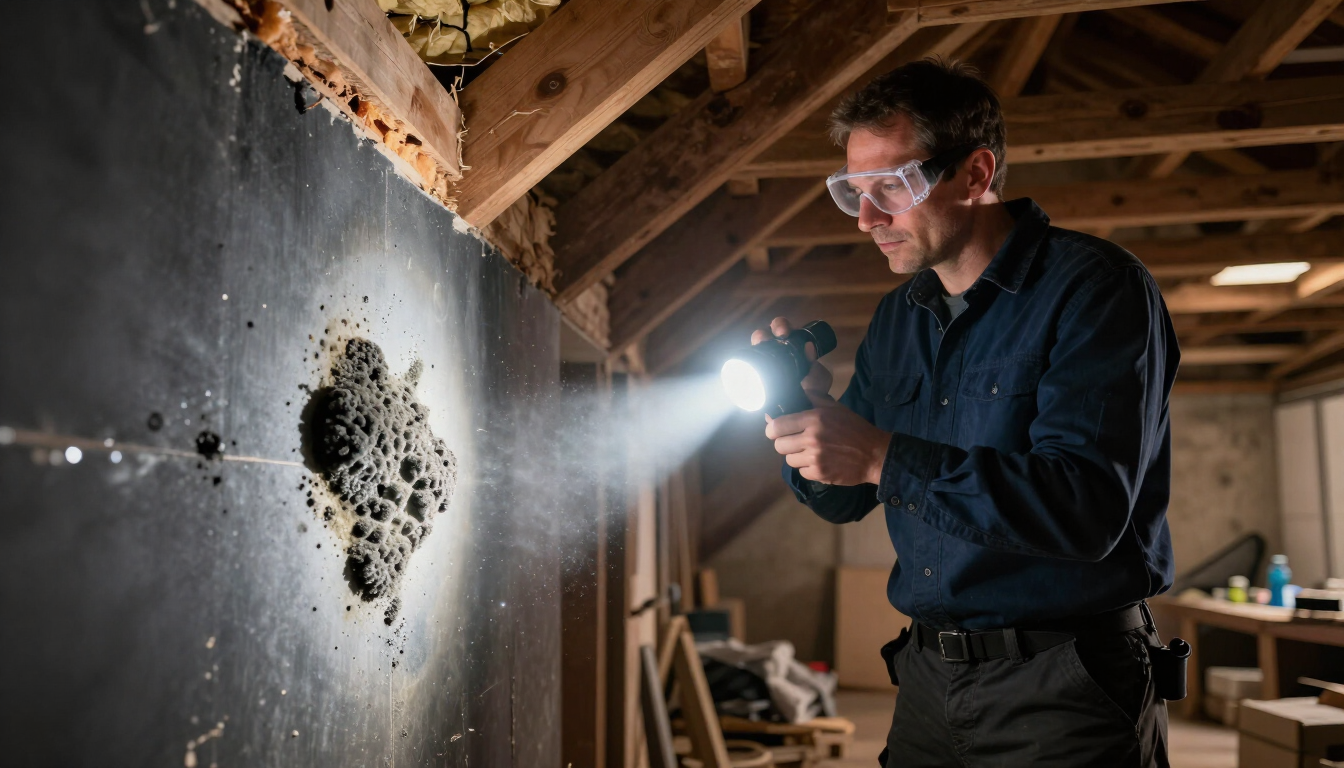
For many homeowners, the first sign of a mold problem is a musty odor or visible spotting on a basement wall. However, what you see is often just the tip of the iceberg. A professional mold inspection is critical because mold often hides in inaccessible areas such as wall cavities, under flooring, and within HVAC systems. Without a thorough inspection, you may only be treating a symptom rather than the root cause.
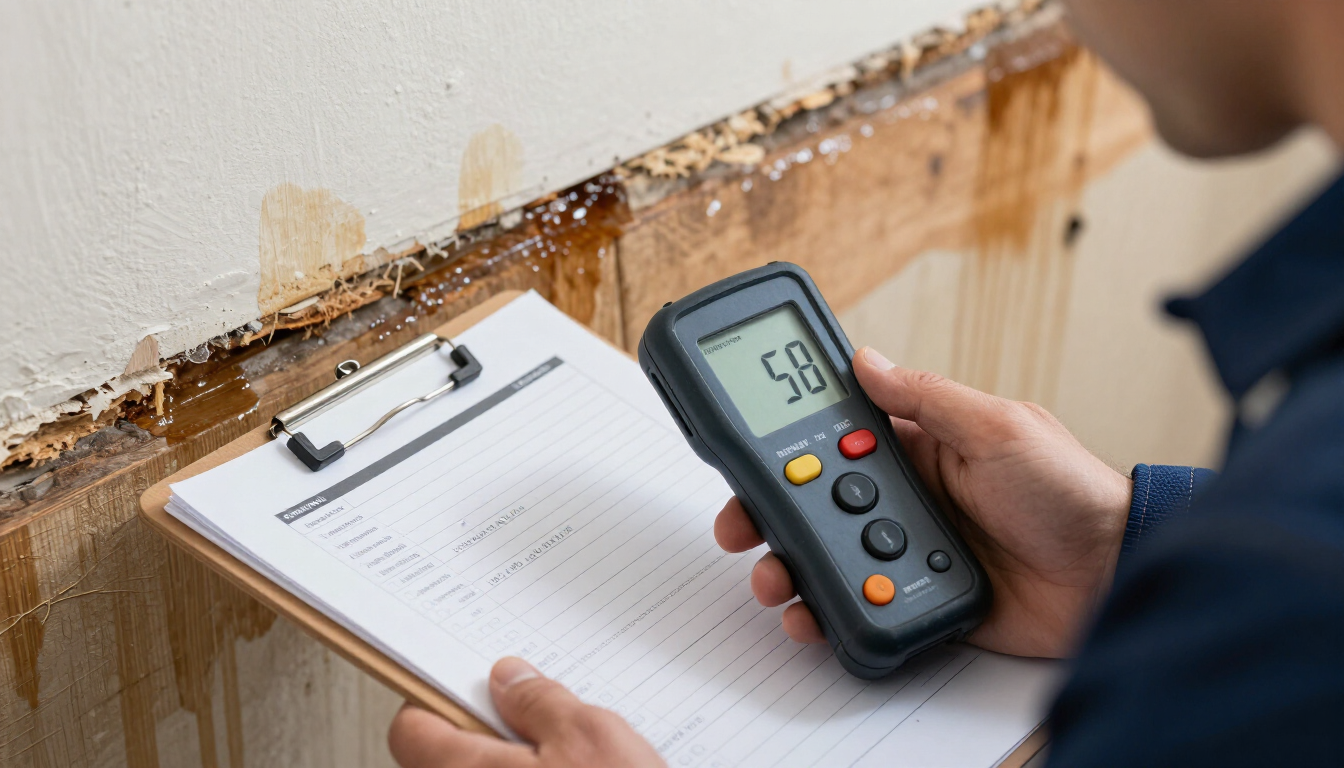
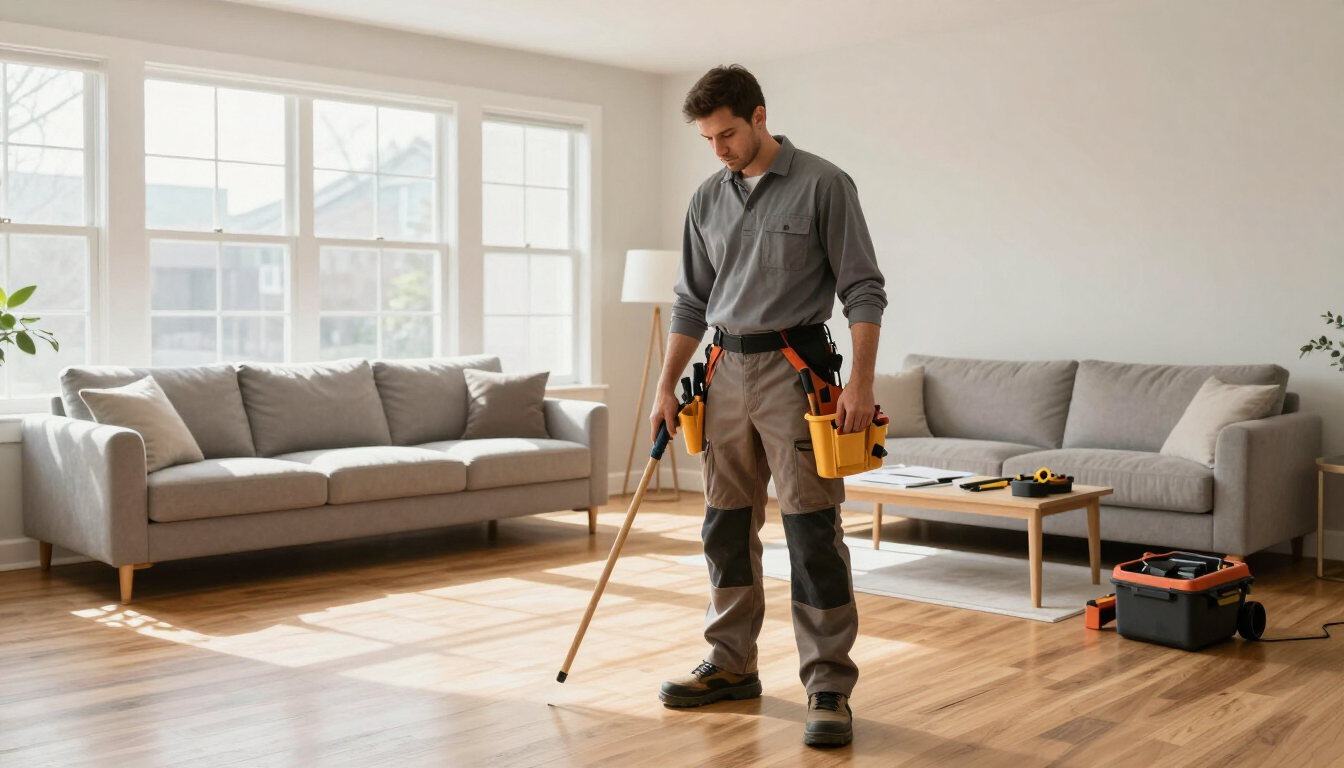
Professional inspectors use advanced tools like thermal imaging cameras, moisture meters, and air quality sampling to find hidden moisture pockets. These tools allow experts to map out the extent of the contamination without tearing down walls prematurely. By identifying the specific species of mold and the concentration of spores in the air through Indoor Air Quality Testing , professionals can determine the level of risk to both the inhabitants and the structure of the building.
Moreover, a documented inspection is often required for insurance claims or real estate transactions. Having a certified professional provide a detailed report ensures that the Mold Remediation plan is tailored specifically to your home’s needs, preventing unnecessary costs and ensuring the job is done right the first time.
Understanding the professional mold remediation process
Once an inspection confirms the presence of mold, the remediation process must follow strict industry standards to prevent the spread of spores to unaffected areas of the home. Professional mold remediation is far more complex than simply spraying bleach on a surface—in fact, bleach is often ineffective on porous materials like wood or drywall.
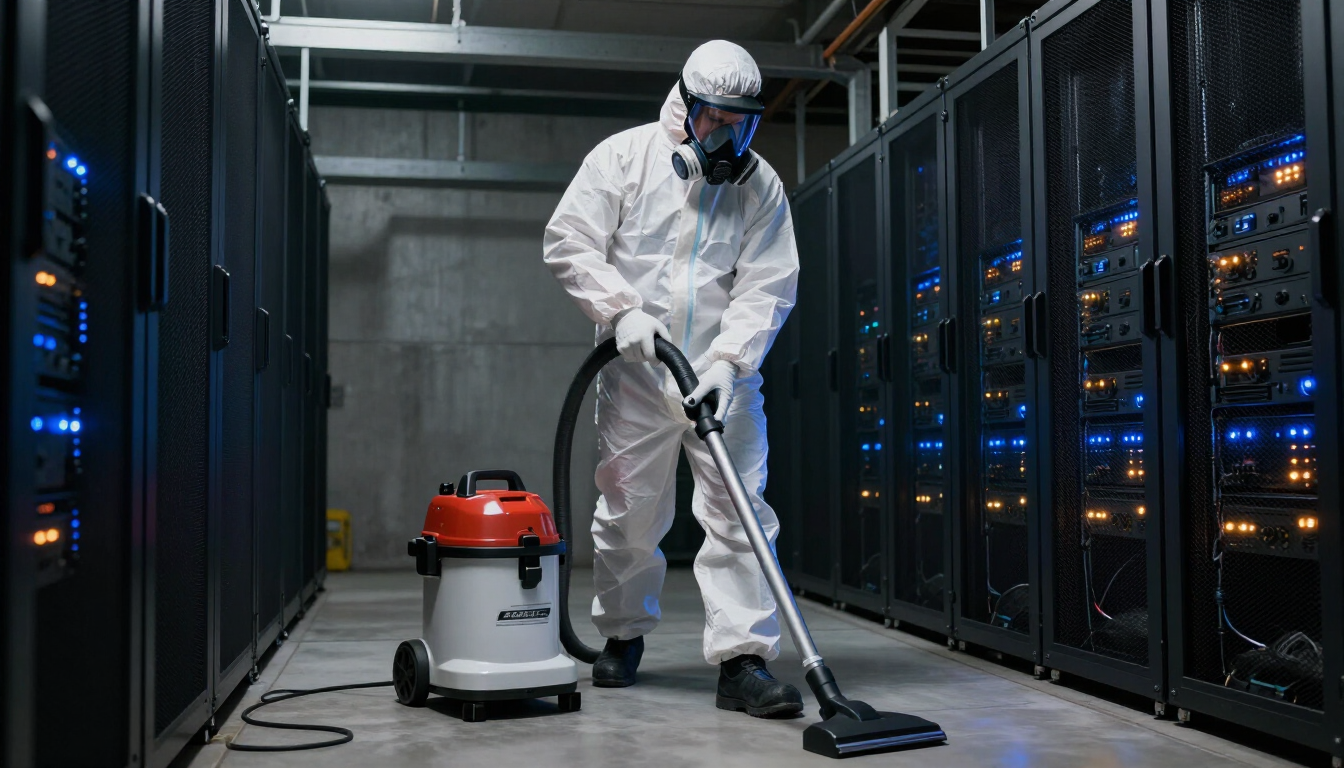
- Containment and Air Pressure Control : Technicians set up physical barriers using heavy-duty plastic sheeting and utilize negative air pressure machines with HEPA filtration. This ensures that as moldy materials are moved, the spores are captured and not circulated through the rest of the house.
- HEPA Air Scrubbing : Continuous air filtration is maintained throughout the process to clear the environment of microscopic contaminants.
- Removal of Affected Materials : Any porous materials that cannot be properly cleaned—such as saturated drywall, insulation, or carpeting—must be carefully removed and disposed of as hazardous waste.
- Cleaning and Antimicrobial Treatment : Non-porous surfaces are scrubbed with specialized cleaning agents, and antimicrobial treatments are applied to prevent future growth.
- Moisture Source Repair : Remediation is only temporary if the water source isn't fixed. This might involve Foundation Crack Repair or fixing plumbing leaks.
Can mold cause permanent structural damage to my home?
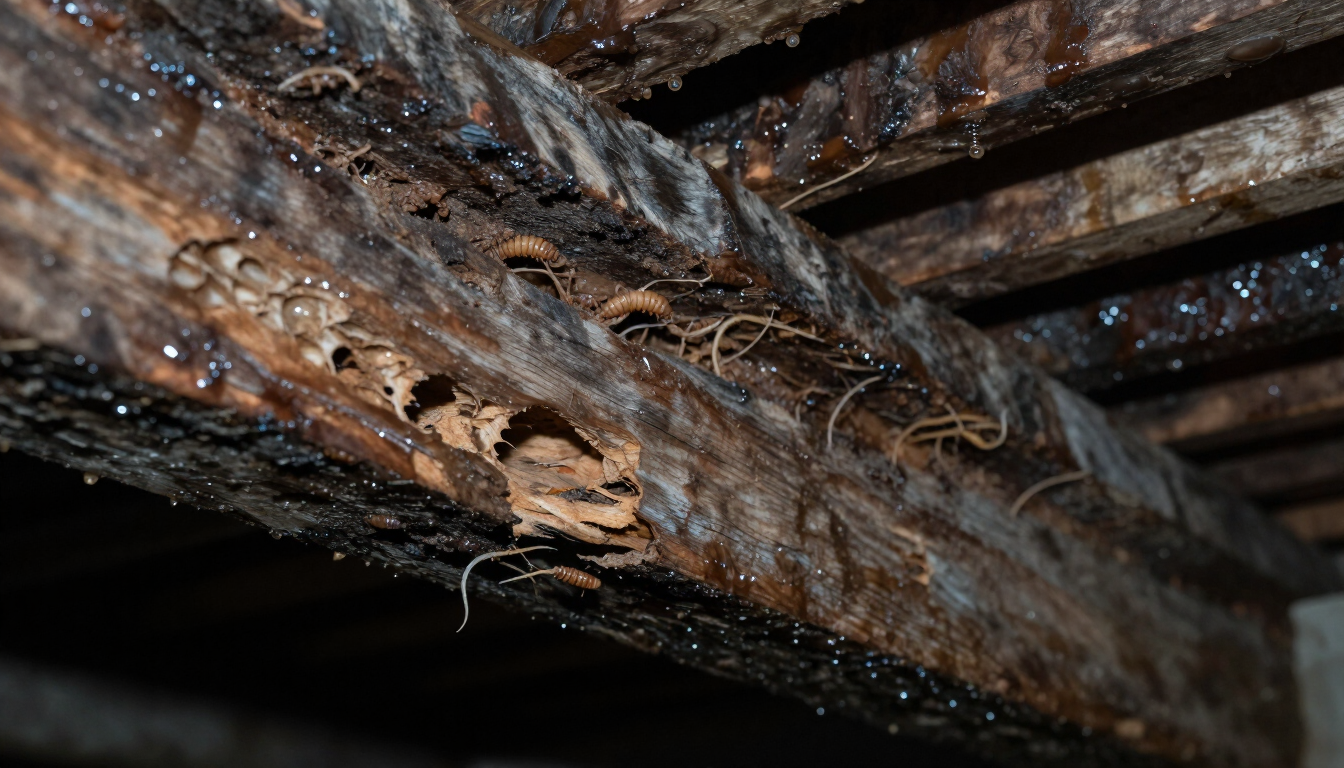
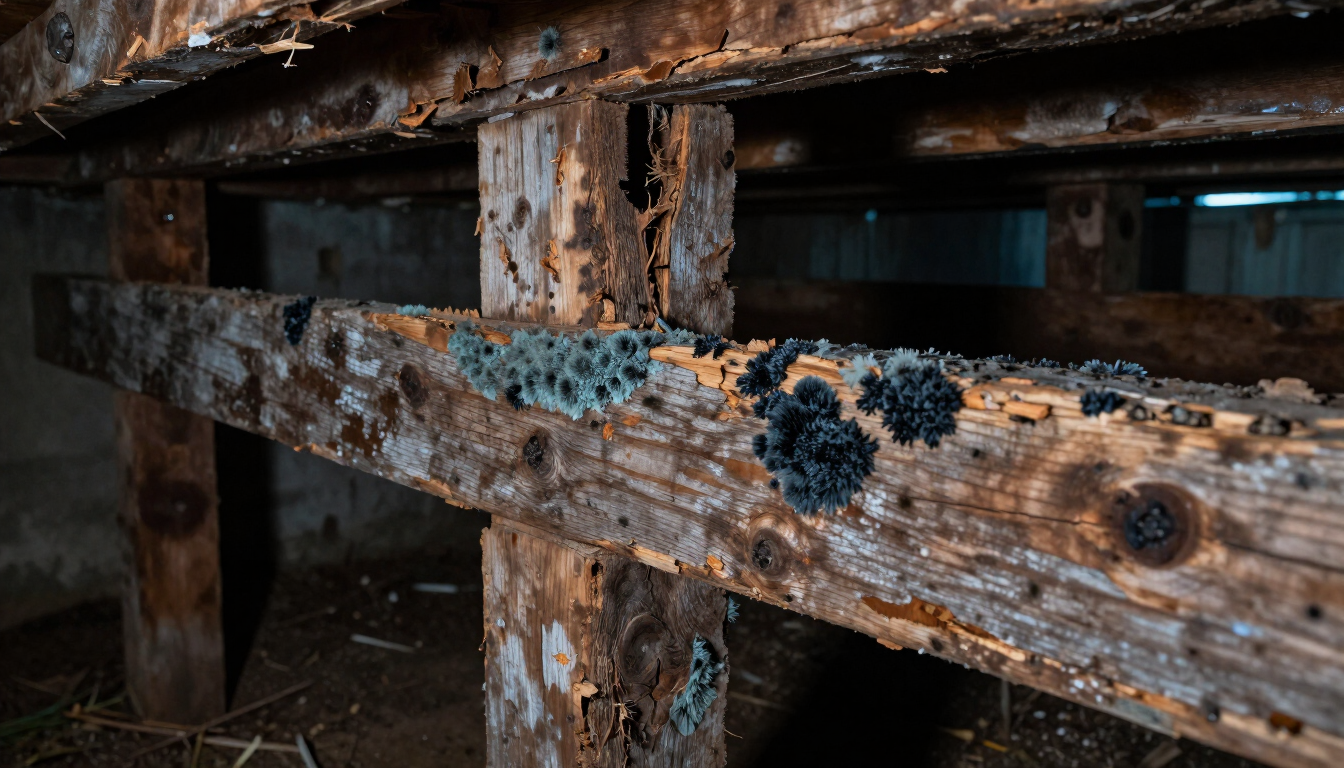
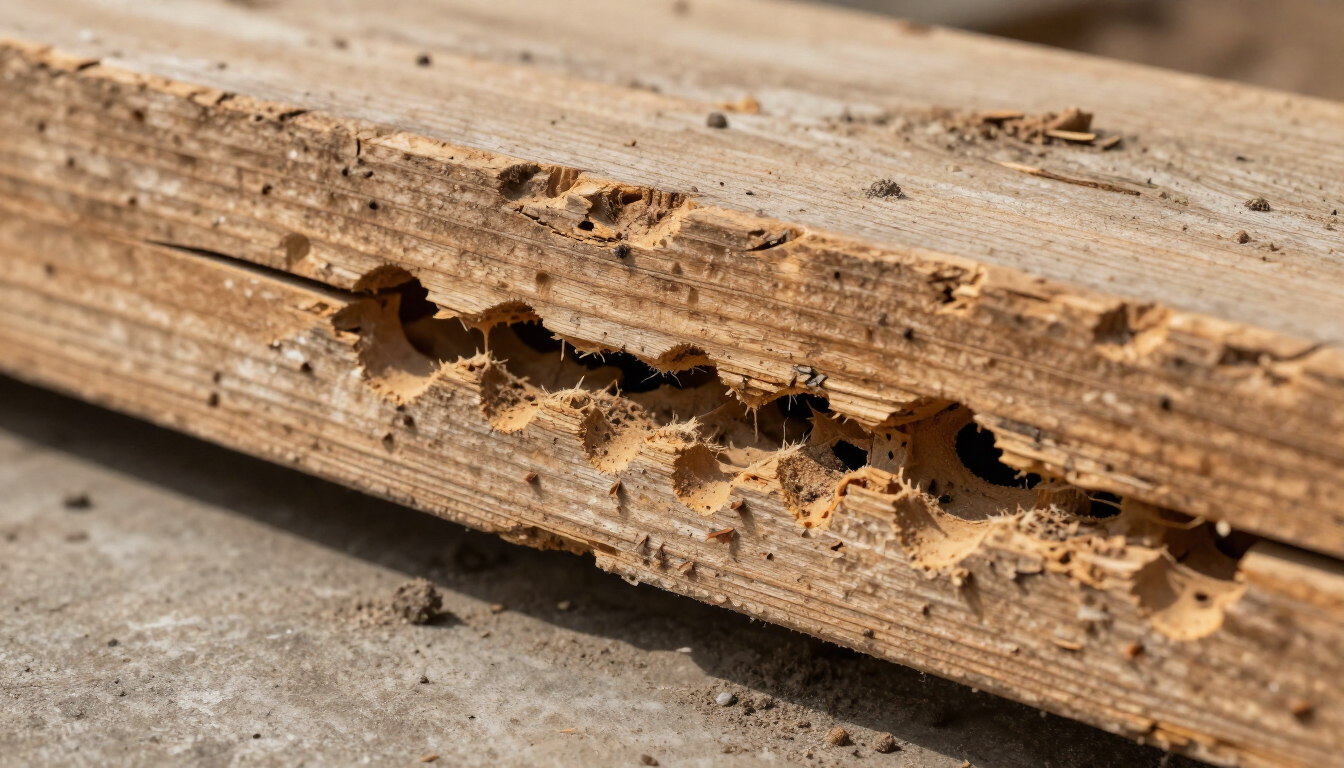
Yes, mold is more than just an aesthetic or health concern; it is a biological agent that feeds on organic material. Most residential structures are built using wood framing, which provides the perfect food source for mold when moisture is present. Over time, mold secretes enzymes that break down the cellulose in wood, leading to wood rot and significant structural weakening.
If left unaddressed, this can lead to sagging floors, compromised wall studs, and even roof failures. In crawl spaces, the combination of high humidity and mold often leads to the deterioration of floor joists. This is why our services extend beyond simple cleaning to include Joist Repair and Structural Repairs . When mold has eaten away at the structural