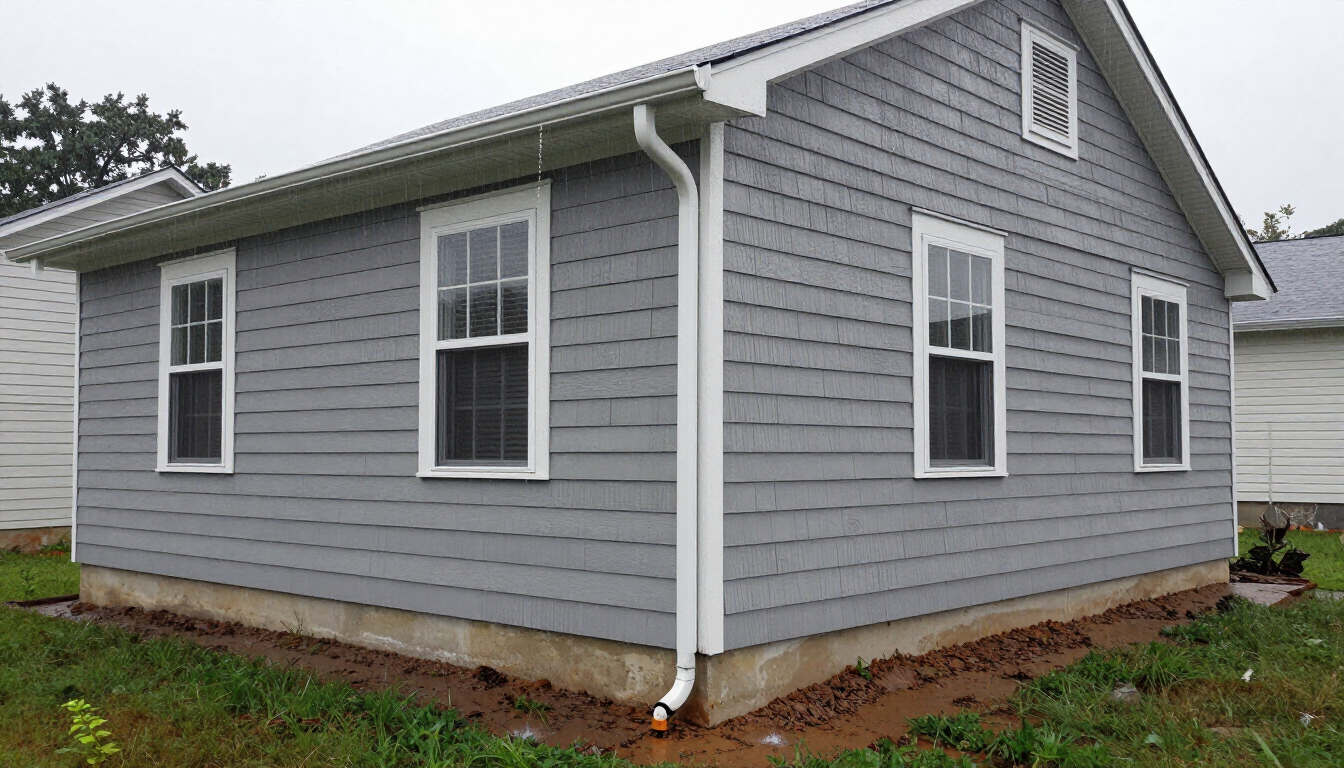
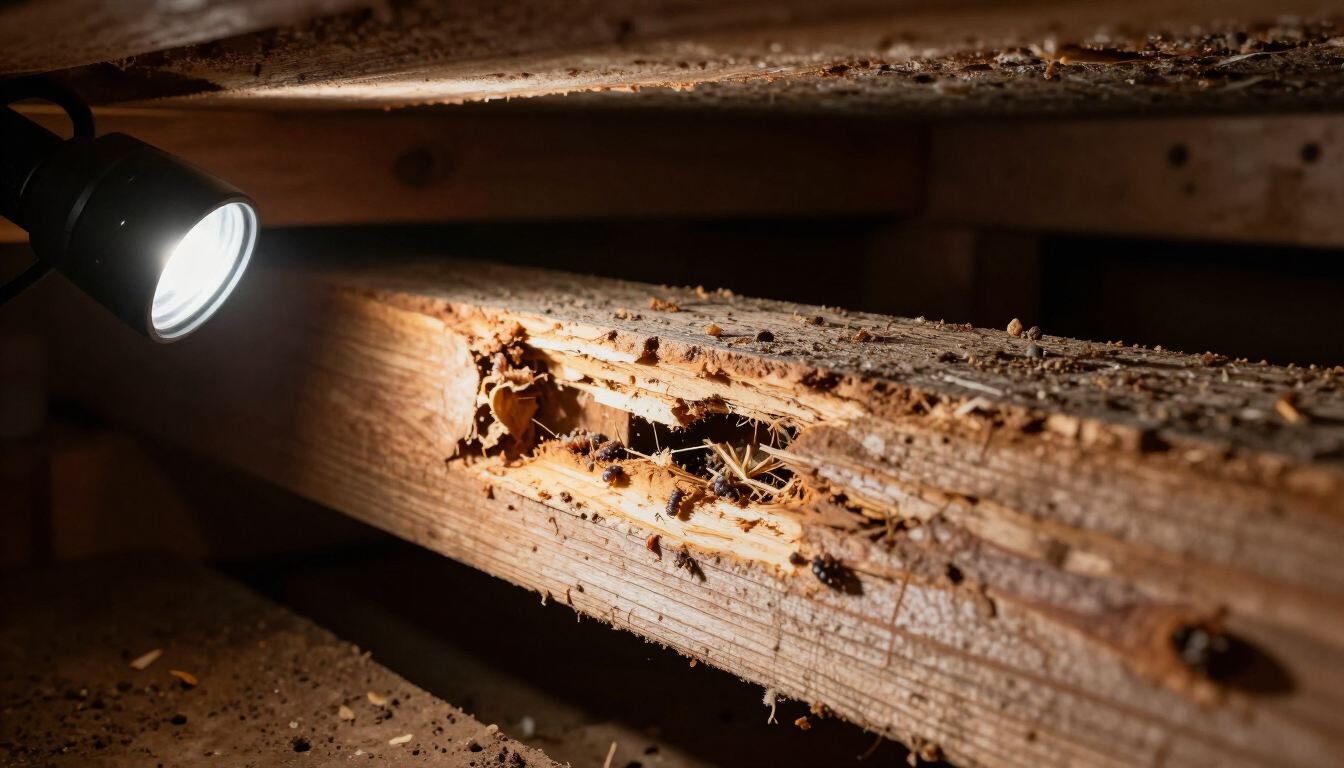
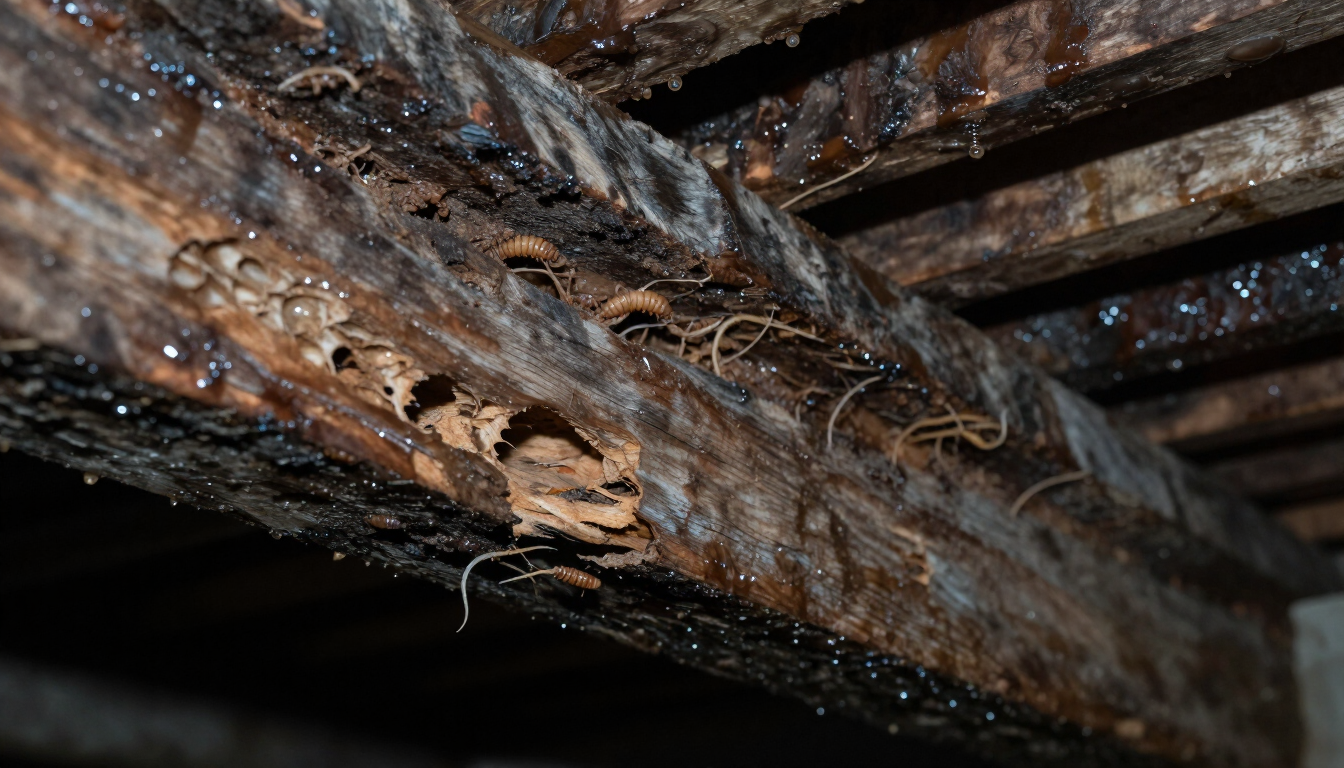
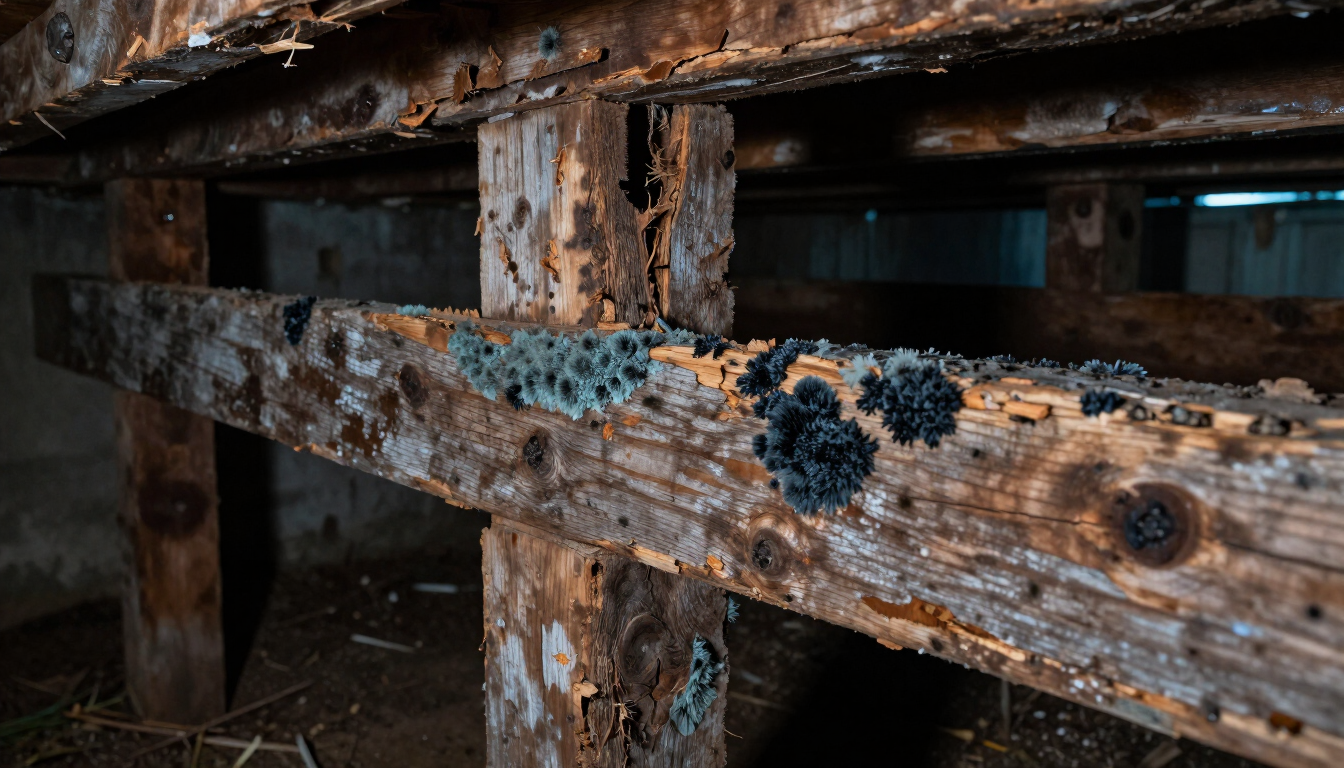
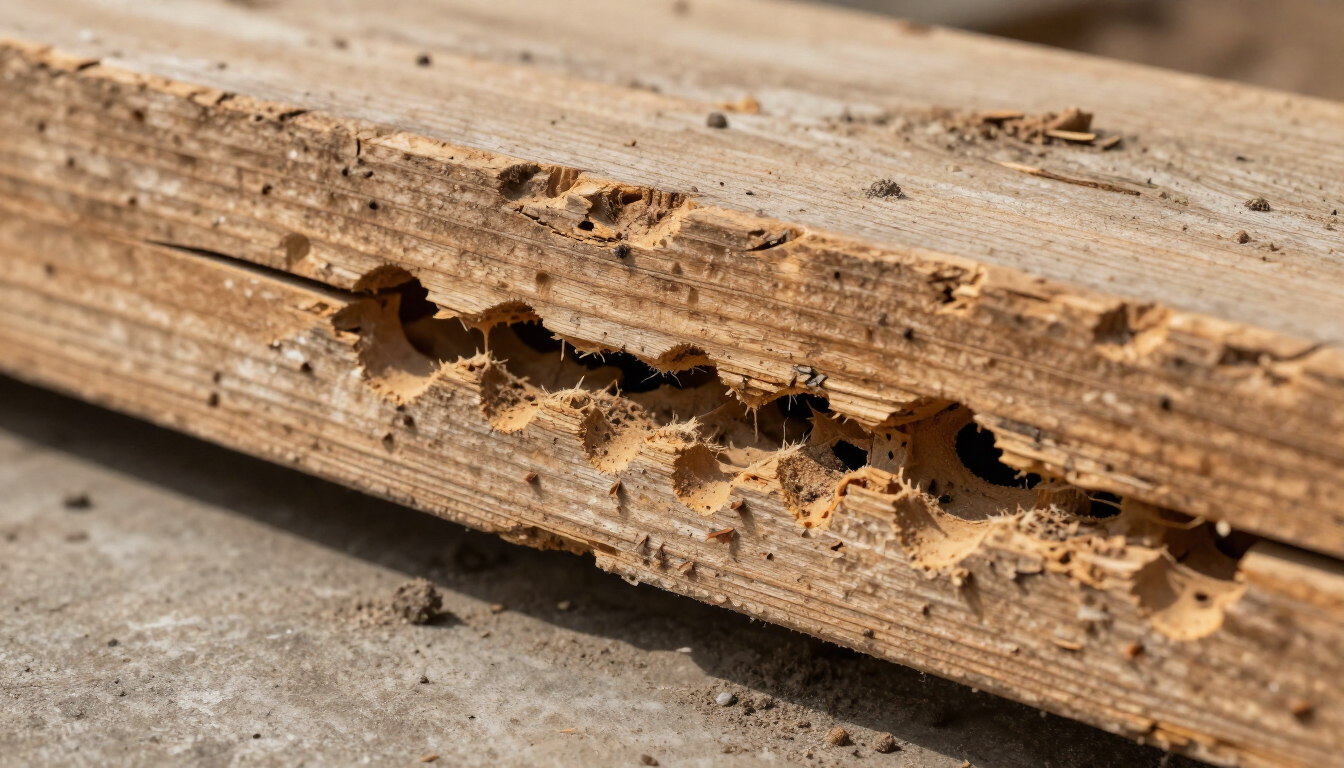
Furthermore, many homes in our region are built on slopes or in areas with high water tables. If your home's grading—the slope of the land around the perimeter—has settled over the years, it may now be directing surface water toward the house rather than away from it. Even a slight change in grade—as little as an inch of negative slope over ten feet—can redirect hundreds of gallons of water toward your foundation during a single storm rather than away from it.
How Strategic Drainage Breaks the Cycle
The fix isn't more gutter capacity—it's redirecting where that water lands once it hits the ground. A few proven approaches work together to relieve hydrostatic pressure before it ever reaches your foundation walls:
- Downspout extensions. Extending discharge points to a minimum of 10 feet from the foundation—often further on clay-heavy lots—keeps concentrated water away from the footing entirely.
- Regrading the perimeter. Restoring a positive slope (away from the house) along the first 6–10 feet of your foundation stops surface water from pooling against the walls in the first place.
- French drains and perimeter drainage systems. For homes where regrading alone isn't enough—tight lot lines, low areas, or homes already showing seasonal water intrusion—a French drain intercepts groundwater before it reaches the foundation and channels it to a safe discharge point.
- Interior perimeter drain with sump pump. In basements already experiencing water intrusion, an interior drain tied to a sump pump manages hydrostatic pressure from the inside, giving water an escape route instead of a wall to push against.
None of these solutions work in isolation. A downspout extension without proper grading just moves the puddle a few feet further out. A French drain installed without addressing gutter discharge is fighting a losing battle against thousands of gallons of concentrated roof runoff. Effective foundation crack repair treats water management as a system, from roofline to footing.
Signs Your Foundation Needs Professional Attention
Not every hairline crack is an emergency, but certain signs point to active hydrostatic pressure and warrant a professional evaluation:
- Horizontal cracks in basement or crawl space walls (a strong indicator of soil pressure, not just settling)
- Cracks that appear to widen seasonally, especially after heavy rain
- Doors or windows that stick more during wet months
- Musty odors or visible efflorescence (white, chalky mineral deposits) on foundation walls
- Bowing or leaning in basement walls
If you're noticing any of these alongside persistent dampness, the crack itself is a symptom—the underlying water management problem is what needs to be solved.
Protecting Your Home for the Long Term
Southern Maryland's clay soil isn't going away, and neither is our seasonal rainfall pattern. But a home with properly managed drainage—correct grading, adequate downspout discharge, and drainage systems sized for the property—can handle that cycle without new cracks forming year after year.
If you're dealing with foundation cracks despite recent gutter upgrades in
Calvert County,
St. Mary's County, or
Charles County, Home Services Restoration can evaluate both your foundation and your drainage system together—not just patch the crack, but solve the water problem causing it. Call (240) 237-8045 to schedule an inspection.