

Stop Termites: Southern MD Humidity & Prevention Guide

Share this article

stop termites in southern md

Southern MD termite prevention requires controlling indoor humidity and moisture levels. High humidity softens wooden structures, creating a primary food source for termites. By implementing crawl space encapsulation and dehumidification, homeowners can eliminate the damp environment these pests need to survive, effectively protecting their home's structural integrity.

Why is Southern Maryland a Termite Hotspot?

If you live in Southern MD , you are already familiar with the thick, heavy air that settles over the region during the summer months. From the waterfront properties in Calvert County to the wooded lots of St. Mary's County , the environment is naturally predisposed to high moisture. Unfortunately, what is uncomfortable for us is a paradise for eastern subterranean termites.

These pests do not just wander into homes by accident; they follow moisture gradients. Soil with high water content and humid crawl spaces act as beacons. In our region, the relative humidity often exceeds 70% inside crawl spaces and basements, which is well above the threshold where wood begins to absorb moisture from the air. When wood becomes "soft" due to high moisture content, it becomes significantly easier for termites to consume and navigate. This is why local homeowners must prioritize moisture control as the first line of defense in their maintenance strategy.

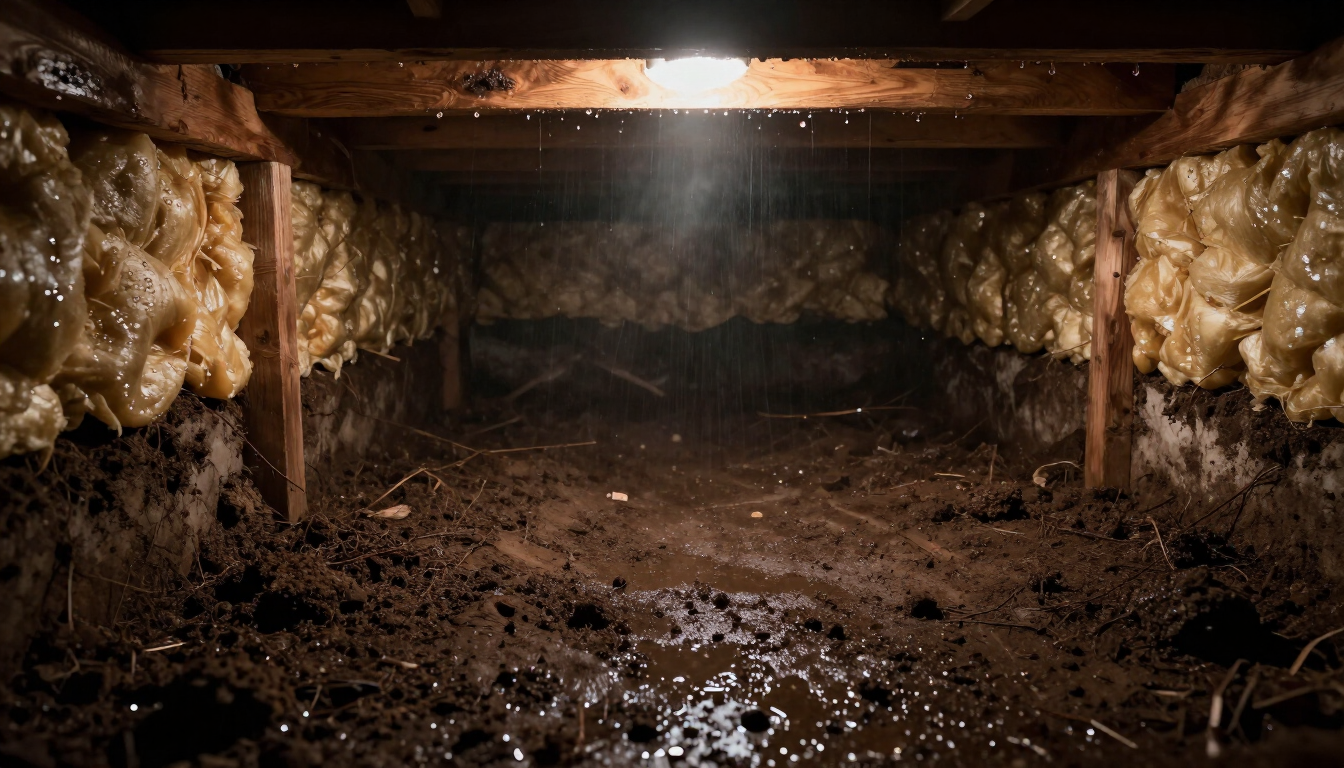
Damp crawl space with visible moisture issues

How Does Humidity Lead to Termite Infestations?

Termites are soft-bodied insects that dry out very easily. To survive, they must stay in high-moisture environments. While most people think termites only enter a home through a direct leak or wood-to-soil contact, the truth is that atmospheric humidity in Charles County is often enough to sustain a colony.

When your crawl space or attic isn't properly ventilated or sealed, the humidity rises. This moisture seeps into your floor joists and subflooring. Damp wood is not only easier for termites to chew through, but it also begins to decay, often leading to a need for mold remediation . The combination of fungal decay and termite activity can destroy the structural stability of a home faster than either could alone. This biological synergy makes the "muggy" feeling in your home more than just an inconvenience—it is a structural threat.

Signs Your Home Has a Moisture and Termite Problem

Identifying the problem early is the best way to avoid the need for massive structural repairs later. Because termites often work from the inside out, the damage isn't always visible on the surface of the wood. You have to look for the subtle clues left behind by both the moisture and the insects.

  • Mud tubes along your foundation: These pencil-thin tunnels protect termites from drying out as they travel from the soil to your home.
  • Soft or hollow-sounding wood: Tap on your floor joists; if they sound empty or give way easily, the interior has likely been consumed.
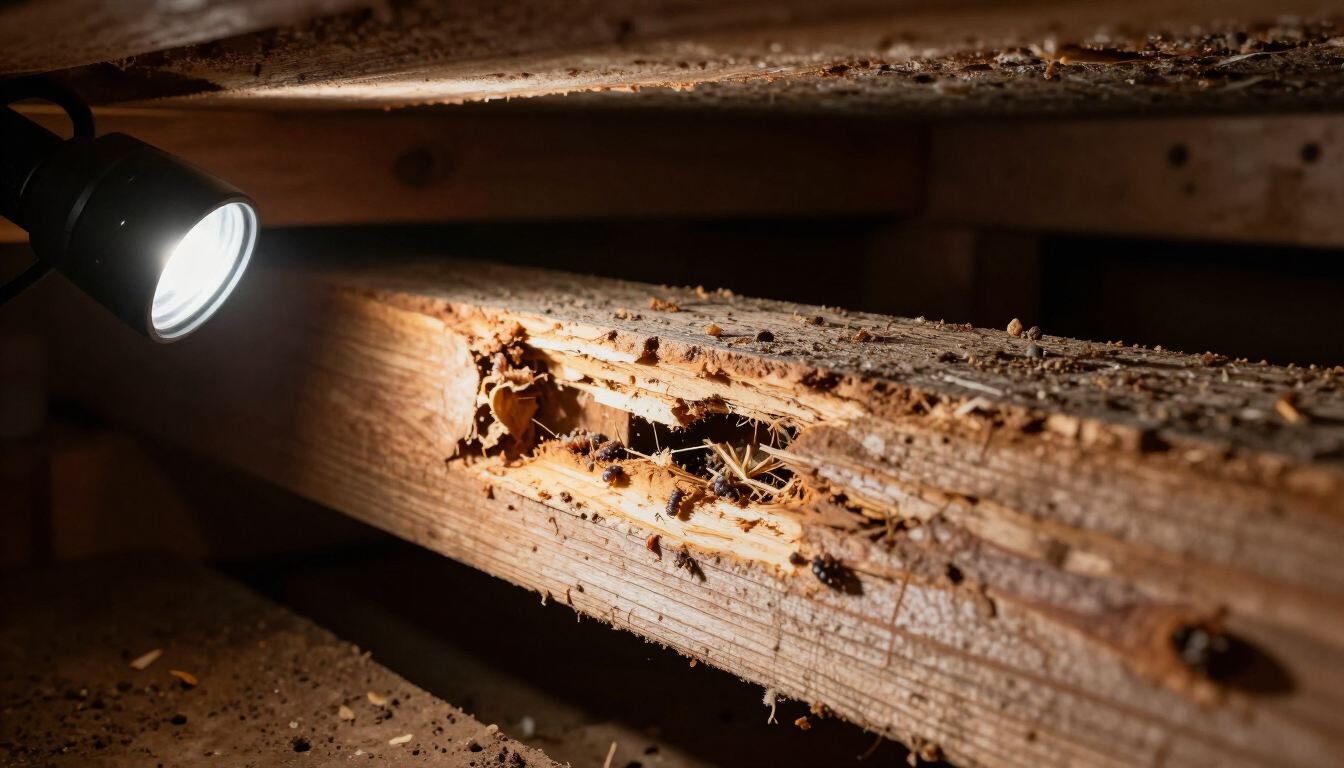
  • Frass (Termite droppings): This looks like small piles of sawdust or salt-and-pepper grains near wooden structures.
  • Condensation on pipes: If you see water beads on your plumbing in the crawl space, the humidity is high enough to attract pests.
  • Musty odors: A heavy, earth-like smell often indicates both active mold growth and high insect activity.

Can Dehumidification Stop Termite Damage?

Yes, dehumidification is one of the most effective tools for long-term Southern MD termite prevention. By maintaining a relative humidity level below 50%, you create an environment that is hostile to wood-destroying organisms. Termites cannot thrive in dry wood, and the fungi responsible for wood rot cannot grow without sufficient moisture.

Installing a commercial-grade dehumidifier in your crawl space or basement does more than just protect the wood. It improves your home's overall indoor air quality by preventing mold spores from circulating into your living space. For homeowners in the Chesapeake Bay area, a standard hardware-store dehumidifier is usually insufficient. You need a system designed to handle the heavy latent load of Maryland’s coastal climate. Professional installation ensures the unit is drained properly, often integrated into a sump pump system, so you don't have to manually empty buckets in a cramped crawl space.

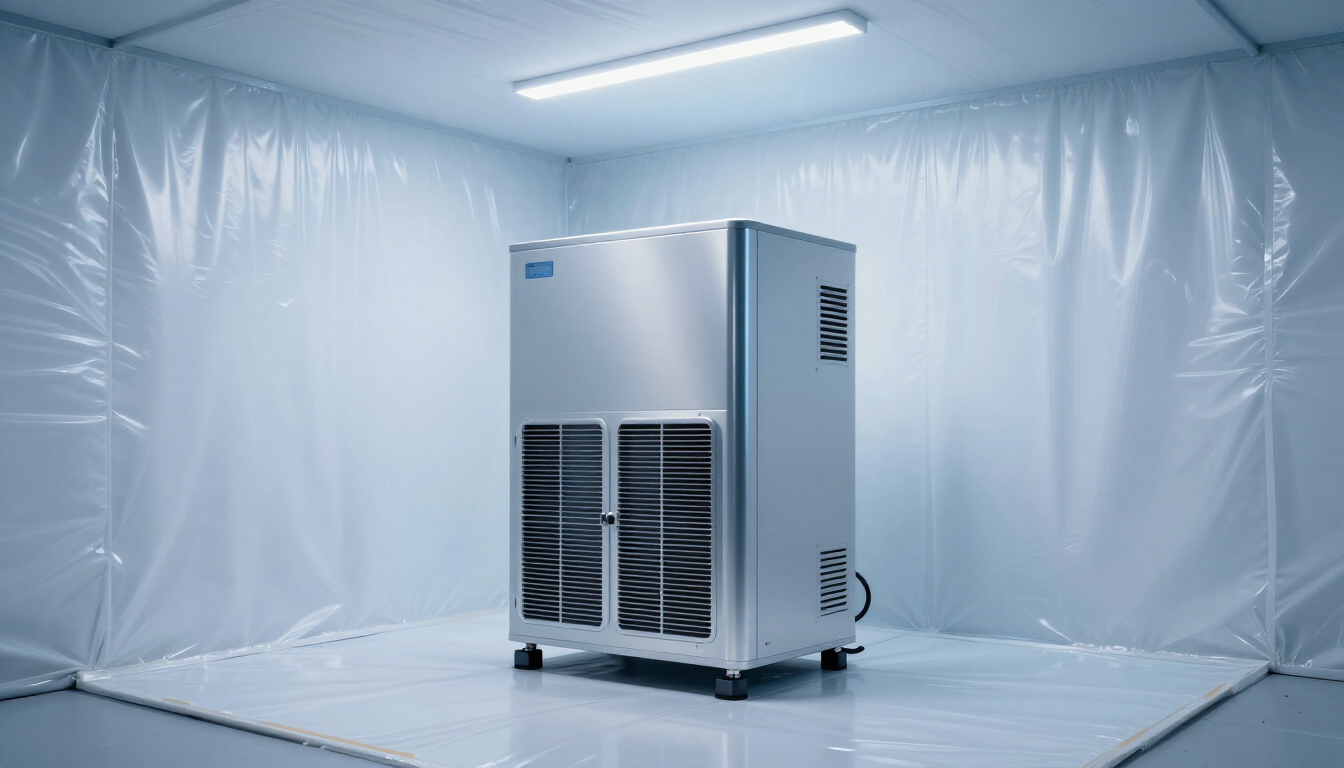
A professional grade dehumidifier installed in a clean crawl space

The Link Between Mold Growth and Wood-Destroying Insects

It is rarely a coincidence when a home has both a mold problem and a termite problem. They are two sides of the same coin: excessive moisture. Mold softens the cellulose in the wood, making it "pre-digested" for termites. This allows the colony to grow faster and do more damage in a shorter period.

If you discover mold in your home, it is a red flag that your wood is at risk for infestation. At Home Restoration Services, we often find that when we are called in for crawl space & attic services , the moisture that caused the mold has also invited termites or carpenter ants. Addressing only the insects with chemicals without fixing the moisture issue is a temporary fix. To truly protect the home, you must address the root cause—the water.

What Steps Should You Take for Southern MD Termite Prevention?

Preventing an infestation is significantly cheaper than repairing a collapsed floor. If you are worried about the humidity in your home, follow this strategic plan to harden your structure against pests.

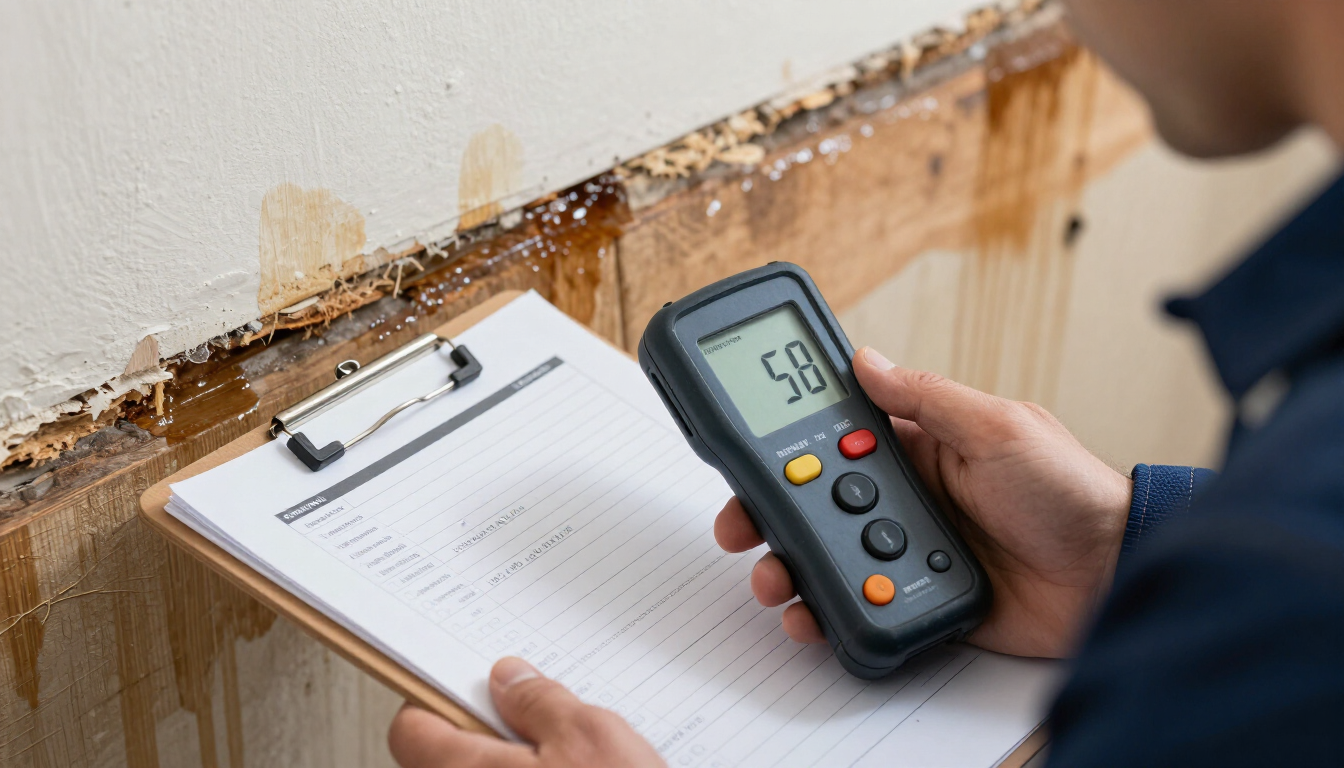
  1. Schedule a Moisture Inspection: Have a professional check the moisture content of your wood beams. Anything over 18% is a danger zone.
  2. Invest in Crawl Space Encapsulation: This involves sealing the floor and walls with a heavy-duty vapor barrier to keep ground moisture out.
  3. Repair Foundation Cracks: Foundation crack repair prevents termites from using tiny fissures as highways into your home.
  4. Maintain Your Gutters: Ensure water is moving away from your foundation to prevent the soil around your home from becoming a termite breeding ground.
  5. Monitor Your Attic: Ensure your attic has proper airflow or is conditioned to prevent the same humidity issues that plague crawl spaces.

By taking these steps, you are not just preventing bugs; you are preserving the resale value and safety of your property. Crawl space encapsulation is particularly effective in our local climate because it creates a permanent physical barrier between the damp earth and your home’s wooden bones.

Protecting Your Foundation and Structural Integrity

When termites have already caused damage, the focus shifts from prevention to restoration. Because Home Restoration Services holds a Maryland Home Improvement Commission license (MHIC #143012), we provide a level of service that standard pest control companies cannot. We don't just stop the pests; we rebuild what they destroyed.

If termites have compromised your home's skeleton, you may require joist repair or structural wall straps . These solutions reinforce the foundation and floor system, ensuring your home remains level and safe. We specialize in complex remodeling and restoration projects that take a space from "ruined by decay" to "better than new." Whether it's sealing foundation cracks or performing a full-scale crawl space restoration, our goal is to ensure the damage never returns.

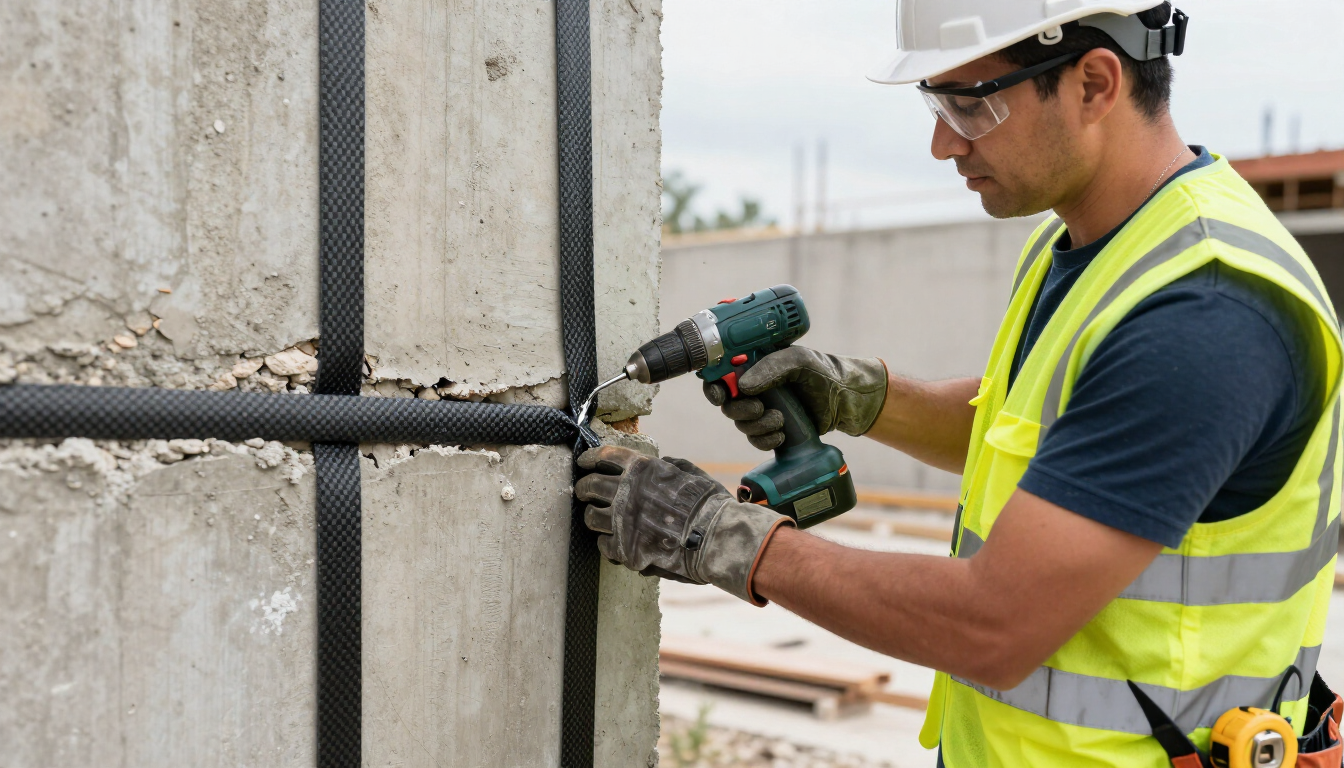
Workers reinforcing a basement wall with carbon fiber straps

Summary of Southern MD Termite Prevention Strategies

To keep your Southern Maryland home safe from termites, you must view moisture control as an essential part of your pest management plan. The high humidity in our region provides the perfect environment for wood-destroying insects, but you can fight back by drying out your home's structure.

Key Takeaways for Homeowners:

  • Lower Humidity: Keep crawl space and basement humidity below 50% using professional dehumidification.
  • Seal the Environment: Use encapsulation to prevent ground moisture from entering the home.
  • Act Fast: Look for mud tubes and hollow wood; these are signs that damage is already occurring.
  • Choose Comprehensive Care: Work with a licensed contractor who can handle both the moisture remediation and the necessary structural repairs.

If you’ve noticed a damp smell or suspect termite activity, don't wait for the damage to spread. Contact us today for a thorough inspection and a customized plan to dry out and protect your home.

Recent Posts

Professional water damage documentation with moisture meter and clipboard
September 4, 2026
Learn how to document water damage properly in 48 hours to speed up your insurance claim. Get a moisture map, drying plan, and estimate template.
Close-up of termite mud tubes on a damp concrete foundation wall.
September 3, 2026
Learn why Southern MD's high humidity and high water table make your home a prime target for termites, and how moisture control can protect your property.
Professional crawl space encapsulation in Southern Maryland featuring a clean vapor barrier.
September 2, 2026
Learn why crawl space encapsulation in Southern MD is essential for home health. Discover the benefits, process, and costs for sealing your crawl space.

A professional grade dehumidifier working in a Maryland home.
September 1, 2026
Still smelling mold after a leak is fixed? Learn how professional dehumidification in Southern MD stops moisture from lingering in your walls and crawl spaces.
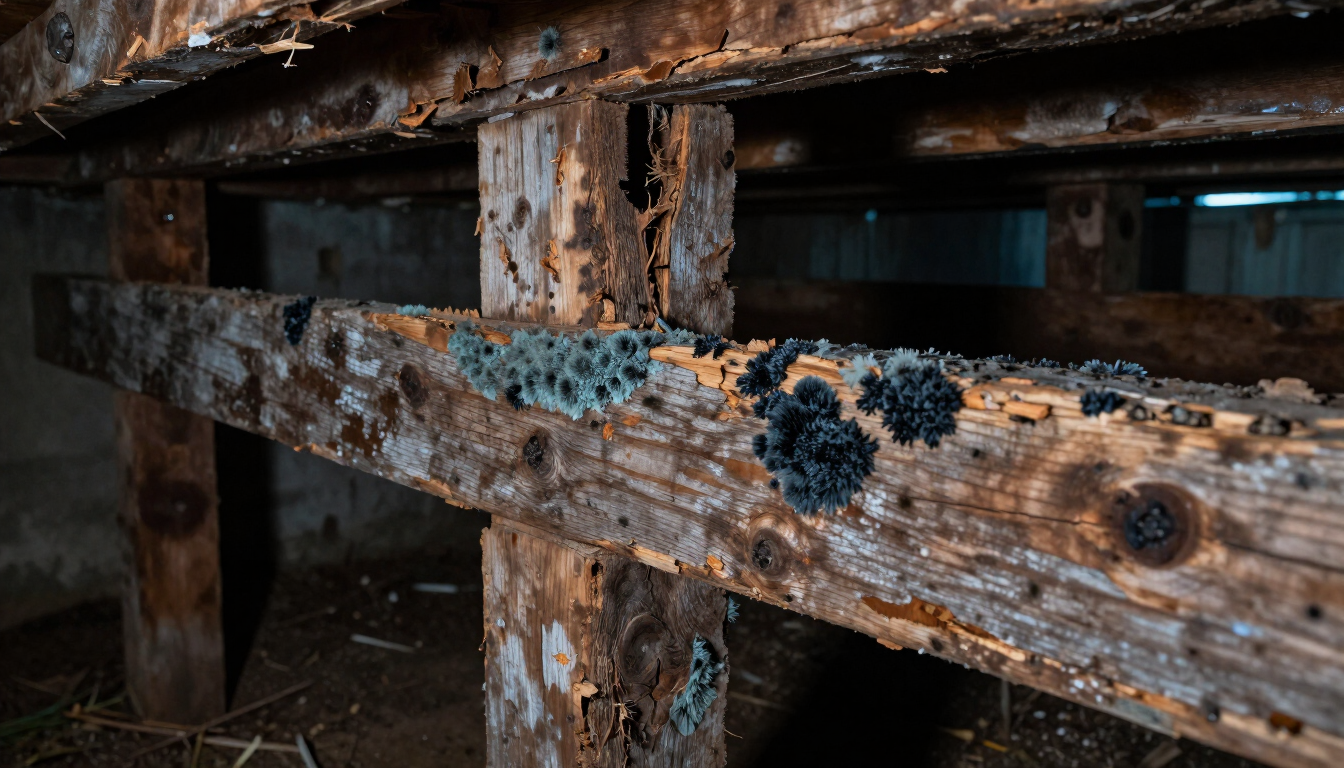
Structural mold damage on wooden joists.
August 5, 2026
Learn if mold is eating your home's structure and how to fix it. Discover signs of mold decay, structural risks, and expert remediation in Southern MD.

Hidden toxic mold discovered behind a wall during a professional home inspection in Maryland.
August 4, 2026
Discover the common hiding spots for toxic mold in Southern MD homes. Learn about detection, remediation, and structural repairs from licensed experts.
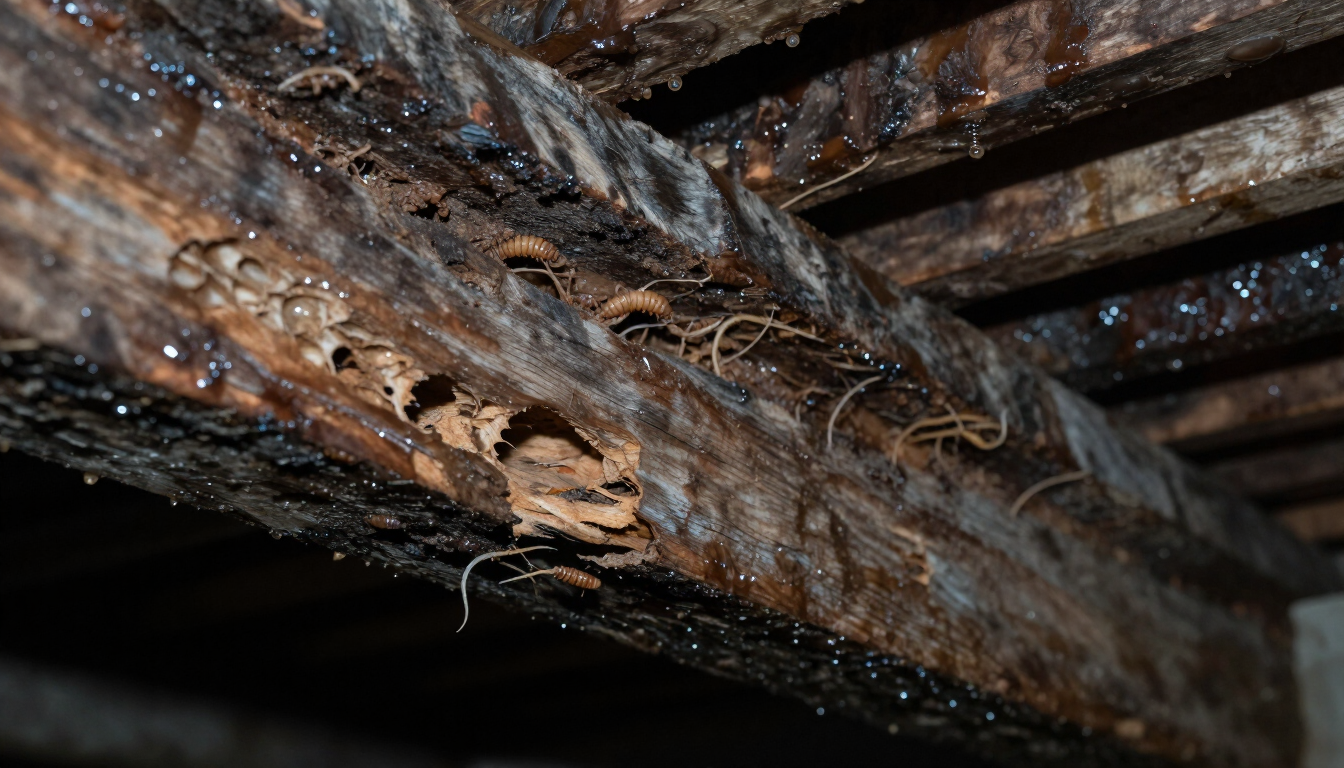
Termite damage to a wooden foundation beam.
August 3, 2026
Learn how wood-destroying insects like termites ruin foundations and why professional pest control and structural repair are critical for Maryland homes.
Close up of toxic mold growth on a damp basement wall structure
August 3, 2026
Discover the most common places toxic mold hides in your home, from crawl spaces to wall cavities. Learn how Home Restoration Services identifies and removes mold to protect your Southern Maryland home.
Local home restoration services team working on a Maryland property.
July 10, 2026
Learn why local home restoration services in Southern MD offer more than just repairs. Discover our community focus and partnership with Tunnel to Towers.
Mold growth near a water pipe and faucet aerator
June 25, 2026
Learn if mold can grow in your water pipes, how to spot the signs of contamination, and effective ways to ensure your home's water system remains safe and clean.
Show More