
Why Southern MD Moisture Is a Major Termite Concern

Share this article

Southern Maryland’s high moisture environment is a primary driver for termite infestations because subterranean termites require constant hydration to survive. High humidity and poor drainage saturate soil and timber, creating "termite highways" that allow these pests to bypass traditional barriers and rapidly consume structural wood.

Living in Southern MD offers beautiful waterfront views and lush landscapes, but it also presents a unique set of challenges for homeowners. The geographic positioning of St. Mary's County MD , Charles County MD , and Calvert County MD places properties right in the path of high humidity, heavy seasonal rainfall, and a high water table. These environmental factors do more than just make your summer days feel muggy; they create a perfect ecosystem for termites and other wood-destroying organisms to thrive.

Why is moisture a problem for termites in Southern MD?

Termites are biologically programmed to seek out moisture. Specifically, the subterranean termites common in Maryland live in the soil and must maintain a high level of humidity within their colonies to survive. When the ground surrounding your foundation remains saturated due to poor drainage or the naturally damp climate of the Chesapeake region, termites can move closer to the surface and more easily access your home’s wooden components.

Moisture acts as a beacon for these pests. When wood remains damp for extended periods, it begins to break down, becoming softer and easier for termites to chew through. This is why moisture control is the first line of defense in any integrated pest management strategy. Without addressing the water issues, even the best chemical treatments may eventually fail as the environment continues to invite new colonies to the area.

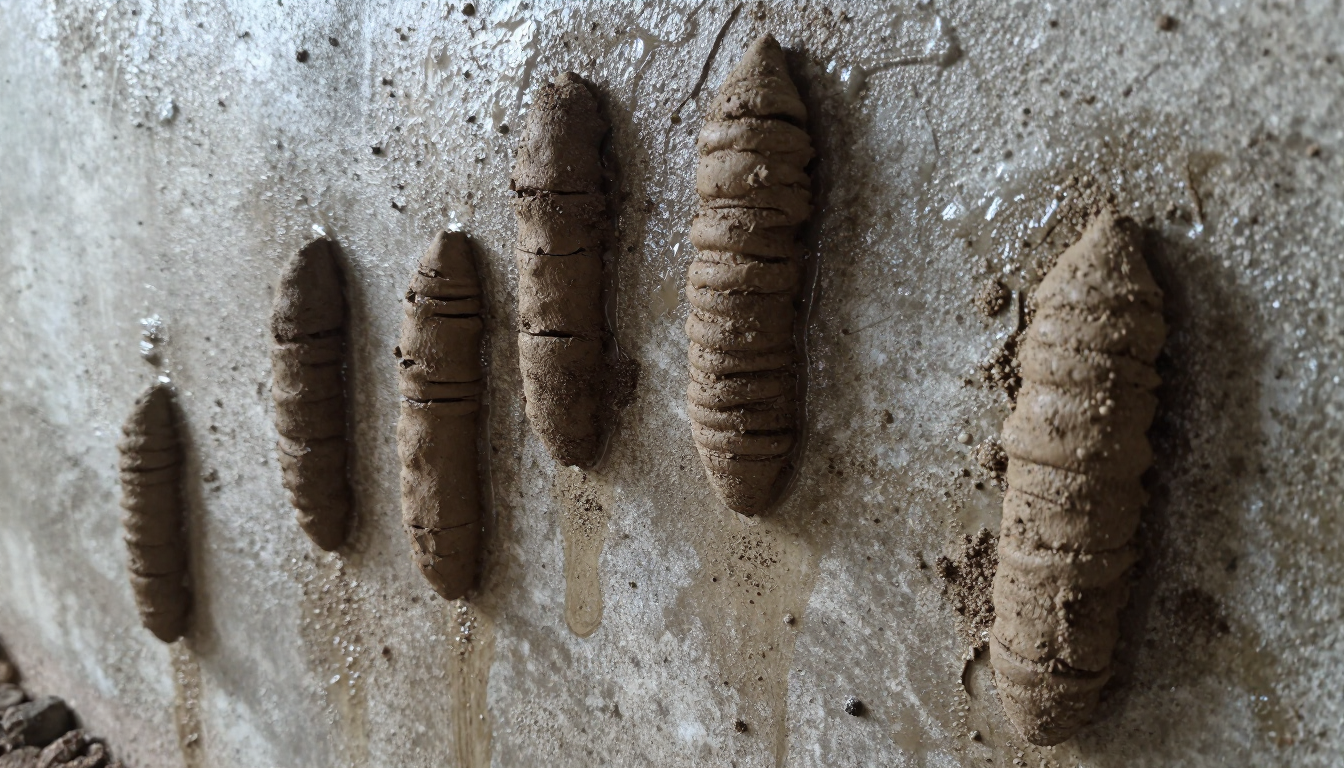
Subterranean termite mud tubes on a damp basement wall

The relationship between high humidity and termite infestations

High humidity levels in Southern Maryland often exceed 70% during the summer months. This atmospheric moisture doesn't just stay outside; it infiltrates crawl spaces and basements through vents and porous foundation walls. When the air inside these confined spaces is humid, condensation forms on floor joists, rim joists, and sill plates. This creates "wet wood," which is the preferred diet and nesting ground for termites.

Furthermore, humidity fosters the growth of wood-decay fungi. Many species of termites are actually attracted to the scent of fungal decay. The fungi soften the cellulose in the wood, making it a high-energy food source for the termite colony. By managing humidity through professional dehumidification , homeowners can significantly reduce the chemical signatures that draw termites toward their foundations.

How does moisture damage lead to termite attraction?

Moisture damage often manifests as wood rot or localized softening. In the context of Southern MD homes, this frequently occurs around window sills, door frames, and where the wooden structure meets the concrete foundation. When water seeps into these crevices—perhaps from a faulty gutter or a crack in the foundation—it creates a moisture bridge.

Termites use these bridges to travel from the safety of the moist earth into the heart of your home. If your foundation has issues, such as those requiring foundation crack repair , termites can use those tiny fissures as protected pathways. Once they find a source of damp wood, they establish a foothold that can lead to rapid structural deterioration.

Key reasons moisture attracts termites include:

  • Facilitating easier tunneling through softened timber.
  • Providing a source of metabolic water for the colony.
  • Signaling a hospitable environment for reproductive swarms.
  • Supporting the growth of fungi that termites prefer.
  • Reducing the effectiveness of dry-wood barriers.

Structural vulnerabilities caused by Southern MD's climate

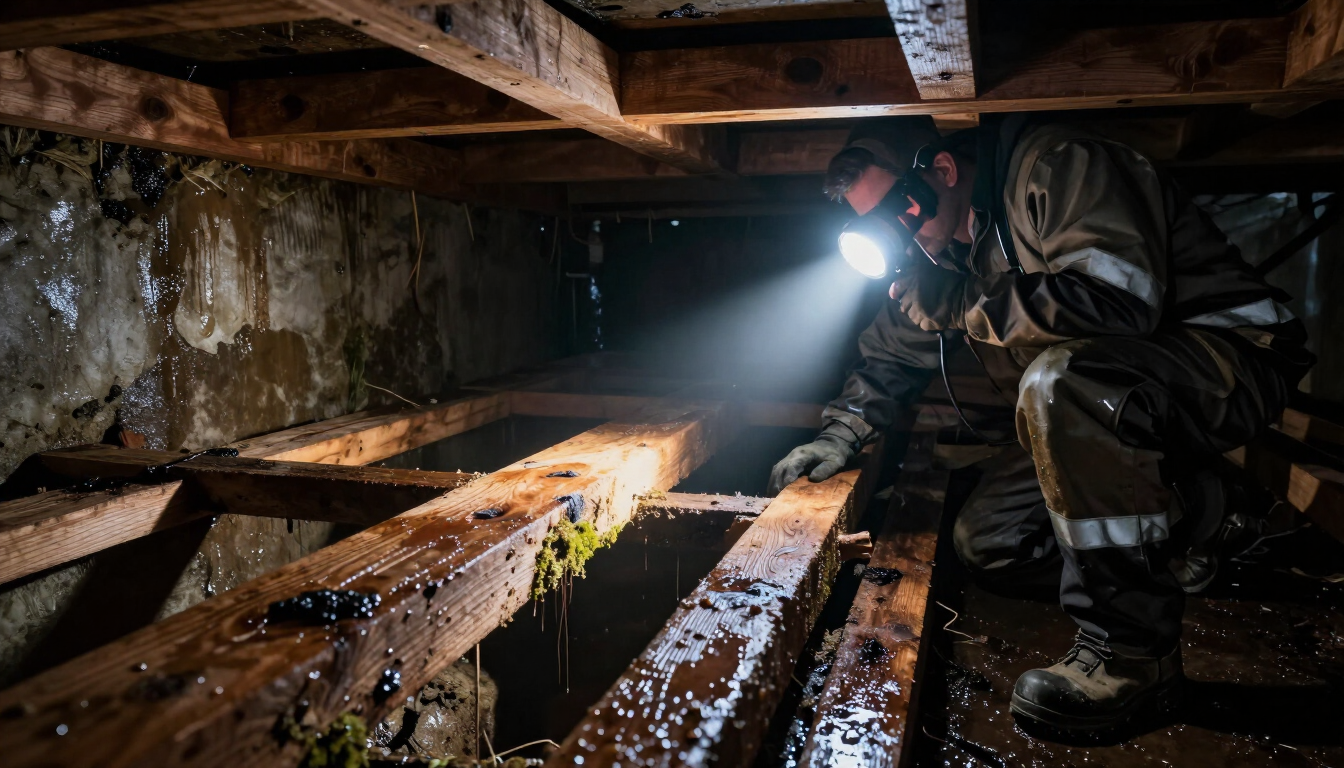
The coastal climate of Maryland is particularly hard on crawl spaces. Many older homes in the area were built with vented crawl spaces, a design once thought to keep the area dry but now known to pull in humid air. This moisture leads to sagging floors and compromised supports. When wood is under structural stress and also damp, it becomes even more vulnerable to termite attack.

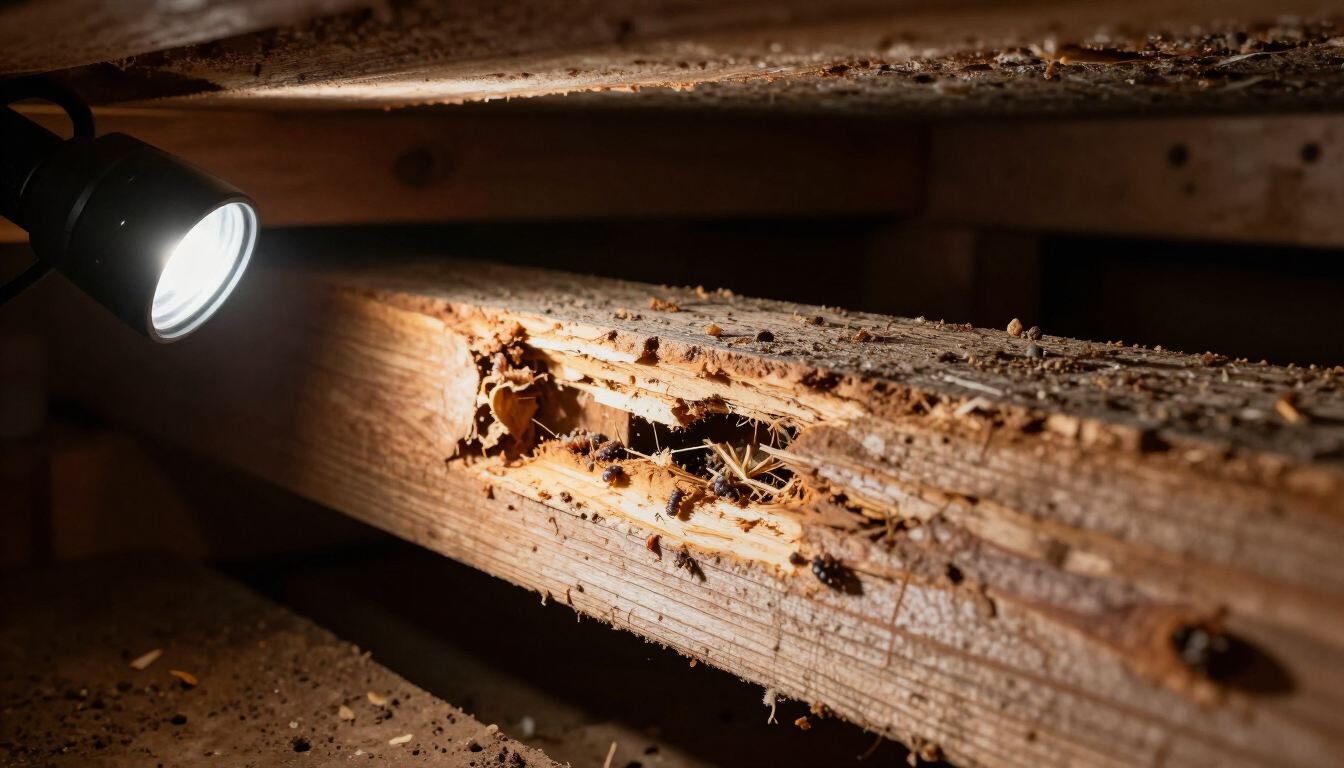
At Home Restoration Services, we often see cases where structural repairs are necessary because termites have hollowed out joists that were already weakened by moisture. If you notice your floors feel bouncy or uneven, it may be a sign that both water and pests have been working together to undermine your home's integrity. Addressing the joist repair without fixing the moisture source is only a temporary fix; the termites or rot will simply return to the new wood.

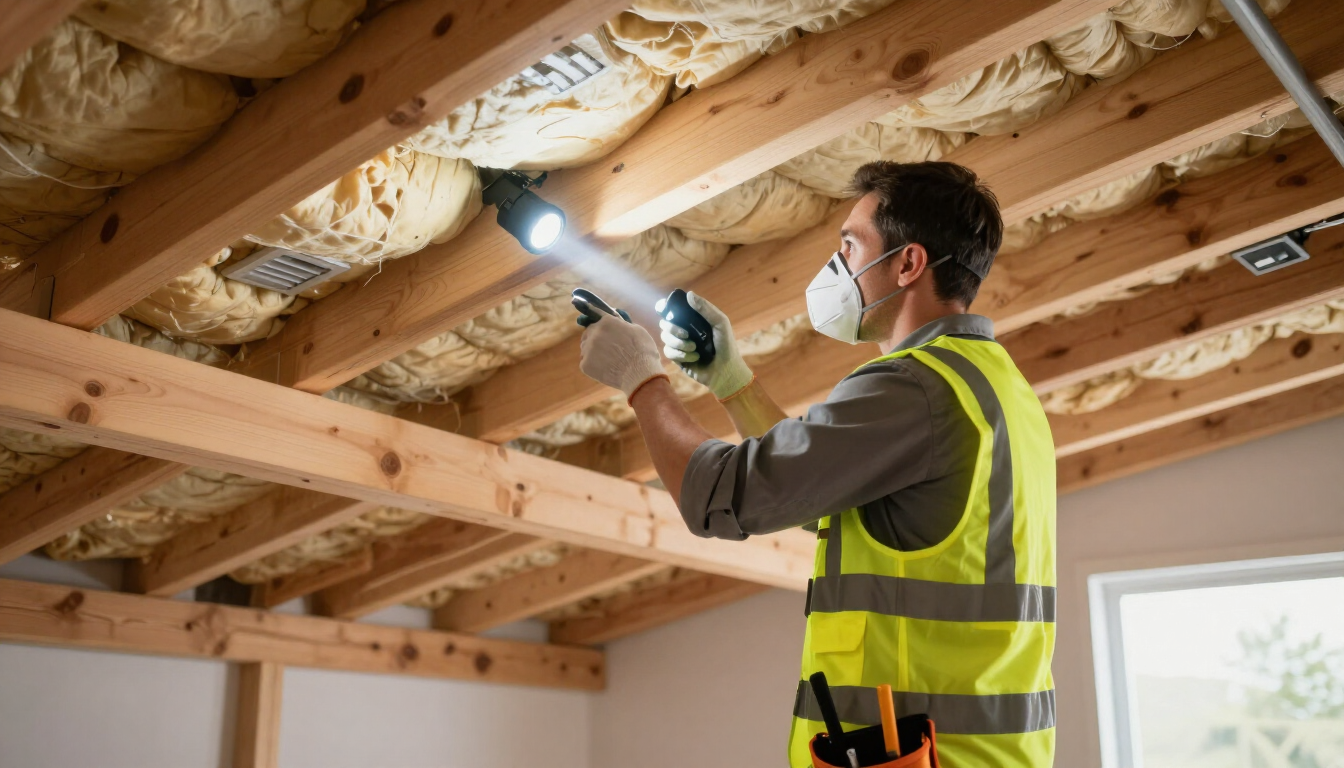
A technician inspecting a damp crawl space for moisture and pests

What are the risks of ignoring crawl space moisture?

Ignoring moisture in your crawl space is essentially an open invitation for a variety of home-destroying issues. In Southern Maryland, the risk isn't just a bit of dampness; it's the total loss of structural stability over time. When termites find a moist crawl space, they can remain undetected for years, eating through the main support beams that hold up your home.

Beyond termites, uncontrolled moisture leads to significant mold remediation needs. Mold spores thrive in the same conditions that termites love. This combination can lead to poor indoor air quality, which affects the health of everyone in the household. Furthermore, excessive moisture can cause the soil around your foundation to shift, leading to the need for structural wall straps to stabilize bowing walls.

Essential signs of termite and moisture damage in MD homes

Homeowners in Southern MD should be vigilant in inspecting their properties at least twice a year. Because termites and moisture often work in tandem, the signs can overlap. Early detection is the difference between a simple moisture barrier installation and a full-scale remodeling project to replace entire sections of your home.

Watch for these common indicators of trouble:

  • Mud tubes on the exterior or interior foundation walls.
  • A musty, earthy odor coming from the basement or crawl space.
  • Wood that sounds hollow when tapped or feels soft to the touch.
  • Discarded wings near windowsills or doors after a rainstorm.
  • Visible condensation on pipes or insulation in the crawl space.

How can Home Restoration Services help protect your foundation?

Unlike standard pest control companies who only focus on killing the pests, Home Restoration Services takes a holistic approach. Because we hold a Maryland Home Improvement Commission license (MHIC #143012), we understand the structural mechanics of your home. We don't just stop the termites; we repair the damage they’ve caused and eliminate the environmental conditions that invited them in the first place.

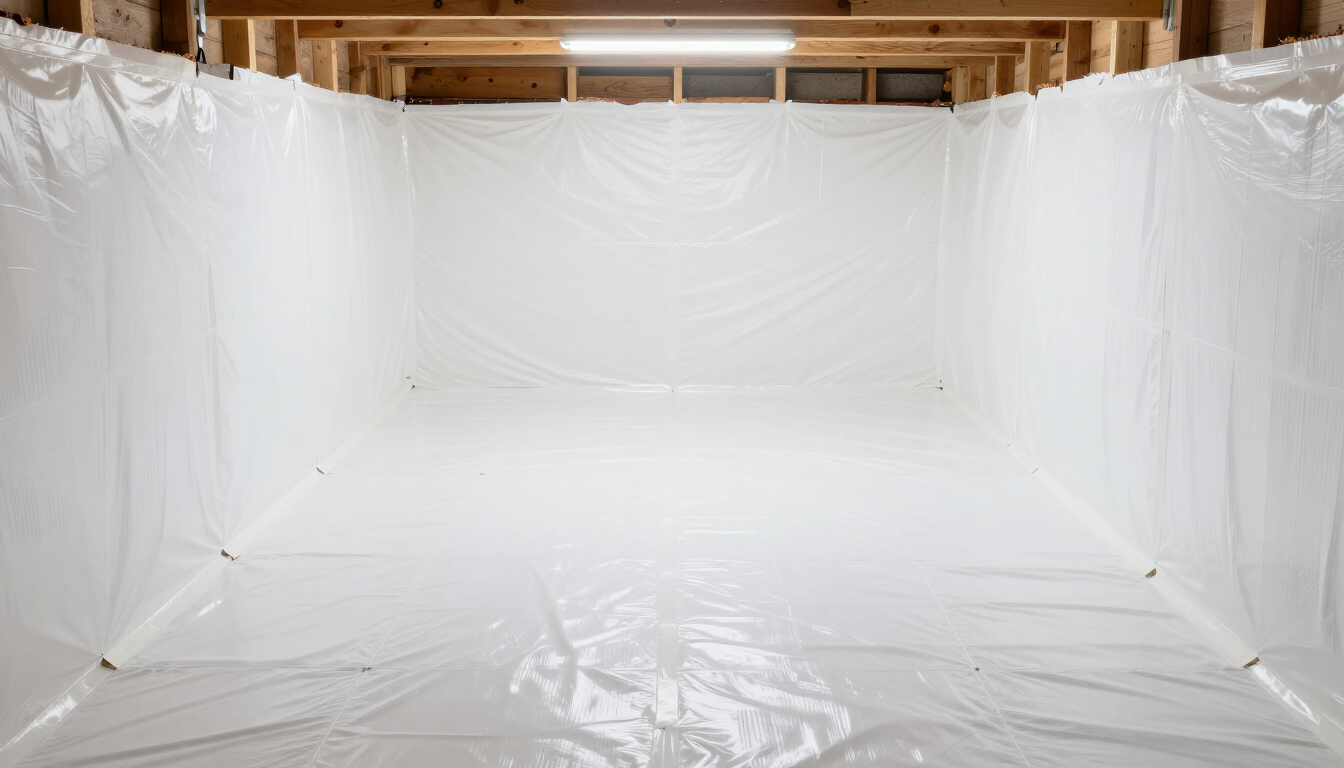
Our team specializes in crawl space & attic services , including full encapsulation. By sealing your crawl space and installing a commercial-grade dehumidifier, we turn a damp termite playground into a clean, dry, and conditioned space. We can also handle water damage mitigation and ensure your foundation is sealed against future intrusion.

A clean and encapsulated crawl space in a Southern MD home

Protecting Your Investment with Moisture Control

In conclusion, the high-moisture environment of Southern Maryland is a significant factor in local termite activity. By understanding that moisture is the primary attractant for these pests, homeowners can take proactive steps to safeguard their property. Effective termite prevention starts with managing the water around and under your home. This involves a combination of proper drainage, foundation maintenance, and humidity control.

Key Takeaways for Southern MD Homeowners:

  • Eliminate Moisture: Focus on crawl space encapsulation and dehumidification to remove the "termite magnet" from your foundation.
  • Monitor Foundations: Regularly check for mud tubes and wood softness, especially in Calvert and St. Mary's counties.
  • Structural Integrity: Address sagging floors or damp joists immediately with professional structural repairs .
  • Holistic Protection: Choose a contractor with an MHIC license who can handle both the moisture mitigation and the resulting structural restoration.
  • Proactive Maintenance: Ensure gutters and downspouts are moving water away from the house to keep the perimeter soil dry.

Recent Posts

Close up of termite damage in damp wood structure
September 5, 2026
Learn how Southern Maryland's high humidity attracts termites and discover effective prevention strategies like crawl space encapsulation and moisture control.
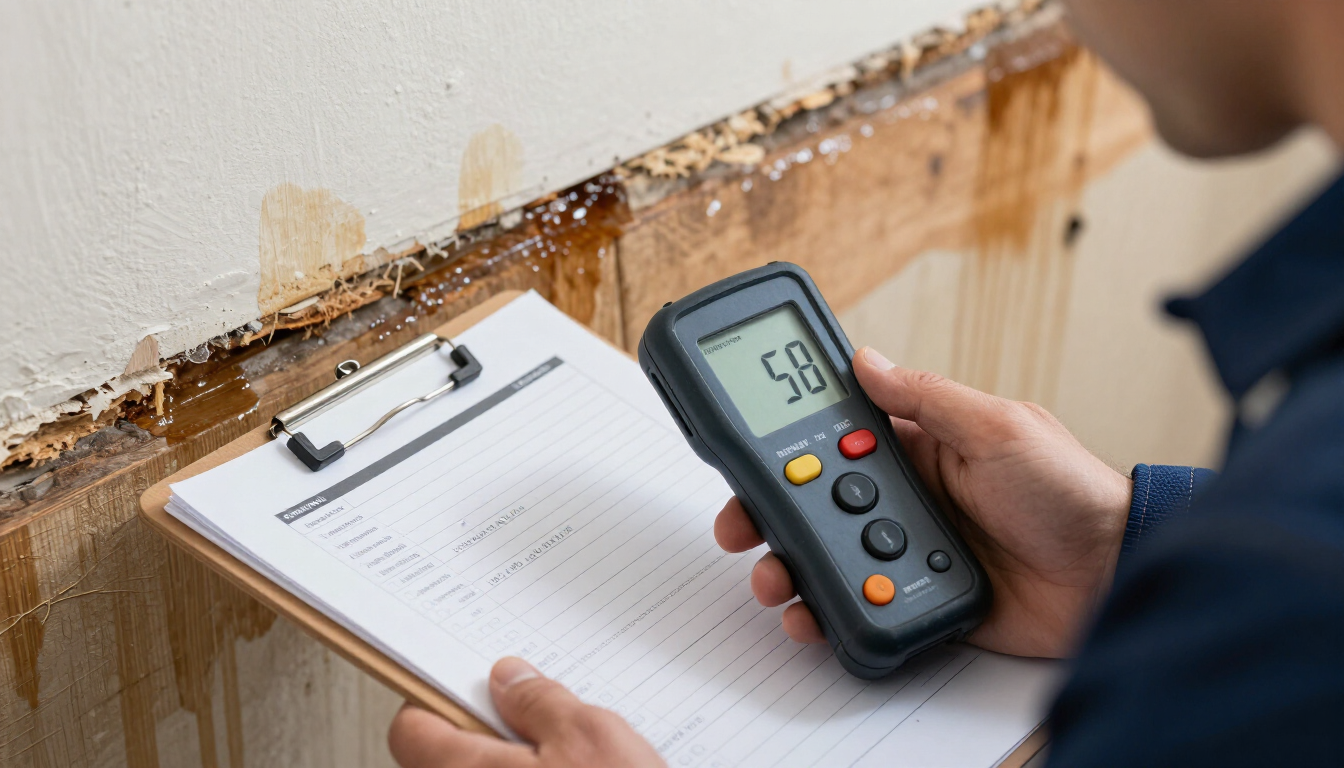
Professional water damage documentation with moisture meter and clipboard
September 4, 2026
Learn how to document water damage properly in 48 hours to speed up your insurance claim. Get a moisture map, drying plan, and estimate template.
Professional crawl space encapsulation in Southern Maryland featuring a clean vapor barrier.
September 2, 2026
Learn why crawl space encapsulation in Southern MD is essential for home health. Discover the benefits, process, and costs for sealing your crawl space.

A professional grade dehumidifier working in a Maryland home.
September 1, 2026
Still smelling mold after a leak is fixed? Learn how professional dehumidification in Southern MD stops moisture from lingering in your walls and crawl spaces.
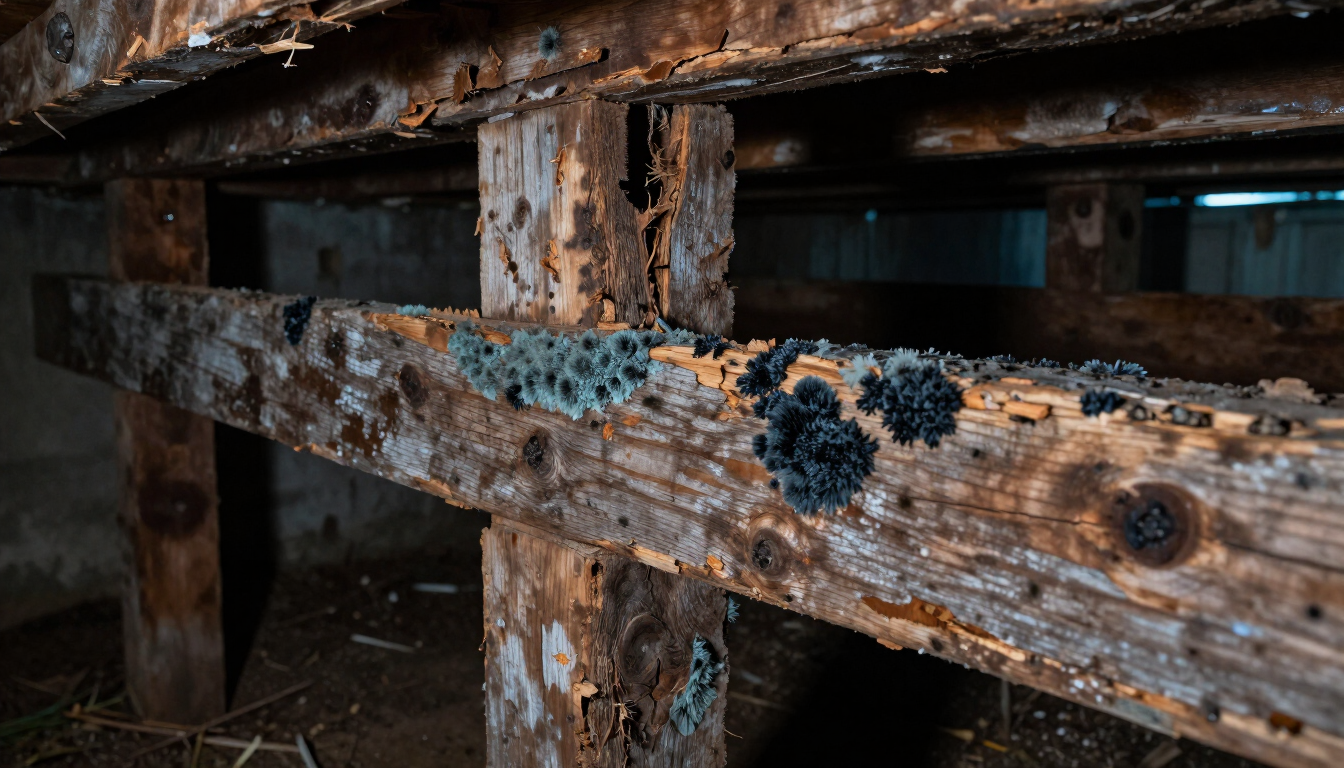
Structural mold damage on wooden joists.
August 5, 2026
Learn if mold is eating your home's structure and how to fix it. Discover signs of mold decay, structural risks, and expert remediation in Southern MD.

Hidden toxic mold discovered behind a wall during a professional home inspection in Maryland.
August 4, 2026
Discover the common hiding spots for toxic mold in Southern MD homes. Learn about detection, remediation, and structural repairs from licensed experts.
Termite damage to a wooden foundation beam.
August 3, 2026
Learn how wood-destroying insects like termites ruin foundations and why professional pest control and structural repair are critical for Maryland homes.
Close up of toxic mold growth on a damp basement wall structure
August 3, 2026
Discover the most common places toxic mold hides in your home, from crawl spaces to wall cavities. Learn how Home Restoration Services identifies and removes mold to protect your Southern Maryland home.
Local home restoration services team working on a Maryland property.
July 10, 2026
Learn why local home restoration services in Southern MD offer more than just repairs. Discover our community focus and partnership with Tunnel to Towers.
Mold growth near a water pipe and faucet aerator
June 25, 2026
Learn if mold can grow in your water pipes, how to spot the signs of contamination, and effective ways to ensure your home's water system remains safe and clean.
Show More