
5 Ways to Handle Termite Damage Treatment in 2026

Termite damage treatment requires identifying the colony source and applying specialized solutions like liquid barriers or baiting systems. Unlike DIY surface sprays, professional treatment addresses structural integrity and long-term prevention. Most insurance policies exclude this coverage, making professional restoration essential for protecting your home’s value and safety.
Does homeowners insurance cover termite damage?
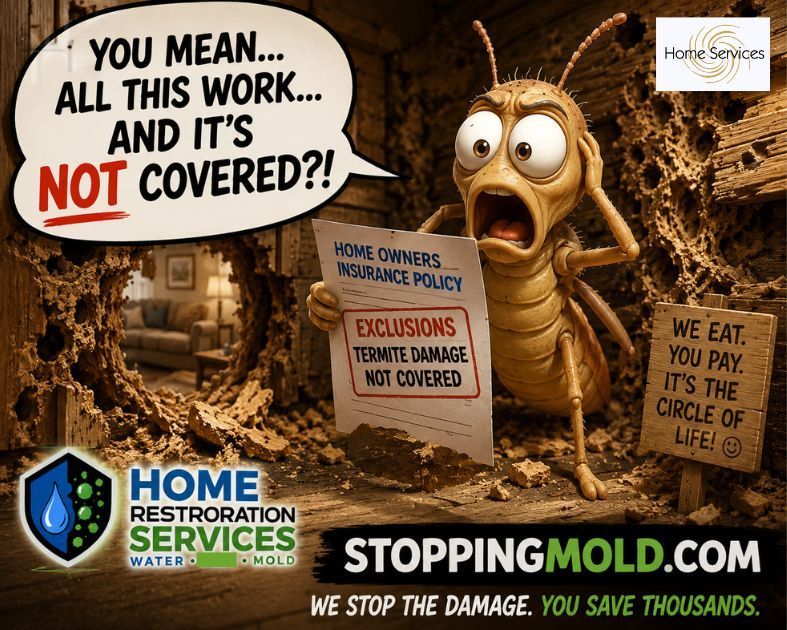
One of the most startling realizations for homeowners in Maryland is that standard homeowners insurance policies rarely, if ever, cover termite damage or removal. Insurance companies typically categorize termite infestations as a preventable maintenance issue rather than a sudden, accidental event like a fire or a storm. Because termites often work slowly over several years, the industry expects homeowners to perform regular inspections and preventative maintenance to avoid catastrophic failure.
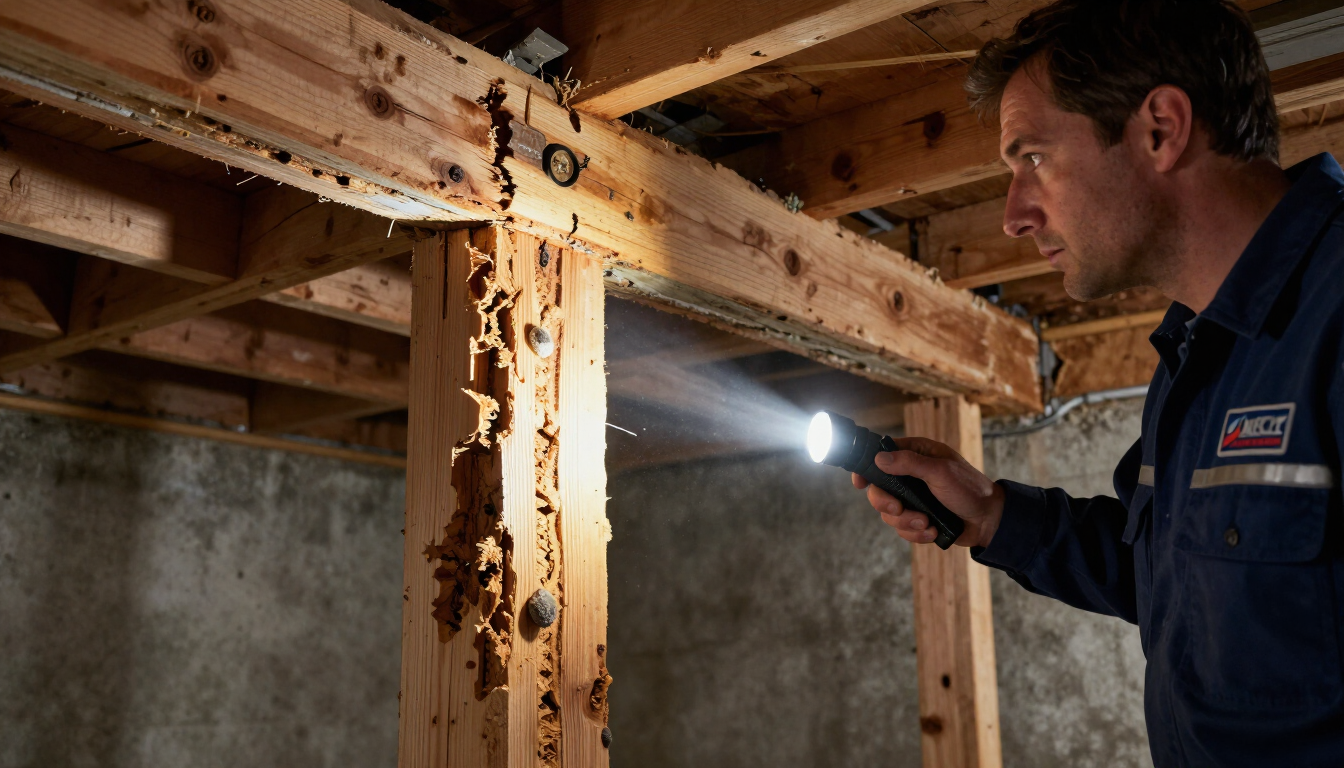
When you discover that your floor joists are sagging or your drywall is crumbling due to a hidden infestation, the financial burden of both the Pest Control and the subsequent Structural Repairs usually falls entirely on your shoulders. This makes the cost of professional intervention much more palatable when compared to the tens of thousands of dollars required for major reconstruction. Without a professional treatment plan, a small colony can eventually compromise the safety of the entire building, leading to a total loss of equity in your most significant investment.
Why is DIY termite spray ineffective?
It is tempting to head to a local hardware store in St. Mary’s County or Charles County and pick up a pressurized can of termite spray. While these products might kill the few termites you can actually see, they fail to address the fundamental problem: the colony. Subterranean termites, the most common type in our region, live deep underground or within the interior of your walls.
DIY sprays are typically "repellents" or instant-kill contact poisons. When you spray a visible gallery, you might kill a hundred workers, but the rest of the colony—which can number in the hundreds of thousands—simply detects the chemical and moves to a different part of your home. You haven't solved the problem; you've just moved it. Professional termite damage treatment utilizes non-repellent liquid technology or specialized baiting systems. These allow the termites to pass through the treated zone, pick up the slow-acting agent, and carry it back to the queen. This "transfer effect" is the only way to ensure the entire colony is eliminated at the source.
How can I tell if I have active termite damage?
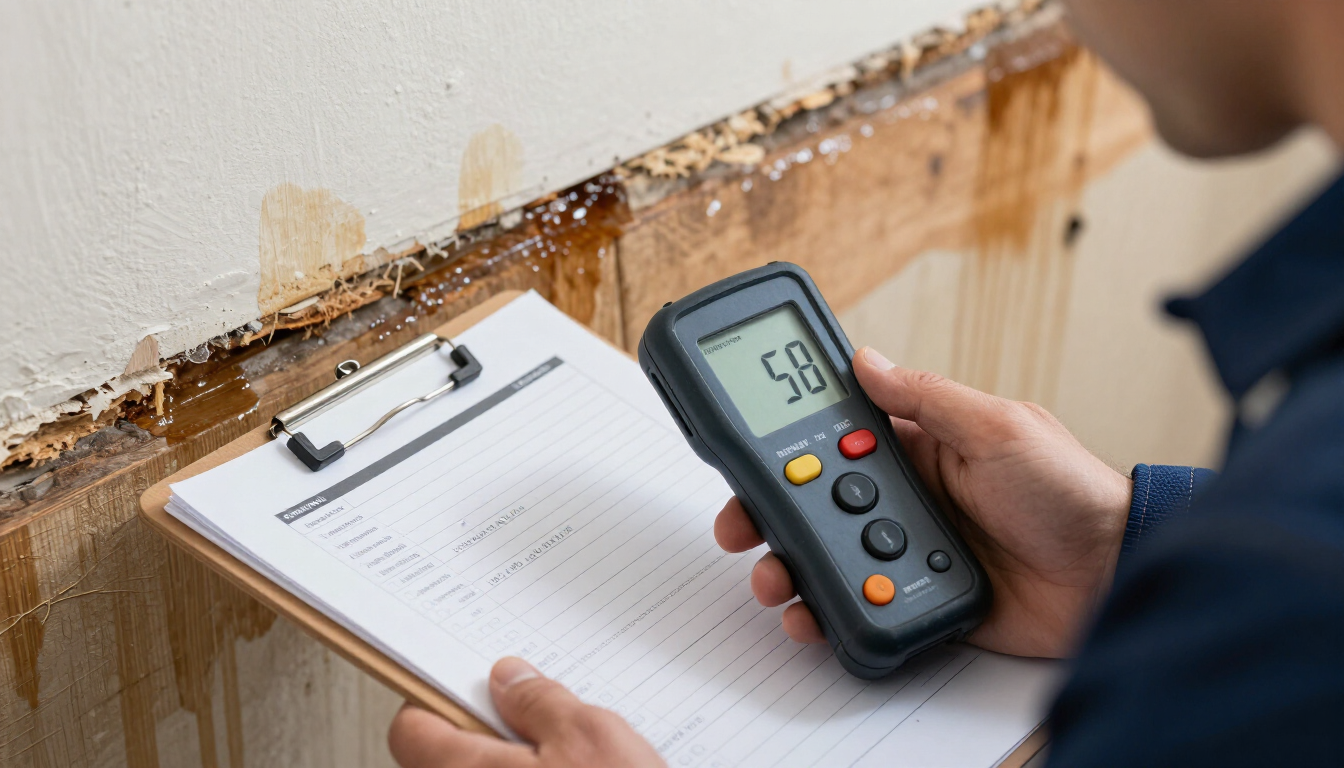
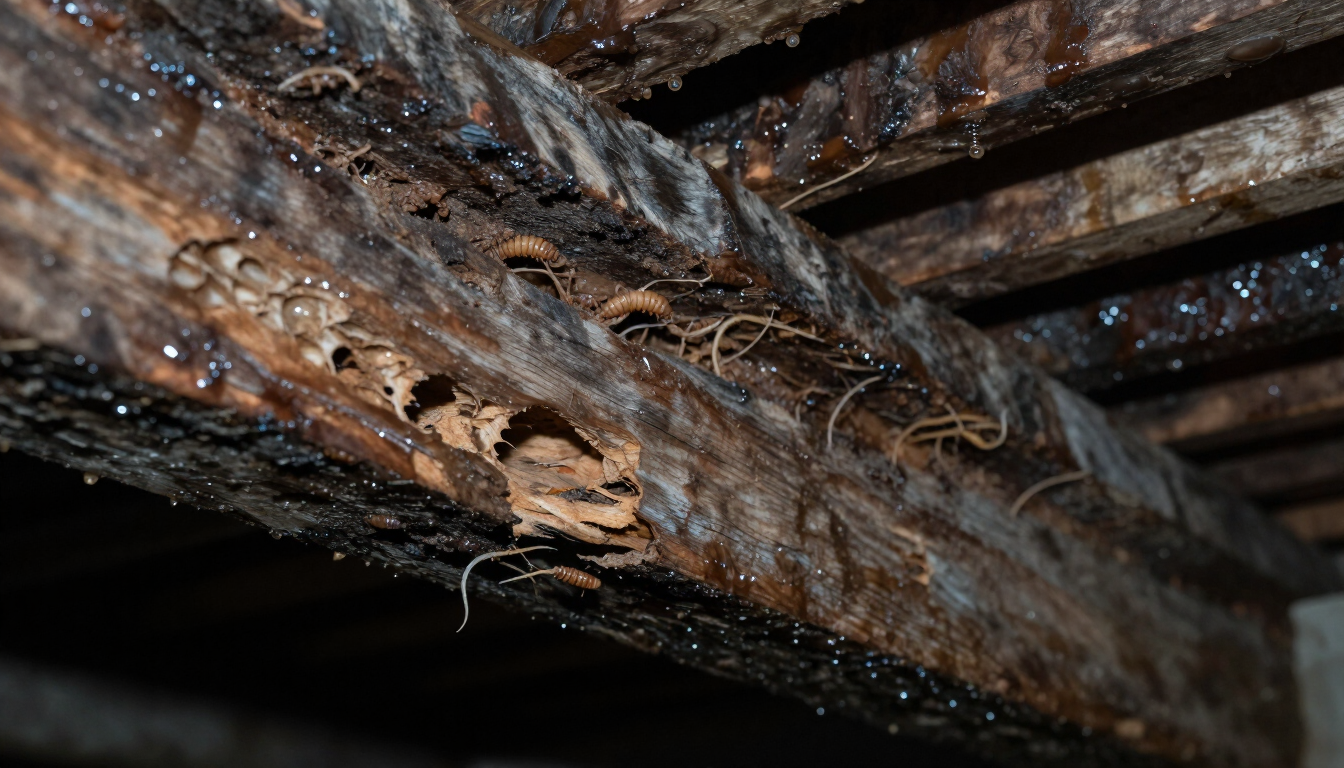
Detecting termites before they cause major structural issues requires a keen eye and an understanding of their behavior. Because they thrive in dark, damp environments, they often remain hidden until the damage is extensive. Homeowners should look for these specific indicators:
- Mud Tubes: These pencil-thin tunnels on foundation walls or floor joists provide moisture and protection for termites traveling between the soil and your wood structures.
- Discarded Wings: Swarmers (reproductive termites) often leave behind small, translucent wings near windowsills or doors after a spring flight.
- Hollow-Sounding Wood: If you tap on a wooden beam and it sounds dull or hollow, the interior may have been consumed.
- Frass or Pellets: Small piles of wood-colored droppings can indicate the presence of certain termite species.
- Stuck Windows or Doors: As termites eat through framing, the wood can shift or swell, making openings difficult to operate.
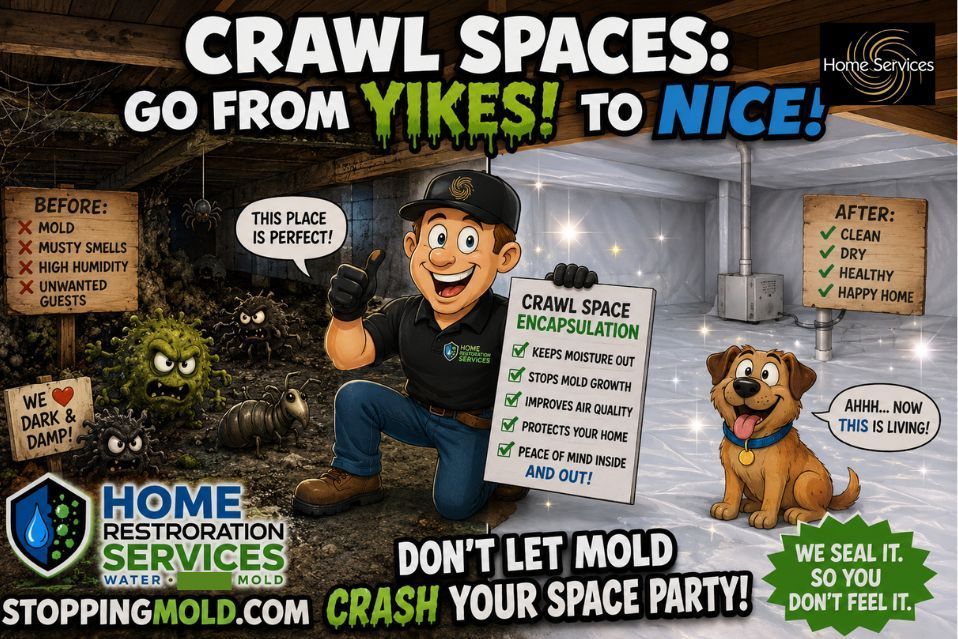
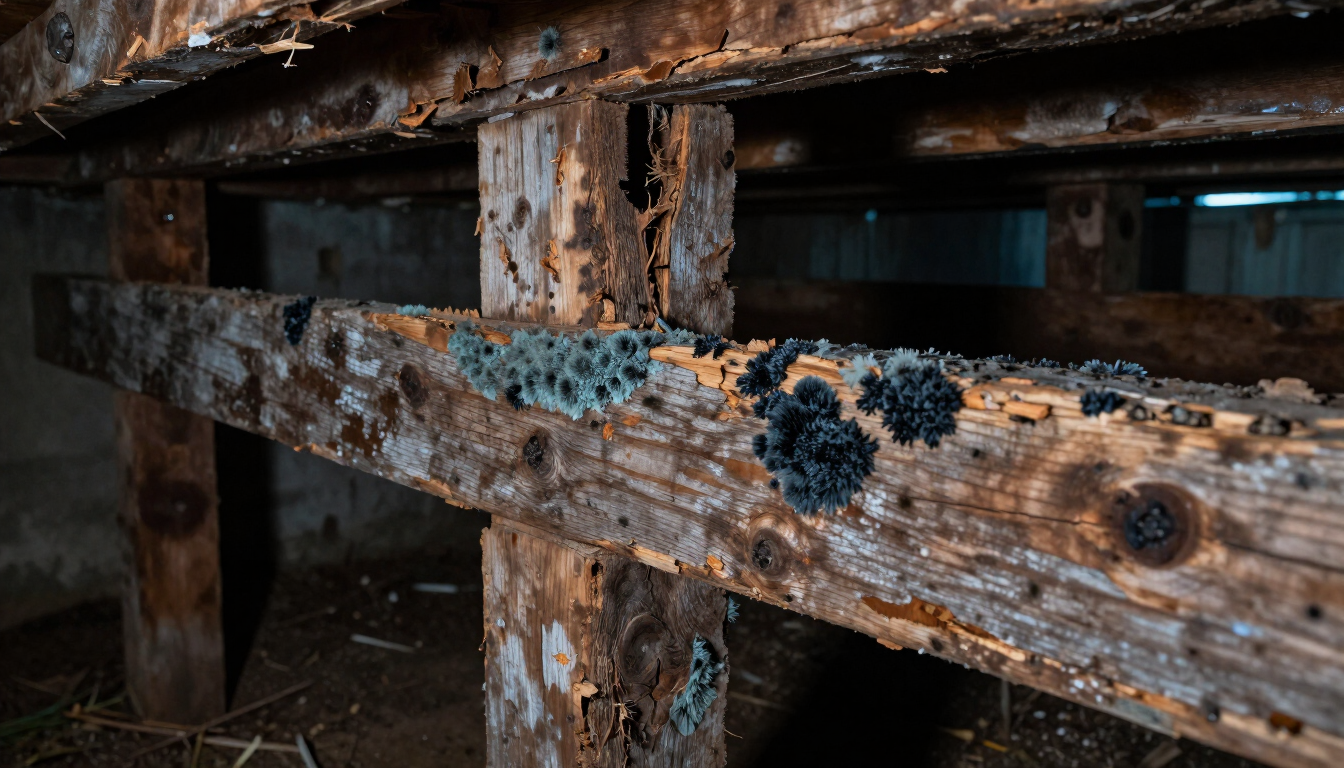
If you notice any of these signs, especially in high-moisture areas like a crawl space, it is vital to seek an inspection. Often, termite issues go hand-in-hand with moisture problems. At Home Restoration Services, we often find that Crawl Space & Attic Services are necessary to address the damp conditions that invited the termites in the first place.
The Hidden Risks of Foundation Infestations
Termites don't just eat wood; they exploit every weakness in your home’s envelope. They can enter through cracks as thin as a business card in your concrete foundation. Once inside, they gravitate toward the wooden structural members that sit directly on the foundation, such as the sill plate and the ends of your floor joists.
In Southern MD, the combination of high humidity and sandy or silty soil creates a perfect playground for subterranean termites. When they attack the foundation level, they compromise the very base of your home. This can lead to sloping floors, cracked drywall on upper levels, and even doors that no longer latch. Addressing these issues requires more than just a chemical barrier; it often involves Foundation Crack Repair and Foundation Wall Repair to ensure the entry points are sealed and the structure is stabilized against future movement.
What is the best termite damage treatment for structural integrity?
The "best" treatment is one that is comprehensive. It must stop the current infestation, prevent future ones, and repair the physical damage left behind. A professional approach usually involves a three-pronged strategy:
- Soil Treatment: Applying a liquid termiticide around the perimeter of the home to create a continuous chemical barrier.
- Baiting Systems: Installing monitoring stations that attract termites and introduce a growth regulator to kill the colony.
- Wood Treatment: Applying localized foam or liquid treatments directly to infested wood members to stop active feeding.
- Moisture Control: Implementing Dehumidification and drainage solutions to make the environment less hospitable to pests.
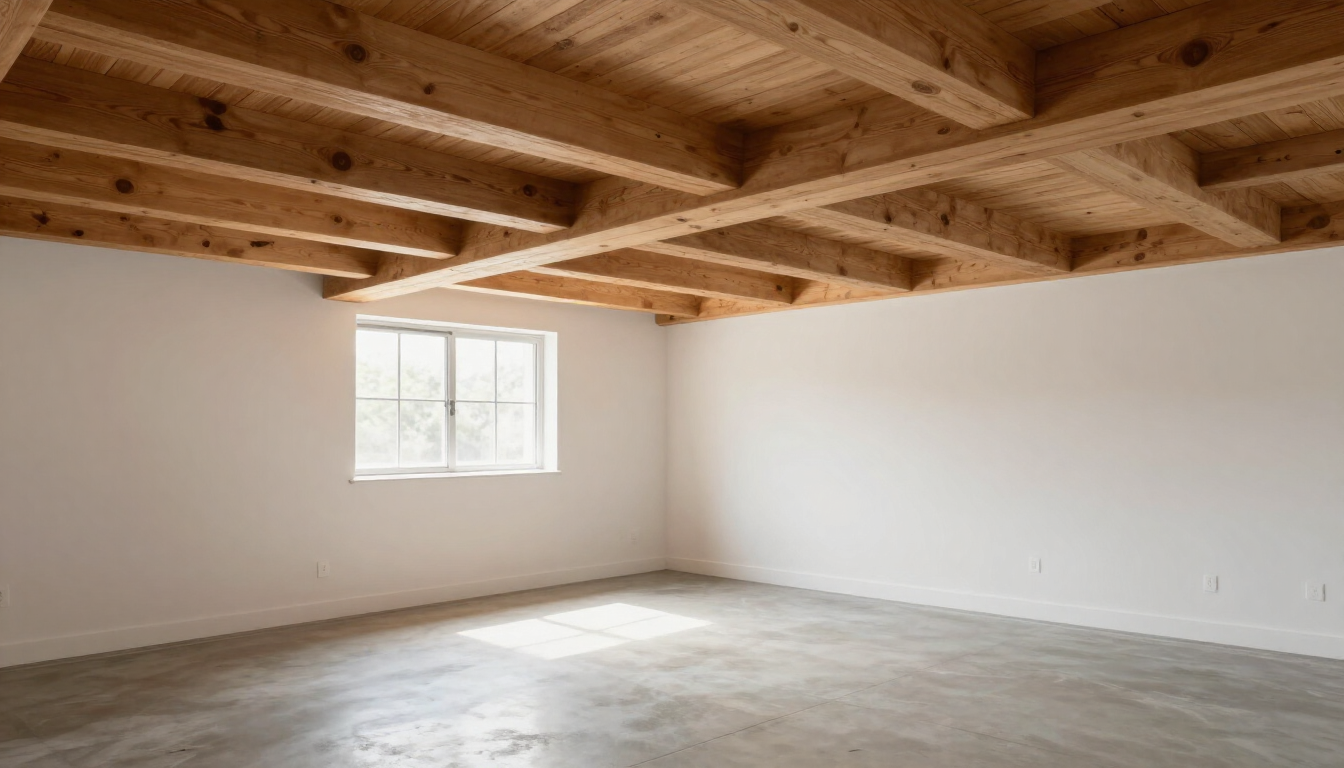
- Structural Restoration: Replacing or reinforcing damaged wood to restore the load-bearing capacity of the home.
Professional Structural Repair After an Infestation
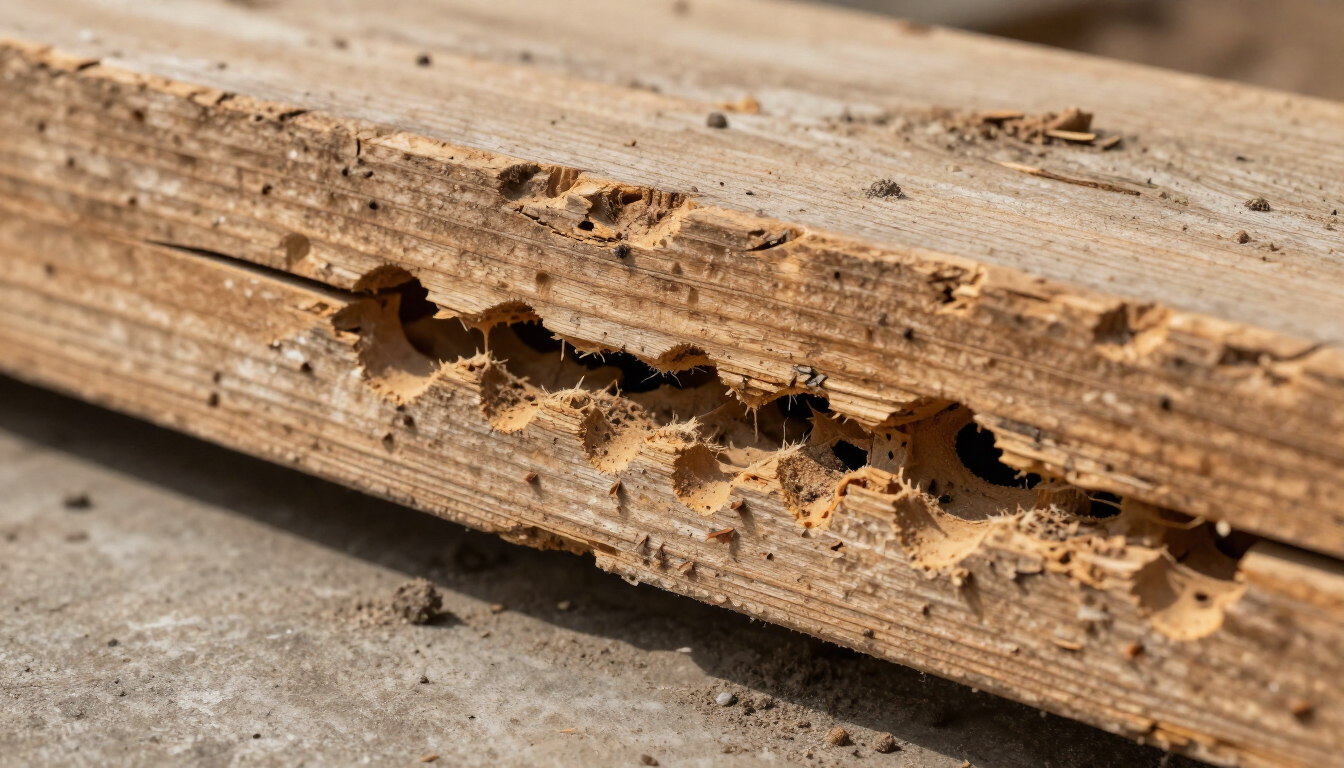
Killing the termites is only half the battle. If the pests have been feeding on your home for years, the remaining wood may be "honeycombed" and unable to support the weight of the house. This is where Home Restoration Services truly stands out. While most pest control companies stop at the pest control phase, we utilize our Maryland Home Improvement Commission license to rebuild what was lost.
Our team specializes in Joist Repair and general Remodeling . We don't just slap a new piece of wood next to a rotted one. We assess the load-bearing requirements, jack the structure back to its original position if necessary, and install high-quality pressure-treated lumber or engineered beams to ensure your home is stronger than it was before the infestation. This holistic approach ensures that your Mold Remediation and termite concerns are handled by a single, experienced team that understands the intersection of moisture, pests, and structural health.
Home Restoration Services: Your Southern MD Experts
With over 50 years of combined experience, our team understands the unique challenges faced by homeowners in Southern MD . From the coastal humidity of Calvert County MD to the sprawling suburban lots in Charles County MD and the historic homes in St. Marys County MD , we have seen and solved every type of termite and moisture issue.
We don't just treat the "spot" you can see. We treat the colony at the source and provide the structural fixes that hardware store products simply cannot offer. Our deep roots in the community mean we care about the longevity of your home. Whether you need Water Damage Mitigation following a leak that attracted pests or a full-scale Remodeling project to fix a neglected crawl space, we have the tools, the licensing, and the expertise to get the job done right the first time.
Key Takeaways for Maryland Homeowners
To protect your home from the devastating effects of termites and the high costs of uninsured repairs, keep these points in mind:
- Insurance Limitations: Assume your insurance will not pay for termite damage; regular inspections are your best financial defense.
- Colony Management: Only professional-grade, non-repellent treatments can effectively eliminate an entire colony; DIY sprays are a temporary bandage.
- Structural Focus: Termite damage often occurs in hard-to-reach areas like crawl spaces; ensure your treatment plan includes a structural assessment.
- Moisture Connection: Termites are attracted to damp wood. Fixing leaks and managing humidity is a critical step in prevention.
- Expert Restoration: Choose a partner who can handle both the pest control and the heavy-duty structural repairs required to save your home.
If you suspect your home has been compromised, don't wait for the damage to worsen. Reach out to Home Restoration Services today for a comprehensive evaluation and a plan to restore your peace of mind.