
5 Ways Professional Dehumidification Kills Musty Smells
Professional dehumidification is the process of using industrial-grade equipment to remove deep-seated moisture from structural materials like drywall, wood framing, and subfloors. By lowering relative humidity (RH) to below 50%, it eliminates the 'musty' odors caused by mold growth and prevents secondary water damage in Maryland homes.
Why does my house still smell musty after a leak is fixed?
You fixed the pipe. You mopped the floor. You even burned that 'Summer Breeze' candle that usually smells like laundry detergent and optimism. Yet, the moment you walk into your Great Mills living room after a humid August afternoon, it hits you: the scent of a thousand soggy gym socks. This is what we call the 'Ghost of Leaks Past.'
When a leak occurs, the water you see is only about 20% of the problem. The other 80% is the moisture that has migrated into your porous building materials. Drywall, insulation, and wood studs are essentially giant sponges. Even if the surface feels dry to the touch, the core of these materials can remain damp for weeks. This creates a luxury resort for mold spores, which move in rent-free and start throwing parties that smell like damp basements.
Without professional dehumidification , that moisture remains trapped. In the humid climate of Southern MD , the air is often too saturated to allow for natural evaporation. Your home isn't just 'holding' the smell; it’s actively fermenting it. This is why addressing water damage mitigation requires more than just a mop and a prayer; it requires the scientific removal of water vapor from the very structure of your home.
The Science of Lingering Humidity in Great Mills
To understand why the smell persists, we have to look at Relative Humidity (RH). In places like St. Marys County MD , summer humidity levels can easily soar into the 80% or 90% range. If your indoor RH is consistently above 60%, your home stops being a shelter and starts being an incubator.
Mold doesn't need a puddle to grow; it just needs a little dampness and a snack (which, unfortunately, is your drywall). When we step in with high-capacity equipment, we are effectively 'squeezing' the air. Professional units can pull gallons of water out of the air every day, creating a 'vapor pressure' deficit. This forces the moisture trapped inside your walls to come out and join the party, where it is promptly sucked up and drained away.
How does professional dehumidification work better than a store-bought unit?
We get it. It’s tempting to head to the local big-box store and buy a plastic dehumidifier that hums like a frustrated beehive. However, those units are designed for 'maintenance,' not 'remediation.' Using a store-bought unit to dry out a flooded wall is like trying to drain the Chesapeake Bay with a cocktail straw. It might look like it’s doing something, but the math just doesn't add up.
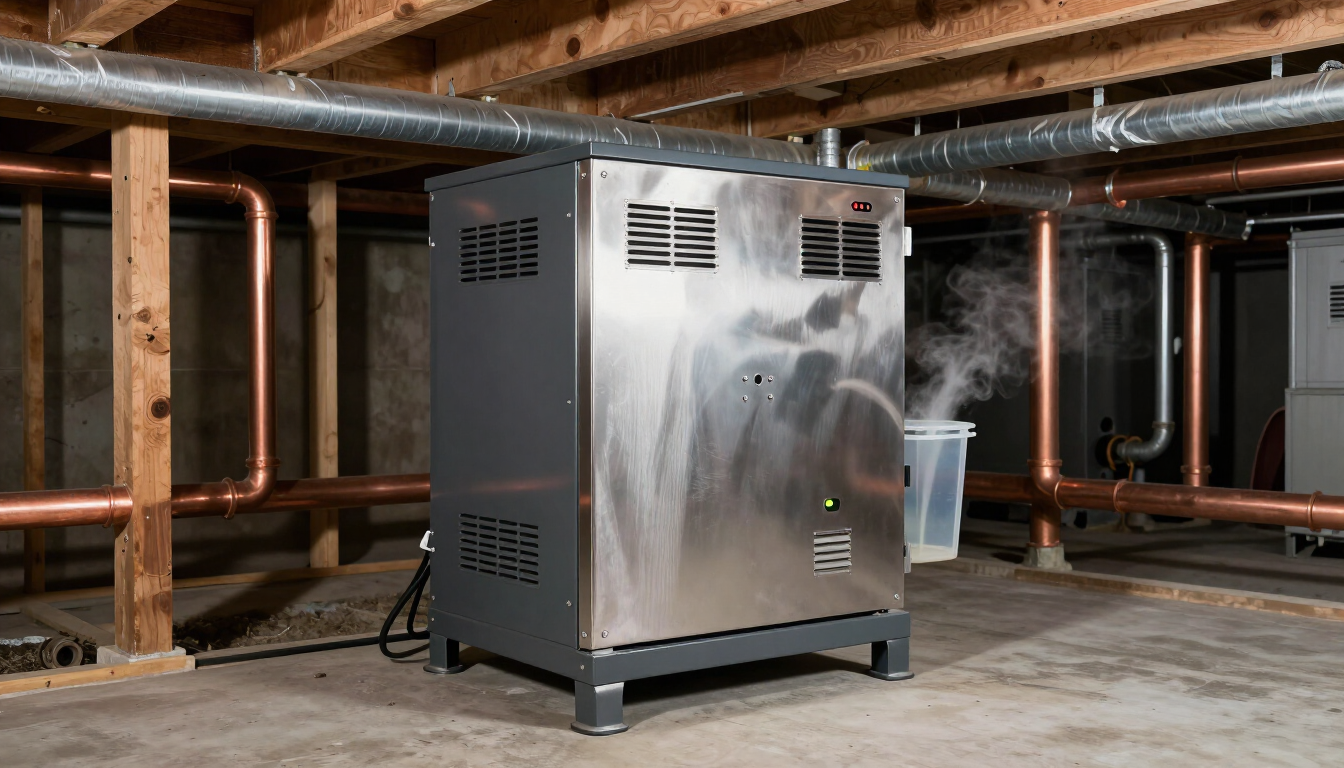
Professional-grade dehumidifiers, often called LGR (Low Grain Refrigerant) units, are built for performance. They can lower the humidity to levels that consumer units can’t even dream of. Here is why the pro stuff wins every time:
- Higher Extraction Volume: They pull significantly more pints of water per day than retail models.
- Deep Drying Capability: LGR technology works even in cooler temperatures and very low humidity levels.
- High-Volume Air Movement: They work in tandem with industrial air movers to accelerate evaporation.
- Continuous Operation: Pro units are built to run 24/7 without overheating or needing manual bucket-emptying.
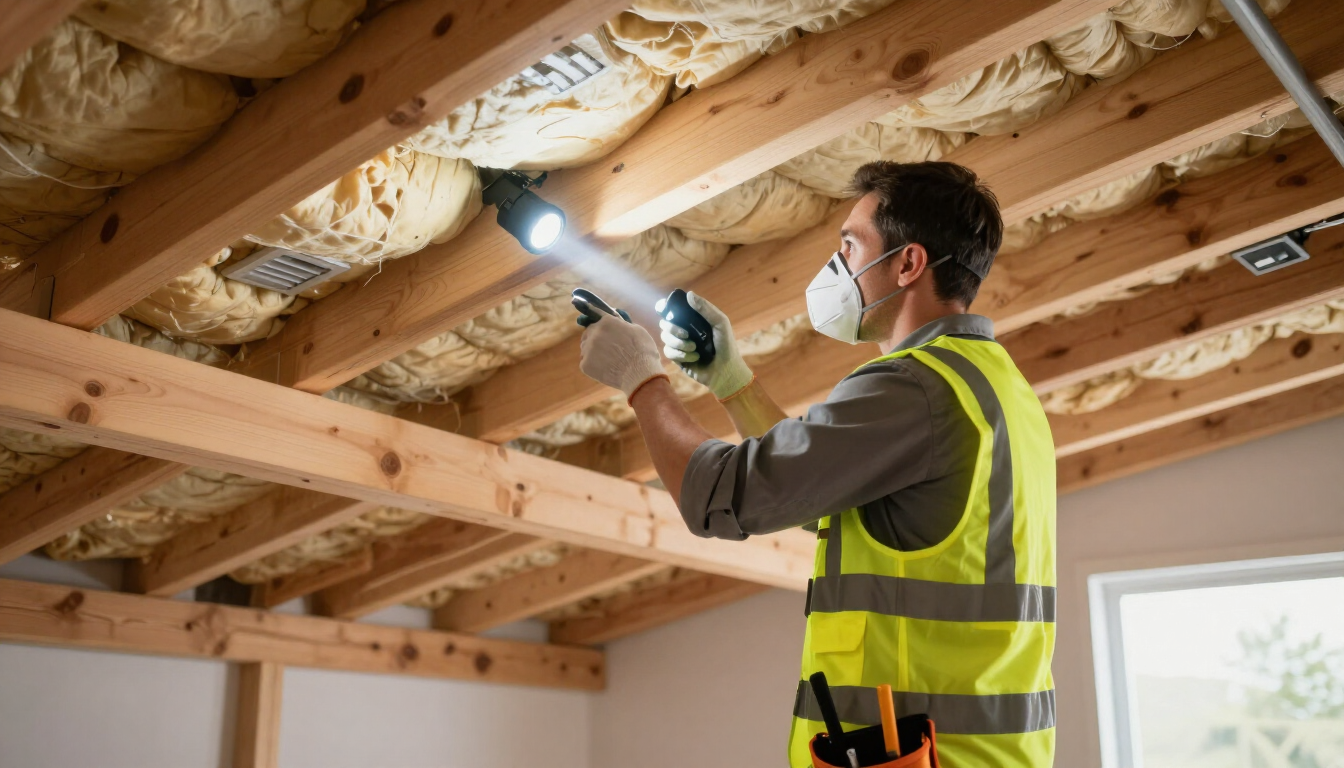
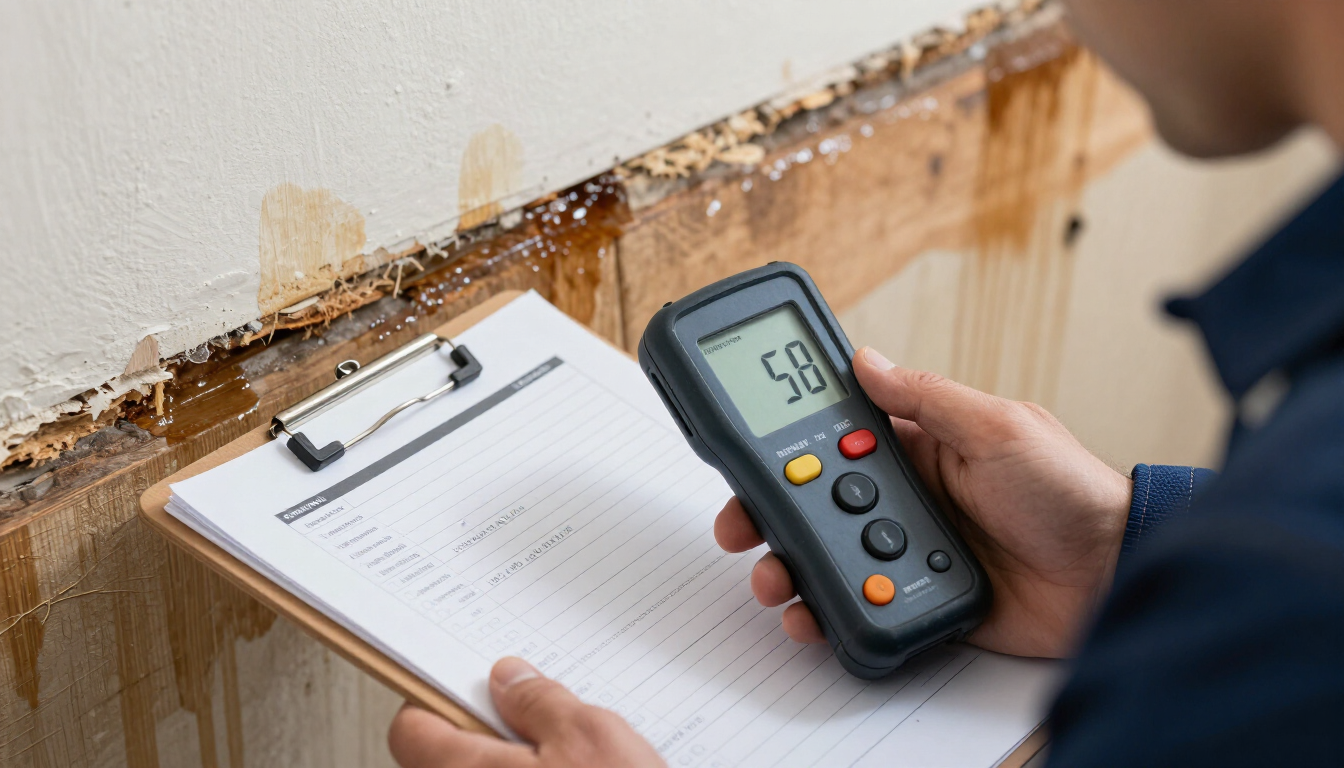
- Integrated Monitoring: Specialists use moisture meters to track progress inside the actual materials.
If you are dealing with a recurring odor, mold remediation often starts with these heavy hitters. We don't just want to dry the air; we want to dry the 'bones' of the house. This is especially critical in Calvert County MD and Charles County MD , where the coastal air is relentless in its attempt to keep your house soggy.
Critical Benefits for Southern MD Homes
Living in a coastal or river-adjacent area means your home is in a constant battle with the elements. Professional dehumidification provides several 'invisible' benefits that go far beyond just removing a smell.
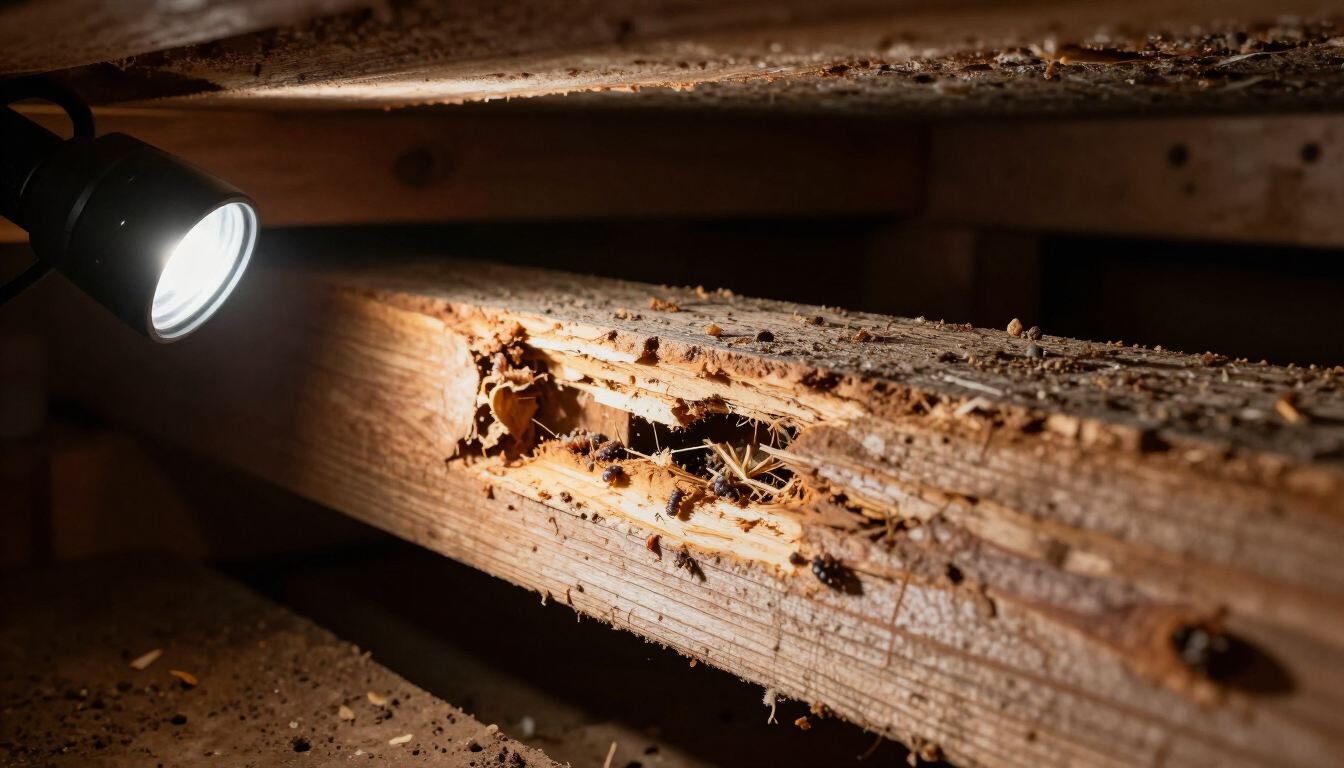
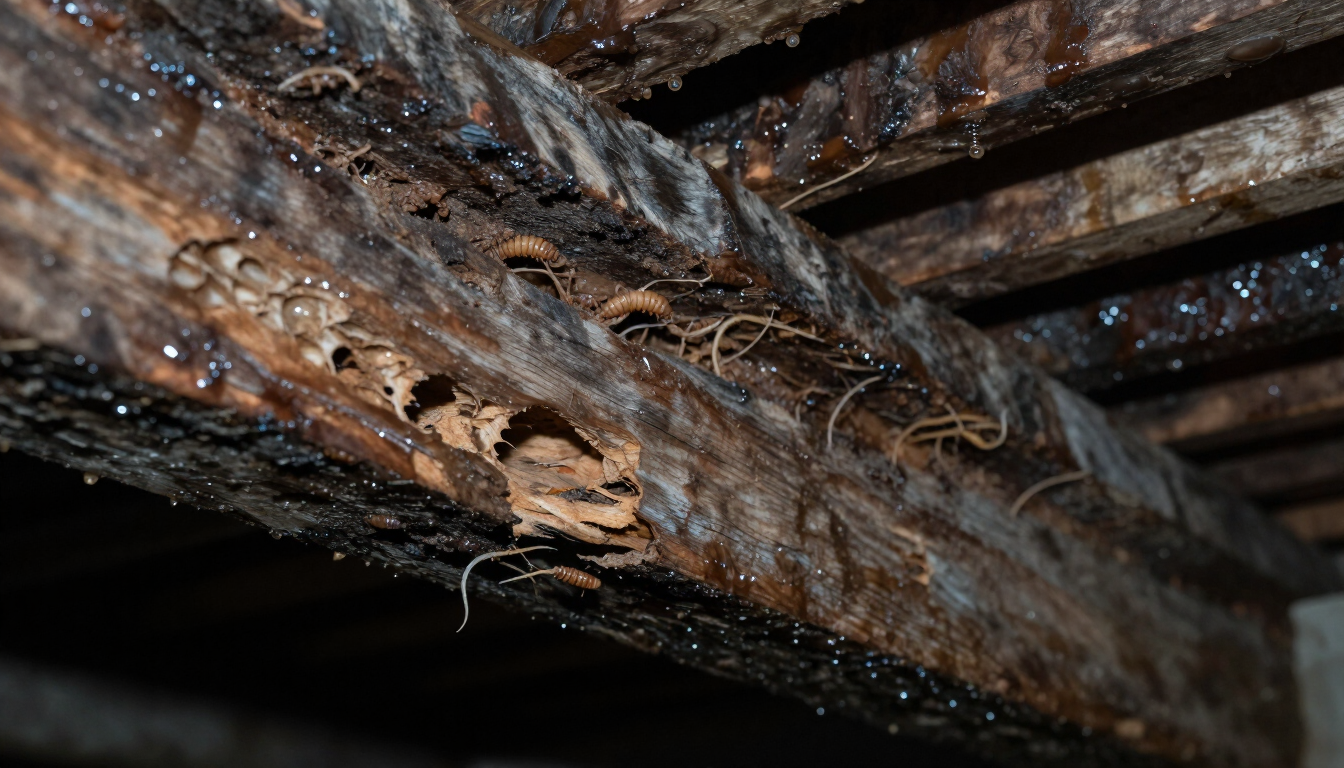
First, it protects your investment. Moisture is the primary cause of wood rot and structural decay. When we use our MHIC license to handle structural repairs , we often find that the root cause was simple humidity that was allowed to linger for years. By controlling the environment now, you prevent the need for joist repair or foundation stabilization later.
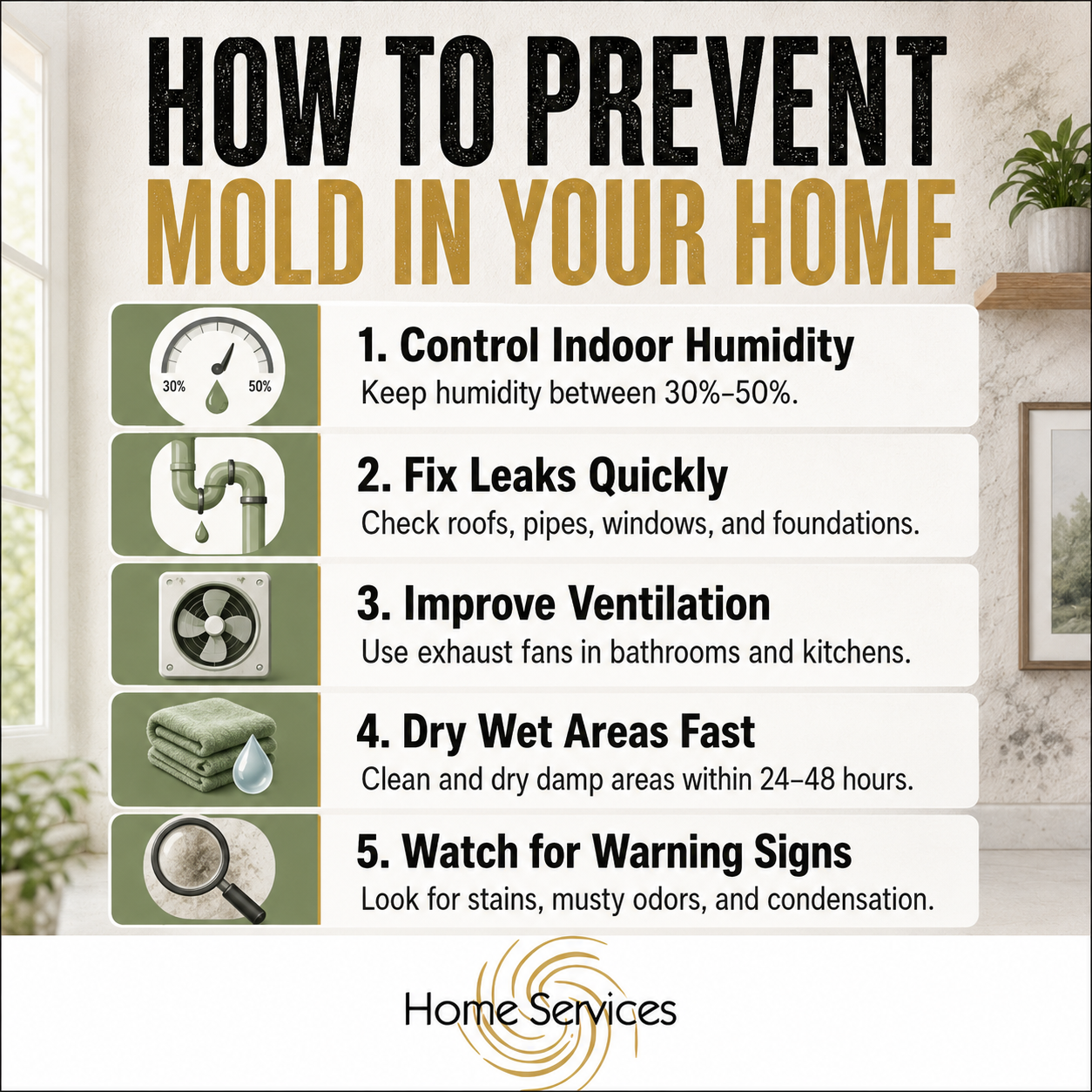
Second, it significantly improves indoor air quality . Dust mites, mold, and bacteria all thrive in humid environments. By keeping your home in the 'comfort zone' (typically 30% to 50% RH), you make your home a hostile environment for allergens. This makes the air feel lighter, cleaner, and significantly less like you’re breathing through a wet sponge.
Is moisture hiding in my crawl space or attic?
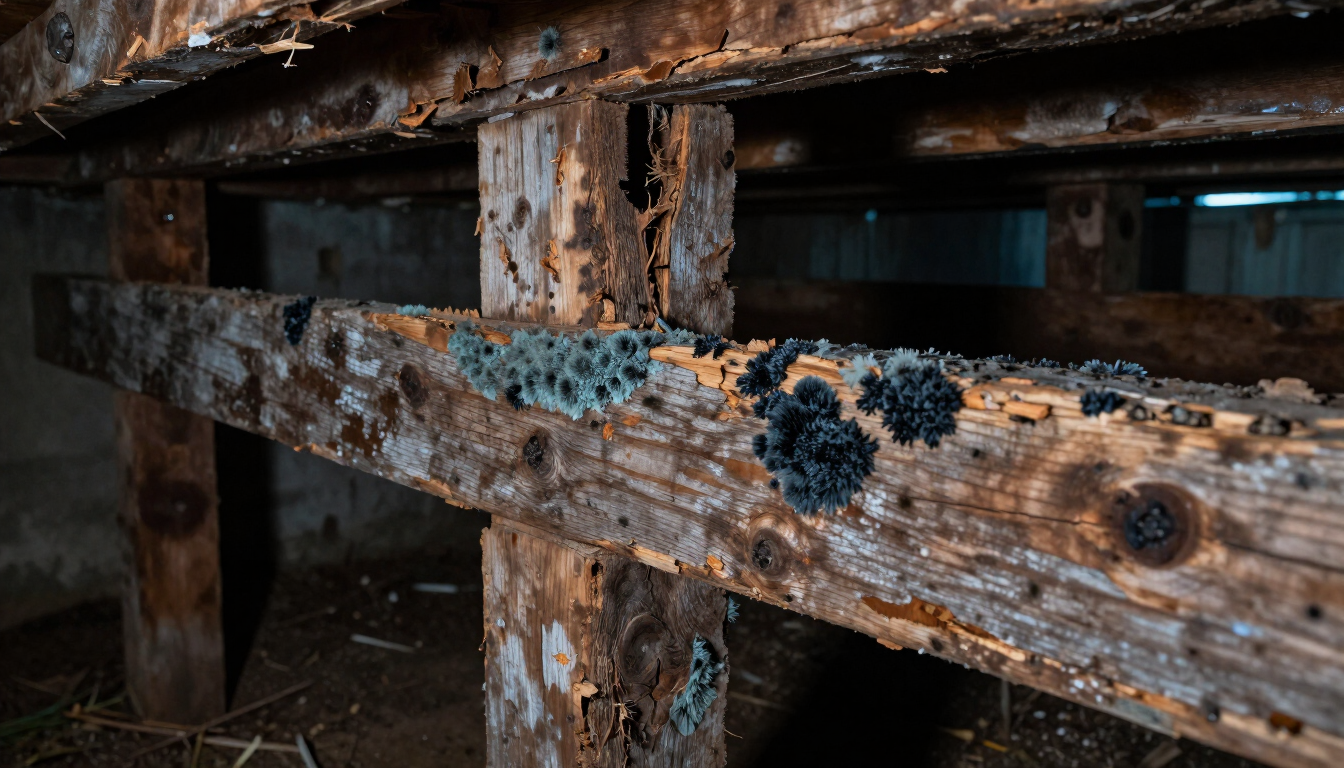
If the leak is gone but the smell remains, your crawl space is the prime suspect. Most homeowners treat the crawl space like a 'forbidden zone'—a dark place where spiders live and old Christmas decorations go to die. However, because of the 'stack effect,' air from your crawl space is naturally pulled up into your living areas.
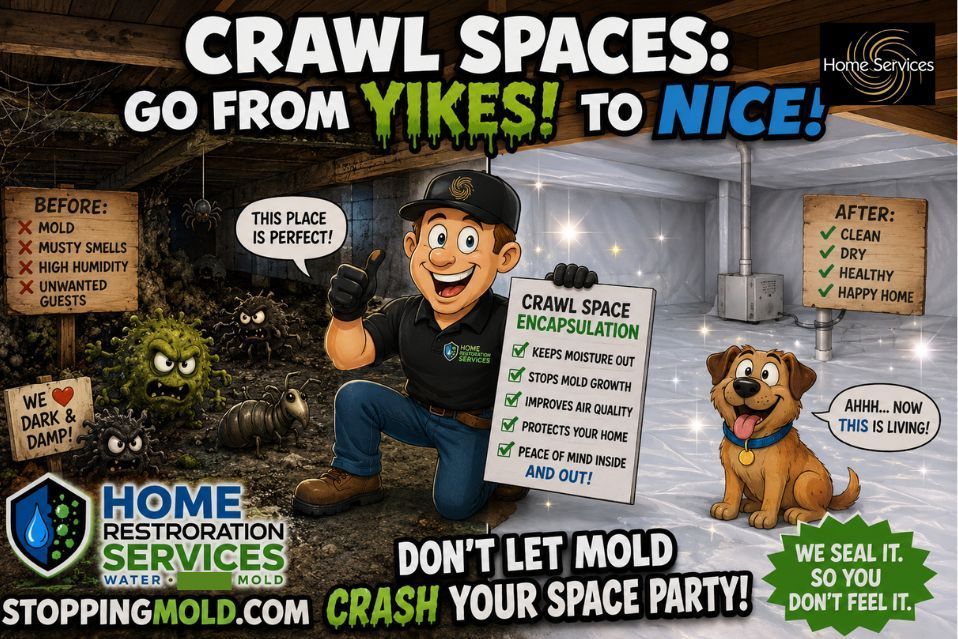
If your crawl space is damp, that musty air is being 'inhaled' by your house. This is where crawl space & attic services become essential. Many homes in Southern MD benefit from dehumidification systems installed directly in the crawl space to keep the entire foundation dry.
Common signs that your crawl space is the source of the smell include:
- Cupping or warping of hardwood floors on the first level.
- Increased allergy symptoms when you are at home.
- Visible condensation on windows or HVAC vents.
- A 'heavy' or thick feeling to the air in the basement or lower floors.
- Persistent pest issues, as many bugs are attracted to damp wood.
When we perform foundation crack repair or install foundation wall repair systems, we always look at the moisture levels. A dry foundation is a strong foundation. If the ground under your house is a swamp, your walls will eventually feel the impact.
When should I call a moisture specialist?
You should call in the pros the moment you realize the 'smell' isn't going away on its own. Odors are biological signals that something is wrong. If you’ve fixed a leak but the air still feels 'thick' or smells like a wet dog, the moisture has likely moved into the walls or the subfloor.
At Home Restoration Services, we don't just kill mold; we rebuild what was ruined. Because we hold a Maryland Home Improvement Commission license, we can handle the remodeling and structural fixes that many simple remediation companies can't. We don't just dry the wall; we make sure the wall is still strong enough to hold up your house.
Conclusion: Turning Your Swamp Back Into a Home
Professional dehumidification is the missing link between 'fixing a leak' and 'restoring a home.' In the humid environment of Great Mills and the surrounding Maryland counties, air moisture is a silent predator that fuels mold growth and ruins structural integrity. By using high-capacity, industrial equipment, you can pull hidden moisture from deep within your walls, eliminate musty odors for good, and ensure your home remains a healthy place to live. Don't let mold move in rent-free—evict the moisture and breathe easy again.
Key Takeaways for Your Home:
- Surface drying is not enough; structural materials hold deep moisture.
- Indoor humidity should stay between 30% and 50% for health and comfort.
- Professional LGR dehumidifiers are required for effective remediation.
- Crawl space moisture is a major contributor to indoor odors.
- Lingering dampness can lead to expensive structural rot if ignored.
If you’re tired of the smell and ready for a dry, healthy home, contact us today for a thorough inspection and a plan to get your humidity under control. For more information on common issues, check out our water damage FAQs .