

5 Ways to Control Mold in Your Southern MD Home (2026)

Share this article

To control mold in your home, you must eliminate excess moisture by maintaining indoor humidity levels below 50%, ensuring proper ventilation in high-moisture areas like kitchens and bathrooms, and immediately repairing any plumbing or roof leaks. Consistent airflow and the use of dehumidifiers prevent spores from colonizing organic surfaces.

In Southern Maryland, the battle against mold is often a seasonal struggle. Our unique coastal climate brings high humidity that can seep into basements and crawl spaces, providing the perfect breeding ground for fungal growth. Understanding how to manage these environmental factors is the first step toward a healthier, safer living environment for your family.

How can you control mold in your home effectively?

The most effective way to control mold is through rigorous moisture management. Mold spores are omnipresent; they exist in the air around us at all times. However, they cannot grow into colonies without three things: a food source (like drywall or wood), a temperate climate, and moisture. Since you cannot remove the wood from your frame or the paper from your drywall, controlling water is your only viable lever.

Controlling mold requires a proactive approach that addresses both visible and invisible moisture. This includes everything from cleaning up spills within 24 to 48 hours to ensuring that your home’s exterior drainage systems are functioning correctly. If you find that mold has already established a foothold, seeking professional mold remediation is essential to ensure the spores are not just cleaned, but fully eradicated from the environment.

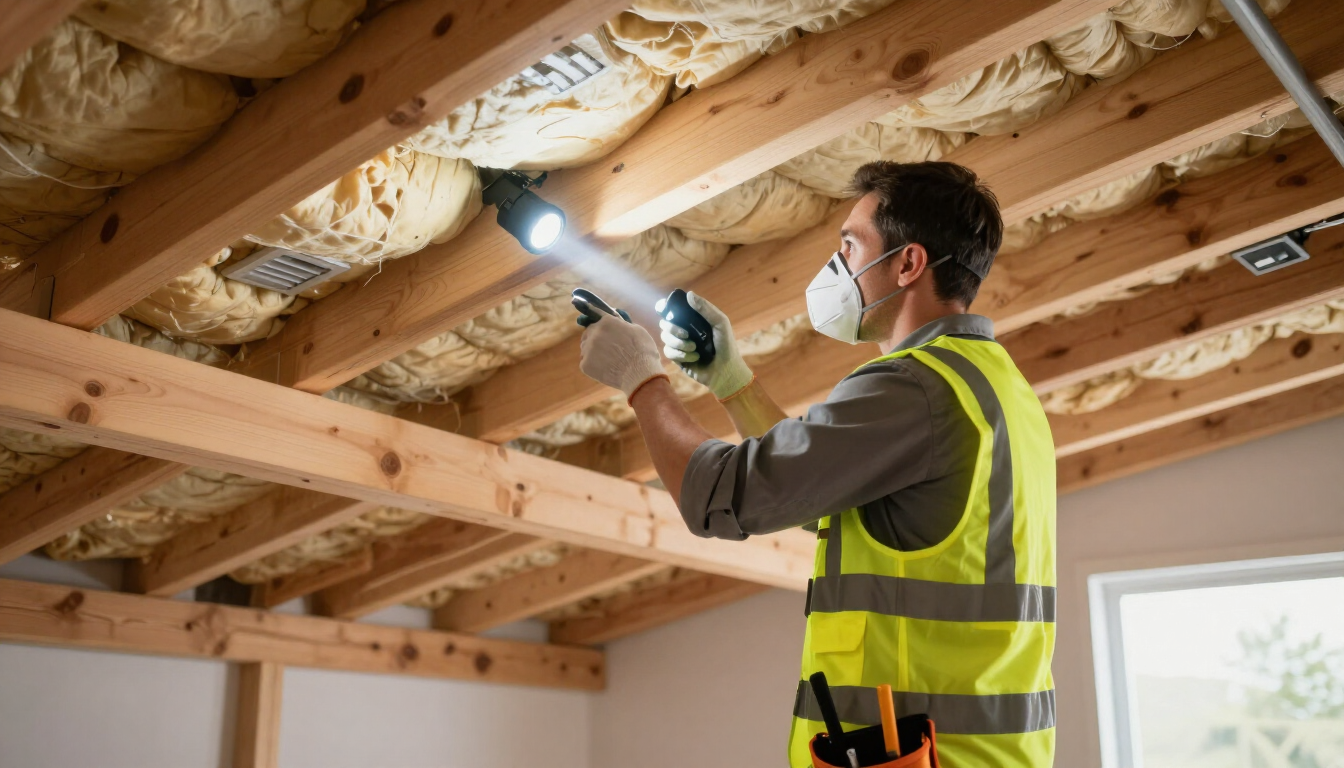
Moisture Detection

Why is mold a problem in Southern MD homes?

Residents of St. Mary’s, Charles, and Calvert Counties face specific challenges due to the local geography. Being surrounded by the Chesapeake Bay and the Potomac River means our ambient outdoor humidity is frequently higher than the national average. When this humid air enters a cooled home, it reaches its dew point and condenses on cold surfaces like windows, pipes, and foundation walls.

Furthermore, many homes in our region are built over crawl spaces. If these areas are not properly sealed, they act as massive reservoirs of damp air that rises into the main living areas through the "stack effect." This process not only invites mold but can also lead to long-term wood rot, necessitating complex joist repair to maintain the home's structural integrity.

Core Strategies for Moisture Management

Effective mold control is a multi-layered process. It involves mechanical systems, behavioral changes, and structural maintenance. By addressing these areas, you create a "hardened" environment where mold simply cannot survive. Here are the primary strategies every homeowner should implement:

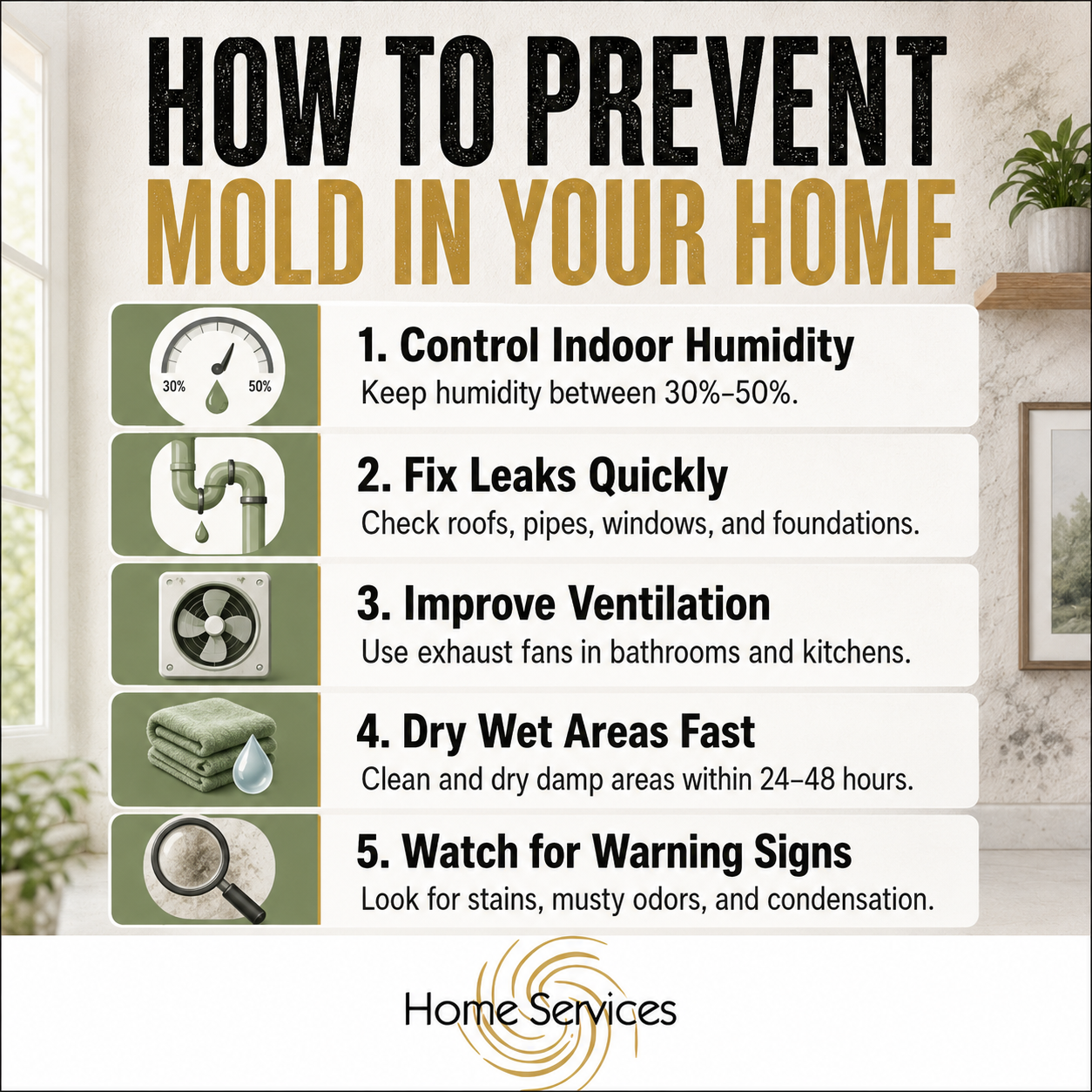
  • Maintain Humidity Levels: Keep your indoor relative humidity between 30% and 50%. Use a hygrometer to track these levels daily.
  • Enhance Ventilation: Use exhaust fans in bathrooms and kitchens that vent directly to the outside, not into the attic.
  • Improve Airflow: Keep furniture away from outside walls to allow air to circulate, preventing pockets of stagnant, damp air.
  • Manage Condensation: Add insulation to cold surfaces, such as water pipes or exterior walls, to prevent moisture from forming.
  • Exterior Drainage: Ensure gutters are clean and downspouts direct water at least six feet away from your foundation.
controlling mold in your home list

How do you control humidity levels year-round?

Consistency is key. During the summer, your air conditioning system acts as a primary dehumidifier, but it may not be enough during particularly muggy Maryland weeks. Supplementing your HVAC with a dedicated dehumidification system can provide the extra power needed to keep air dry. In the winter, be careful not to over-humidify your home to combat dry air, as this can lead to condensation on window sills and inside wall cavities.

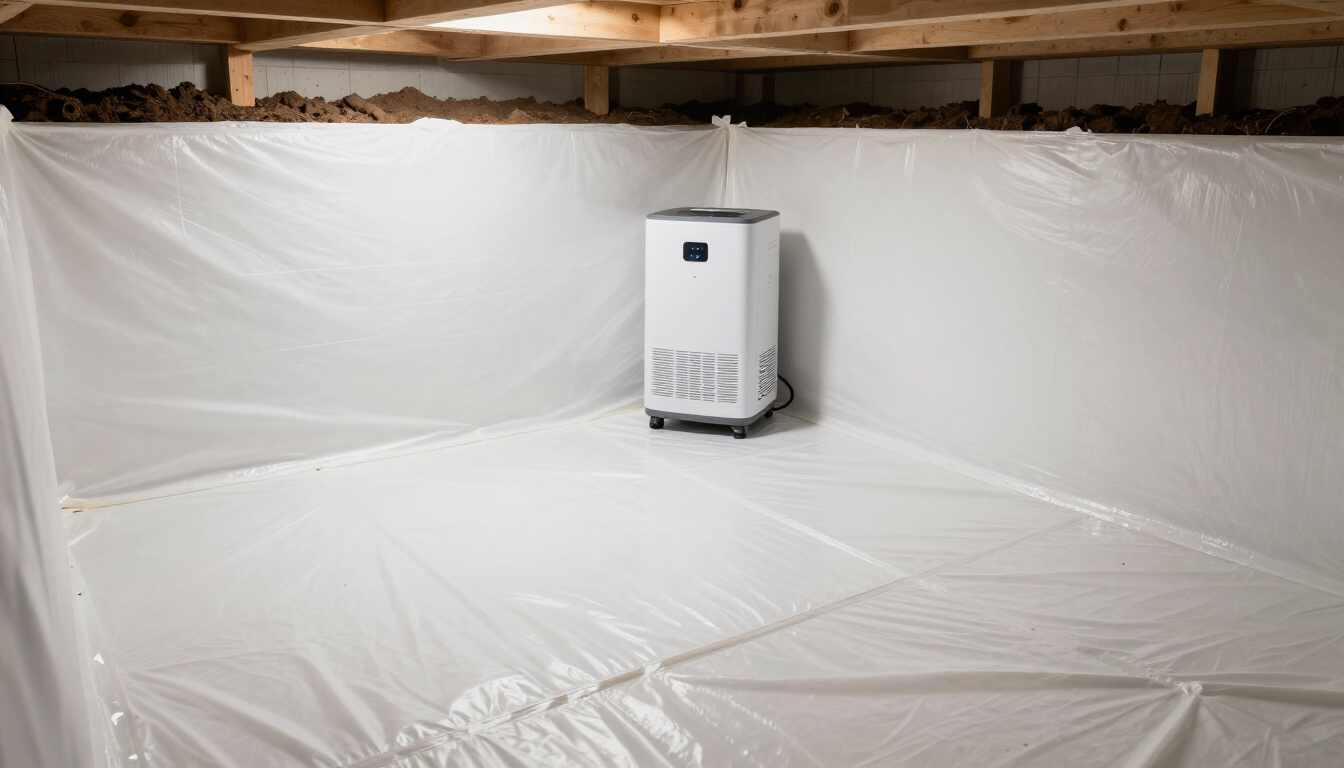
For many homeowners, the biggest source of humidity is the ground itself. An unsealed crawl space can release gallons of water vapor into your home every day. Investing in crawl space & attic services to encapsulate these areas with a heavy-duty vapor barrier is one of the single most effective ways to lower your home's overall moisture load.

Encapsulated Crawl Space

How do you identify hidden mold growth?

Not all mold is visible on the surface of your walls. Often, the most dangerous growth happens behind the scenes. You should be vigilant for signs that suggest a hidden problem. A persistent musty odor is often the first indicator, even if you cannot see any discoloration. This "old basement smell" is actually microbial volatile organic compounds (mVOCs) released by actively growing mold.

Other signs include peeling wallpaper, bubbling paint, or warped wood trim. If you notice health symptoms that improve when you leave the house—such as sneezing, itchy eyes, or respiratory irritation—it may be time to schedule indoor air quality testing . This scientific approach can identify elevated spore counts that aren't visible to the naked eye.

The Role of Structural Maintenance in Mold Control

A home is a system, and when one part of that system fails, mold often follows. Foundation cracks are a common entry point for moisture in Southern MD. Hydrostatic pressure from saturated soil can force water through even microscopic openings. Regular inspections for these issues are vital. If you find cracks, professional foundation crack repair can stop the water at the source before it ever has a chance to fuel mold growth.

In cases where water damage has already occurred, the cleanup must be thorough. Simple drying is often insufficient if the water has reached structural components. Comprehensive water damage mitigation ensures that materials are not just dry on the surface, but that the deep-seated moisture which feeds mold is completely removed. This often involves specialized equipment like air movers and industrial-grade dehumidifiers.

When should you call a professional for mold remediation?

While small patches of mold (less than ten square feet) can often be handled by a homeowner using soap and water, larger infestations require professional intervention. Standard household cleaners, including bleach, often fail to kill the "roots" of mold on porous surfaces like wood or drywall. This leads to a cycle where the mold appears to be gone but returns within weeks.

Professional services are necessary when:

  • The mold covers an area larger than 3x3 feet.
  • The mold is the result of contaminated water (like sewage or flooding).
  • There is a risk of mold entering the HVAC system.
  • The residents have compromised immune systems or severe allergies.
  • The mold is causing structural decay in floor joists or wall studs.

Because Home Restoration Services holds a Maryland Home Improvement Commission (MHIC) license, we go beyond simple cleaning. If the mold has compromised your home's bones, we can perform structural repairs to ensure your home is safe and stable. We don't just remove the symptom; we fix the structural cause.

Long-term Prevention Solutions

Long-term control is about resilience. Once you have cleared existing mold and addressed the immediate moisture source, you must look at the building envelope. This might involve updating your insulation or installing foundation wall repair systems if your walls are bowing due to soil pressure—a common precursor to major water intrusion.

Maintaining your home’s air distribution is also critical. Dust and debris in your vents can trap moisture and provide a food source for fungi. Periodic air duct cleaning ensures that the air circulating through your home is clean and dry, rather than acting as a delivery system for spores.

Home Exterior Maintenance

Essential Maintenance Checklist

To keep your home mold-free, follow this recurring maintenance schedule to catch problems before they escalate:

  1. Monthly: Inspect under sinks and around toilets for slow leaks or dampness.
  2. Seasonally: Check your attic for roof leaks and ensure crawl space vents are clear (or sealed, if encapsulated).
  3. Annually: Have your HVAC system serviced and your gutters professionally cleaned.
  4. After Storms: Check the basement or lowest level of the home for standing water or new damp spots.
  5. Bi-annually: Test your sump pump to ensure it is ready for heavy Maryland rainfalls.

Summary of Mold Control Best Practices

Controlling mold in your Southern MD home is a continuous process of managing moisture and maintaining structural integrity. By keeping humidity low, ensuring high-quality ventilation, and addressing leaks immediately, you can prevent most mold issues before they start. Remember that mold is a symptom of a water problem; solve the water, and you solve the mold. For complex issues involving structural decay or large-scale growth, professional help is the safest and most effective route.

  • Keep it dry: Humidity under 50% is your best defense.
  • Fix it fast: Dry out any water intrusion within 48 hours.
  • Look deep: Address crawl space and foundation moisture issues early.
  • Call experts: Use licensed professionals for structural remediation.

If you are dealing with a recurring mold problem or have experienced recent water damage, don't wait for the problem to grow. Contact us today for a professional evaluation and let us help you rebuild a drier, safer home.

Recent Posts

Professional mold inspection in a Southern Maryland home attic
October 6, 2026
Finding mold can be a nightmare. Learn why professional mold removal in Southern MD is essential for structural safety and long-term home health.

Water pooling near a home foundation in Southern Maryland showing the need for drainage solutions.
October 5, 2026
Still seeing foundation cracks after installing new gutters? Learn why drainage, not just gutters, is the key for Southern Maryland homeowners to stop water damage and structural decay.
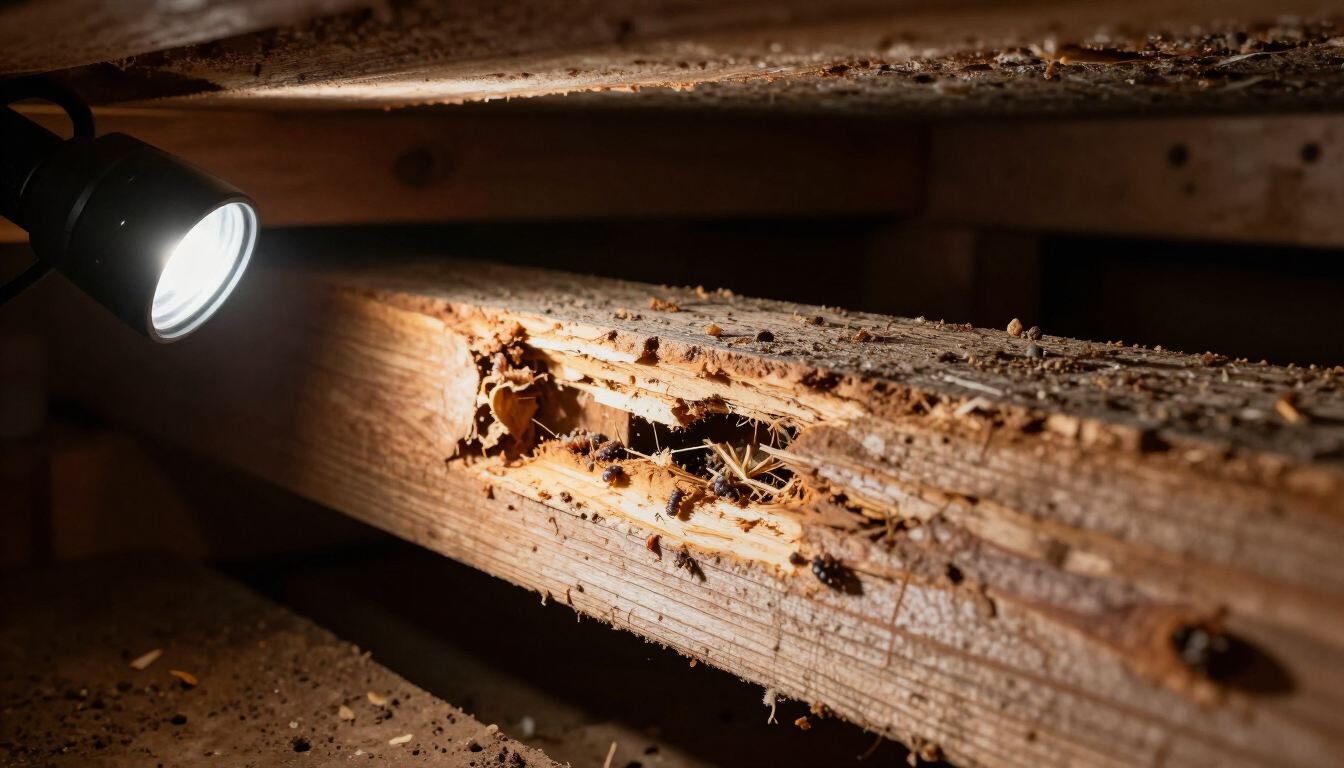
Professional termite treatment service
October 1, 2026
Don't rely on DIY sprays. Learn why professional termite damage treatment is essential for Southern MD homes and how to handle structural repairs.

Close up of termite damage in damp wood structure
September 5, 2026
Learn how Southern Maryland's high humidity attracts termites and discover effective prevention strategies like crawl space encapsulation and moisture control.
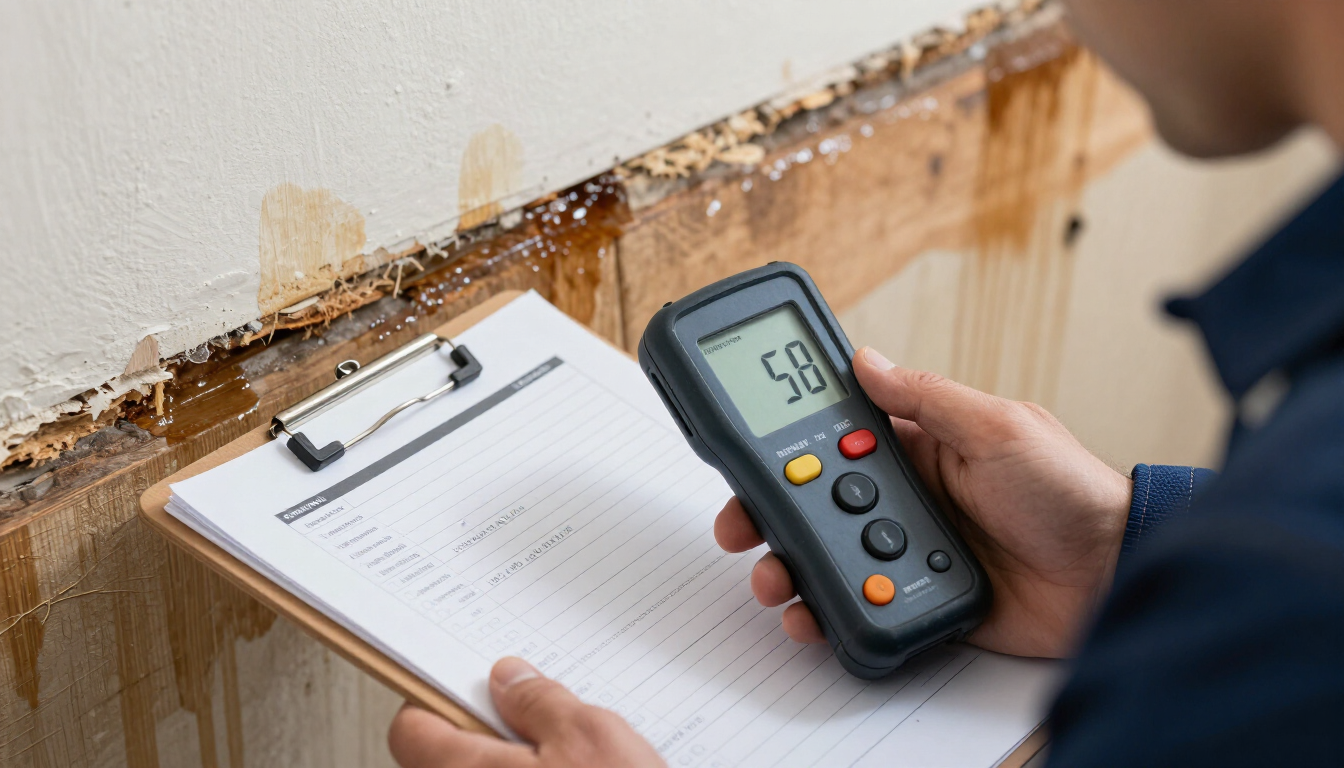
Professional water damage documentation with moisture meter and clipboard
September 4, 2026
Learn how to document water damage properly in 48 hours to speed up your insurance claim. Get a moisture map, drying plan, and estimate template.
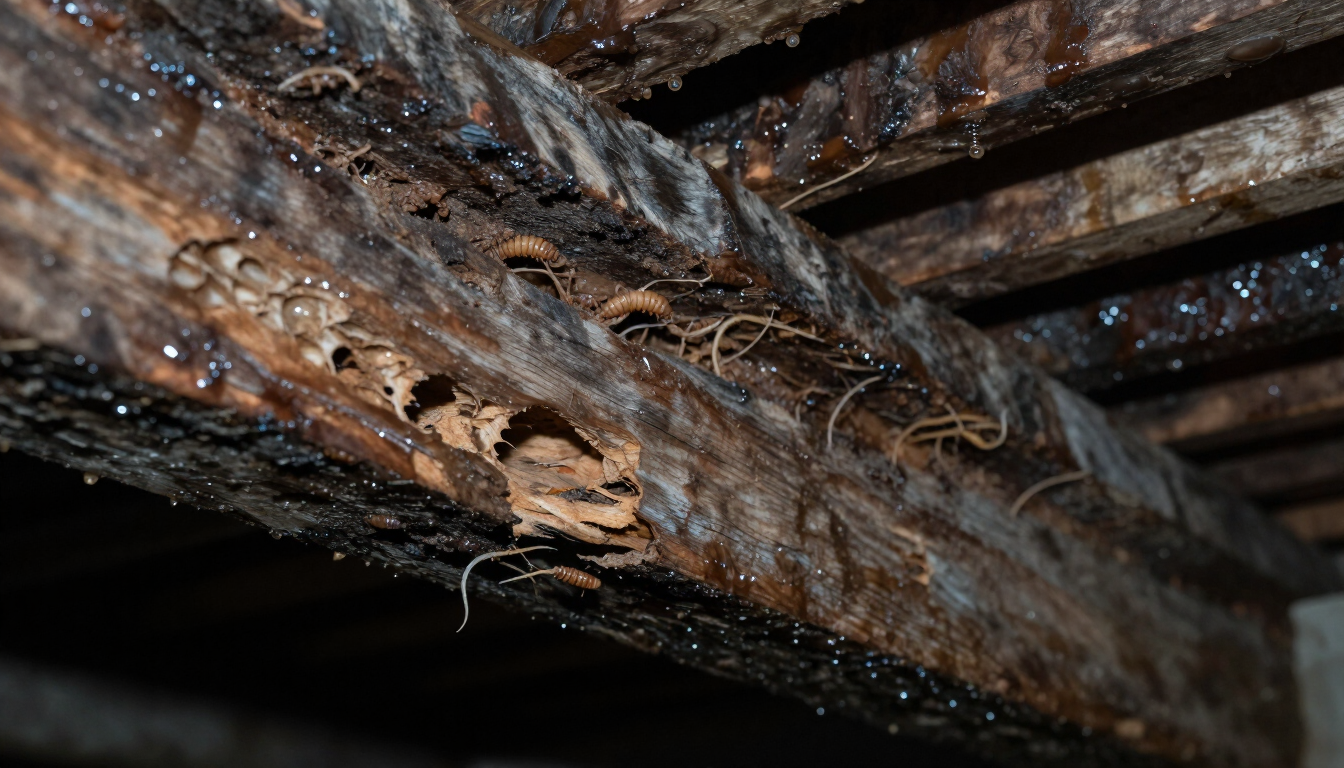
Close-up of termite mud tubes on a damp concrete foundation wall.
September 3, 2026
Learn why Southern MD's high humidity and high water table make your home a prime target for termites, and how moisture control can protect your property.
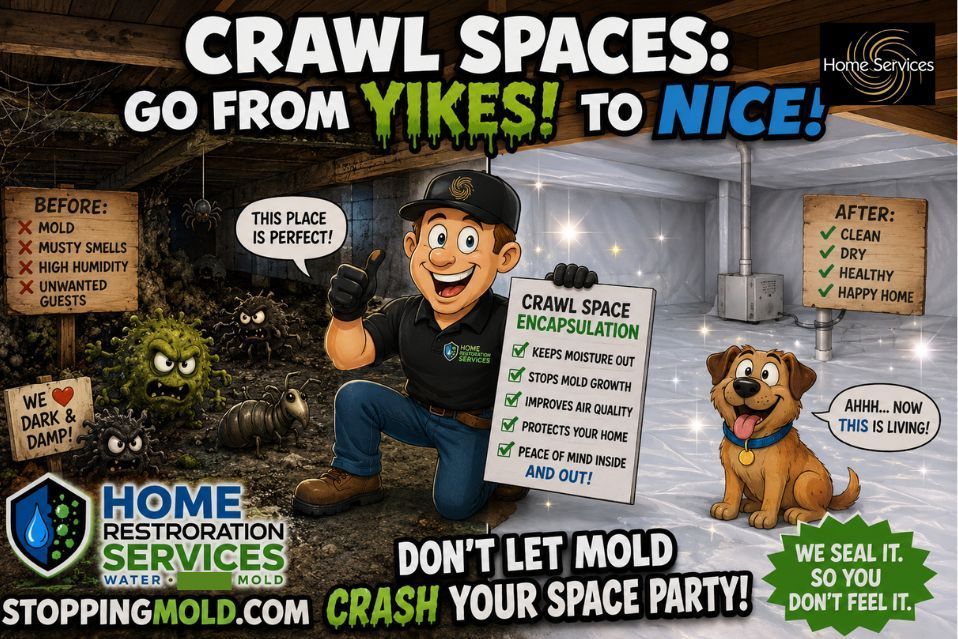
Professional crawl space encapsulation in Southern Maryland featuring a clean vapor barrier.
September 2, 2026
Learn why crawl space encapsulation in Southern MD is essential for home health. Discover the benefits, process, and costs for sealing your crawl space.

A professional grade dehumidifier working in a Maryland home.
September 1, 2026
Still smelling mold after a leak is fixed? Learn how professional dehumidification in Southern MD stops moisture from lingering in your walls and crawl spaces.
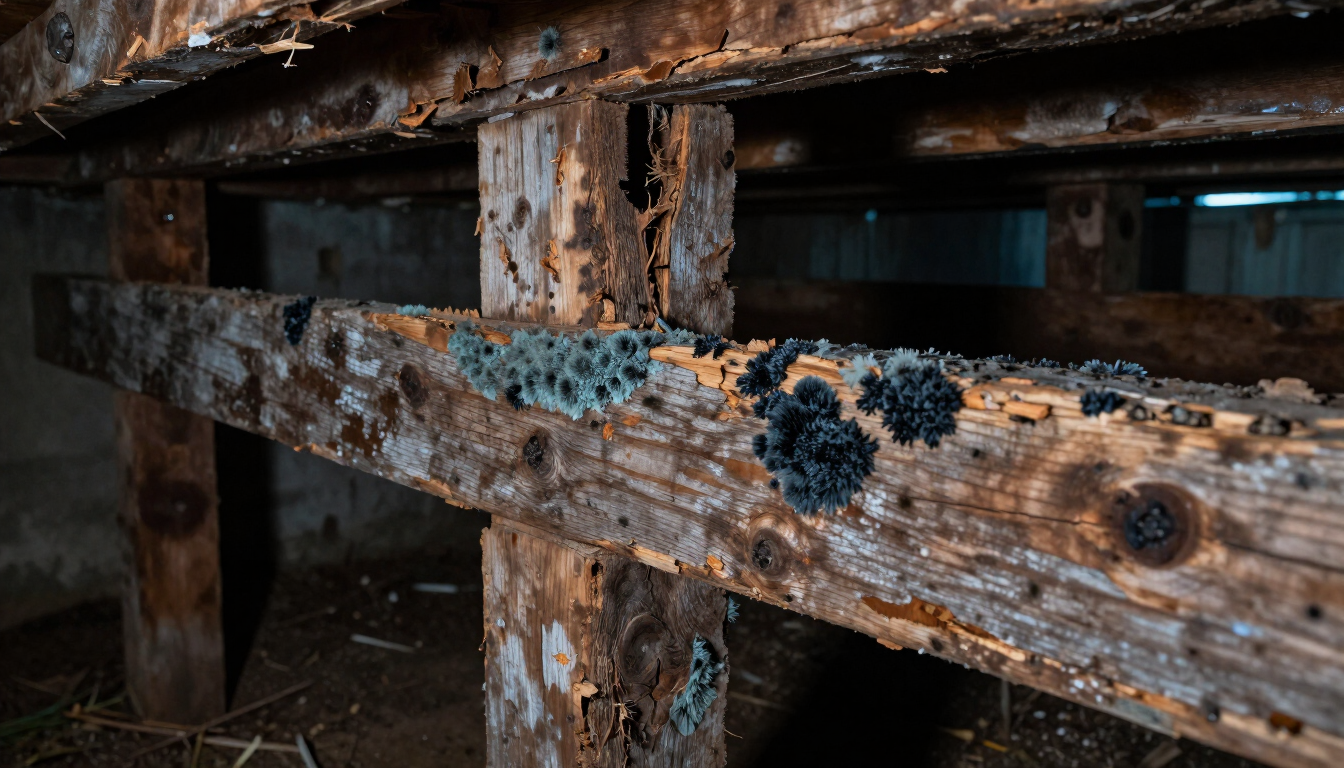
Structural mold damage on wooden joists.
August 5, 2026
Learn if mold is eating your home's structure and how to fix it. Discover signs of mold decay, structural risks, and expert remediation in Southern MD.
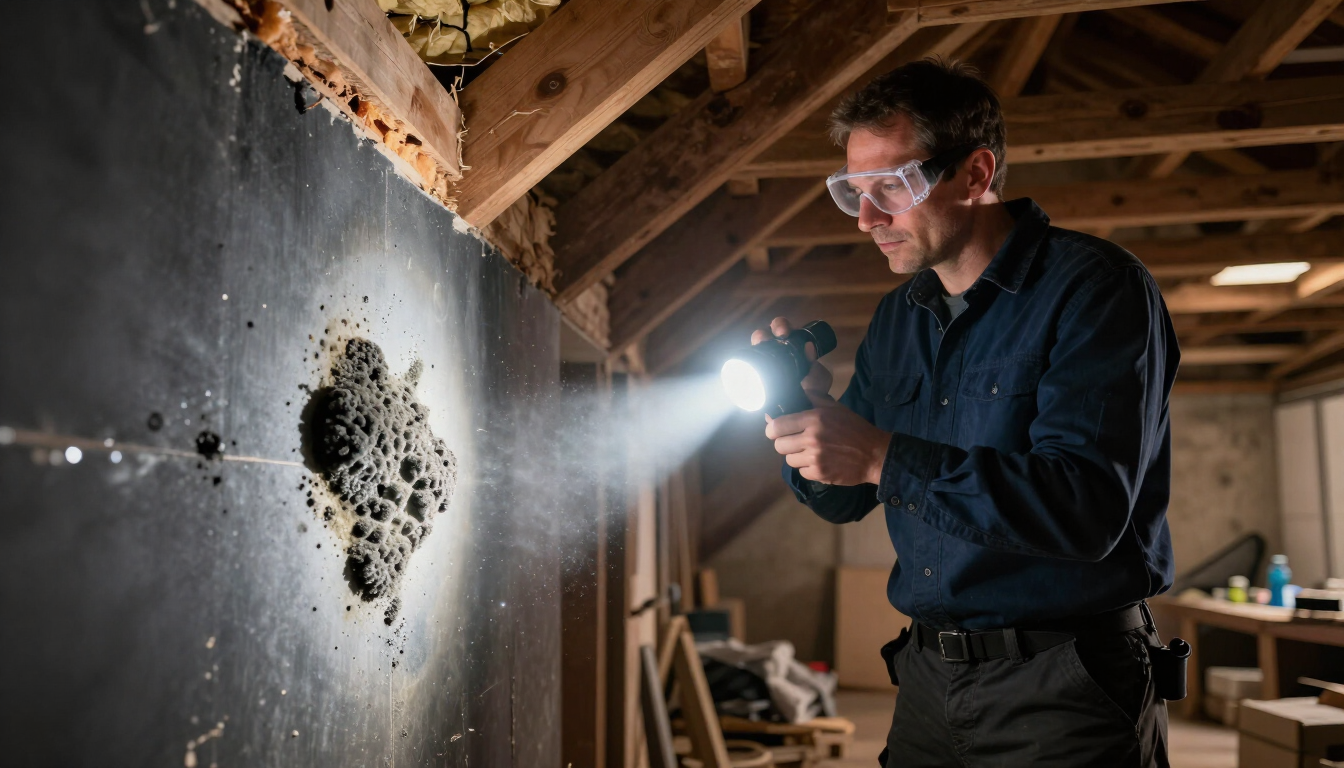
Hidden toxic mold discovered behind a wall during a professional home inspection in Maryland.
August 4, 2026
Discover the common hiding spots for toxic mold in Southern MD homes. Learn about detection, remediation, and structural repairs from licensed experts.

Show More