
Professional Mold Testing Services: Find Local Experts
MOLD TESTING
Professional mold testing services identify hidden fungal growth, measure airborne spore concentrations, and pinpoint moisture sources through laboratory-grade air sampling and surface analysis. By using specialized equipment, these experts provide a scientific baseline for remediation, ensuring your indoor air quality is safe and your home’s structural integrity remains intact.
Let’s be honest: nobody wakes up on a Saturday morning in St. Mary’s County and thinks, “Gee, I really hope I have a thriving ecosystem of Penicillium growing behind my sofa today!” Usually, the realization hits you like a damp towel to the face. You walk into a room, take a deep breath, and instead of the scent of fresh laundry or Maryland crabs, you get a nose-full of what can only be described as “Ancient Forest Floor” or “Forgotten Gym Bag.”
Finding a reliable partner for professional mold testing services is a bit like dating; you want someone honest, someone who knows their stuff, and someone who won't disappear the moment things get messy. In the humid, swampy glory of Southern Maryland, mold isn't just a possibility; it’s practically a local resident. But just because it’s everywhere doesn’t mean it should be in your guest bedroom. We are here to talk about how to spot the pros from the pretenders and why a scientific test is the only way to truly know what you are breathing.
What are professional mold testing services exactly?
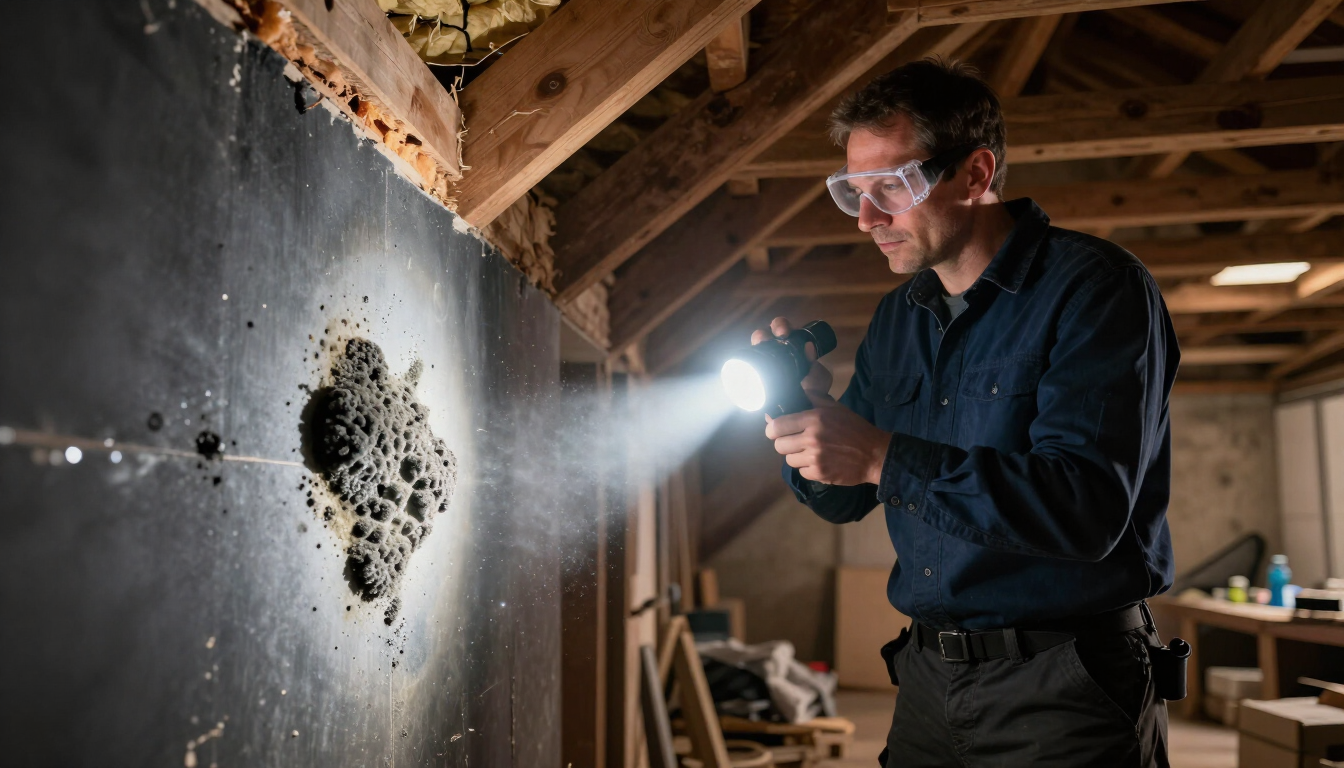
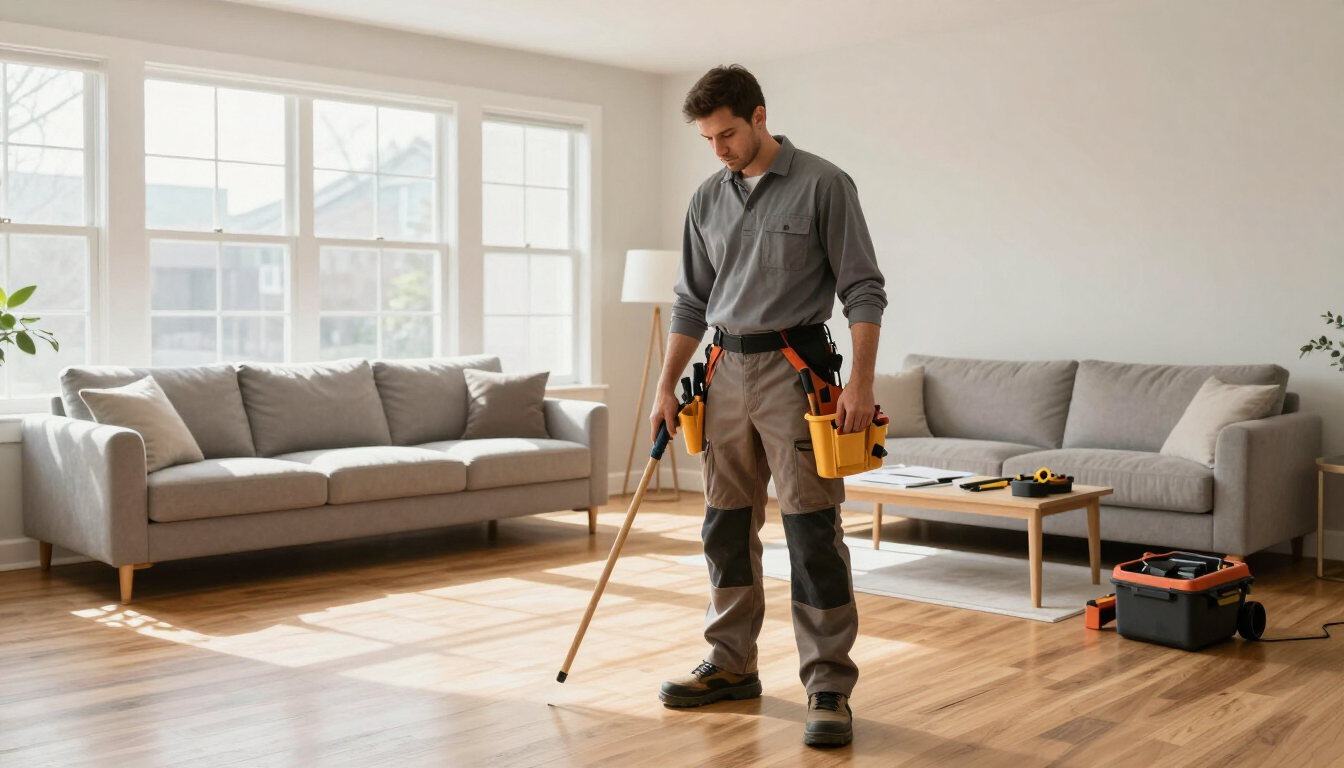
If you think a professional mold test is just a guy with a flashlight saying, “Yep, that’s green,” you are in for a surprise. Real indoor air quality testing is a data-driven process that involves capturing air samples from various points in your home and comparing them to a “control” sample taken outdoors. Because mold exists naturally in the environment, the goal isn't to reach zero spores (that’s impossible unless you live in a vacuum-sealed laboratory), but to ensure that the levels inside aren't higher or more toxic than the levels outside.
When you hire a pro, you are paying for three specific things:
- Air quality cassettes that trap microscopic spores.
- Surface swabs or “tape lifts” for visible growth.
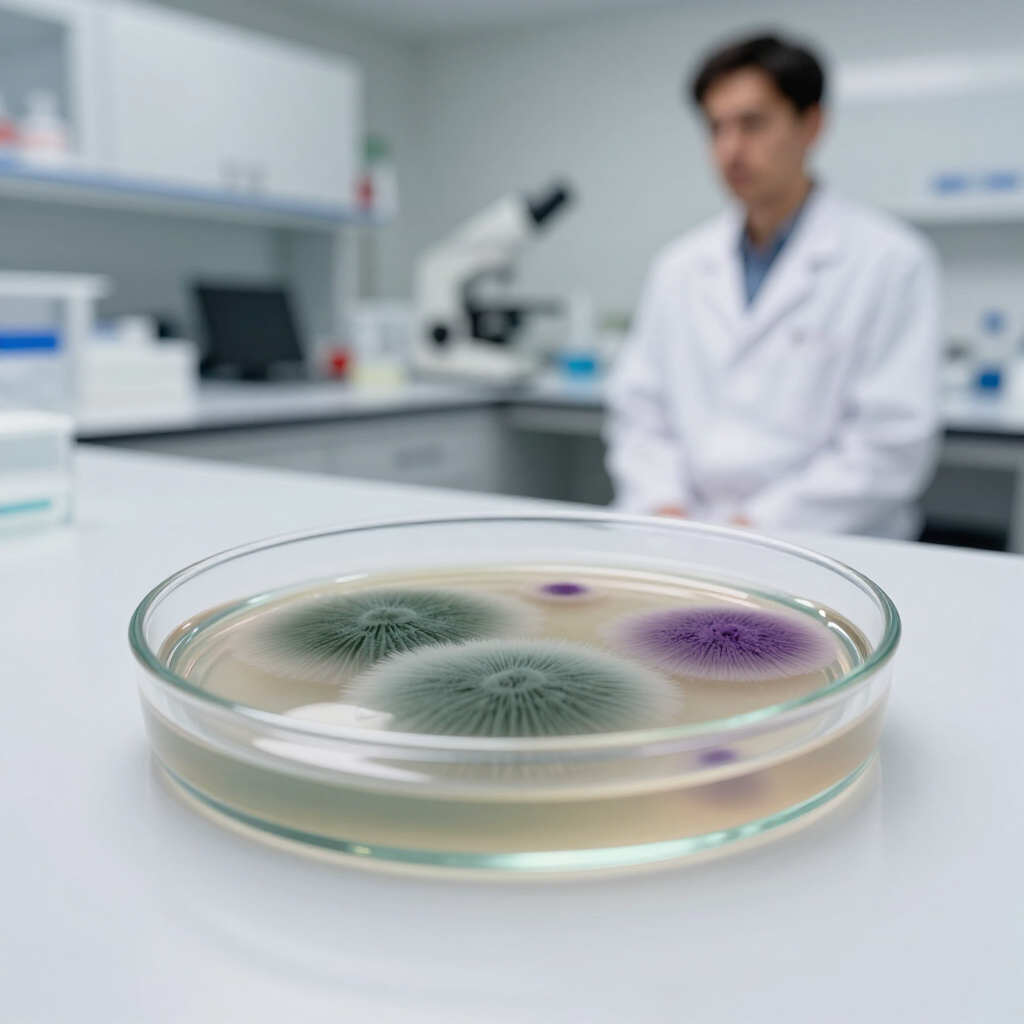
- A comprehensive lab report from a third-party microbiologist.
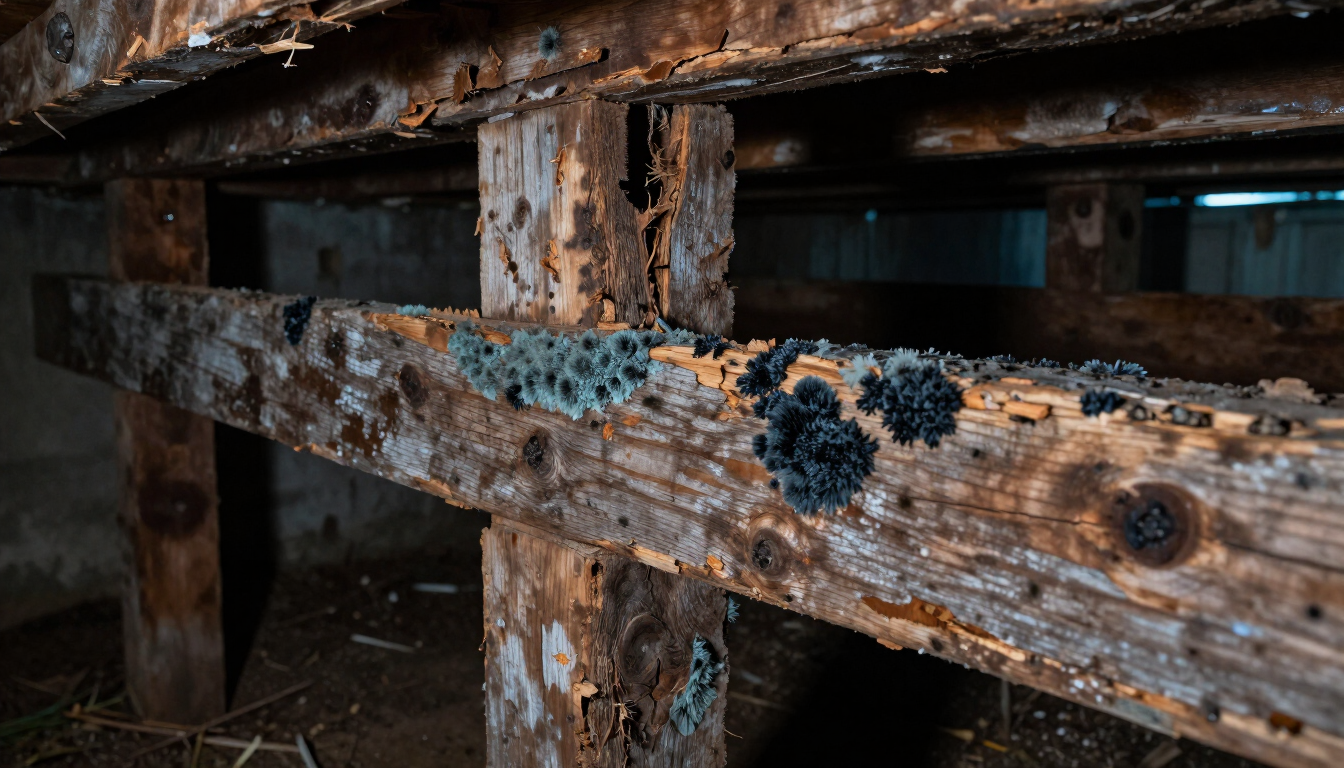
This isn't just about identifying if you have mold; it’s about identifying which mold you have. Is it the relatively harmless Cladosporium that just makes you sneeze, or is it Stachybotrys (the infamous black mold) that wants to rewrite your health records? A reliable company will provide you with a clear, easy-to-read breakdown of these findings so you aren't left staring at a spreadsheet of Latin names wondering if you should move out immediately.
Why does my Southern MD home smell like a wet sock?
In places like Charles County and Calvert County , humidity is basically our second atmosphere. When that moisture meets the organic materials in your home—drywall, wood framing, or the forgotten cardboard boxes in your attic—mold sees a buffet. The “musty” smell you detect is actually microbial volatile organic compounds (mVOCs). In plain English? It’s mold farts.
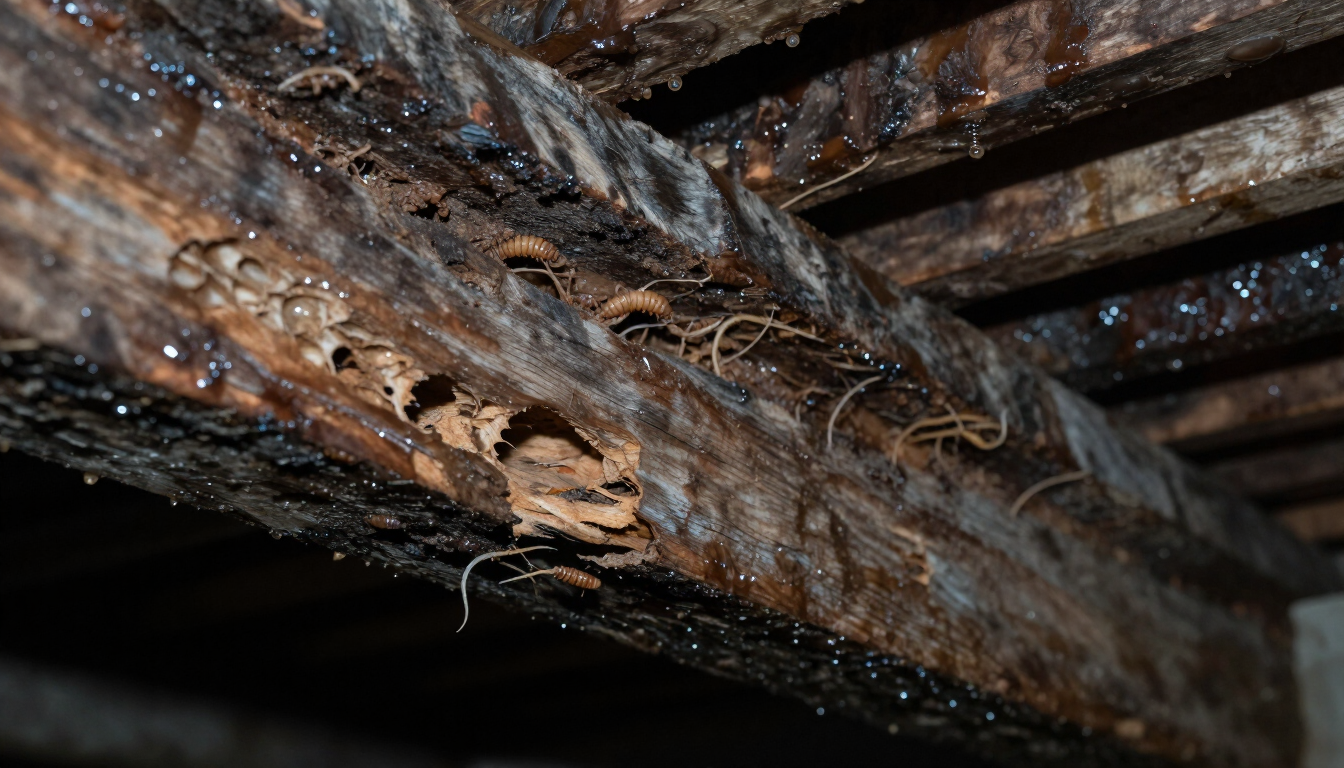
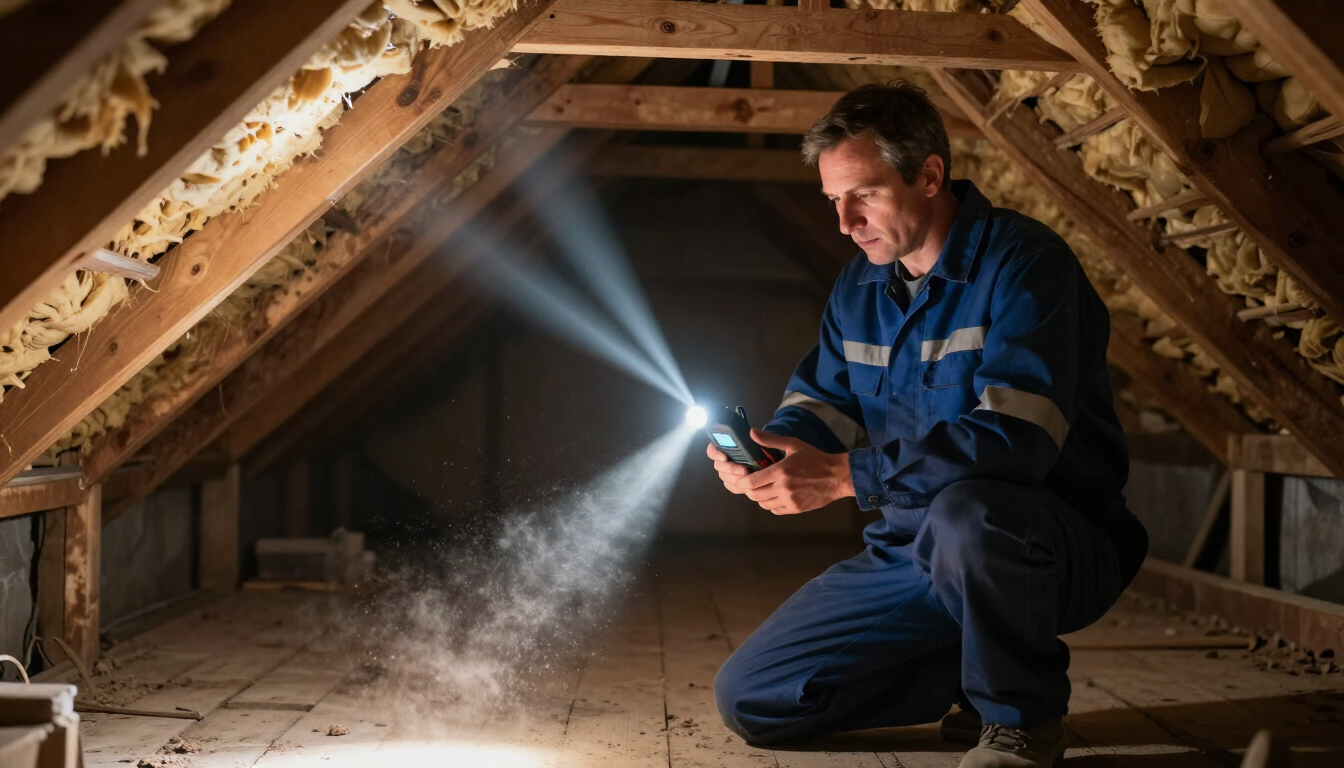
When mold is actively eating your home, it releases gases. If you can smell it, the colony is already established and likely hidden. It might be behind your wallpaper, under the floorboards, or tucked away in a crawl space that hasn't seen a human since the mid-90s. Testing helps locate these invisible colonies by measuring where the spore counts are highest, directing remediation efforts to the source rather than just scrubbing the symptoms. It’s the difference between treating a fever and finding the infection.
The difference between professional testing and DIY kits
It is incredibly tempting to walk into a big-box hardware store and buy a $10 DIY mold test kit. It feels like a win for your wallet, right? Well, not exactly. These kits are often little more than a petri dish that you leave out on the counter. The problem? Every house in America will grow mold on a petri dish left in the open air.
Here is why the DIY route usually fails:
- False Positives: They don't distinguish between normal outdoor spores and a real indoor infestation.
- Lack of Context: They won't tell you the concentration of spores per cubic meter.
- No Source Identification: A dish in the kitchen won't tell you the leak is in the attic.
- Shipping Issues: Samples often degrade in the mail before reaching a lab.
- Zero Guidance: You get a “positive” result and no plan on how to fix it.
Professional testing provides a snapshot of the total environment. It uses calibrated pumps to pull specific volumes of air, ensuring the data is scientifically valid. This is the only type of report that insurance companies or remodeling contractors will actually take seriously. If you want a solution, skip the hardware store science project and call in the big guns.
How to choose a reliable mold testing company?
Not all mold testers are created equal. Some are “scare-mongers” who will tell you your house is a biohazard just to sell you an expensive cleaning service. To find a reliable provider in Southern Maryland, you need to look for transparency and credentials. A trustworthy company should be able to explain their process without resorting to doomsday scenarios.
Ask these questions before hiring:
- Do you send samples to an AIHA-accredited laboratory?
- Do you provide a written protocol for remediation based on the results?
- Are you licensed by the Maryland Home Improvement Commission (MHIC)?
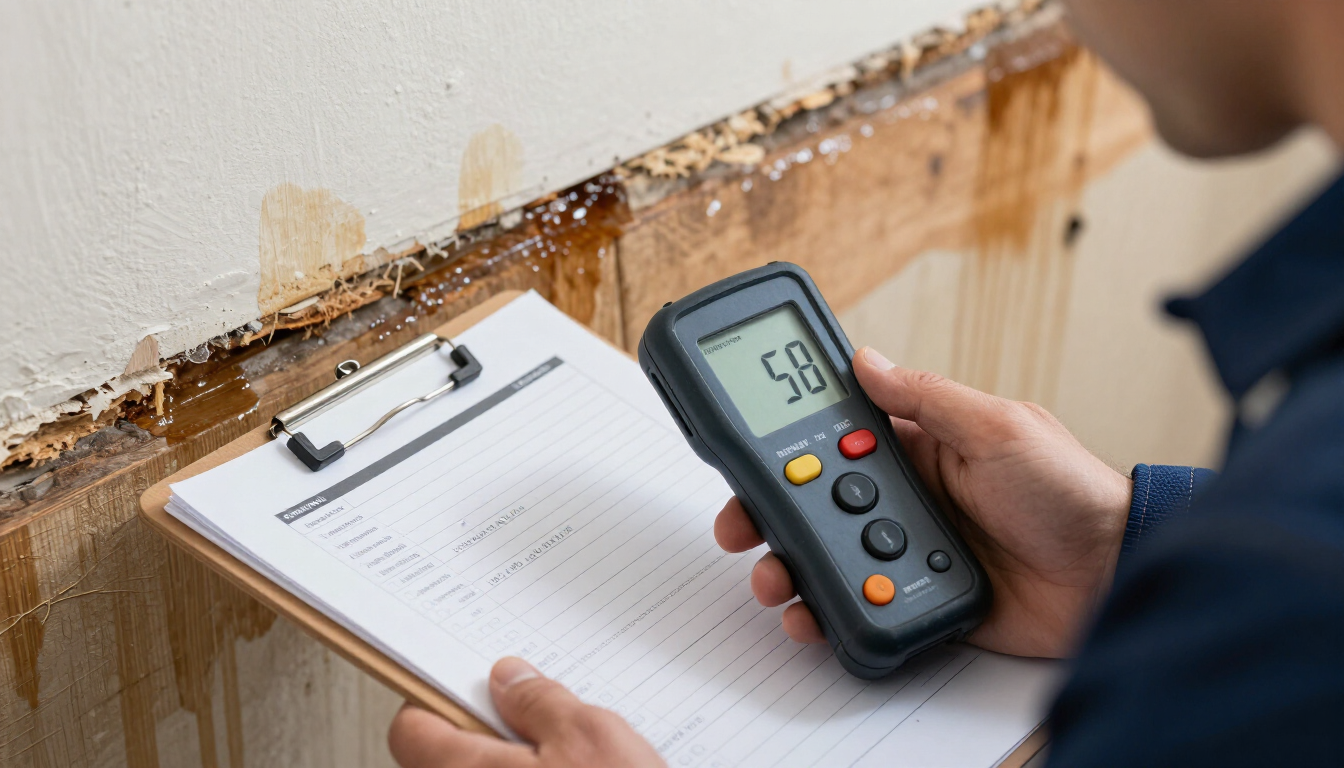
- How do you handle hidden moisture detection (thermal imaging or moisture meters)?
- Do you offer a post-remediation clearance test to prove the mold is gone?
A reliable tester is an investigator, not a salesman. They should be looking for the cause of the mold, whether it's a foundation crack or a faulty dehumidification system. If they aren't looking at your structural repairs needs, they aren't giving you the full picture.
Beyond testing: Why structural knowledge matters
This is where many companies fall short. They can tell you that you have mold, and they might even be able to spray some chemicals to kill it, but they don't know how to fix the house . At Home Restoration Services, we hold an MHIC license (#143012), which means we see the bigger picture. Mold isn't just a surface stain; it’s a symptom of a failing structure.
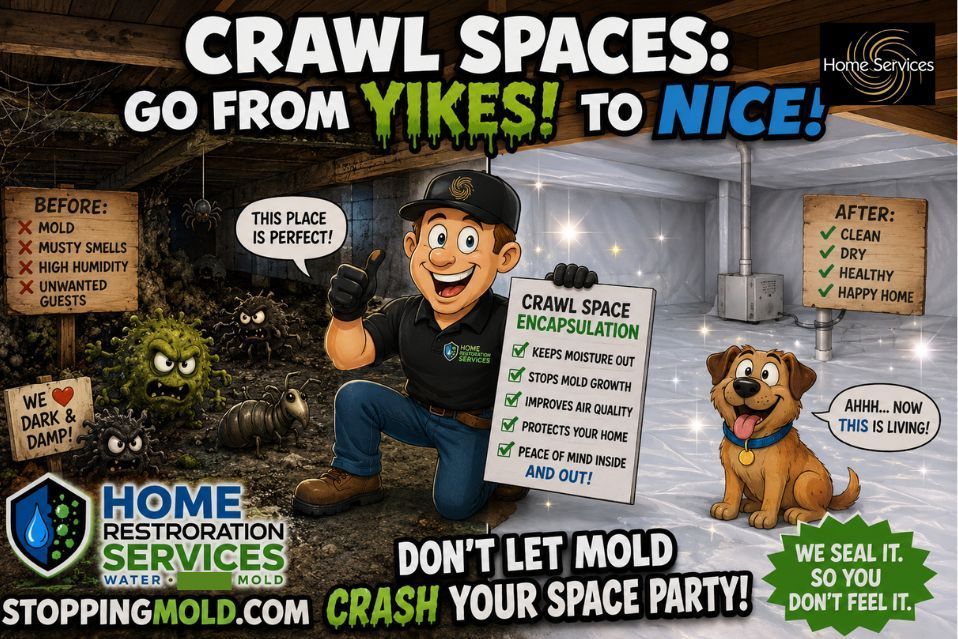
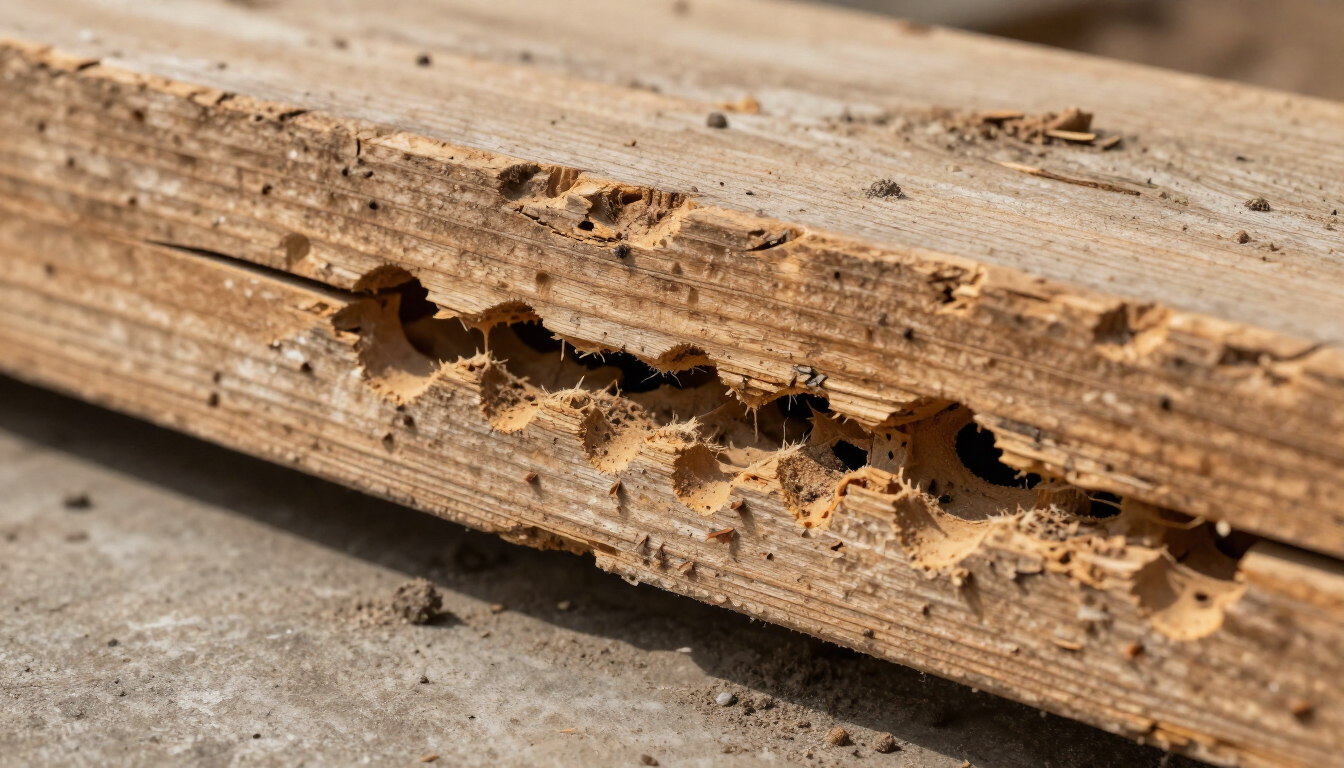
When we perform mold remediation , we aren't just cleaning up spores. We are looking at why the water got there in the first place. Did a joist repair fail? Is the crawl space lacking encapsulation ? Do you need structural wall straps to seal off moisture-seeping cracks? If you hire a company that only knows “mold,” you’ll be calling them again in six months when the mold grows back. If you hire a company that knows “restoration,” you are fixing the problem for good.
Our approach in Southern MD focuses on:
- Identifying the specific water intrusion point.
- Using HEPA-filtration to scrub the air during cleaning.
- Executing structural fixes that prevent future leaks.
- Rebuilding spaces to look better than they did before the damage.
Is mold testing worth the investment?
Think of a mold test as a diagnostic tool for your home’s health. If you are buying a new home, selling your current one, or dealing with unexplained health issues like chronic coughing or itchy eyes, the answer is a resounding yes. It provides peace of mind that can't be bought with a bottle of bleach and a prayer.
In the long run, professional testing saves you thousands of dollars by preventing unnecessary work. Without a test, you might tear out an entire wall when only a small section was affected. Conversely, you might miss a massive colony behind the insulation that would have continued to rot your studs. Knowledge is power, and in the world of home maintenance, power is the ability to keep your foundation solid and your air breathable.
Summary: Getting your air quality back on track
Professional mold testing services are the essential first step in reclaiming a healthy home environment. By moving beyond visual inspections and using laboratory-validated data, homeowners in Southern Maryland can identify hidden risks and create a targeted plan for remediation. Reliable companies don't just find the fungus; they find the moisture source—whether it's through foundation crack repair or attic ventilation—and provide a roadmap for structural restoration.
Key Takeaways for Homeowners:
- Professional testing uses air and surface samples to provide a scientific baseline of your home's health.
- Avoid DIY kits; they lack the accuracy and context needed for real solutions.
- Choose a tester with structural knowledge (MHIC licensed) to ensure the root cause is addressed.
- Testing is vital for real estate transactions and resolving chronic indoor air quality complaints.
- Always insist on a third-party lab report to verify any claims of toxic mold growth.
Don't let your home become a science experiment. If you suspect your air isn't as clean as it should be, or if that