What Is Air Duct Cleaning?
Air duct cleaning is the process of removing dust, dirt, mold, and other debris from your home’s ductwork. These ducts move air from your heating and cooling system throughout your house. Over time, particles collect on duct surfaces, affecting air quality and reducing efficiency.
Professional cleaners use special vacuums, brushes, and blowers to remove buildup from supply, intake, and return ducts. The goal is to improve air quality, airflow, and HVAC performance.
Think of your ducts as the lungs of your home. When they’re clogged, your air feels heavy and stale. Cleaning them helps your home breathe clean, comfortable air again.
Why Air Duct Cleaning Matters
1. Cleaner Indoor Air
Every time your HVAC runs, it circulates air through the ducts. If that air passes over dust, pollen, or mold, those particles move into every room. Clean ducts mean cleaner air and fewer allergens floating around.
2. Better Energy Efficiency
Dust and debris make your HVAC system work harder to push air through. That means more energy use and higher bills. Regular cleaning keeps airflow strong and equipment running smoothly.
3. Elimination of Odors
Musty or smoky smells often start inside dirty ducts. Cleaning removes built-up dust and residue that can trap unpleasant odors.
4. Fewer Repairs
Dust and grime can damage fans, motors, or coils. Keeping ducts clean reduces strain on your system, lowering the risk of breakdowns.
How Does Air Duct Cleaning Work?
If you’ve ever wondered how air duct cleaning works, the process is detailed and methodical. Trained professionals follow specific steps to make sure every inch of the duct system is cleaned safely.
Step 1: Inspection
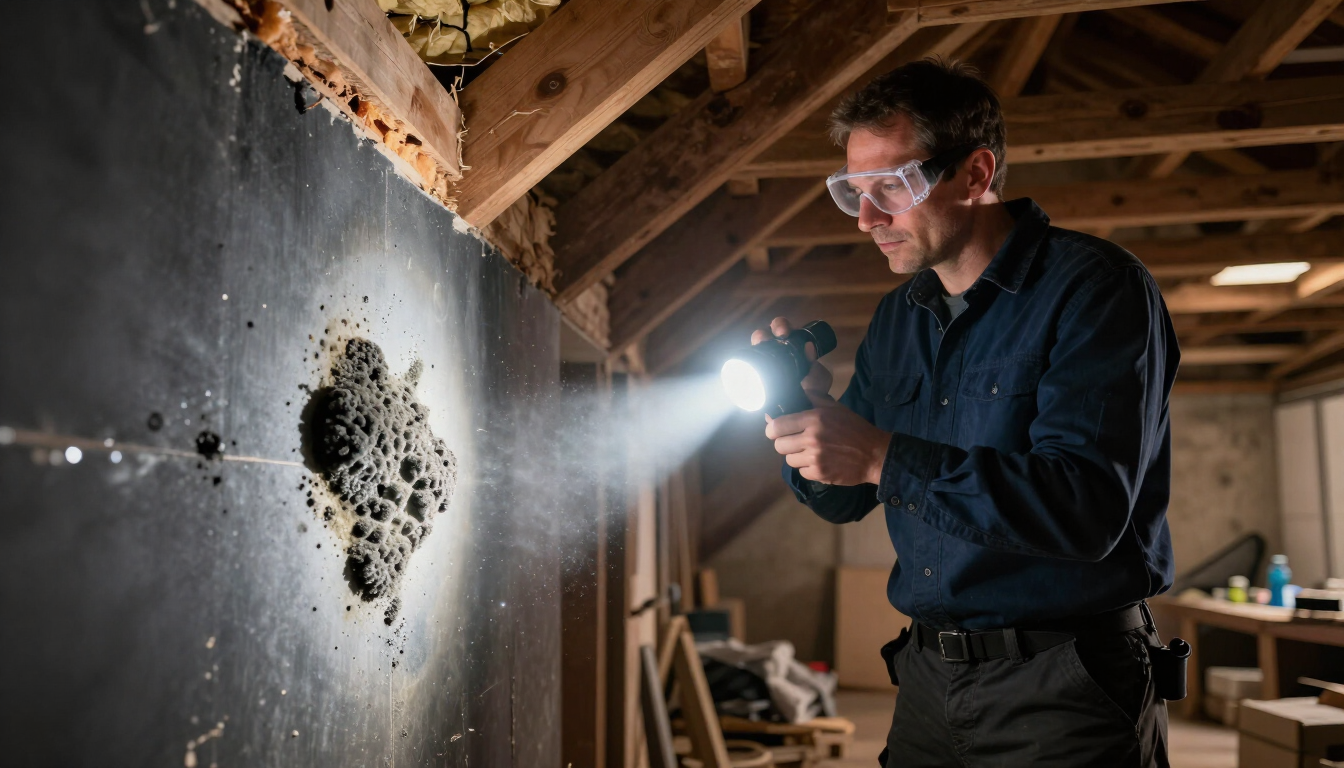
A technician inspects your ductwork using a camera or small light. This helps locate blockages, mold, or heavy dust buildup.
Step 2: Sealing and Vacuum Setup
To prevent dust from escaping, vents are sealed, and a high-powered vacuum is attached to create negative pressure. This setup ensures all debris is pulled out instead of released into your home.
Step 3: Agitation
Rotating brushes and compressed air tools break up dirt and dust clinging to duct walls. This step loosens debris that normal vacuums can’t reach.
Step 4: Vacuuming and Extraction
Once the debris is loosened, it’s sucked out through a HEPA-filtered vacuum system. All particles are captured and removed safely.
Step 5: Cleaning Other HVAC Components
A full cleaning often includes other parts of your system like:
- Supply and return registers
- Air plenum
- Evaporator coil
- Blower motor
- Drain pan
These parts collect the same dust that builds up inside your ducts, so cleaning them improves your system’s performance.
Step 6: Sanitization (Optional)
Some services use an EPA-approved sanitizer to remove bacteria, mold spores, or odors. This is useful after water or smoke damage, or if you suspect mold in your ducts.
How Often Should Air Ducts Be Cleaned?
Many people ask, how often should air ducts be cleaned? The National Air Duct Cleaners Association (NADCA) recommends every 3 to 5 years, depending on your home’s conditions.
You may need more frequent cleaning if you:
- Have pets that shed hair or dander
- Recently completed a remodeling project
- Notice visible dust or mold inside vents
- Experience unexplained allergy symptoms
- Live in a humid or high-pollen area
If you’re still unsure how often air ducts should be cleaned, a quick inspection once a year can help you decide.
What Does Air Duct Cleaning Include?
Homeowners often wonder what air duct cleaning includes before scheduling a service. While it varies slightly, most professional cleanings include:
- Full duct system cleaning (supply and return)
- Vent and register cleaning
- Air handler and blower motor cleaning
- Filter replacement (if requested)
- Sanitizing treatments (optional)
Every part of your air system should be cleaned together to prevent dust from recirculating.
How Air Duct Cleaning Works in Detail
You might hear both “how air duct cleaning works” and “how does air duct cleaning work” used interchangeably. In simple terms, the process removes buildup, reduces airflow restrictions, and restores efficiency.
The key is negative air pressure. By sealing off vents and attaching a strong vacuum, the system safely pulls out contaminants without spreading them through your home. Combined with agitation tools and brushes, this method ensures a complete clean.
Signs Your Ducts Need Cleaning
Watch for these warning signs that your ducts may need attention:
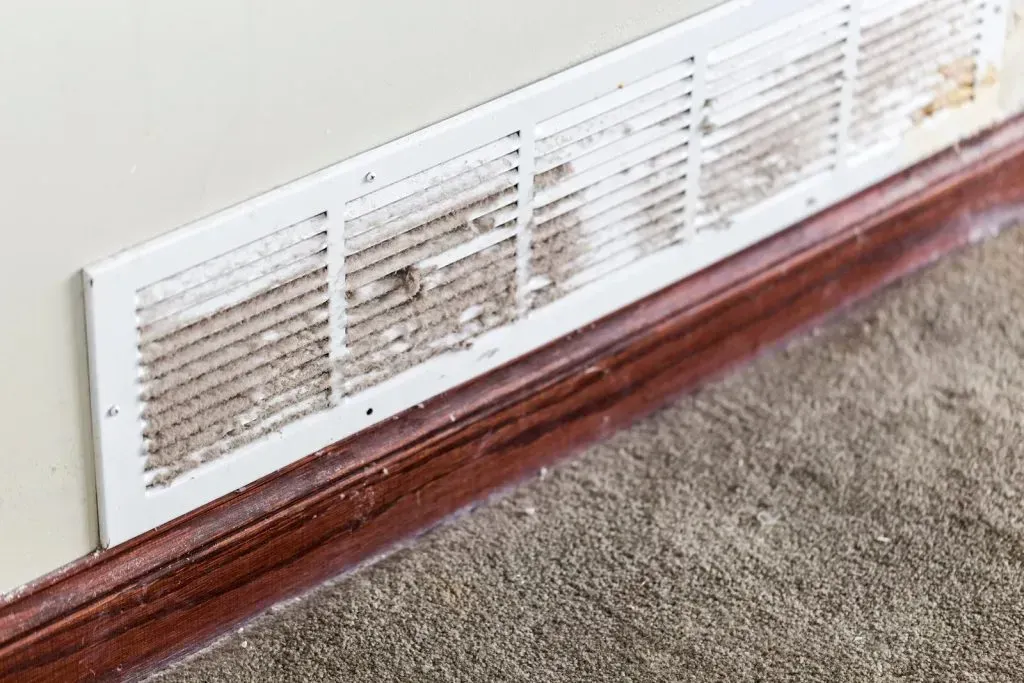
- Dust or black residue around vent covers
- Uneven temperatures between rooms
- Musty or smoky smells when your system starts
- Frequent sneezing, coughing, or congestion indoors
- Recent water or fire damage in your home
If you notice one or more of these, it’s a good time to call a certified professional.
Benefits of Regular Air Duct Cleaning
Healthier Air
Removing allergens, mold spores, and bacteria helps everyone breathe better, especially those with allergies or asthma.
Energy Savings
When air flows freely, your HVAC system doesn’t have to overwork, which lowers your energy bills.
Longer HVAC Life
Clean systems last longer because there’s less strain on moving parts.
Comfort and Freshness
After cleaning, you’ll notice air feels fresher, rooms stay evenly heated or cooled, and dust settles less often.
Can You Clean Air Ducts Yourself?
While DIY cleaning might sound easy, it’s not effective without the right tools. Standard home vacuums can’t reach deep into ducts or remove sticky dust and mold.
Attempting it yourself can even cause damage or release dust into the air. Hiring trained professionals ensures the process is safe and thorough.
Preparing for a Professional Air Duct Cleaning
Before your appointment:
- Move furniture away from vents
- Secure pets in another room
- Clear space around your HVAC system
After cleaning, replace filters and monitor dust levels. You should notice fresher air almost immediately.
Final Thoughts
So, what is duct cleaning really about? It’s about protecting your air quality, improving comfort, and helping your HVAC system run smoothly. Now that you know what air duct cleaning is, how air duct cleaning works, and what does air duct cleaning include, you can decide when it’s time to schedule your next service. Clean air ducts are an easy way to make your home healthier and more efficient.
How Home Services Restoration, LLC Can Help
At Home Services Restoration, LLC, we have over 50 years of experience serving homes and businesses across Southern Maryland. We are IICRC- and NADCA-certified in air duct cleaning, mold sanitizing, and full restoration. We take pride in being a locally owned and operated business that goes beyond the 9-to-5 to support our community.
After every project, we make a donation to Children’s National Hospital, helping local families who rely on exceptional pediatric care. From mold remediation to fire, smoke, and water damage restoration, we deliver honest, dependable results that protect your home and those who live in it. Call
(240) 237-8045 today to schedule your air duct cleaning or restoration service.