What Is Mold Remediation?
Mold remediation means locating, containing, and safely removing mold growth from a property. It also includes preventing future mold problems by addressing the source of moisture.
Unlike simple cleaning, true remediation removes visible mold and airborne spores using proven mold remediation techniques. The goal is to make the space healthy again and stop mold from returning.
For homeowners in
Great Mills, MD, where humidity levels stay high, proper remediation helps protect air quality, property value, and health.
Why Mold Remediation Matters
Mold is more than an eyesore. It can harm your health and damage your home.
Health risks: Mold spores may trigger allergies and breathing problems. People with asthma or weakened immune systems are more vulnerable.
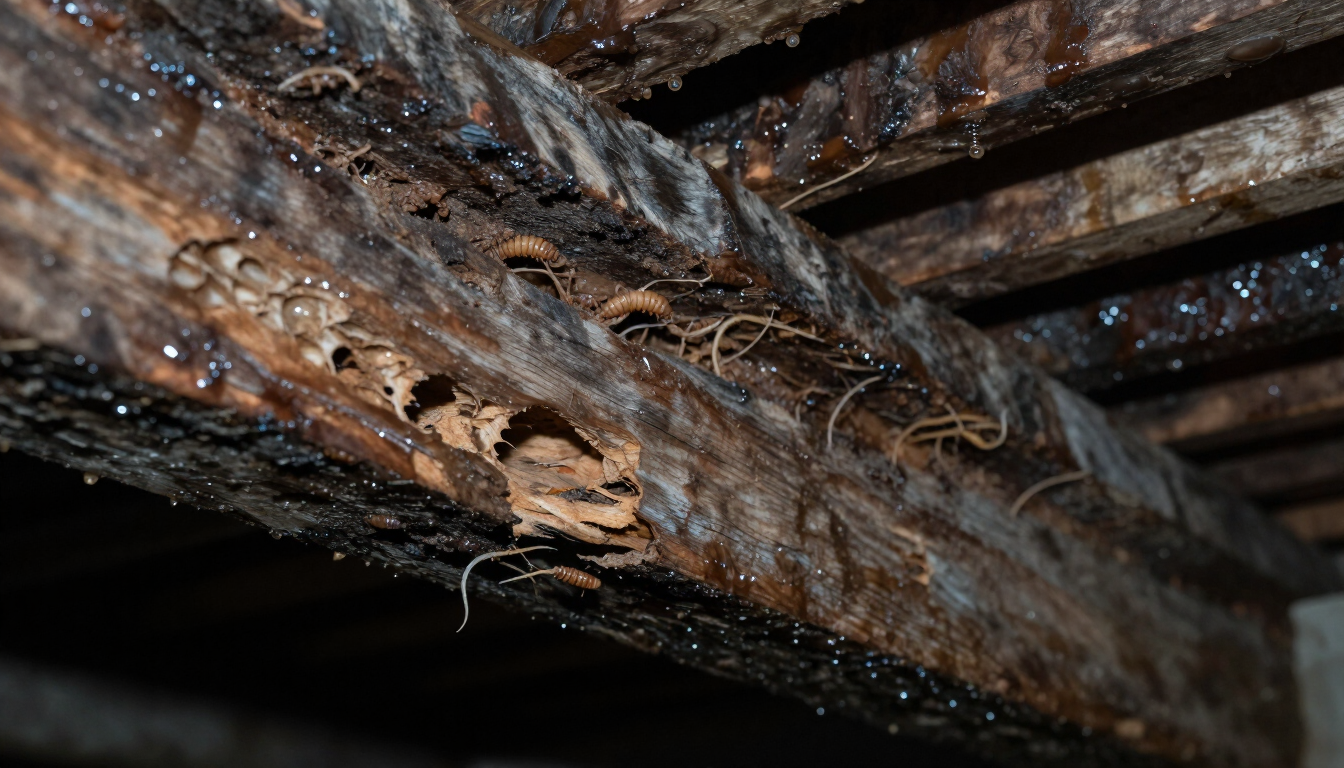
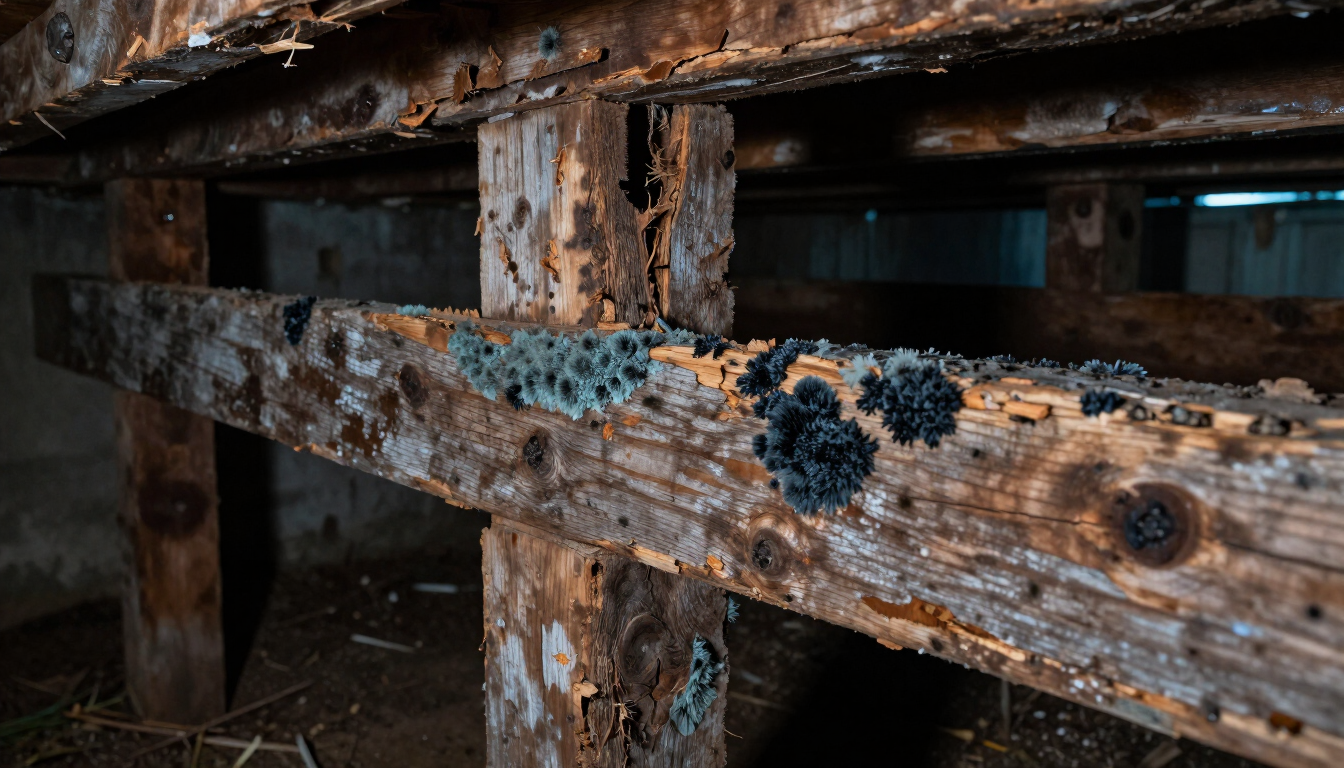
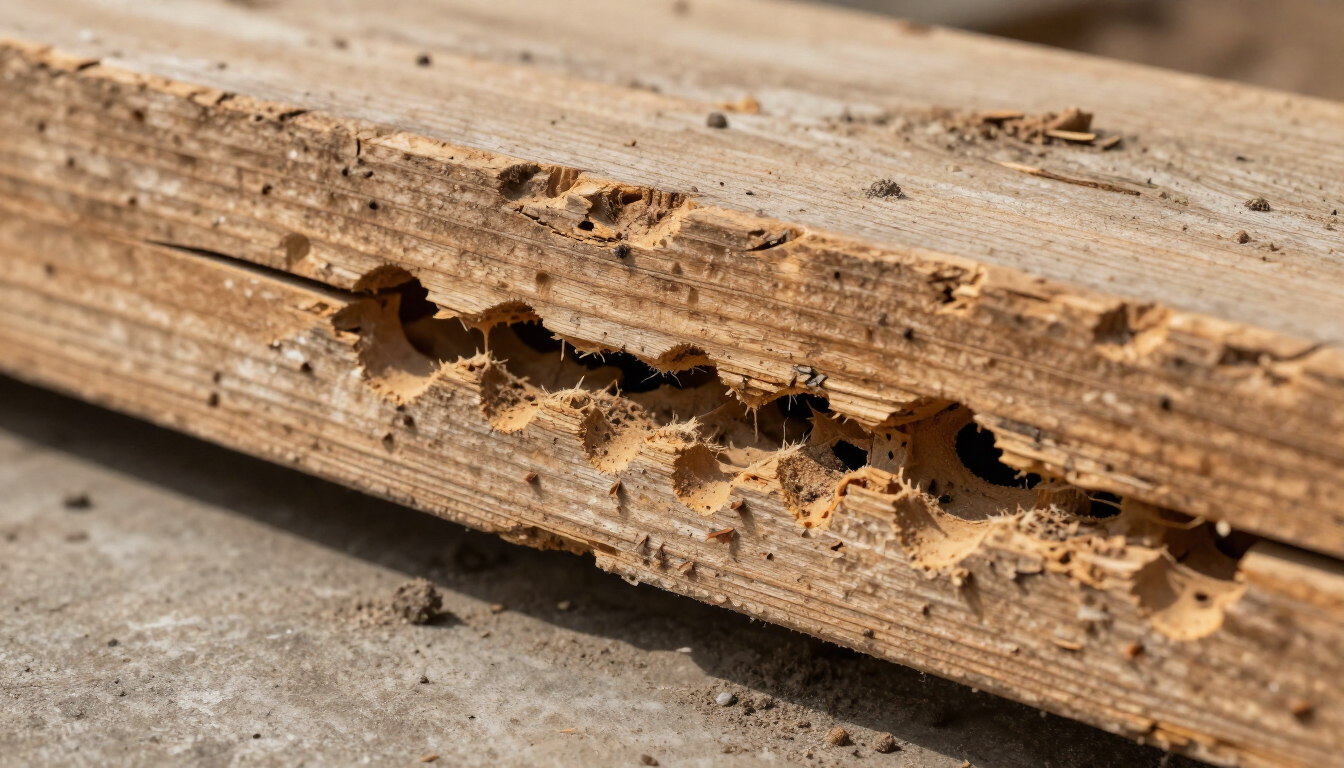
Structural damage: Mold weakens wood, drywall, and insulation. Over time, it can cause structural issues.
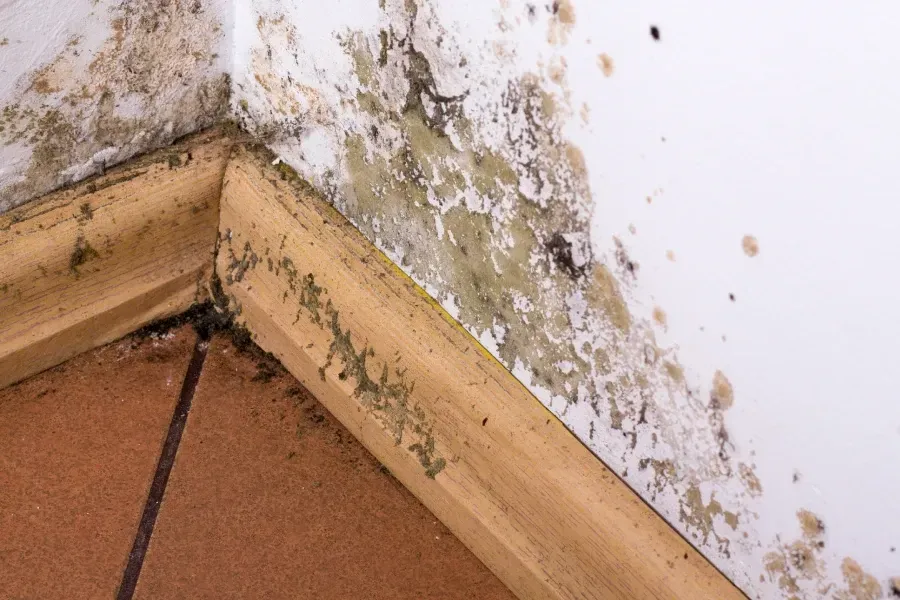
Hidden growth: Mold often hides behind walls, floors, or ceilings. When it becomes visible, it has likely spread.
Understanding what is mold remediation helps you see why professional removal is important. The right process eliminates hidden spores and prevents further contamination.
The Mold Remediation Process
Here are the main
steps in mold remediation followed by professionals.
Step 1: Inspection and Assessment
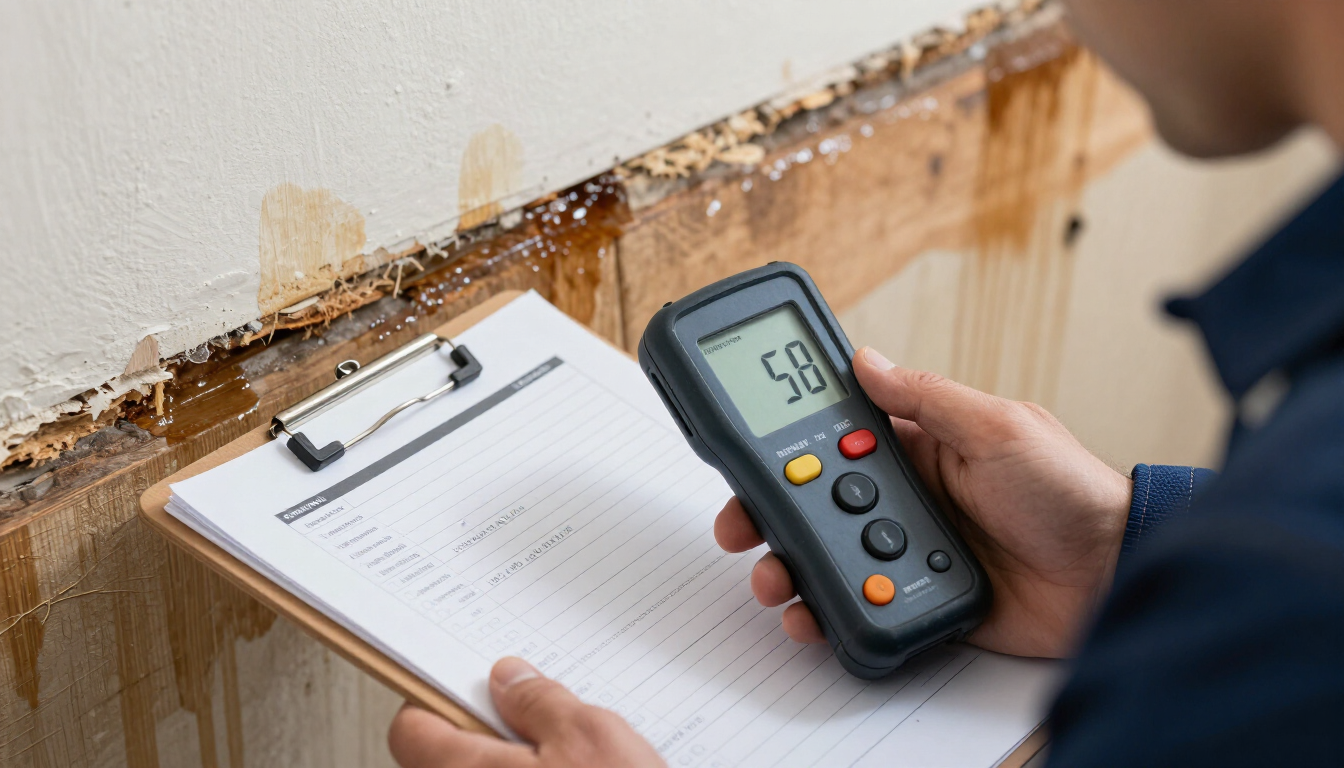
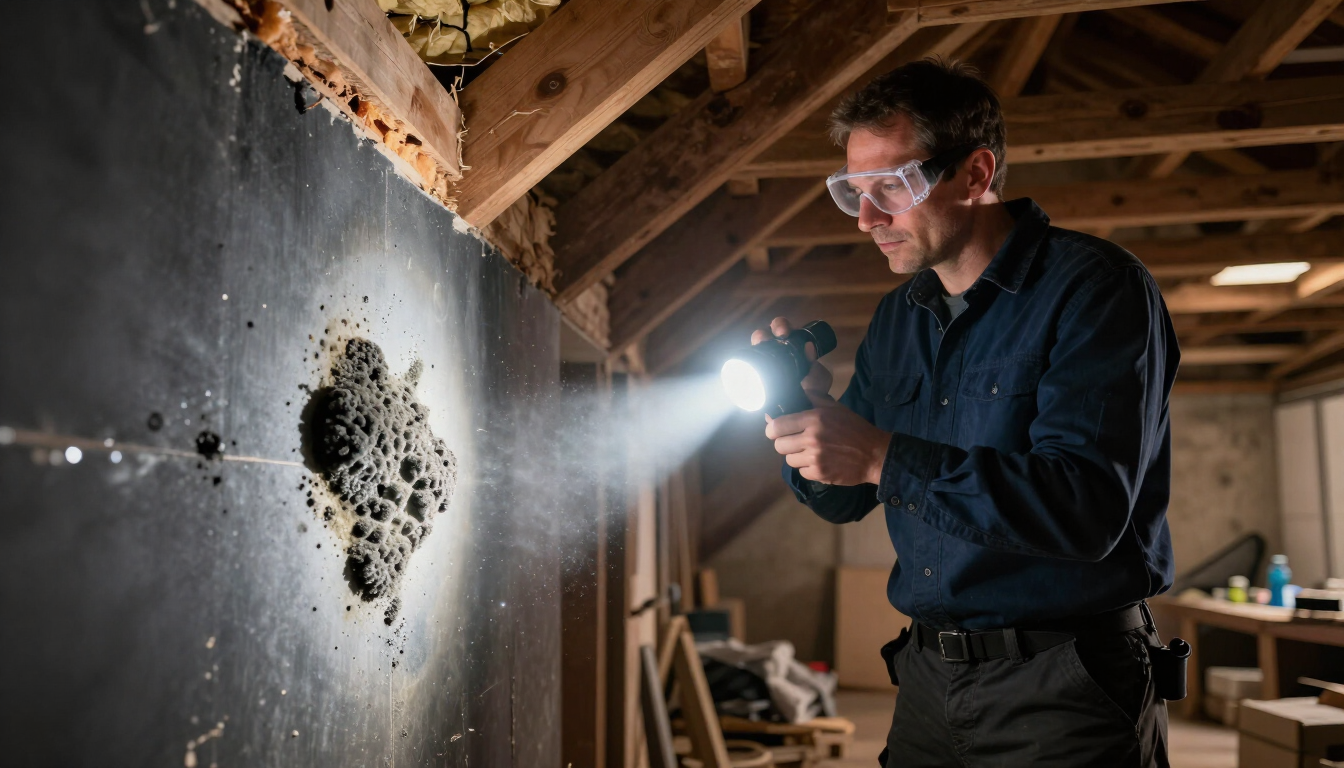
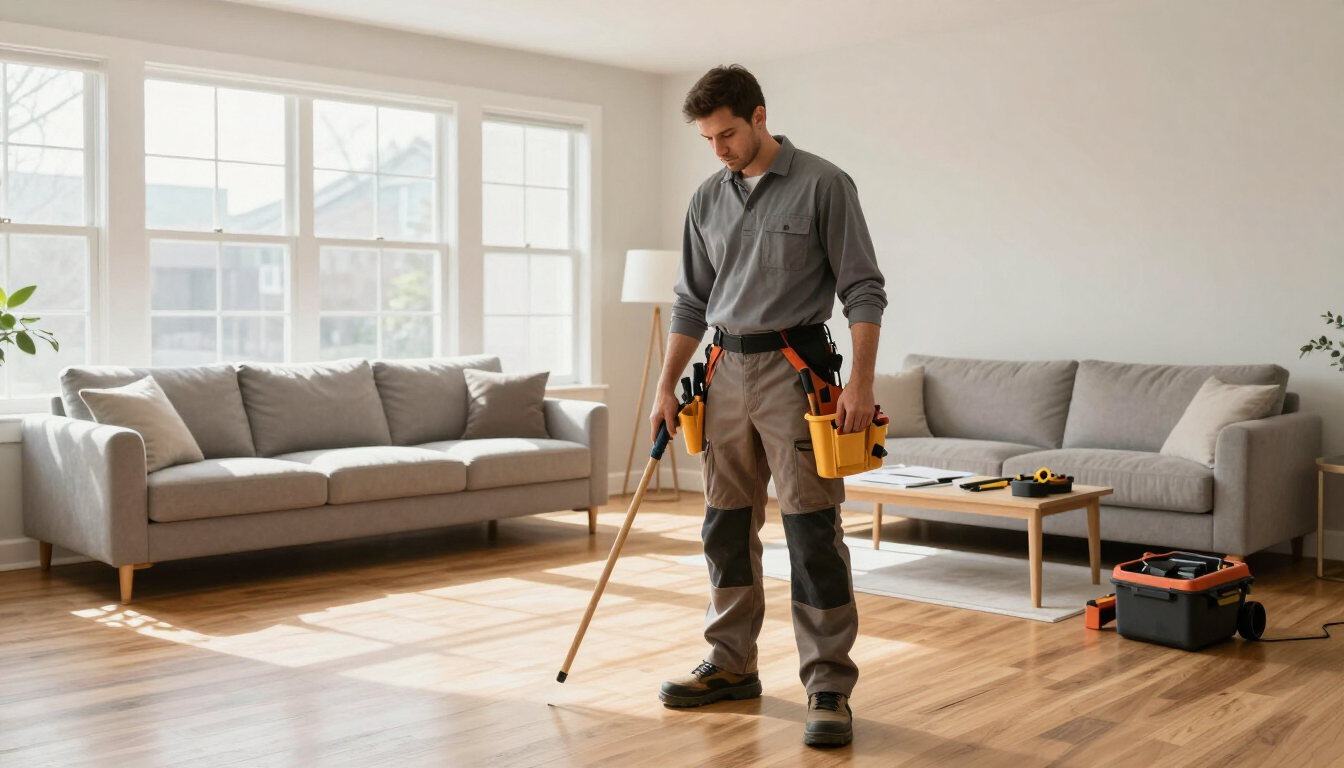
Technicians inspect your home to find the source of mold and moisture. They use air sampling, moisture meters, and visual checks to confirm the problem.
Step 2: Containment
The affected area is sealed to prevent mold spores from spreading. Plastic barriers, air scrubbers, and negative air pressure are used to keep other rooms safe.
Step 3: Air Filtration
HEPA filters capture airborne spores during cleanup. This improves indoor air quality and reduces contamination.
Step 4: Mold Removal
Professionals clean or remove affected materials. Drywall, insulation, or flooring may be replaced if contaminated. Surfaces are scrubbed and vacuumed with HEPA tools.
Step 5: Cleaning and Sanitizing
After removal, the area and personal items are sanitized with antimicrobial agents. This prevents spores from regrowing.
Step 6: Restoration
Finally, damaged materials are replaced. Walls are patched, floors repaired, and your space is returned to a clean condition.
How Long Does Mold Remediation Take?
Many property owners ask, how long does mold remediation take? The timeline depends on the size of the affected area, type of materials, and moisture source.
Small areas may take a few hours. Larger or hidden infestations can take several days. If moisture problems or leaks must be repaired first, that adds time.
Air quality tests are often done after completion. In most homes, the entire
mold remediation process takes between one and five days.
Common Mold Remediation Techniques
Different mold issues require different solutions. Professionals use several
mold remediation techniques depending on the severity of the problem.
HEPA Filtration
High-efficiency particulate air (HEPA) filters remove tiny spores from the air.
Dry Ice Blasting
Dry ice blasting is effective for cleaning wood or large attic areas without damaging surfaces.
Antimicrobial Treatments
Safe cleaning agents destroy mold and block new growth.
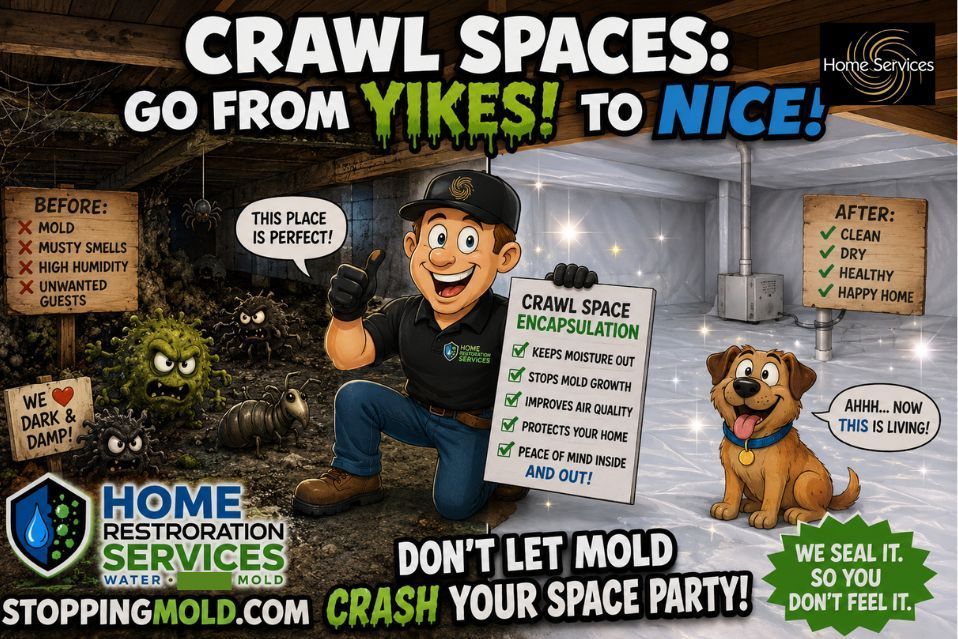
Encapsulation
In some cases, surfaces are sealed with a protective coating that locks in remaining spores.
Dehumidification
Moisture control prevents mold from returning. Industrial dehumidifiers are often used for days after cleanup.
These techniques ensure safe removal and long-lasting results.
Mold Remediation Guide: Prevention Tips
Once remediation is complete, prevention keeps mold from coming back.
- Fix plumbing leaks as soon as they appear.
- Keep humidity below 50%.
- Use dehumidifiers in basements and crawl spaces.
- Run exhaust fans in kitchens and bathrooms.
- Check attics and crawl spaces for leaks or poor ventilation.
Preventive care helps maintain your home and indoor air quality for years to come.
DIY vs. Professional Mold Remediation
DIY mold cleaning might seem quick, but it often misses hidden mold behind walls or under floors. Without proper containment and filtration, you risk spreading spores.
Professional teams follow a proven
mold remediation process. They locate moisture sources, remove mold completely, and verify safe air quality. Their equipment and methods provide lasting results.
Final Thoughts on What Is Mold Remediation
Now you know what mold remediation is, what the steps in mold remediation look like, and the mold remediation techniques used by trained professionals. You also understand how long mold remediation takes and why prevention is key.
Mold is persistent, but with the right process and consistent moisture control, it can be fully managed. Acting early helps avoid health issues and costly damage.
How Home Services Restoration, LLC Can Help
At
Home Services Restoration, LLC, we’ve provided trusted
mold remediation services in
Great Mills, MD for over 50 years. We are
IICRC-certified and use safe, proven methods like HEPA filtration, crawl space mold removal, and encapsulation. Our team goes beyond standard work hours to serve our community.
We offer competitive pricing, multiple warranty options, and a
Military and First Responder Discount. After every project, we donate to
Children’s National Hospital, supporting families across our region.
Call
(240) 237-8045 today to schedule your inspection. Let us restore your home to a cleaner, healthier state.