What Is Water Damage Restoration?
When disaster strikes, water damage restoration is the process of bringing your property back to its pre-damage condition. It’s not just drying out a wet carpet or wiping down walls. It’s a structured, multi-phase process that includes:
- Inspection and assessment of affected areas.
- Water removal and extraction using industrial equipment.
- Drying and dehumidification to prevent mold growth.
- Cleaning and sanitizing all affected surfaces.
- Repairs and reconstruction where structural damage has occurred.
What Is Water Mitigation?
Water mitigation is the first phase of the restoration process. Its goal is to stop the source of water intrusion and prevent further damage.
Think of mitigation as your property’s emergency defense system—it doesn’t restore what’s already damaged, but it prevents new damage from occurring.
Typical water mitigation steps include:
- Stopping the source of water (leaking pipe, roof issue, or appliance failure).
- Extracting standing water quickly to reduce moisture exposure.
- Drying and dehumidifying the space to prevent mold growth.
- Boarding up or tarping damaged roofs or windows.
- Removing unsalvageable materials like soaked drywall or flooring.
What Does a Water Mitigation Company Do?
If you’ve ever wondered what does a water mitigation company do, here’s a closer look at their vital role in the restoration process.
Professional mitigation specialists:
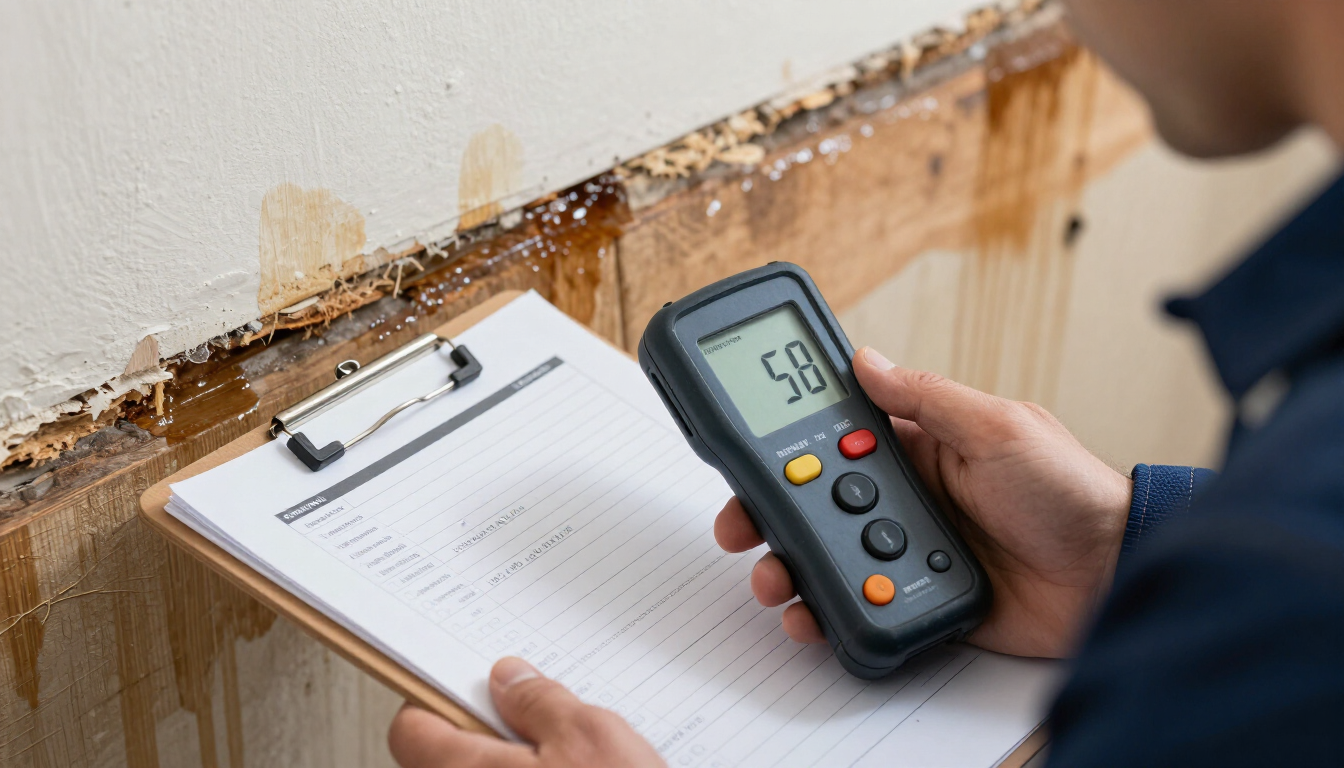
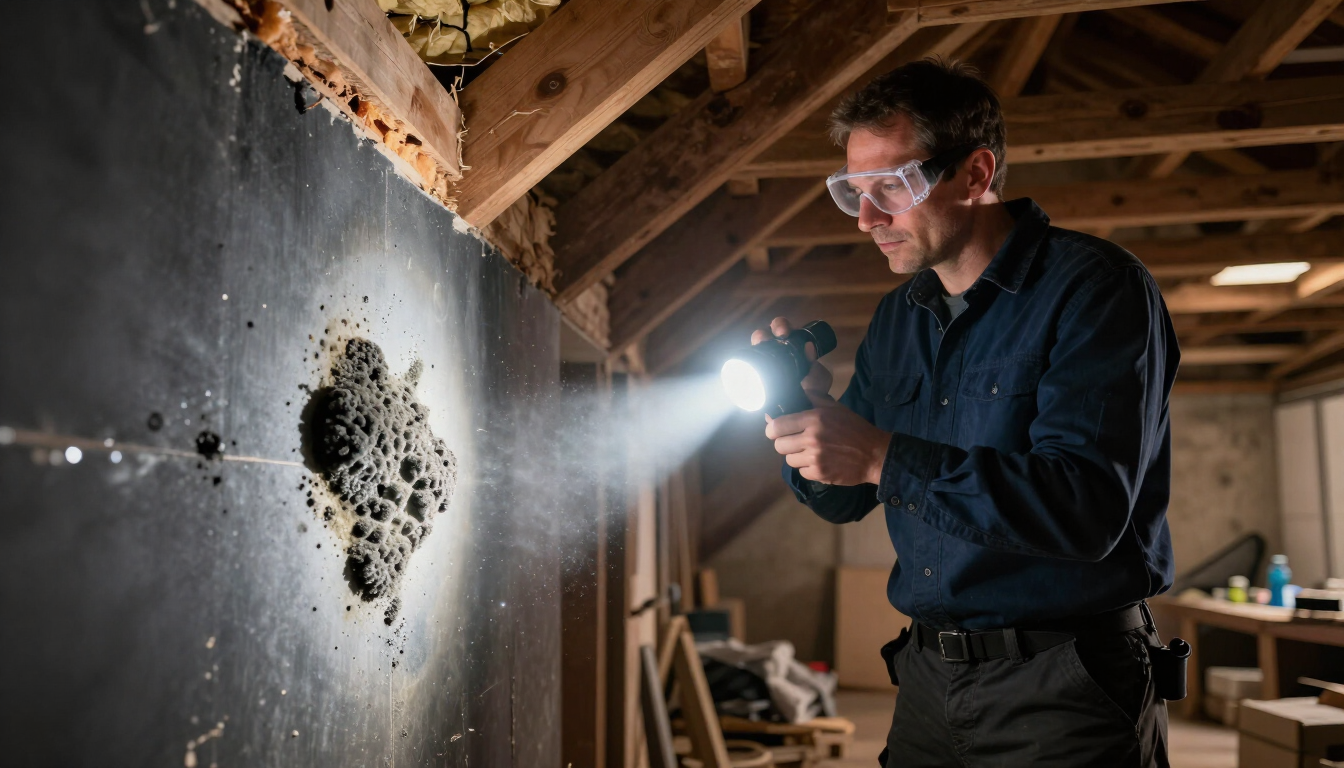
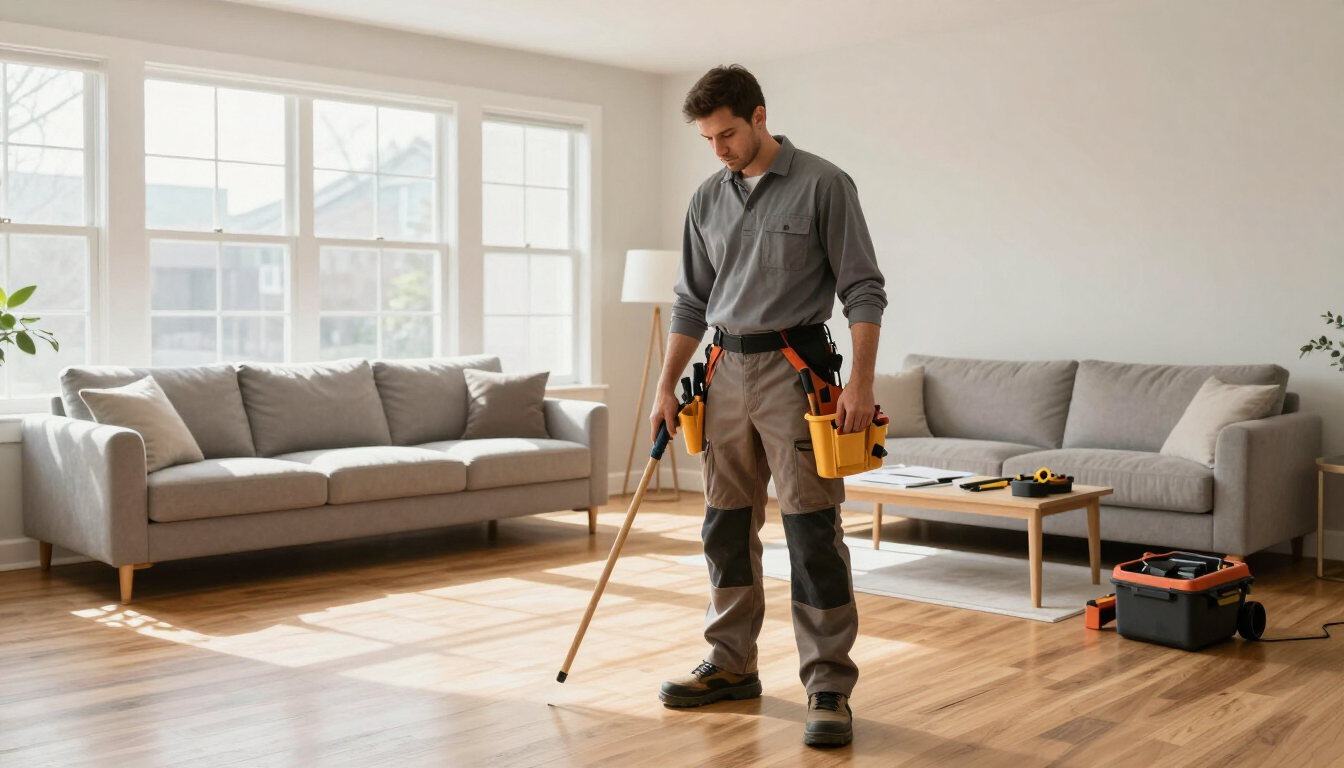
- Assess the situation using thermal imaging and moisture detection tools.
- Document all damages for insurance claims.
- Implement containment measures to stop the spread of water and contaminants.
- Use advanced drying systems to remove hidden moisture in walls, floors, and insulation.
- Coordinate with remediation teams for seamless transition into full restoration.
What Is Remediation?
Once the water is under control, the next step is remediation, the process of cleaning, sanitizing, and repairing the damaged areas to make them safe again.
Remediation targets what the water left behind: contaminants, mold spores, odors, and structural weaknesses.
Key water damage remediation steps include:
- Sanitizing and disinfecting surfaces affected by bacteria or sewage.
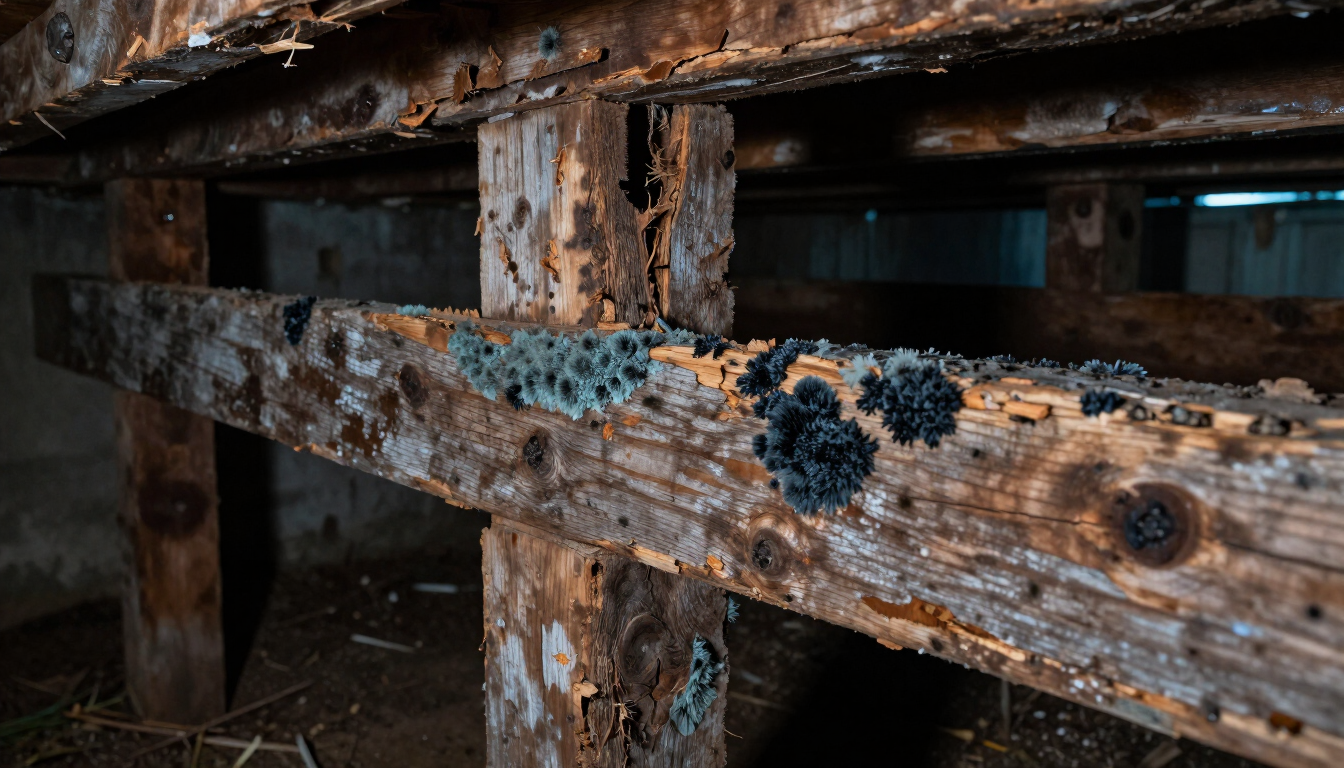
- Removing mold and mildew, often caused by prolonged dampness.
- Deodorizing rooms to eliminate musty odors.
- Repairing or replacing damaged drywall, flooring, and insulation.
- Restoring indoor air quality through filtration and dehumidification.
Water Mitigation vs Remediation: The Key Differences
To better understand the distinction between these two processes, let’s compare them side-by-side.
AspectWater MitigationWater RemediationPurposePrevents further damageCleans, repairs, and restoresTimingImmediately after water intrusionAfter mitigation is completeFocusContainment and moisture controlContamination removal and restorationTechniques UsedWater extraction, drying, dehumidifyingCleaning, sanitizing, rebuildingGoalStabilize environmentReturn property to pre-loss condition
Understanding these distinctions ensures that you know what to expect from your restoration company, and helps you recognize the value of hiring certified professionals who can manage both phases effectively.
Why Timing Matters in Water Damage Restoration
In water-related disasters, time is everything.
- Within 24 hours, mold can begin to develop.
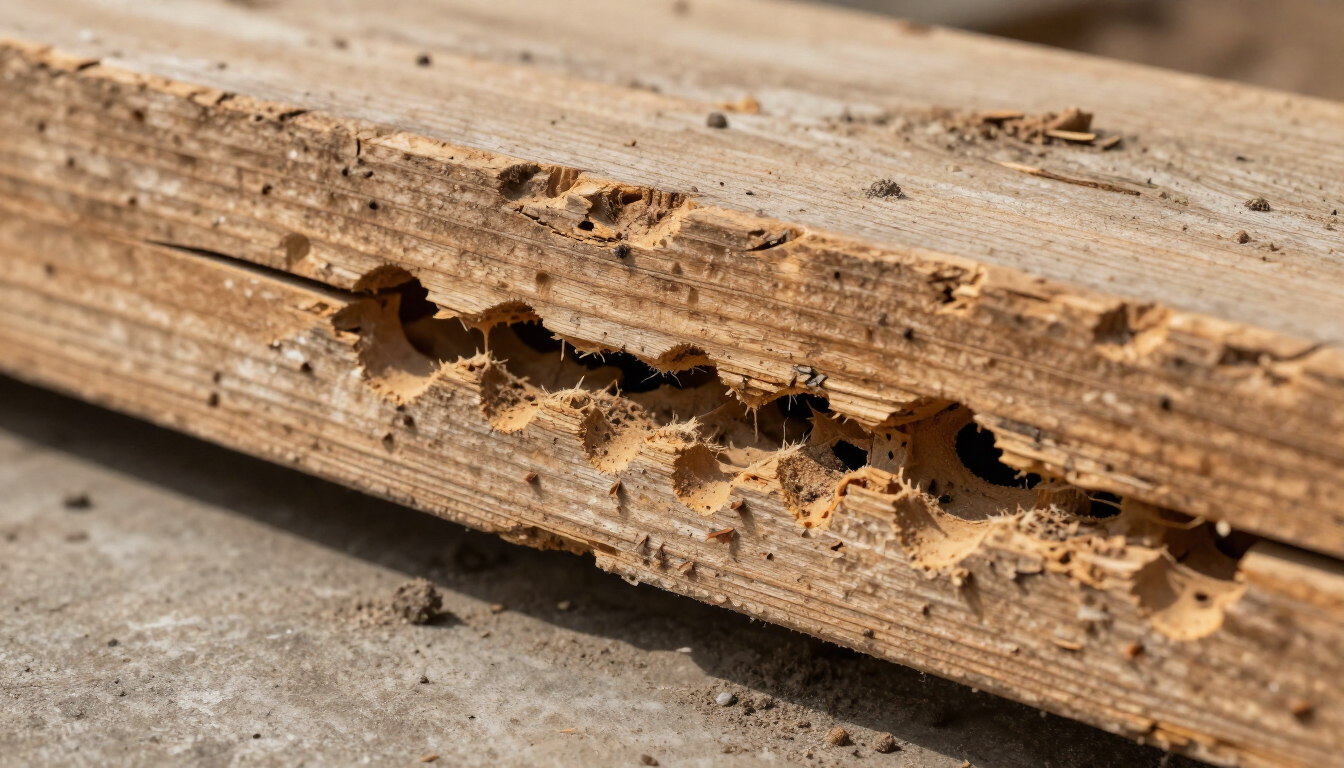
- Within 48 hours, wooden structures start to warp.
- By 72 hours, structural and electrical systems may be compromised.
Delays not only make remediation more complicated but also more expensive. Immediate mitigation reduces overall restoration costs and prevents irreversible damage.
That’s why contacting a professional water mitigation company in Great Mills, MD, as soon as possible is crucial.
Signs You Need Professional Water Mitigation
Not every water issue looks catastrophic at first. However, even small leaks can lead to long-term problems. Call a professional if you notice:
- Warped floors or bubbling paint.
- Persistent musty odors.
- Mold growth along baseboards or ceilings.
- Soft or sagging drywall.
- Condensation or damp air in your home.
Common Causes of Water Damage in Great Mills, MD
Homes and businesses in Southern Maryland face specific environmental challenges that increase water damage risks:
- Heavy seasonal rainstorms and tropical systems.
- High humidity that encourages condensation and mold.
- Aging infrastructure, especially older plumbing systems.
- Basement flooding due to the region’s low-lying terrain.
Water Damage Remediation Steps: What to Expect
Once the mitigation team has contained the damage, the remediation process begins. Here’s what typically happens next:
- Inspection and Documentation: Technicians evaluate the extent of water damage and contamination.
- Material Removal: Unsalvageable items such as carpets, insulation, or drywall are safely removed.
- Deep Cleaning: Antimicrobial and deodorizing treatments are applied to all affected areas.
- Air Quality Restoration: Industrial air scrubbers and dehumidifiers improve indoor air conditions.
- Repairs and Reconstruction: Technicians restore or rebuild structural components.
- Final Verification: The team ensures all moisture is gone and conditions are safe for re-entry.
DIY Cleanup vs Professional Restoration
While homeowners may try to clean up small leaks on their own, DIY methods rarely address the full scope of water damage. Hidden moisture in walls or subfloors can lead to mold growth, structural weakening, and electrical hazards.
Professional restoration teams, like those at Home Services Restoration, LLC, use specialized equipment and industry-certified techniques to ensure every trace of water and contamination is removed, safely and efficiently.
How a Professional Water Mitigation Company Protects Your Property
A trusted mitigation company provides more than just emergency services, they offer long-term protection. Here’s how:
- Immediate response: Available 24/7 to prevent escalating damage.
- Advanced technology: Thermal imaging, air movers, and moisture detection.
- Certified technicians: IICRC-trained professionals ensure compliance with restoration standards.
- Comprehensive service: From mitigation to remediation to reconstruction.
- Insurance coordination: Assistance with documentation and claims to streamline recovery.
Water Mitigation vs Remediation: Why Both Matter
The truth is, mitigation and remediation aren’t competing processes, they’re complementary. One cannot be effective without the other.
- Mitigation stops the spread of damage.
- Remediation restores your property to its original condition.
Final Thoughts
Understanding water mitigation vs remediation helps you make informed decisions when water damage occurs. Acting fast, choosing certified professionals, and following the proper steps can save time, money, and stress.
How Home Services Restoration, LLC Can Help
We provide professional water damage restoration services throughout Great Mills, MD, and Southern Maryland. With over 50 years of experience and IICRC certification, our team handles every phase, from mitigation and drying to complete remediation and reconstruction.
We’re not a franchise. We’re a locally owned company that cares about our community. After every job, we donate to Children’s National Hospital, supporting families in need.
If you’re facing water damage, mold issues, or any restoration emergency, call Home Services Restoration, LLC today at (240) 237-8045 to schedule an inspection or emergency response.
Let our certified team help protect your property and restore your confidence, because seeing what locals can do for you makes all the difference.