
The Dos and Don'ts of Mold Cleanup and Removal

Share this article

The Dos and Don’ts of Mold Cleanup and Removal

Mold infestation is a common problem faced by many homeowners. It can cause health issues and damage to your property if not dealt with properly. As a homeowner, it’s crucial to know the dos and don’ts of mold cleanup and removal to ensure a safe and healthy living environment. In this blog, we will discuss the top 5 essential tips for effective mold cleanup and removal that you can follow to tackle this issue head-on.


1. Identify the Source of Moisture

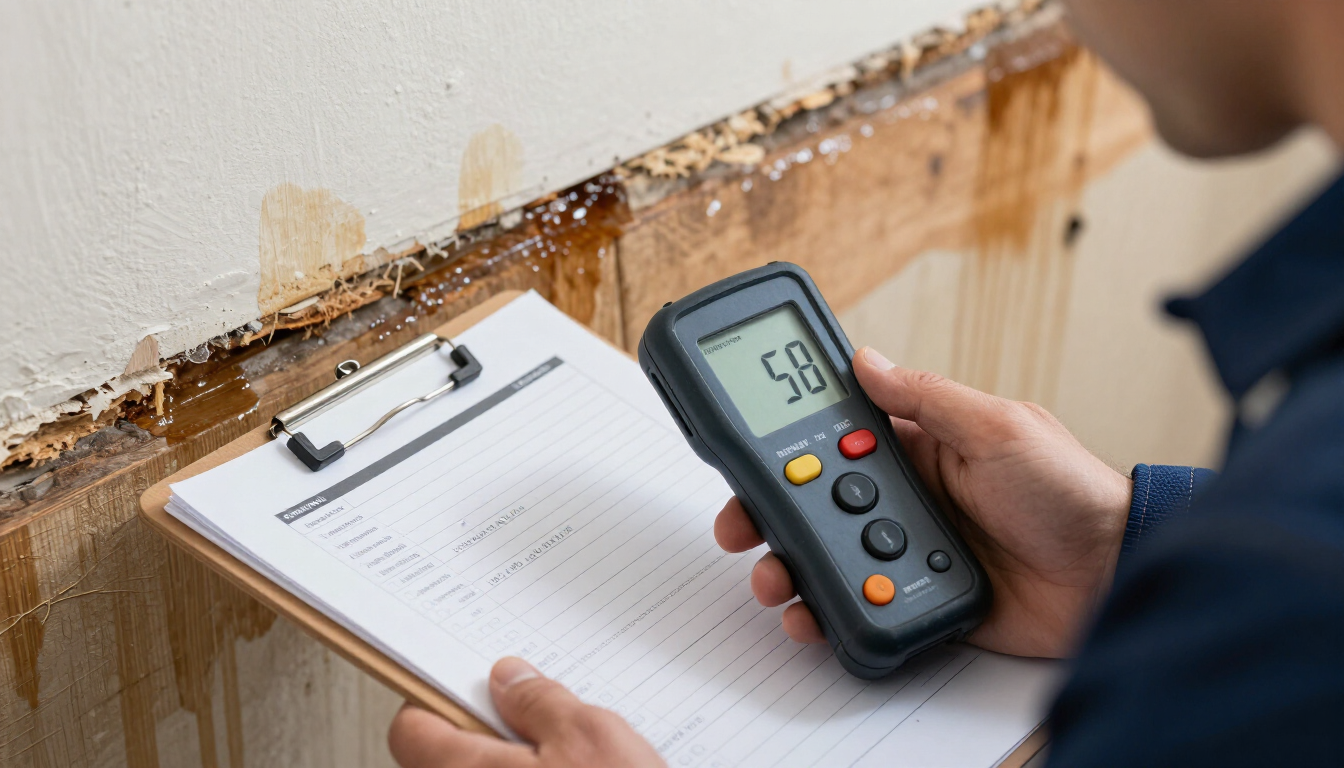
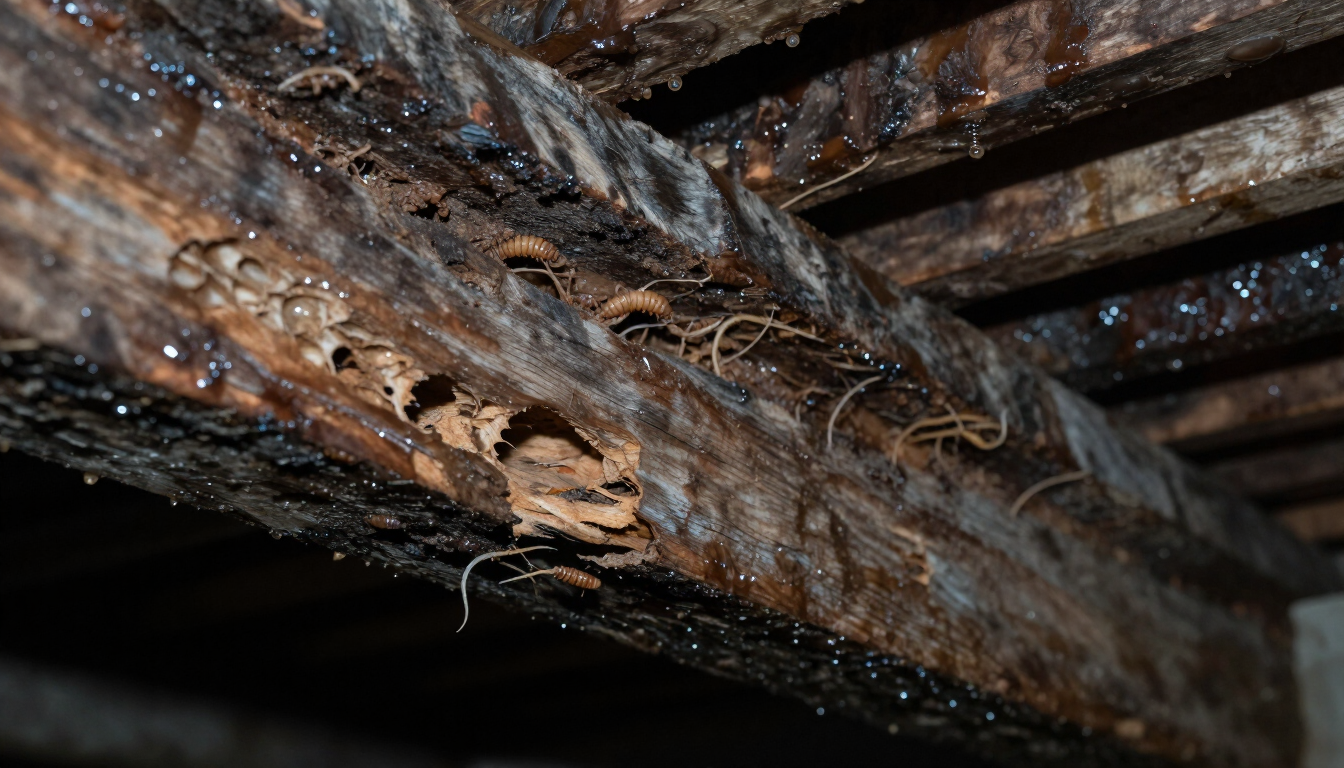
Before you start the mold cleanup process, it’s essential to identify the source of moisture that is causing the mold growth. Moisture can come from various sources, such as leaks, condensation, or high humidity levels. Once you’ve identified the source, take immediate action to fix the issue. This will prevent further mold growth and ensure that your mold removal efforts are effective in the long run. The U.S. Environmental Protection Agency (EPA) provides a comprehensive guide on how to identify and deal with moisture problems in your home.

2. Use the Right Protective Gear

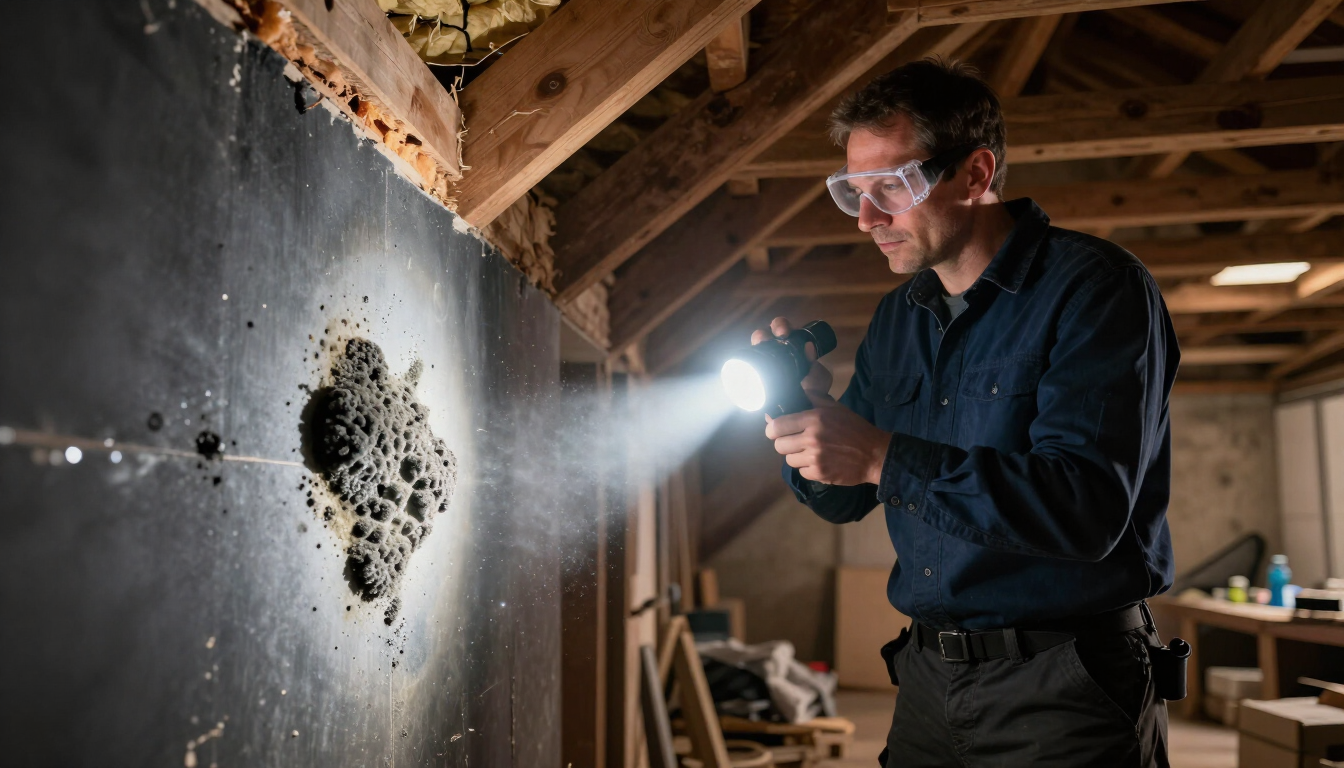
When dealing with mold, it’s crucial to wear the appropriate protective gear to prevent exposure to mold spores, which can cause health issues. According to the Centers for Disease Control and Prevention (CDC), you should wear an N-95 respirator, gloves, and goggles during the mold cleanup process. Additionally, ensure that the area is well-ventilated to minimize the risk of inhaling mold spores.

3. Choose the Right Cleaning Solution

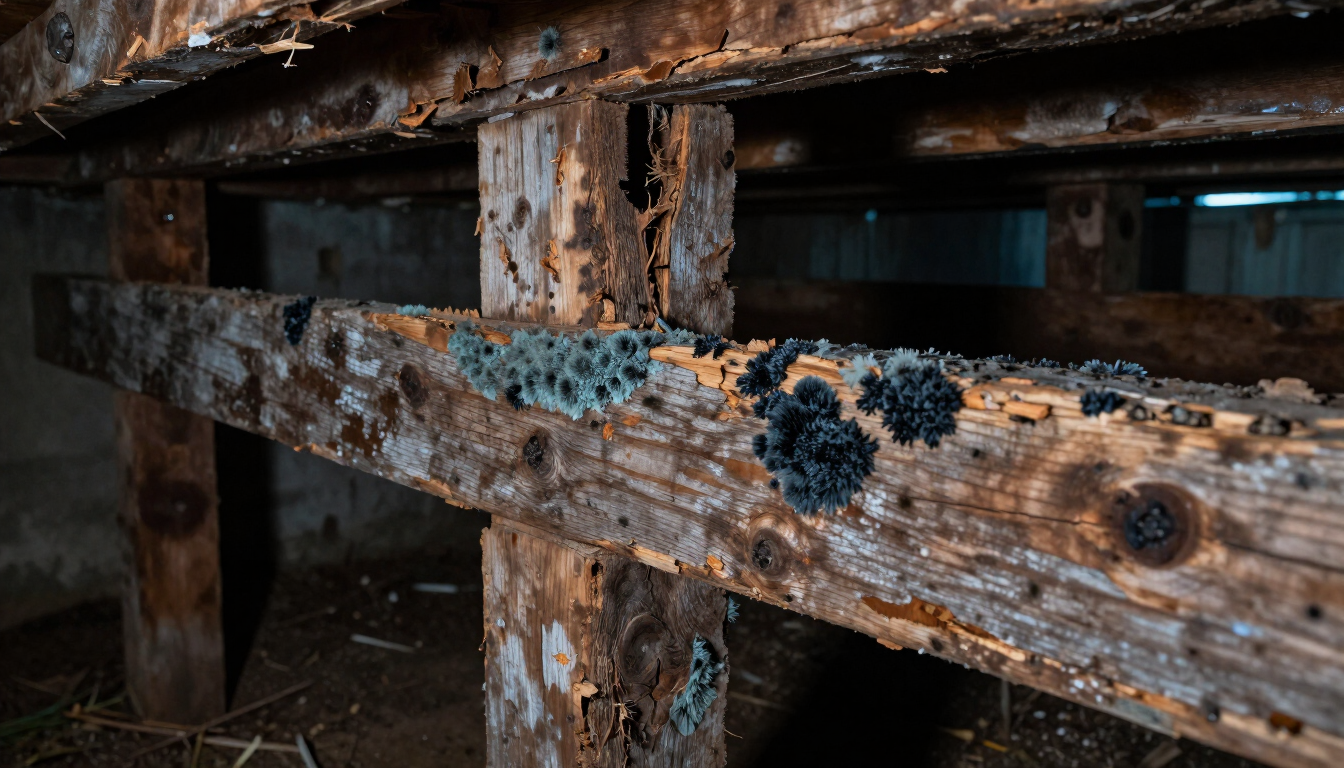
Using the right cleaning solution is essential for effective mold removal. Some popular options include bleach, vinegar, and borax. However, it’s crucial to note that not all cleaning solutions are suitable for every surface. For example, bleach should not be used on porous surfaces such as wood, as it can cause further damage. Always follow the manufacturer’s instructions and test the cleaning solution on a small, inconspicuous area before applying it to the affected surface. The Institute of Inspection, Cleaning, and Restoration Certification (IICRC) provides detailed guidelines on how to choose and use the appropriate cleaning solution for mold removal.

4. Dispose of Contaminated Materials Properly

During the mold cleanup process, you may need to dispose of contaminated materials such as drywall, insulation, or carpeting. It’s essential to dispose of these materials properly to prevent the spread of mold spores. Place the contaminated materials in heavy-duty plastic bags, seal them tightly, and dispose of them according to your local waste management regulations.

5. Consider Hiring a Professional Mold Remediation Service

If you’re unsure about how to handle mold cleanup and removal or if the infestation is extensive, it’s best to call in a professional mold remediation service. Professionals have the necessary equipment, knowledge, and experience to effectively and safely remove mold from your home. At Home Services Restoration, LLC, we offer expert mold cleanup and removal services to ensure your home is mold-free and safe for you and your family.

Contact Home Services Restoration, LLC

Following these essential tips for effective mold cleanup and removal can help you prevent property damage and protect your family’s health. Remember to identify the source of moisture, use the right protective gear, choose the appropriate cleaning solution, dispose of contaminated materials properly, and consider hiring a professional mold remediation service if necessary. For more information or to schedule a consultation, contact Home Services Restoration, LLC today.


Recent Posts

danger sign
By Deborah Naugle March 22, 2026
Understand the long-term dangers of mold damage. Learn how persistent growth impacts respiratory health, structural integrity, and the value of your property.
water restoration
By Deborah Naugle March 22, 2026
Learn how to choose the right water damage restoration company. Discover essential tips for vetting professionals to ensure your home is dried and mold-free.
mold spore
By Deborah Naugle March 22, 2026
Learn the basics of mold restoration with our beginner's guide. Discover how to identify infestations, follow safety steps, and restore your home's air quality.
drywall repair
By Deborah Naugle March 22, 2026
Learn whether to repair or replace water-damaged drywall. Discover how to identify structural issues and mold risks to ensure your home remains safe and dry.
maryland storm
By Deborah Naugle March 22, 2026
Prepare your Maryland home for storm season. Learn essential tips for flood prevention, roof maintenance, and mold protection to stay safe during East Coast storms.
dandilion
By Deborah Naugle March 22, 2026
Discover how summer pollutants like high humidity, pollen, and ozone impact your indoor air quality. Learn expert tips to breathe easier and keep your home safe.
business fire
By Deborah Naugle March 22, 2026
Learn the essential steps to repair your home or business after a fire. From structural assessment to soot removal, discover how to restore your property safely.
mushroom spore
By Deborah Naugle March 22, 2026
Master mold remediation with our ultimate guide. Learn expert tips, safety protocols, and the best practices to effectively remove mold and protect your home.
mold spores
By Deborah Naugle March 22, 2026
Identify the most common causes of household mold, from high humidity to hidden leaks. Learn how to spot moisture sources and prevent mold growth in your home.
fireplace
By Deborah Naugle March 22, 2026
Ensure a safe and cozy winter with our essential fireplace safety tips. Learn how to prevent creosote buildup, maintain ventilation, and avoid house fires.
Show More