Storm Damage Recovery: Steps to Take After a Natural Disaster

Share this article

Preventing Mold Growth After Plumbing Problems

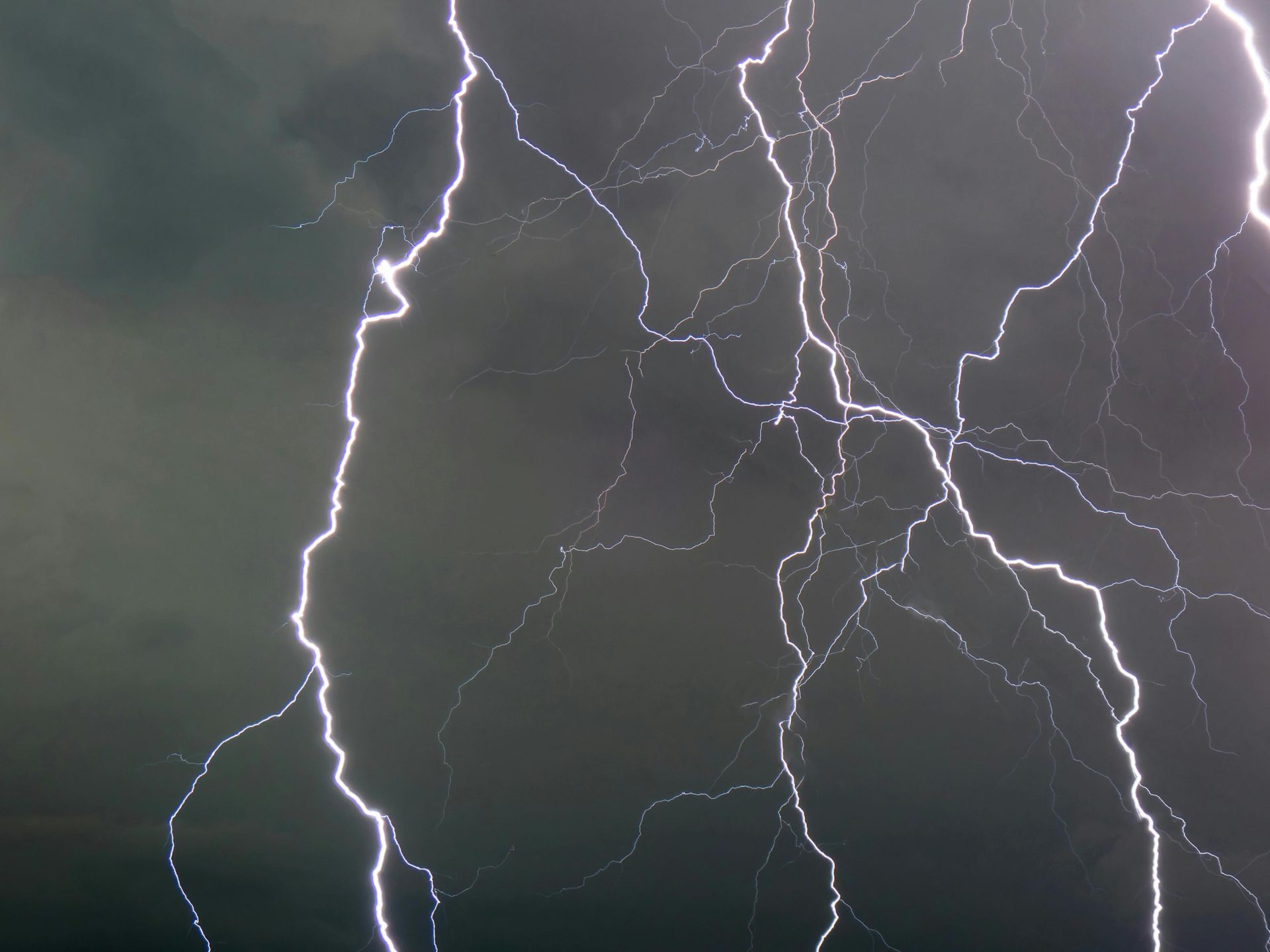
Dealing with the aftermath of a natural disaster can be overwhelming, especially when it comes to navigating the often-complicated world of insurance claims. In this comprehensive guide, we’ll walk you through the steps to take after a storm has caused damage to your property, and provide tangible tips to help you successfully navigate the insurance claims process. Remember, Home Services Restoration, LLC is here to help you every step of the way with our Storm Damage Recovery services.


1. Assess the Damage and Document Everything

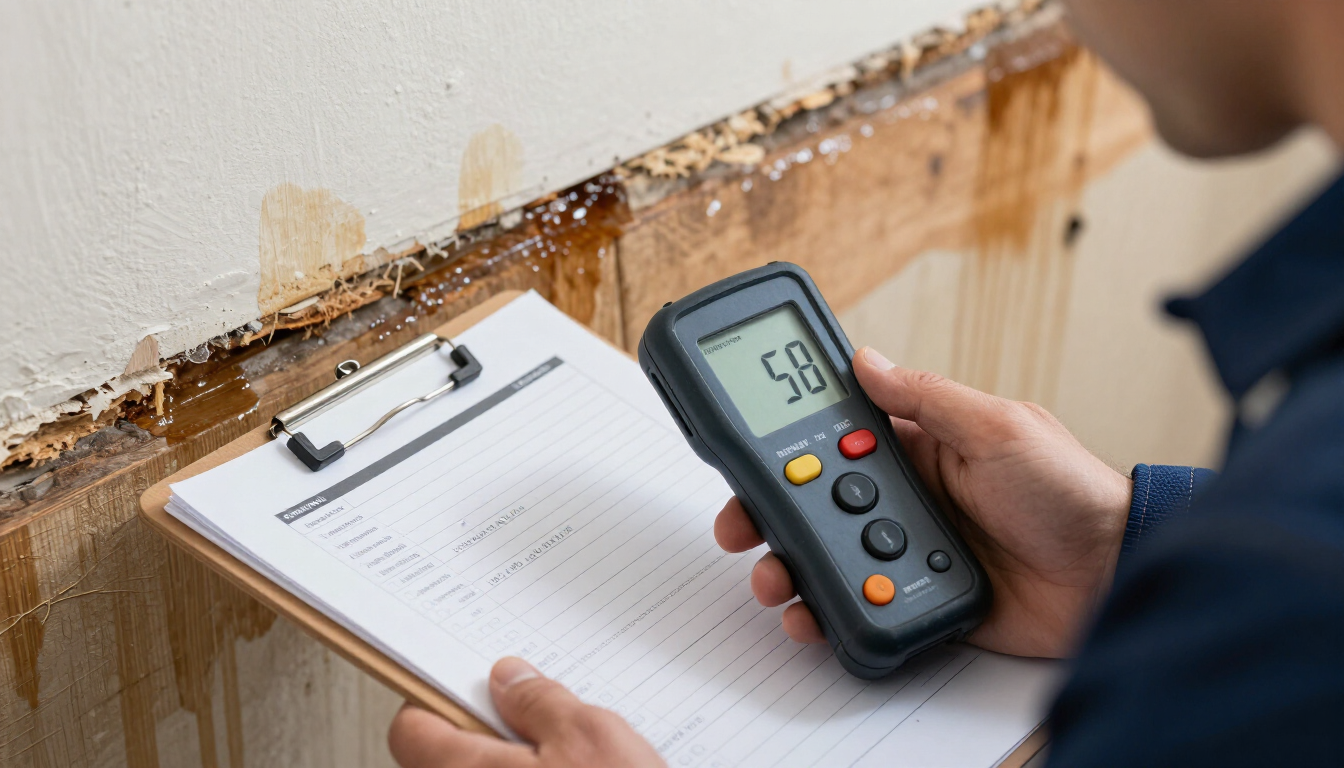
Once it’s safe to do so, carefully assess the damage to your property. Take photos and videos of all affected areas, both inside and outside of your home. Be sure to document any structural damage, as well as damage to personal belongings. This documentation will be invaluable when filing your insurance claim.

2. Contact Your Insurance Company

As soon as possible, contact your insurance company to report the damage and begin the claims process. They will provide you with specific instructions on what information they need and any deadlines you need to meet. Be sure to keep a record of all conversations with your insurance company, including the names of any representatives you speak with.

3. Understand Your Policy and Coverage

Take the time to review your insurance policy and understand what is covered under your specific plan. This will help you to better advocate for yourself during the claims process. The Insurance Information Institute provides helpful resources for understanding your policy and coverage.

4. Work with an Adjuster

Your insurance company will assign an adjuster to your claim. This person will assess the damage to your property and provide an estimate for repairs. Be sure to be present during the adjuster’s visit and share any documentation you’ve collected. If you disagree with the adjuster’s estimate, consider hiring a public adjuster to provide an independent assessment.

5. Keep Track of Expenses

While your claim is being processed, keep track of any expenses related to the storm damage. This may include temporary housing, meals, and any repairs you’ve made to prevent further damage. Be sure to save receipts and documentation for these expenses, as they may be reimbursable under your insurance policy.

6. Beware of Scams

Unfortunately, natural disasters can bring out unscrupulous contractors looking to take advantage of vulnerable homeowners. Be cautious when hiring contractors to perform repairs, and always research their reputation and credentials. The Federal Trade Commission offers tips for avoiding home repair scams.

7. Be Patient and Persistent

The insurance claims process can be time-consuming and frustrating, but it’s important to remain patient and persistent. Keep in regular contact with your insurance company and adjuster, and don’t be afraid to ask questions or request clarification on any issues that arise.

Trust Home Services Restoration, LLC for Your Storm Damage Recovery Needs

At Home Services Restoration, LLC, we understand the challenges that come with recovering from storm damage. Our experienced team is here to help you every step of the way, from assessing the damage and providing a detailed estimate, to working with your insurance company and completing the necessary repairs. With our Storm Damage Recovery services, you can trust that your property will be restored to its pre-disaster condition as quickly and efficiently as possible. Contact us today to learn more about how we can help you navigate the insurance claims process and get your life back on track.


Recent Posts

danger sign
By Deborah Naugle March 22, 2026
Understand the long-term dangers of mold damage. Learn how persistent growth impacts respiratory health, structural integrity, and the value of your property.
water restoration
By Deborah Naugle March 22, 2026
Learn how to choose the right water damage restoration company. Discover essential tips for vetting professionals to ensure your home is dried and mold-free.
mold spore
By Deborah Naugle March 22, 2026
Learn the basics of mold restoration with our beginner's guide. Discover how to identify infestations, follow safety steps, and restore your home's air quality.
drywall repair
By Deborah Naugle March 22, 2026
Learn whether to repair or replace water-damaged drywall. Discover how to identify structural issues and mold risks to ensure your home remains safe and dry.
maryland storm
By Deborah Naugle March 22, 2026
Prepare your Maryland home for storm season. Learn essential tips for flood prevention, roof maintenance, and mold protection to stay safe during East Coast storms.
dandilion
By Deborah Naugle March 22, 2026
Discover how summer pollutants like high humidity, pollen, and ozone impact your indoor air quality. Learn expert tips to breathe easier and keep your home safe.
business fire
By Deborah Naugle March 22, 2026
Learn the essential steps to repair your home or business after a fire. From structural assessment to soot removal, discover how to restore your property safely.
mushroom spore
By Deborah Naugle March 22, 2026
Master mold remediation with our ultimate guide. Learn expert tips, safety protocols, and the best practices to effectively remove mold and protect your home.
mold spores
By Deborah Naugle March 22, 2026
Identify the most common causes of household mold, from high humidity to hidden leaks. Learn how to spot moisture sources and prevent mold growth in your home.
fireplace
By Deborah Naugle March 22, 2026
Ensure a safe and cozy winter with our essential fireplace safety tips. Learn how to prevent creosote buildup, maintain ventilation, and avoid house fires.
Show More