Volatile Organic Compounds (VOCs): Sources and Risks
Another group of unwelcome summer guests are Volatile Organic Compounds, or VOCs. These are chemicals that vaporize at room temperature and are found in a myriad of household items, from paints and varnishes to cleaning supplies and air fresheners. During summer, increased temperatures can cause VOCs to be released at a higher rate, polluting our indoor sanctuary. The risks associated with prolonged VOC exposure are not to be taken lightly, as they include headaches, dizziness, and in extreme cases, damage to the liver, kidney, and central nervous system. Understanding the sources of VOCs and mitigating their presence is crucial for maintaining a healthy indoor environment.
Mitigation Strategies for Indoor Pollutants
When it comes to combating indoor air pollutants, ventilation is your first line of defense. Optimizing airflow within your home can significantly reduce the concentration of both ozone and VOCs. Simple strategies, such as opening windows strategically to create a cross-breeze, can help flush out contaminants. However, when outdoor ozone levels are high, it’s best to keep windows closed. Instead, consider using exhaust fans in key areas like the kitchen and bathroom, and ensure that your home’s ventilation system is clean and functioning efficiently to maintain a fresh and healthy indoor atmosphere.
Air Conditioning and Air Purifiers: Usage and Maintenance
While ventilation is essential, air conditioning units and air purifiers can also play a pivotal role in maintaining indoor air quality during summer. Air conditioners not only cool the air but can also remove pollutants when equipped with the appropriate filters. Regular maintenance, such as cleaning or replacing filters, is vital to ensure they operate effectively. Similarly, air purifiers can capture a variety of pollutants, including particulate matter from summer activities like grilling or setting off fireworks. By choosing the right purifier and keeping it well-maintained, you can create a safer indoor environment, free from summer’s airborne adversaries.
Health Implications of Indoor Air Pollution
Indoor air pollution is not just an invisible problem—it manifests in very real symptoms that can affect our daily lives. During summer, the uptick in pollutants can exacerbate respiratory issues, leading to symptoms such as coughing, wheezing, and shortness of breath. Allergies can also be triggered or worsened by poor indoor air quality, with symptoms ranging from sneezing and nasal congestion to itchy eyes and skin rashes. Recognizing these signs is the first step in addressing indoor air quality issues and taking steps to alleviate the discomfort they cause.
Vulnerable Populations: Extra Precautions for At-Risk Groups
While we all deserve clean air, certain populations are especially vulnerable to the effects of indoor air pollution. Children, the elderly, and individuals with pre-existing health conditions such as asthma or heart disease are at a higher risk of experiencing adverse health effects. For these groups, even low levels of pollutants can be problematic. It’s crucial to take extra precautions to protect these at-risk individuals during the summer months, such as monitoring indoor air quality more closely and ensuring that living spaces are well-ventilated and free from sources of pollution.
Indoor Air Quality Assessment
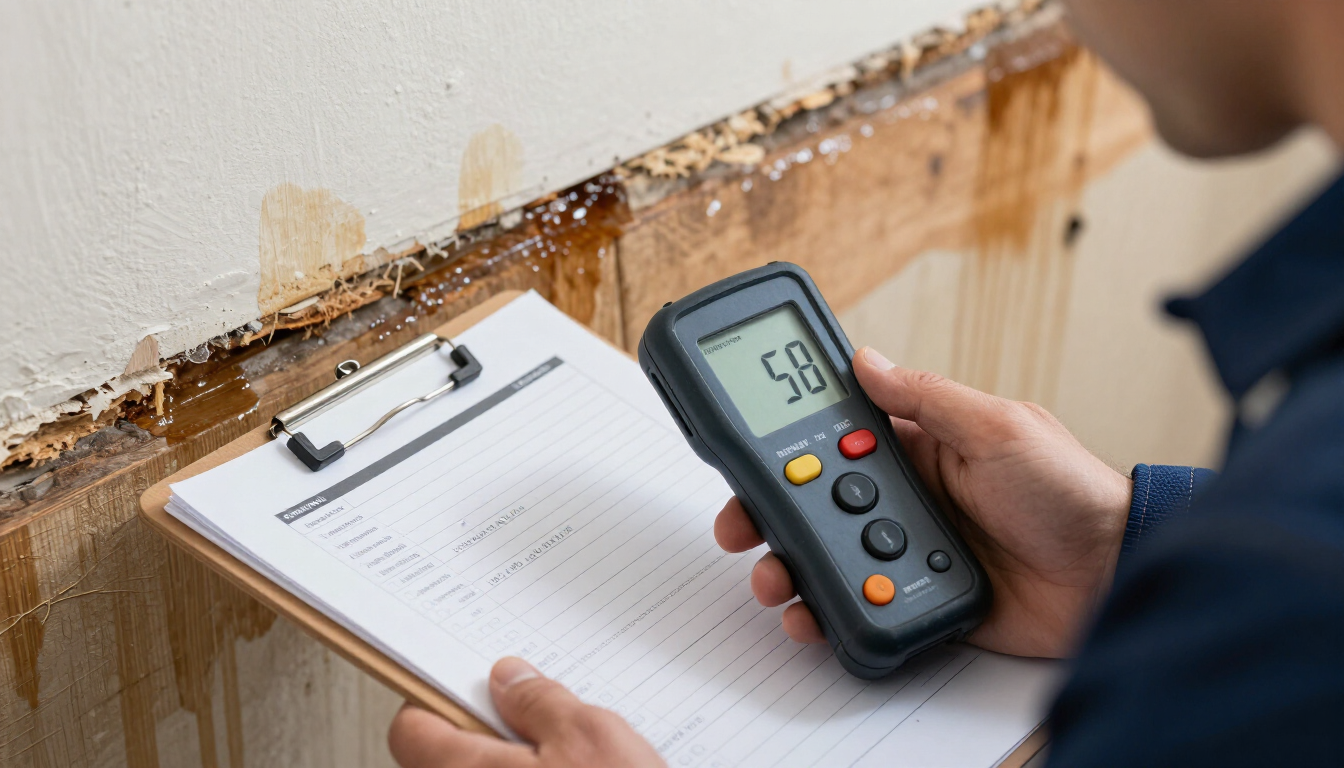
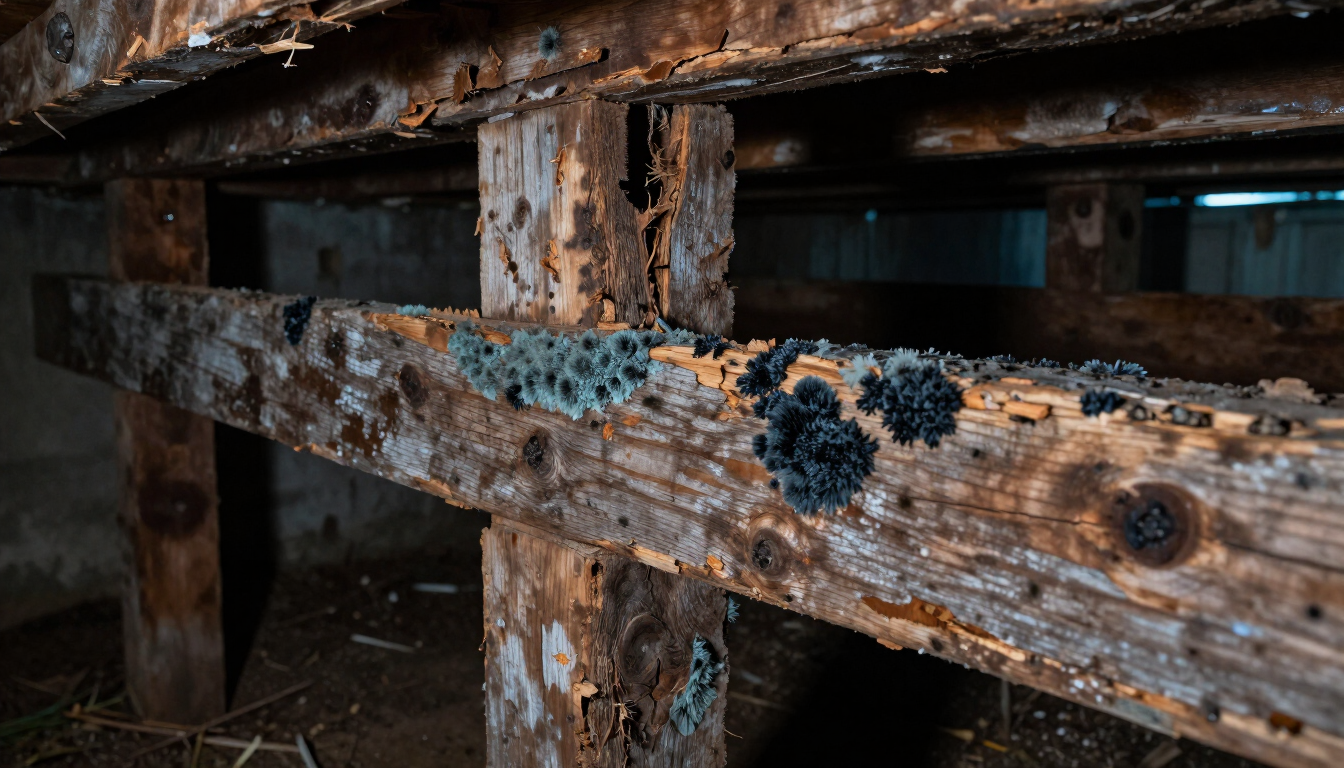
Knowledge is power, and when it comes to indoor air quality, understanding what you’re up against is half the battle. Home testing kits have become a valuable tool for identifying pollutants lurking in your living space. These kits can detect a range of contaminants, including VOCs, particulate matter, and even mold. By taking samples from various areas of your home and sending them for analysis, you can get a clearer picture of your indoor air quality and take informed steps to improve it, ensuring a healthier environment for you and your family during the summer.
Professional Air Quality Evaluation
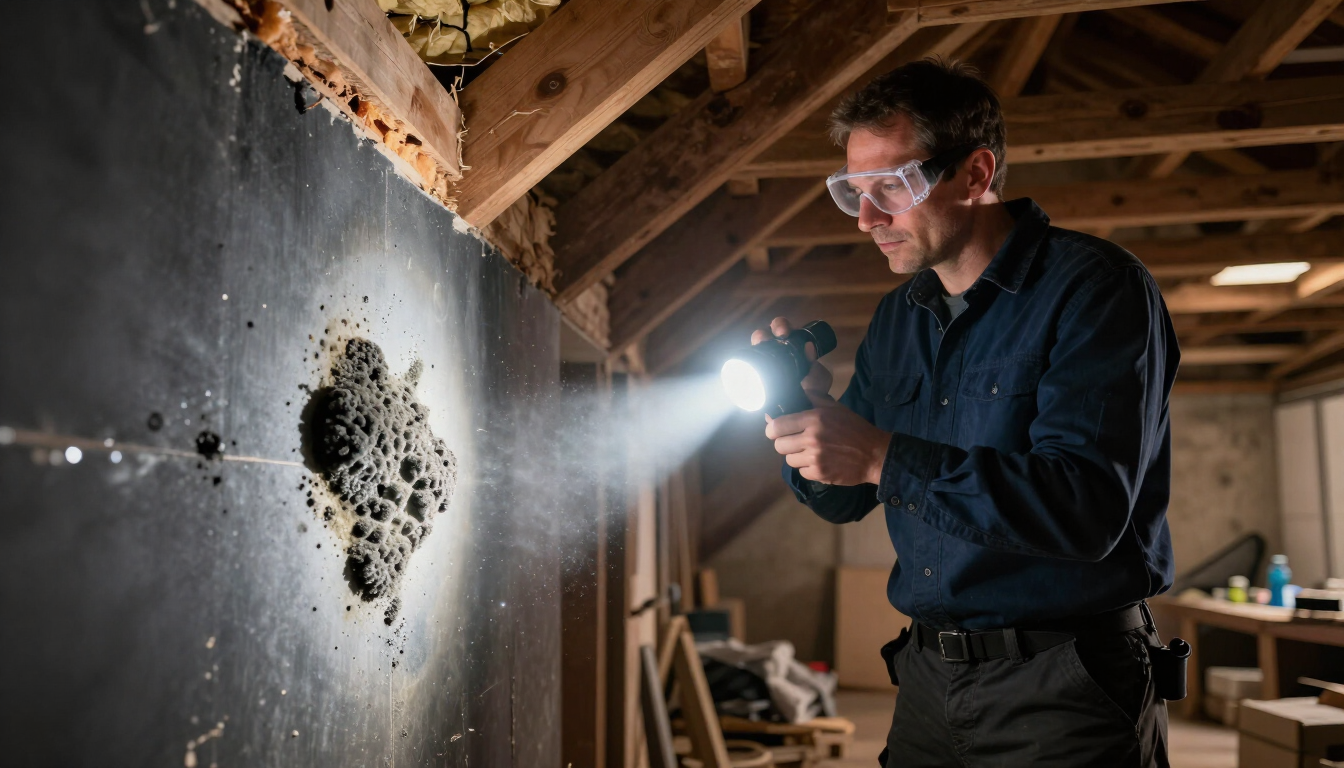
While home testing kits are useful, they may not capture the full spectrum of indoor pollutants. For a comprehensive assessment, consider a professional air quality evaluation. Experts in the field can conduct a thorough examination of your home, identifying both the obvious and the obscure pollutants. They can also provide tailored solutions to address specific issues, ensuring that your indoor air is as clean and healthy as possible. This level of detailed assessment is particularly beneficial for those with health concerns or for anyone wanting peace of mind about their indoor air quality during the pollutant-heavy summer months.
Preventative Measures and Best Practices
One of the simplest yet most effective ways to maintain good indoor air quality during summer is through routine cleaning and decluttering. Dust and pet dander can accumulate quickly, serving as a magnet for pollutants. Regular dusting, vacuuming with HEPA filters, and keeping clutter to a minimum can significantly reduce the presence of particulate matter in your home. Additionally, decluttering can minimize the surfaces where dust and pollutants can settle, making your cleaning efforts more effective and your summer air cleaner.
Safe Use of Household Chemicals and Products
Many of us are unaware of the impact that everyday household chemicals and products can have on our indoor air quality. To minimize the release of VOCs and other pollutants, it’s important to use these products safely. Always follow the manufacturer’s instructions, use products in well-ventilated areas, and store them properly when not in use. Opt for eco-friendly or low-VOC products whenever possible, and consider natural alternatives for cleaning and freshening your home. By taking these precautions, you can enjoy a healthier home environment throughout the summer season.
Monitoring Outdoor Air Quality Reports
Lastly, staying informed about the outdoor air quality can help you make smarter decisions about your indoor environment. Air quality reports are readily available online and can alert you to high ozone days or other pollution events. On days when outdoor air quality is poor, it’s best to keep windows closed and limit activities that could introduce more pollutants indoors. Conversely, when the air quality is good, take the opportunity to ventilate your home and enjoy the fresh air. By monitoring these reports, you can proactively manage your indoor air quality, ensuring a healthier summer for you and your family.
Home Services Restoration, LLC Is Here to Keep You Safe This Summer
At Home Services Restoration, LLC, we understand the importance of maintaining a healthy indoor environment, especially during the summer months when pollutants can be at their peak. If you’re concerned about your indoor air quality, don’t hesitate to reach out. Our team of experts can provide professional air quality assessments and tailored solutions to ensure your home is a safe haven from summer pollutants.
Call us today or contact us online to breathe easier tomorrow!