1. Prioritize Safety Before Re-Entering
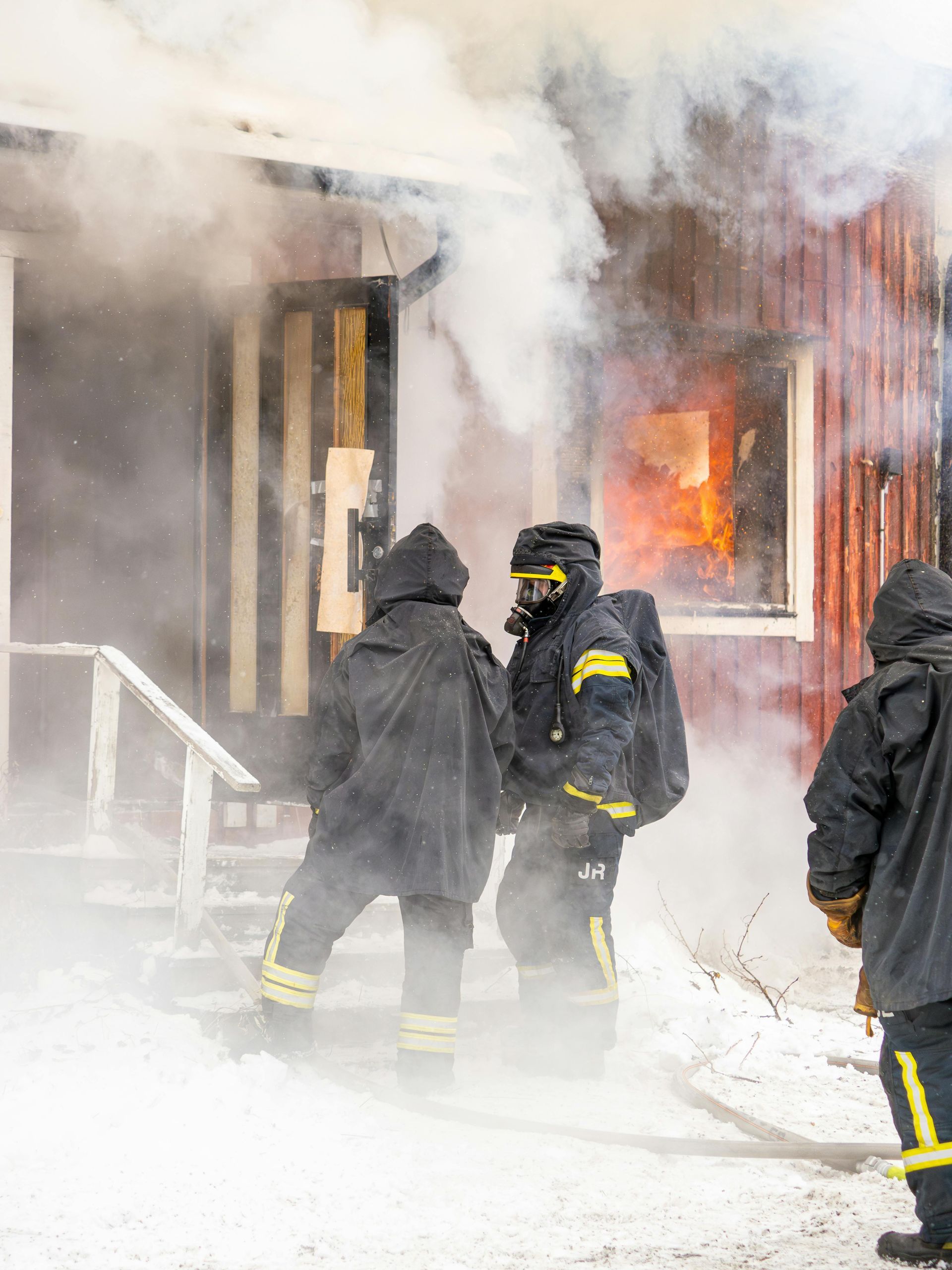
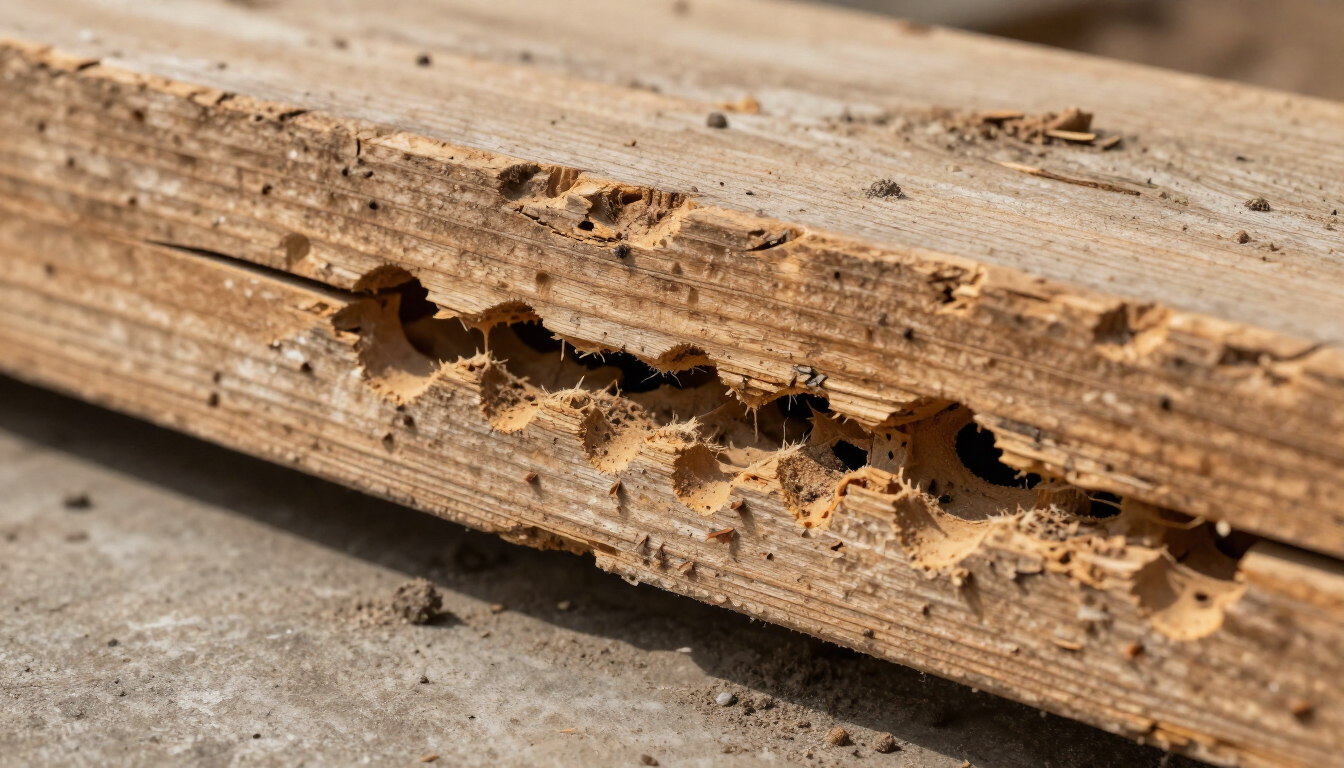
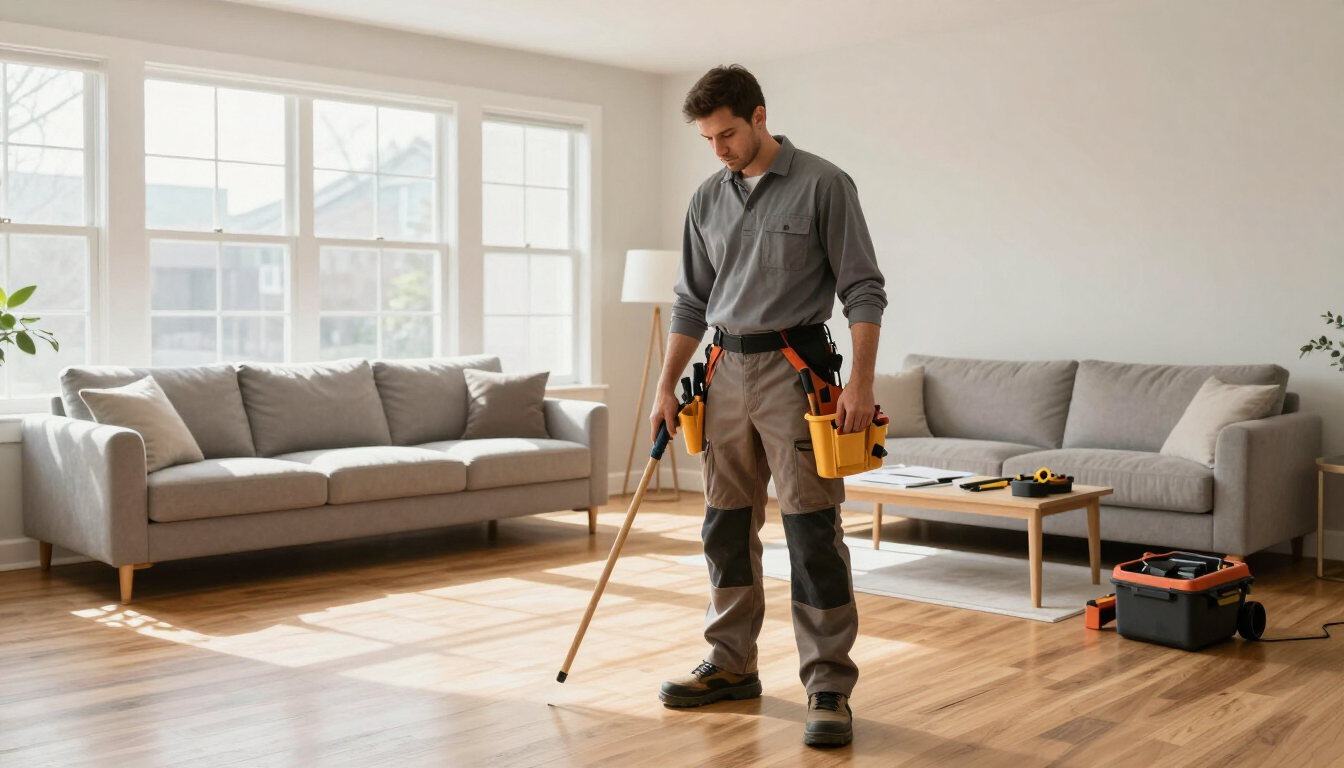
Before you set foot back inside, the building needs to be evaluated for structural integrity. Fire can compromise load-bearing walls, char wooden supports, melt critical fasteners, and damage electrical wiring in ways that aren't immediately visible. A structurally unsound building can shift or collapse without warning, and damaged wiring creates an ongoing risk of shock or a secondary fire.
Don't rely on a visual check from the doorway. Have a
licensed professional assess the property before anyone enters. Your local fire marshal may also need to clear the structure before re-occupancy is permitted.
2. Identify Hidden Damage You Can't See
Fire damage routinely extends far beyond scorched surfaces. Heat travels through wall cavities, smoke infiltrates
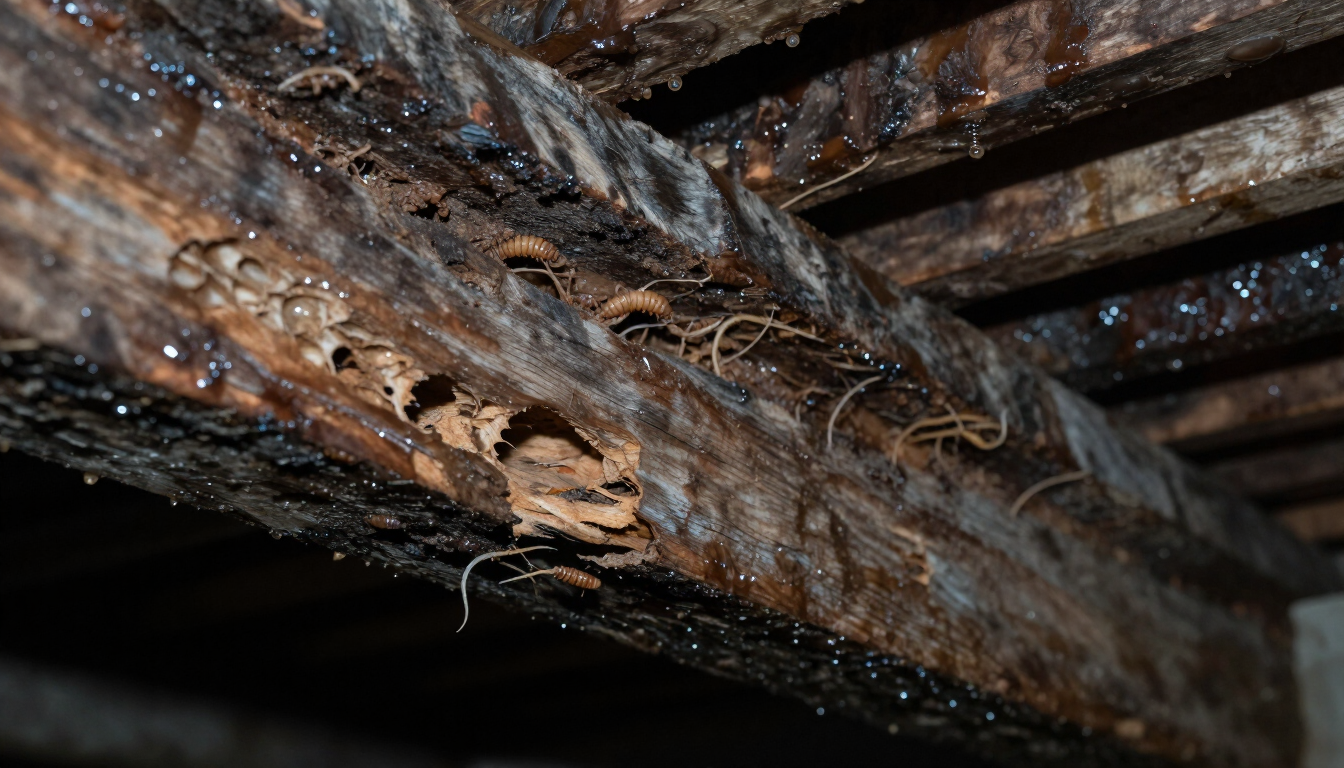
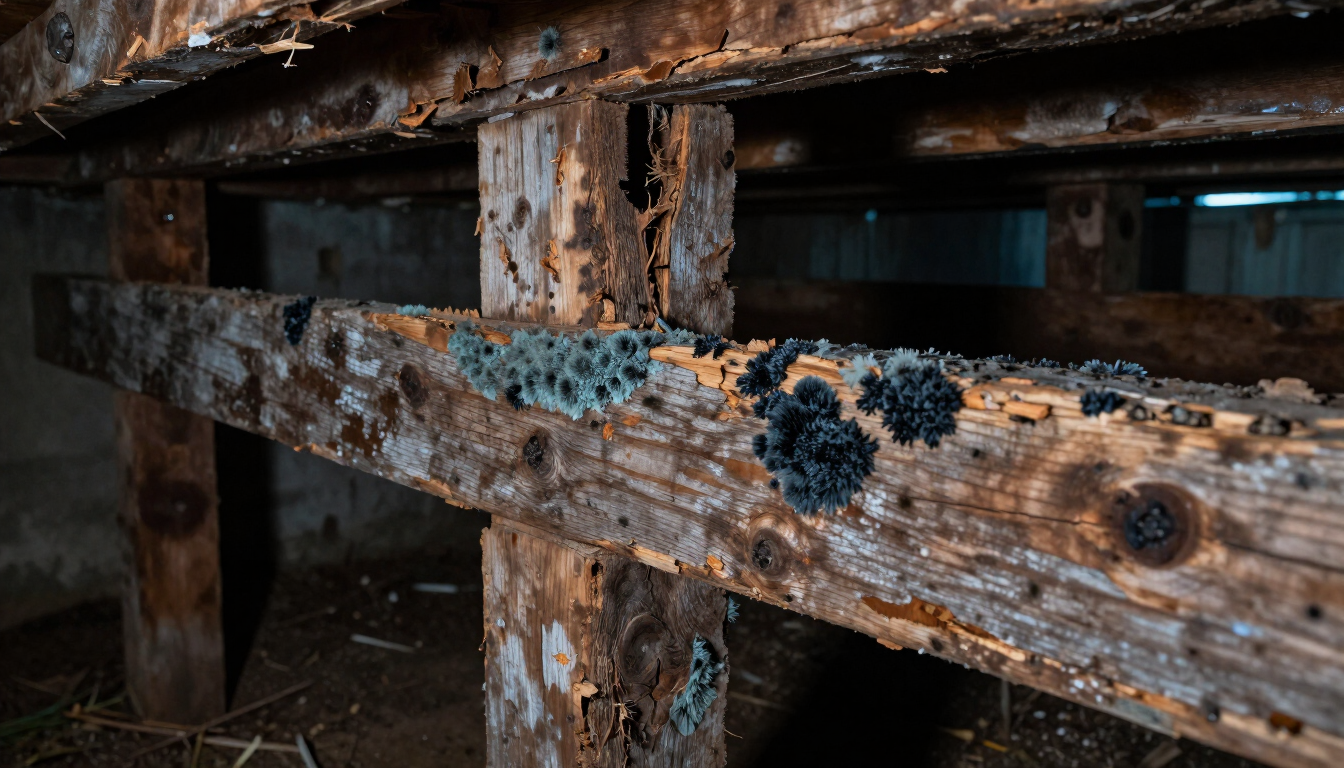
HVAC ductwork, and water from firefighting efforts soaks into subfloors, insulation, and wall framing — setting the stage for mold growth within 24 to 48 hours. Older homes in Southern Maryland may also contain asbestos or lead paint that becomes hazardous when disturbed by fire.
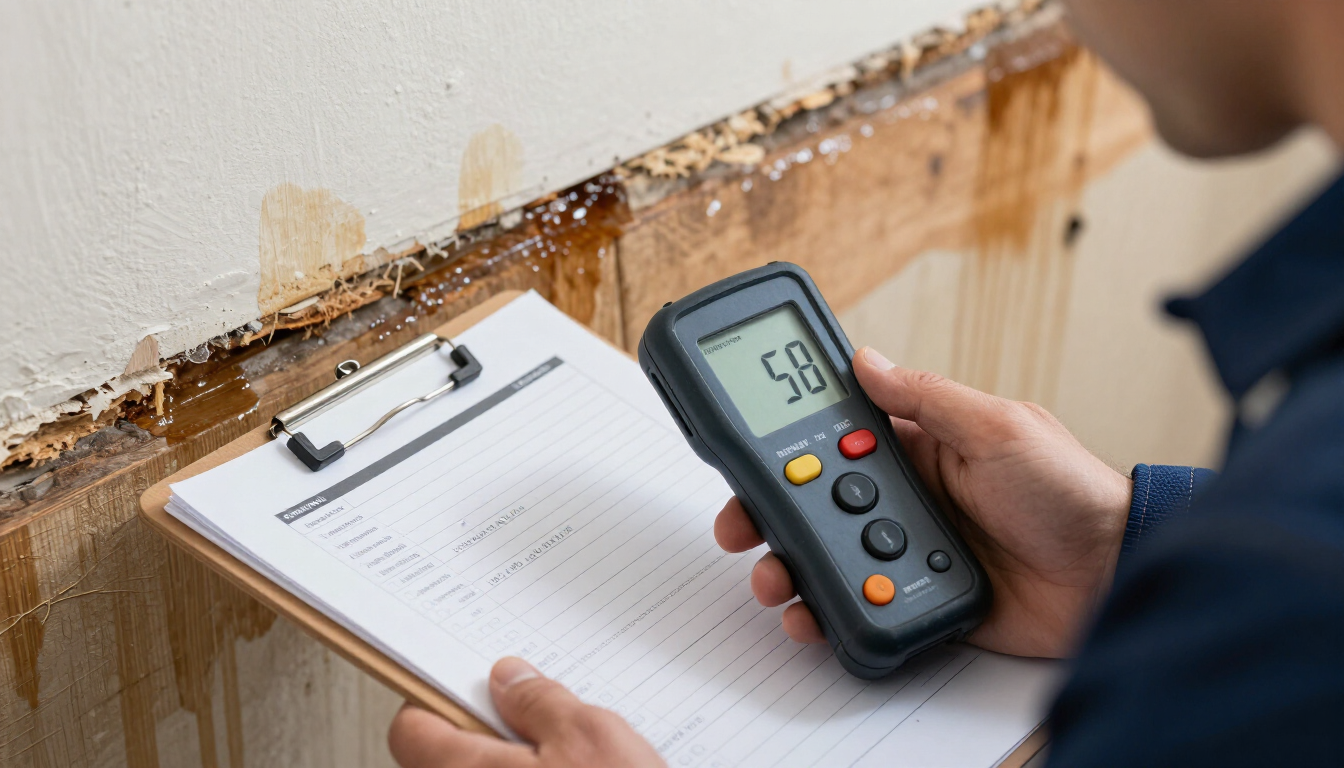
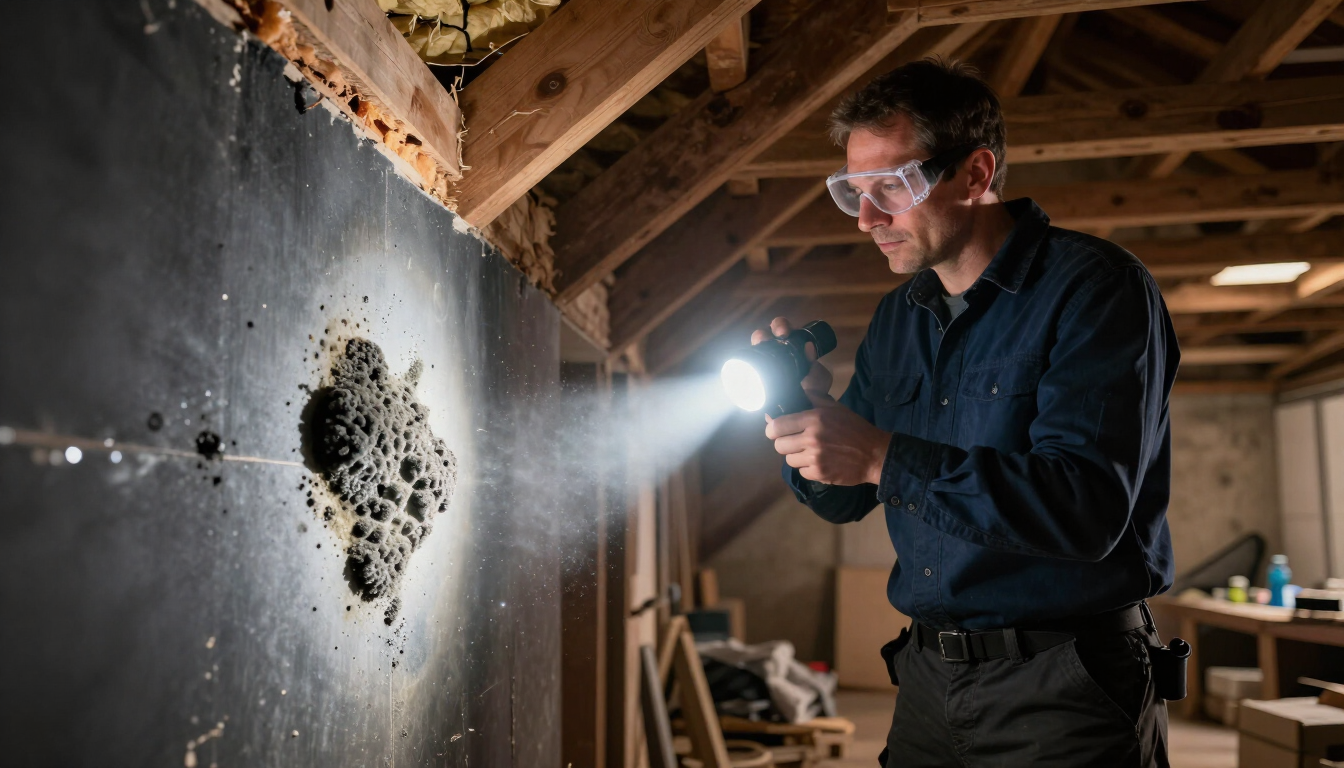
Professional restoration teams use moisture meters, thermal imaging, and air quality testing to locate damage that a walkthrough would miss entirely. Skipping this step means problems that are manageable now become expensive structural failures or persistent health issues later.
3. Understand Why DIY Restoration Puts You at Risk
The instinct to start cleaning up immediately is understandable — but it can make things significantly worse. Here's why professional restoration isn't optional for fire damage:
Soot and smoke residue require specialized handling. These aren't surface stains. Soot is chemically active and continues to corrode metals, stain surfaces, and off-gas toxic compounds long after the fire is out. Improper cleaning — using the wrong products or techniques — can permanently set stains, spread contamination further, and expose you to hazardous particulates without adequate protection.
Electrical and structural hazards aren't always visible. A wall that looks intact may have compromised framing behind it. An outlet that appears undamaged may have melted wiring inside. Proceeding without a professional assessment means working in a space where the risks aren't fully known.
DIY cleanup can complicate your insurance claim. Insurers document damage before work begins. If you clean, remove, or alter the property before the adjuster visits, you may inadvertently reduce your payout or give the insurer grounds to dispute portions of your claim.
Mold doesn't wait. Firefighting water creates the ideal conditions for mold growth. Without professional drying equipment deployed quickly, mold can establish itself in wall cavities and subfloors within two days — turning a fire restoration job into a fire-plus-mold remediation job.
4. Handle Smoke, Soot, and Odor Removal Properly
Smoke residue and soot coat surfaces, infiltrate porous materials, and travel through HVAC systems to affect rooms that weren't near the fire at all. Odor that seems to fade initially often returns — especially in humid conditions — because the source compounds are still embedded in walls, insulation, and ductwork.
Professional remediation involves HEPA filtration, thermal fogging, ozone treatment, and in many cases, the removal and replacement of materials that can't be adequately cleaned. Air duct cleaning is a critical step that's easy to overlook but essential to ensure smoke-contaminated air isn't recirculated throughout the home once systems are restored.
5. Salvage Possessions Quickly and Strategically
After a fire, time works against you on multiple fronts. Soot continues to damage surfaces the longer it sits. Moisture from firefighting continues to spread. Acting quickly on salvageable items — documents, electronics, clothing, furniture — can make the difference between recovery and total loss.
For items with severe damage, professional content restoration services can clean, deodorize, and restore belongings using ultrasonic cleaning and specialized drying techniques that aren't available to homeowners. For everything else, gentle cleaning in a well-ventilated area and thorough airing out are reasonable first steps while the structure is being assessed.
6. Navigate Insurance and Financial Assistance
Document everything before any work begins. Photograph and video every affected room, every damaged item, and every area of structural damage. Make a written inventory of damaged belongings with approximate values. This documentation is the foundation of your insurance claim and should be as thorough as possible.
Contact your insurer immediately. Report the damage as soon as possible and ask for specific instructions on what they need from you and what deadlines apply. Keep a log of every conversation, including the name of the representative and what was discussed.
Understand your coverage. Most homeowners policies cover fire damage, but coverage limits, deductibles, and exclusions vary. Review your declarations page carefully. If your home is uninhabitable, ask specifically about Additional Living Expenses (ALE) coverage, which can pay for temporary housing, meals, and other costs during restoration.
Look beyond insurance for financial support. FEMA's Individuals and Households Program provides grants for serious losses that insurance doesn't cover. Maryland's Department of Housing and Community Development also offers disaster relief resources for eligible homeowners. Apply for these programs as soon as possible — funding is limited and deadlines are strict.
7. Choose the Right Contractor for Reconstruction
Rebuilding after a fire is not a job for the lowest bidder. Verify that any contractor you consider holds a valid Maryland Home Improvement Commission (MHIC) license — you can check at mhic.labor.maryland.gov. Ask for proof of insurance, check references, and get everything in writing before work begins: scope of work, materials, timeline, warranty terms, and total cost.
Be cautious of storm chasers and out-of-state contractors who show up unsolicited after a disaster. In Maryland, all home improvement work requires an MHIC-licensed contractor. Home Services Restoration holds MHIC License #143012 and is IICRC certified for fire and smoke restoration.
8. Build Back Safer: Fire-Resistant Materials and Design
Reconstruction is an opportunity to make your home meaningfully more resistant to fire. Consider:
Fire-resistant building materials — treated lumber, fiber cement siding, Class A roofing materials, and non-combustible insulation all reduce the speed at which fire spreads and can lower your insurance premiums.
Strategically designed spaces — fire-rated drywall in garages, utility rooms, and between floors slows fire spread significantly. Proper attic ventilation design can also prevent embers from entering the structure.
Updated electrical systems — if your home had older wiring, reconstruction is the right time to bring it fully up to current code. Arc-fault circuit interrupters (AFCIs) are now required in most living spaces and dramatically reduce electrical fire risk.
9. Prevent the Next Fire: Maintenance and Safety Practices
Rebuilding gives you a clean slate on fire safety. Make the most of it:
- Have your electrical system inspected annually
- Test smoke detectors monthly and replace batteries every year
- Store flammable materials properly and away from heat sources
- Have your chimney cleaned and inspected every year if you use a fireplace
- Keep gutters clear of debris, which can ignite from embers during wildfires
- Consider a whole-home sprinkler system during reconstruction — it's far less expensive to install during a rebuild than to retrofit later
Home Services Restoration, LLC: Fire Damage Experts in Southern Maryland
Recovering from a fire is one of the most stressful experiences a homeowner can face. Home Services Restoration, LLC has helped families and businesses across Anne Arundel, Calvert, Charles, and St. Mary's Counties navigate every stage of the process — from emergency stabilization and professional soot removal to full structural reconstruction.
We are IICRC certified, hold Fire and Smoke Damage Restoration Certification, and carry MHIC License #143012. When you call us, you get a team that knows what to look for, what insurers need, and how to get your property restored to a safe, livable condition as efficiently as possible.
Call us at
(240) 237-8045 or
contact us online to schedule your assessment.