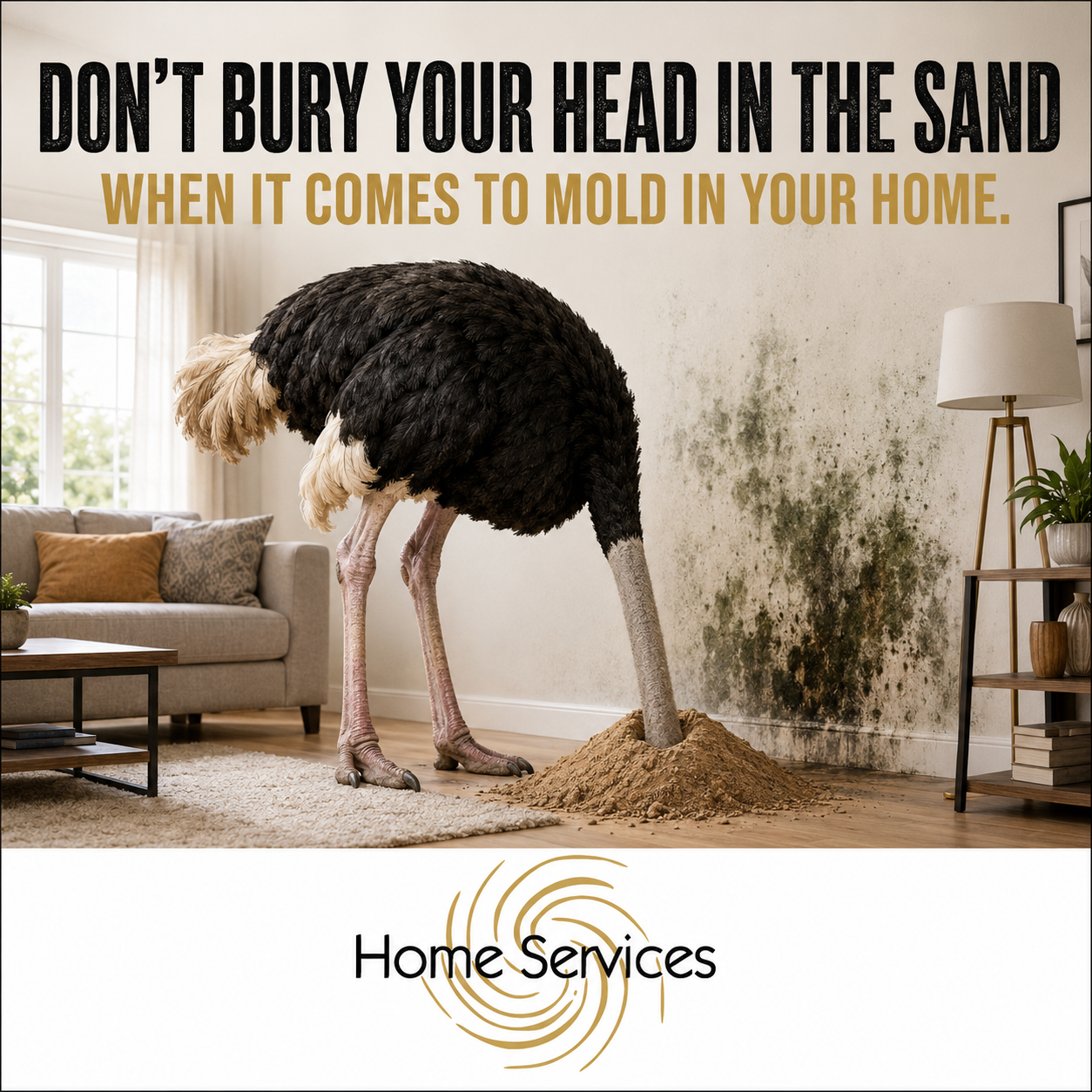
5 Home Restoration Certifications You Should Require
Home restoration certifications are professional credentials like IICRC and NADCA that guarantee a contractor follows industry-standard protocols for safety and quality. These certifications ensure your home is handled by experts who understand the complex science of mold remediation, air quality, and structural integrity after damage occurs.
What are home restoration certifications?
Home restoration certifications serve as a formal recognition that a company or individual has undergone rigorous training and passed examinations related to property recovery and indoor environmental health. These credentials aren't just pieces of paper; they represent a commitment to the latest scientific methods for drying structures, removing hazardous bio-aerosols, and restoring the structural integrity of a building. In the restoration industry, the landscape is constantly evolving with new technologies and health guidelines. Therefore, these certifications require ongoing education to maintain, ensuring that the technicians entering your home in Southern MD are using the most current and effective techniques.
For a homeowner, these certifications act as a safeguard. When you face a crisis like a burst pipe or a hidden mold infestation, you are often in a vulnerable position. You need to know that the team you hire won't just hide the problem but will actually solve it. Certification bodies like the IICRC set the benchmark for these services, providing a roadmap that contractors must follow to achieve predictable, safe, and high-quality results.
Why IICRC certification is a gold standard
The Institute of Inspection, Cleaning and Restoration Certification (IICRC) is widely regarded as the most prestigious organization in the restoration world. Specifically, for homeowners dealing with moisture issues, the IICRC S500 (Standard for Professional Water Damage Restoration) and S520 (Standard for Professional Mold Remediation) are the definitive guides. When a company holds these certifications, it means they understand the physics of evaporation, the biology of fungal growth, and the chemistry of antimicrobial treatments.
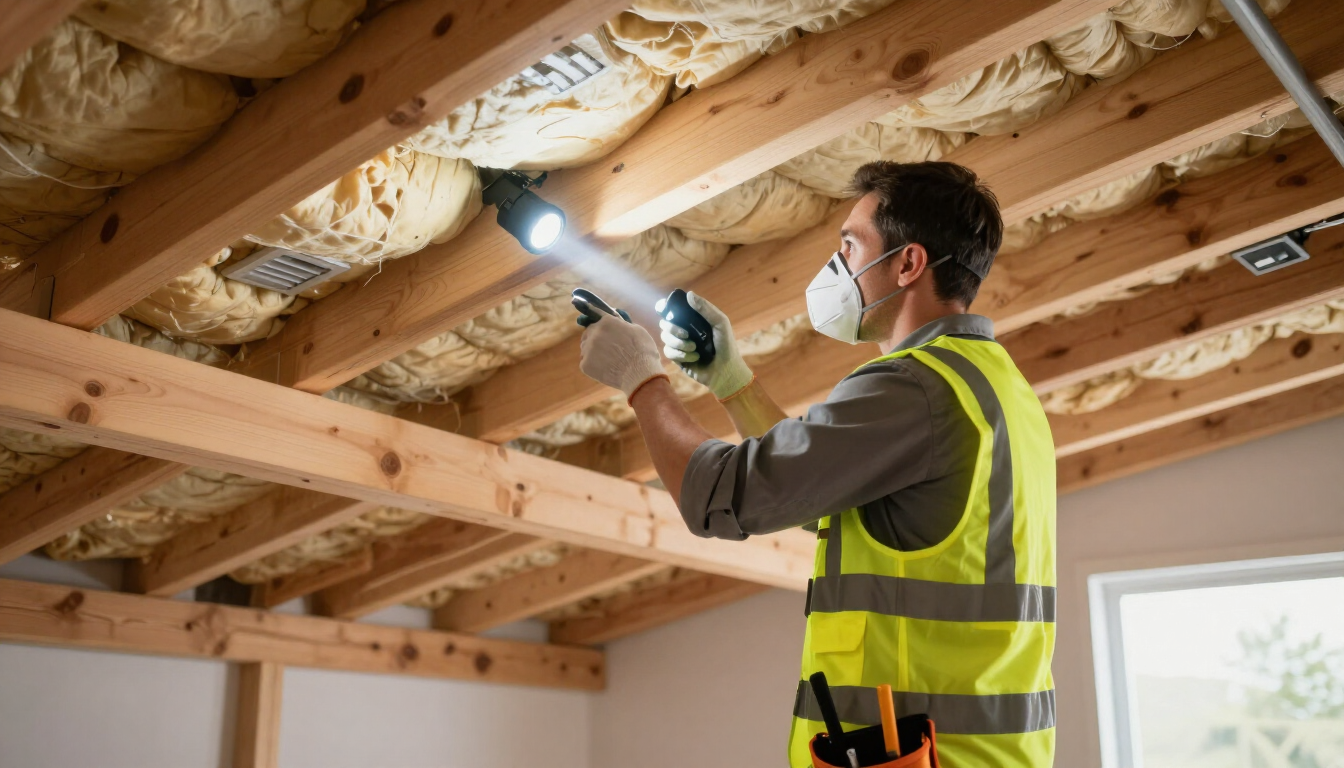
Choosing an IICRC-certified firm for Mold Remediation means your project will likely include:
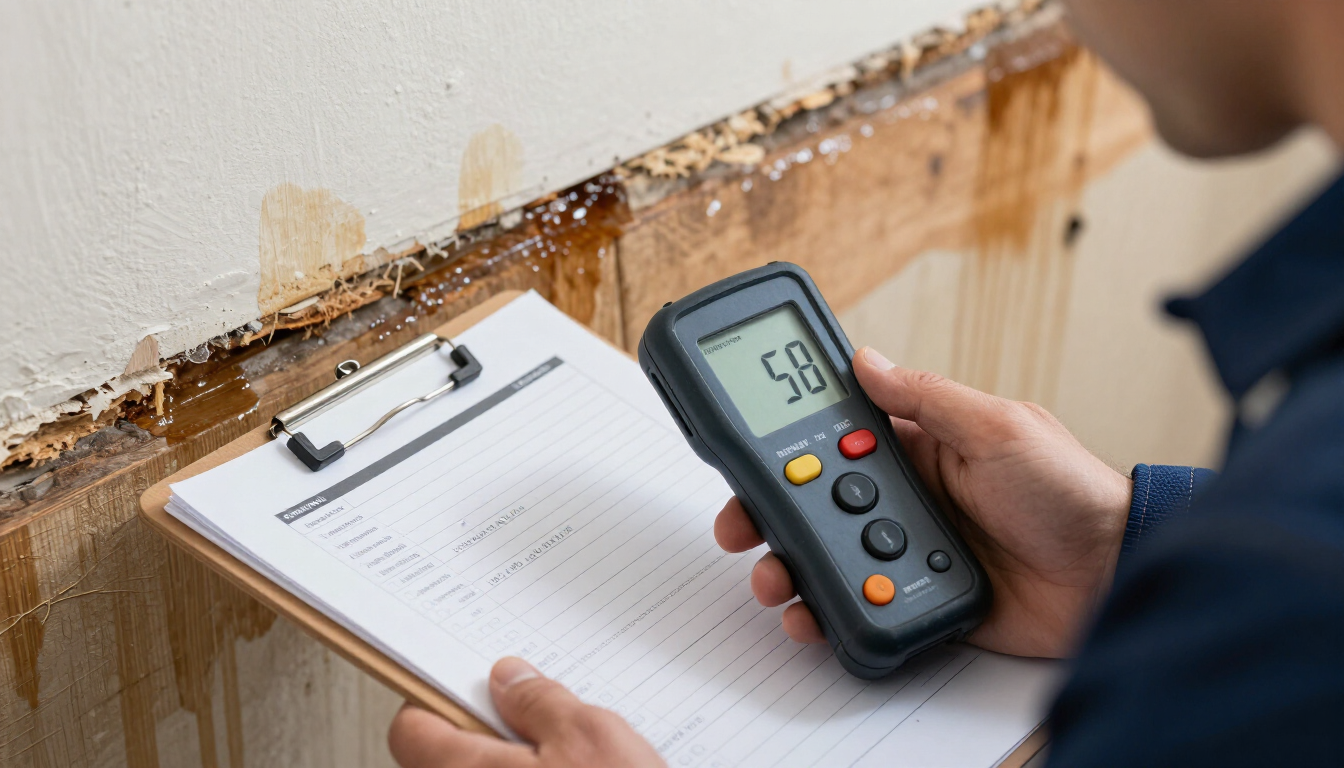
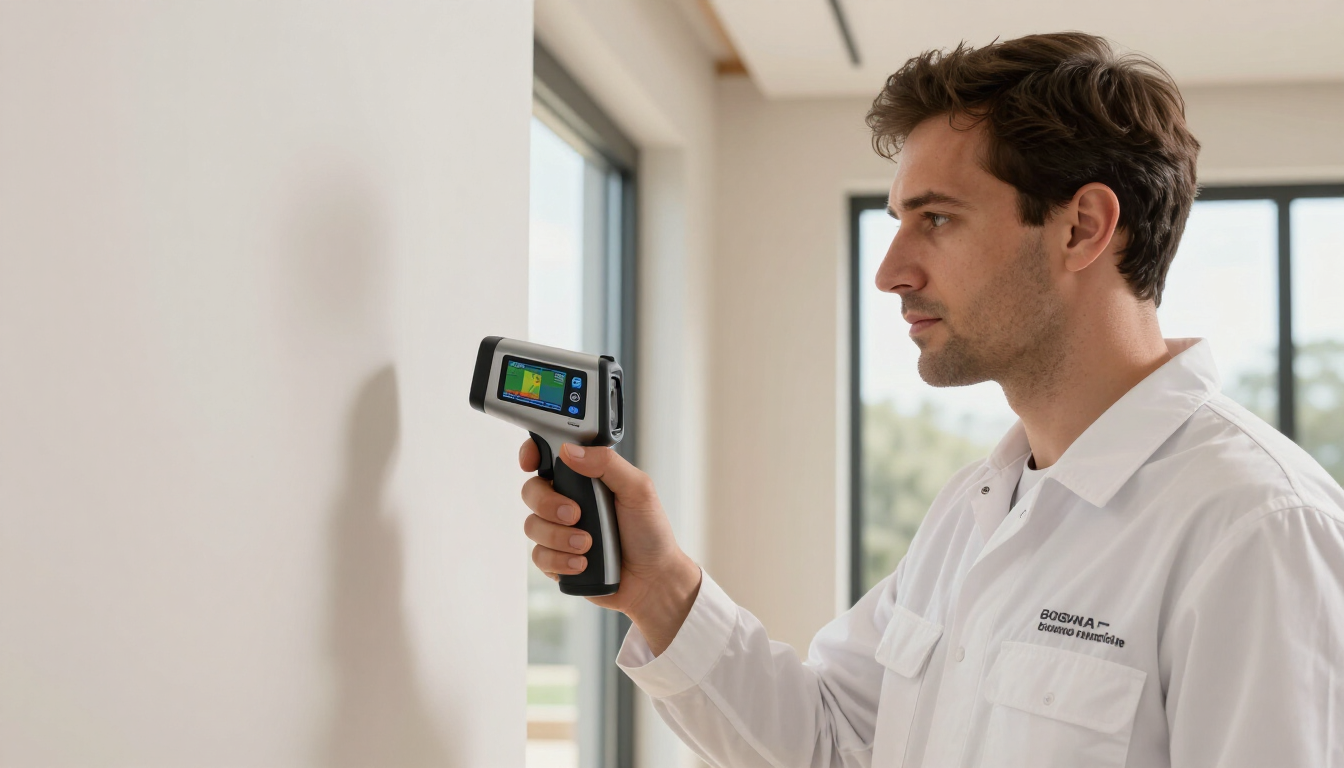
- Detailed moisture mapping to find hidden water pockets.
- Strict containment protocols to prevent cross-contamination.
- High-efficiency particulate air (HEPA) filtration to scrub the atmosphere.
- Controlled demolition of unsalvageable porous materials.
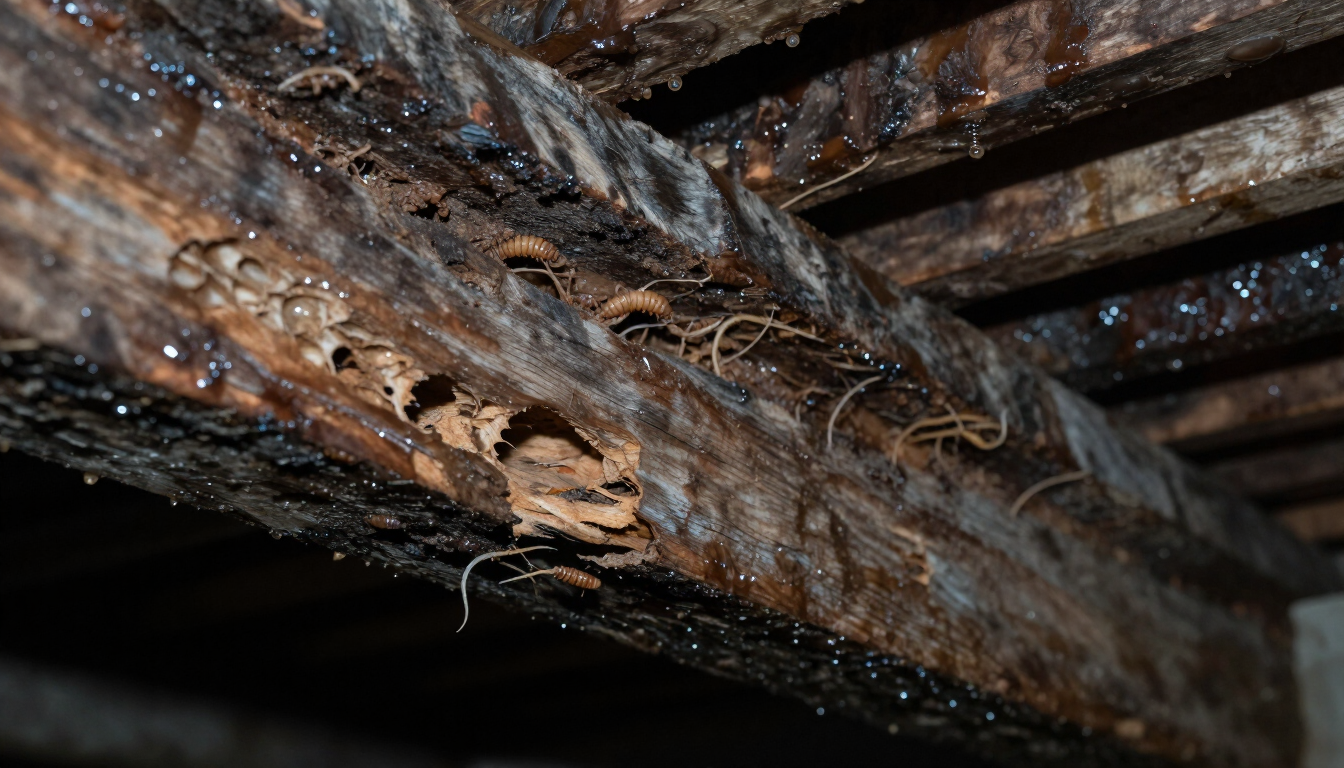
- Scientific drying goals to ensure structural wood is safe from future rot.
Without this level of expertise, a contractor might leave behind enough moisture to trigger a secondary mold bloom, or worse, spread mold spores throughout your entire ventilation system during the cleaning process.
How does NADCA certification protect your air?
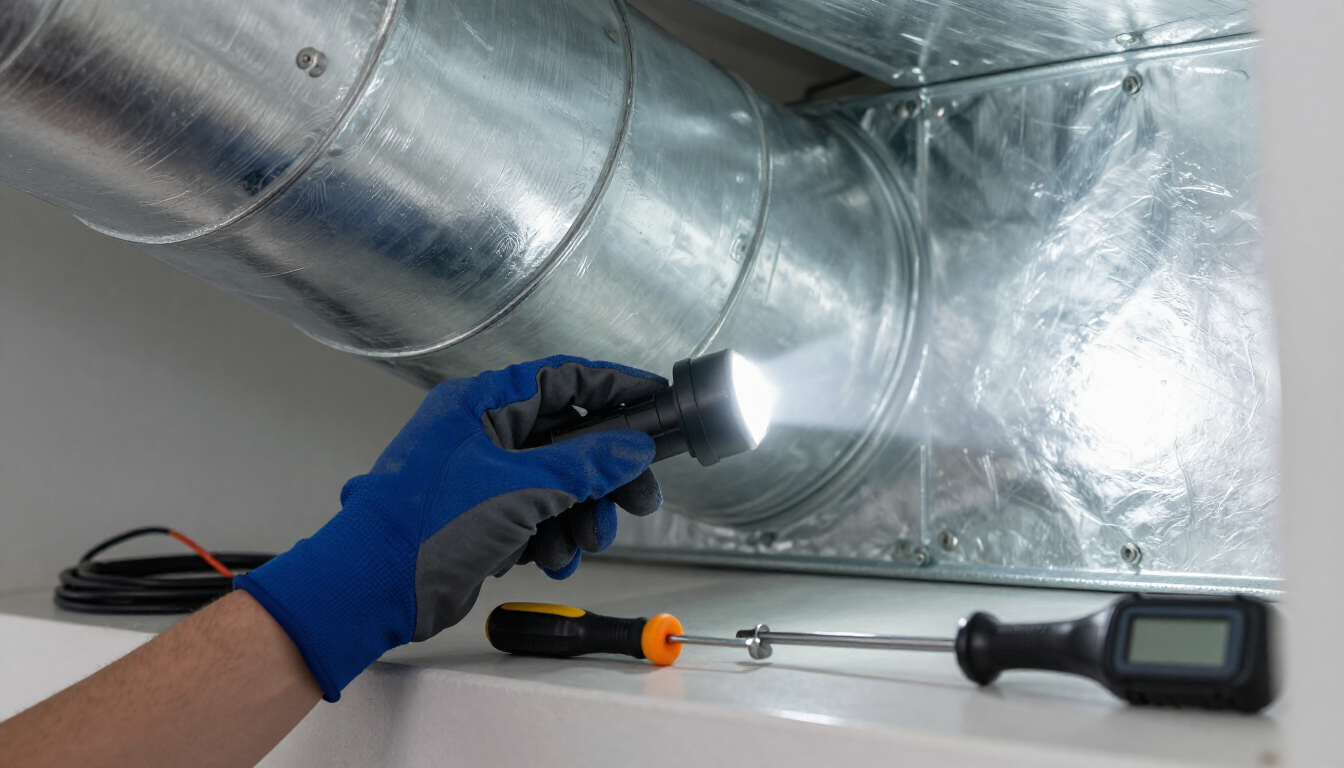
While IICRC focuses on the structure and surfaces, the National Air Duct Cleaning Association (NADCA) focuses on the lungs of your home—the HVAC system. NADCA certification is essential because air ducts are a primary transport mechanism for dust, allergens, and mold spores. If your home has suffered from water damage or high humidity, your ductwork could be harboring colonies of mold that recirculate every time the air conditioner turns on. A NADCA-certified professional follows the ACR (Assessment, Cleaning, and Restoration) Standard, which is the industry's highest bar for duct hygiene.
This certification ensures that the technician doesn't just stick a vacuum hose down a vent. It involves a comprehensive cleaning of all components, including the supply and return ducts, registers, grilles, and the air handling unit itself. By utilizing NADCA standards, Air Duct Cleaning becomes a medical-grade process rather than a superficial one, significantly improving your Indoor Air Quality Testing results.
Understanding HVAC restoration
Restoring an HVAC system after a mold event is significantly more complex than a standard maintenance cleaning. It involves the use of specialized biocides and mechanical agitation to strip away biofilm and fungal colonies. NADCA-certified firms are trained to identify when a system is "restorable" and when components, such as fiberglass-lined ductwork, are too contaminated and must be replaced. This level of discernment is critical for maintaining a healthy home environment in humid regions like Calvert County MD .
Furthermore, NADCA professionals are trained in pressure differentials. They ensure that the ductwork remains under negative pressure during the cleaning process, so that any dislodged debris is sucked directly into a high-powered vacuum system rather than being blown into your living rooms and bedrooms. This precision is what separates a professional restoration from a DIY or uncertified attempt.
Why structural licenses matter for restoration
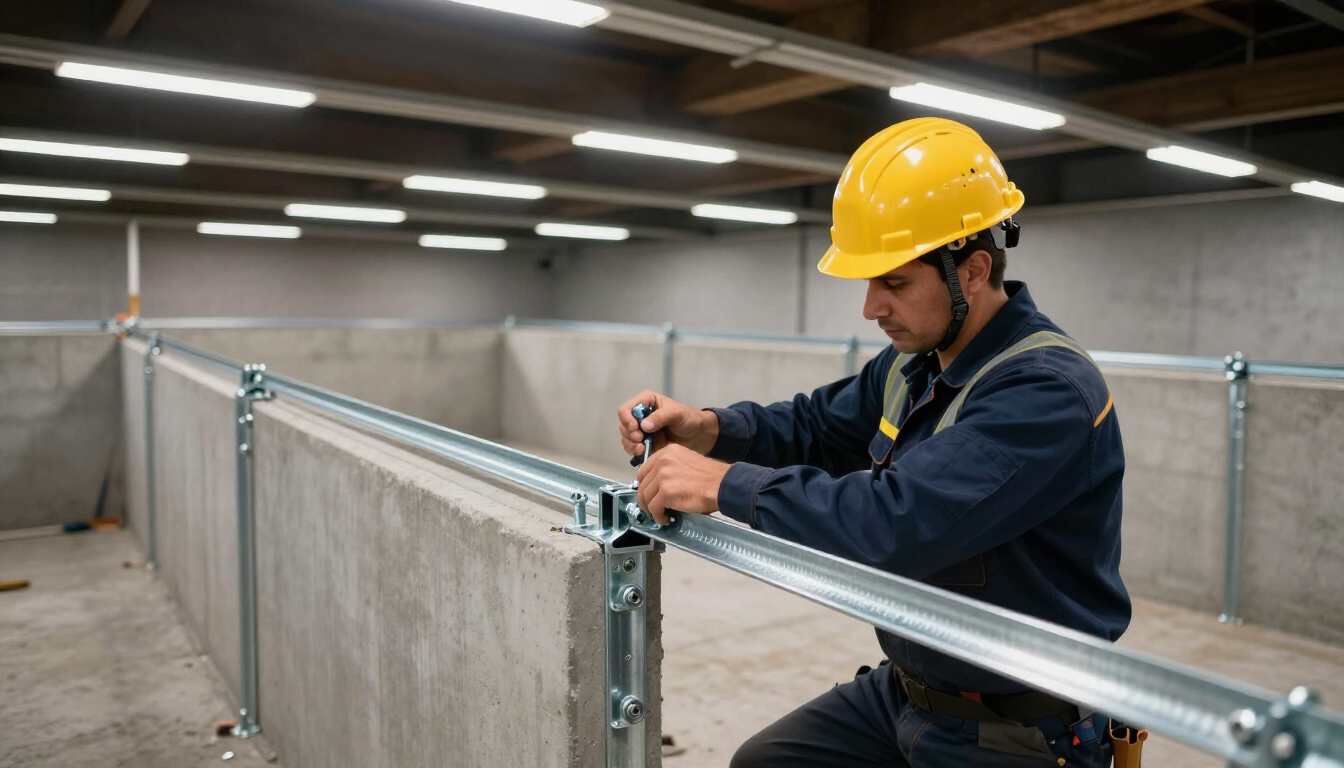
In many states, including Maryland, restoration goes beyond just cleaning. If a contractor needs to cut out floor joists, repair a foundation, or rebuild a wall, they must hold a valid home improvement license. In Maryland, the Maryland Home Improvement Commission (MHIC) license (such as MHIC #143012) is a legal requirement for structural work. This is where many simple remediation companies fall short; they can remove the mold, but they cannot legally or competently rebuild the space.
When a company holds an MHIC license alongside their IICRC credentials, they offer a "full-spectrum" solution. They can perform Structural Repairs to fix the root cause of water intrusion, such as Foundation Crack Repair or Foundation Wall Repair . This ensures that the structural integrity of your home is not compromised during the remediation process.
Can a contractor handle both mold and structural repair?
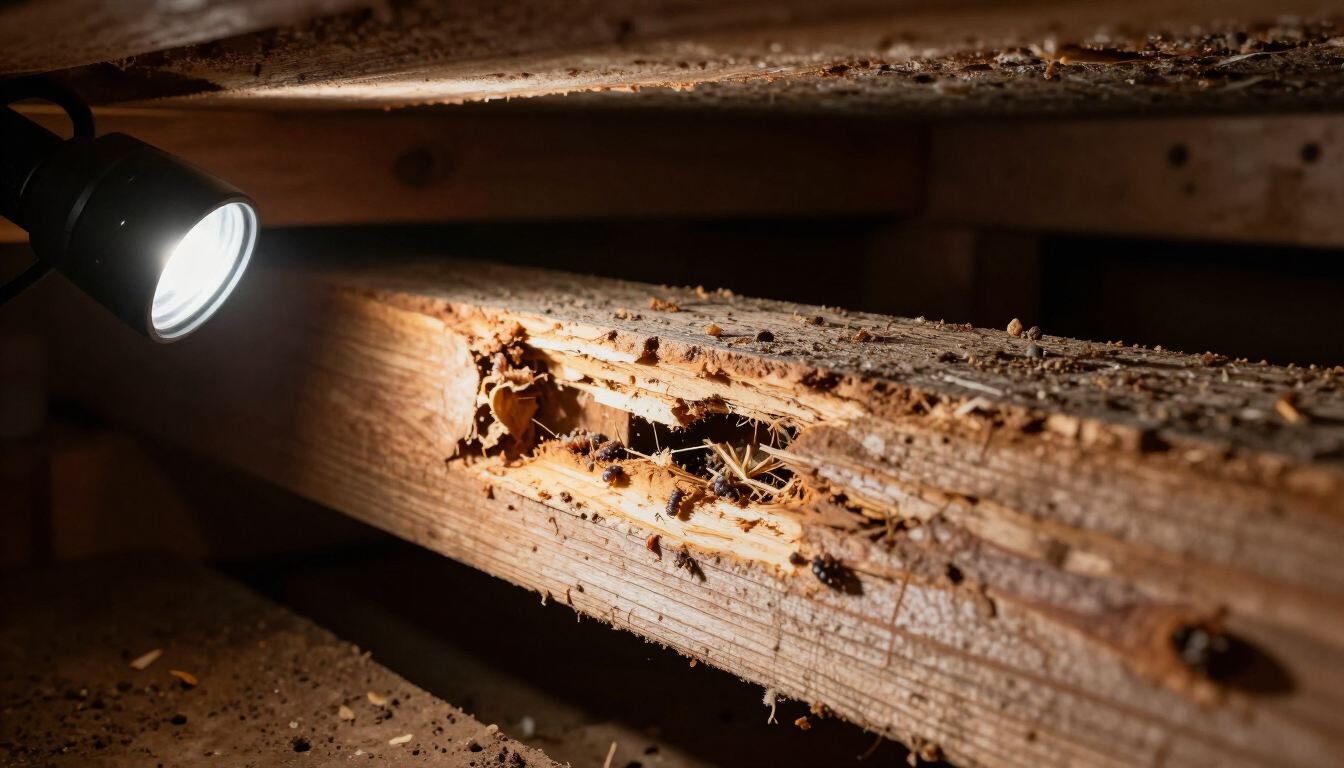
Yes, but only if they hold the appropriate dual certifications and licensing. A company that possesses both IICRC mold certifications and an MHIC license is a "master restorer." This dual capability is vital for complex projects like Crawl Space & Attic Services or Joist Repair . In these environments, mold often causes structural rot. If your contractor only understands mold, they might remove the fungus but leave behind a weakened floor joist that eventually fails. Conversely, a general builder might fix the wood but fail to address the microscopic mold spores that will later sicken your family.
Hiring a comprehensive provider ensures a seamless transition from the dirty work of remediation to the precision work of Remodeling . You avoid the headache of managing multiple contractors and ensure that the person rebuilding your home knows exactly what steps were taken to make it safe in the first place. This is particularly important for residents in Charles County MD and St. Marys County MD who deal with high water tables and heavy soil pressure.
What are specialized mold sanitizing certifications?
Beyond general remediation, specialized mold sanitizing certifications focus on the chemical and biological aspects of neutralizing pathogens. These certifications cover the use of EPA-registered disinfectants and the application of long-term antimicrobial coatings. This is often the final step in a Water Damage Mitigation project, ensuring that even if moisture returns briefly, the surfaces are treated to inhibit new growth.
Technicians with these specialties are trained in:
- Proper dwell times for chemical efficacy.
- Safe application methods to protect residents and pets.
- Testing for "clearance" to prove the environment is safe.
- Identifying specific mold species that require unique protocols.
- The use of Dehumidification to maintain a dry environment.
The Southern Maryland restoration advantage
In our region, the climate is a major factor in home health. High humidity and coastal weather patterns mean that Maryland homes are under constant assault from moisture. Choosing a local firm that understands the specific building codes and environmental challenges of the Chesapeake area is a major advantage. A certified local pro doesn't just apply a generic template; they understand how a crawl space in St. Mary's County reacts differently to a summer heatwave than a basement in Baltimore.
By prioritizing companies with a full suite of certifications—IICRC, NADCA, and MHIC—you are investing in the long-term value of your property. You ensure that your home is not just "cleaned," but truly restored to a pre-loss condition, or better. This comprehensive approach protects your health, your family's safety, and your financial investment in your home.
Summary of Restoration Certification Benefits
In conclusion, verifying a contractor's certifications is the most important step a homeowner can take when facing property damage. These credentials represent the intersection of health science, engineering, and craftsmanship. Whether you are dealing with a minor mold spot or a major flood event, the standards set by IICRC and NADCA provide the framework for a successful recovery. When combined with a state-level MHIC license, you gain access to a partner who can navigate the entire lifecycle of a restoration project—from initial moisture detection to the final coat of paint on a newly reinforced wall.
Core Takeaways for Homeowners
- IICRC Standards: Ensure scientific moisture control and safe mold removal.
- NADCA HVAC Protocols: Protect your home's air quality from hidden spores.
- MHIC Licensing: Allows for legal and safe structural repairs and rebuilding.
- Comprehensive Care: Dual-certified firms manage both health and structure.
- Long-Term Value: Certified work is documented, warrantied, and insurable.
If you suspect moisture issues or need a professional assessment of your home’s structural health, reaching out to a certified expert is the best way to gain peace of mind. For those in the Maryland area, seeking a team that handles everything from Water Damage MItigation to full Remodeling ensures your home stays healthy for years to come. Contact Us today to learn more about how our certified team can help protect your home.