When Does Homeowners Insurance Cover Mold Remediation?
The answer to whether homeowners insurance covers mold remediation depends on the cause of the mold. In general, most standard policies only cover mold removal when it results from a “covered peril.”
This could include:
- Water damage from a burst pipe
- A malfunctioning appliance like a water heater or washing machine
- Storm damage that leads to roof leaks and subsequent mold
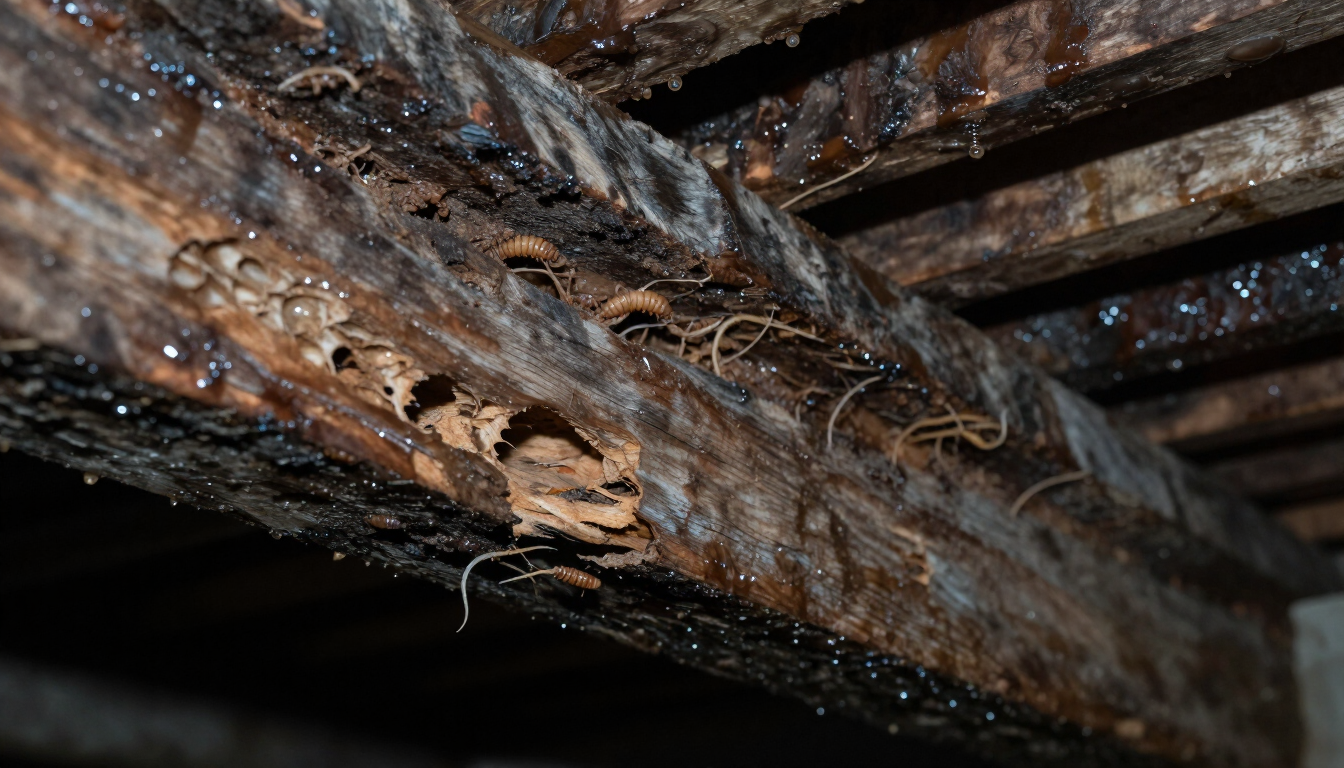
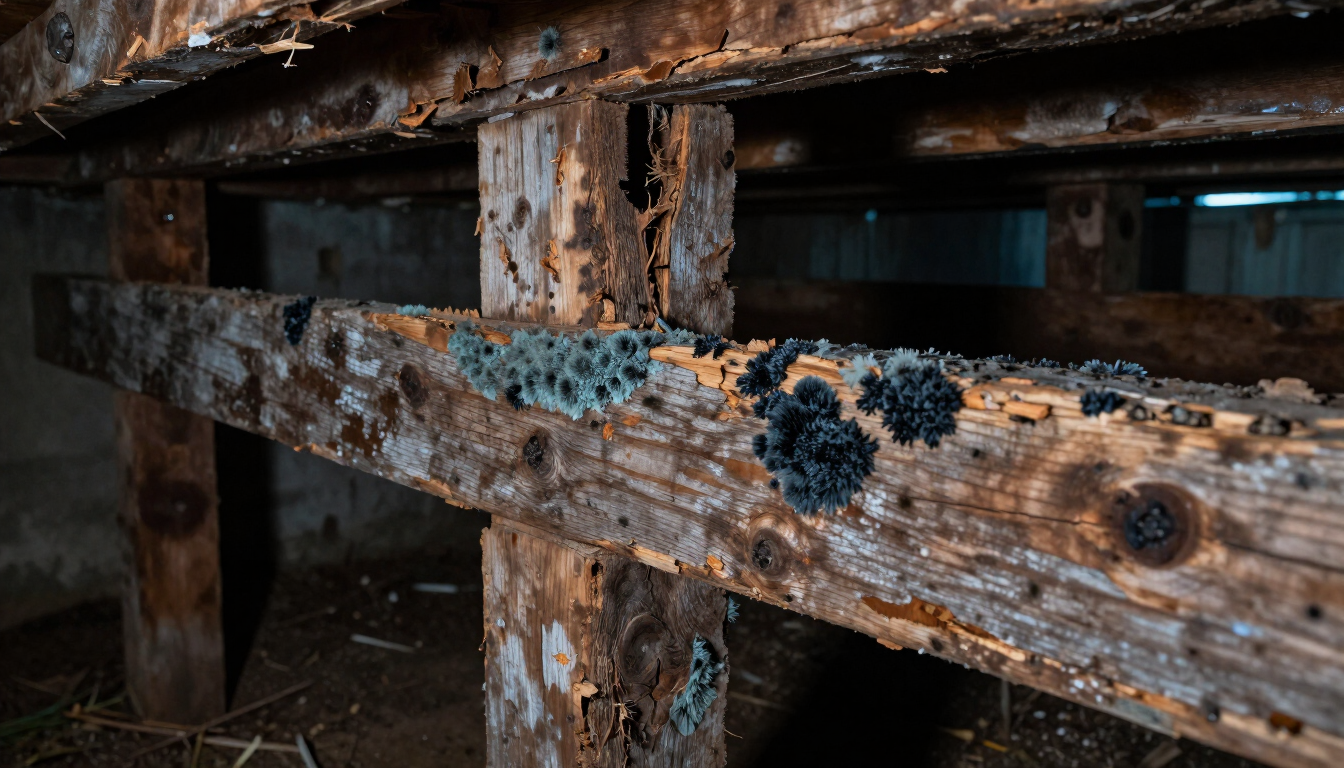
However, insurance will likely deny coverage if the mold is due to neglect—for instance, poor ventilation, long-term leaks that went untreated, or high humidity from lack of dehumidification.
If your mold problem was caused by an event listed in your policy, your insurer may cover:
- Mold testing
- Mold containment
- Mold removal
- Structural repairs related to mold damage
Always check the fine print and speak directly with your agent before starting remediation. Some policies allow limited mold coverage, while others may require an endorsement or rider for mold-related claims.
What’s the Process for Filing Mold Damage Insurance Claims?
Dealing with mold damage insurance claims can feel overwhelming, but following the proper steps improves your chance of approval.
Here's what to do:
1. Document Everything – Take photos of the mold damage, any leaks, and the source of water intrusion.
2. Contact Your Insurance Provider – Let them know about the mold issue and ask for the claims process details.
3. Schedule an Assessment – Your insurer may send an adjuster to assess the damage.
4. Get a Professional Assessment – Work with a licensed contractor or mold remediation specialist who can write up a detailed estimate.
5. Submit All Documentation – Include repair estimates, professional assessments, and your photos.
Remember: the faster you report the issue, the better. Delays in reporting could be viewed as homeowner negligence and result in denied coverage.
How Much Does Mold Remediation Cost?
The mold remediation cost depends on several factors, including the size of the affected area, the location of the mold, and how far the damage has spread.
On average:
- Minor mold remediation: $500 to $1,500
- Moderate remediation: $2,000 to $6,000
- Extensive mold damage: $10,000 or more
The final cost often includes:
- Mold assessment and testing
- Air filtration and containment
- Demolition of affected materials (like drywall)
- Mold removal and cleanup
- Restoration of the affected area
If your insurance policy covers mold caused by a specific incident (like a burst pipe), it may reimburse most or all of these costs. If not, you’ll be responsible for the entire bill out of pocket.
How Long Does Mold Remediation Take?
If you’re wondering how long mold remediation takes, it usually depends on the severity of the mold problem.
Here’s a general breakdown:
- Small areas (under 10 square feet): 1–2 days
- Medium areas (10–30 square feet): 3–5 days
- Large infestations Up to 7+ days or longer
In cases where structural repairs or replacements are needed (like flooring, insulation, or drywall), the timeline may stretch into weeks. The process includes initial assessment, containment, removal, air filtration, cleaning, and rebuilding.
Quick action is key—delaying treatment can result in mold spreading further, making it more difficult and expensive to remediate.
How to Remediate Mold in a House Safely
If you’re dealing with mold now, you may be searching for how to remediate mold in a house effectively. While small patches (like mold on a bathroom wall) can sometimes be cleaned with a store-bought cleaner and protective gear, most mold issues—especially ones behind walls, under flooring, or inside HVAC ducts—require professional remediation.
Here’s what safe, professional mold remediation looks like:
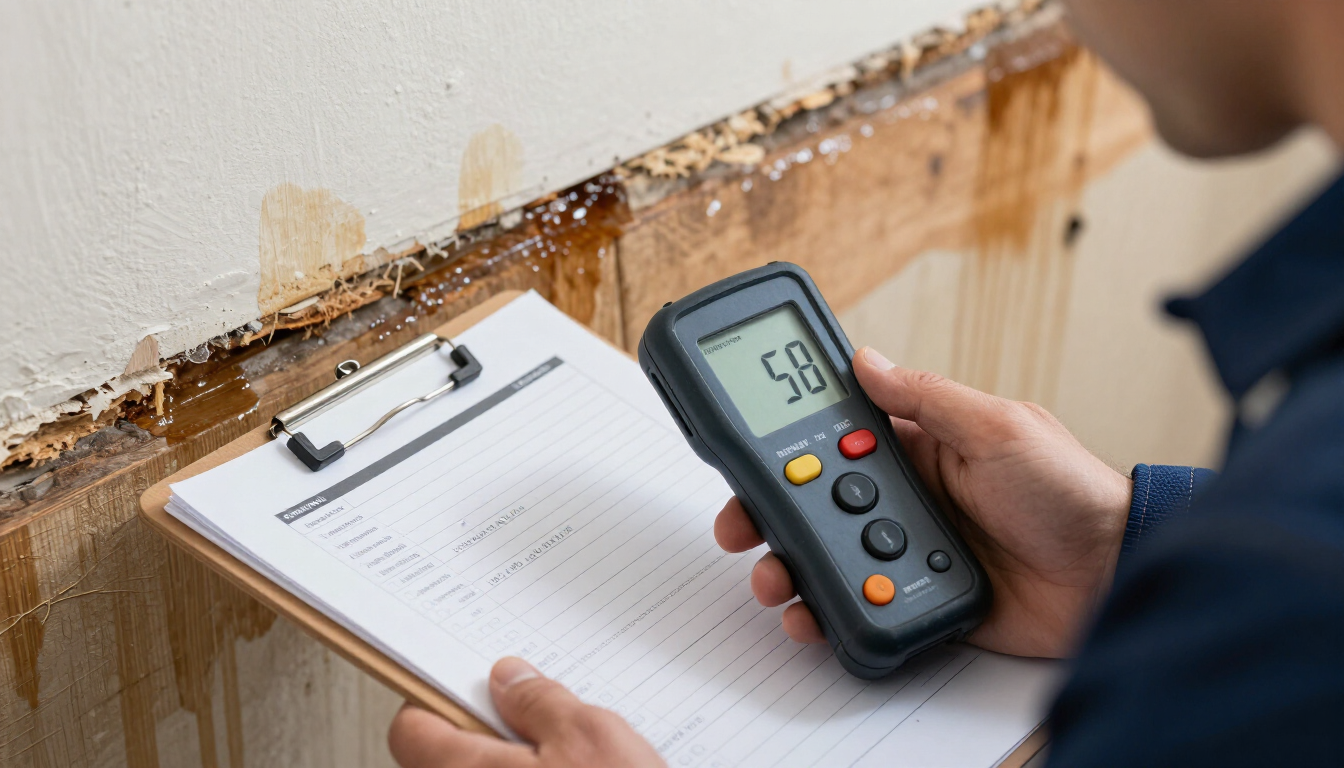
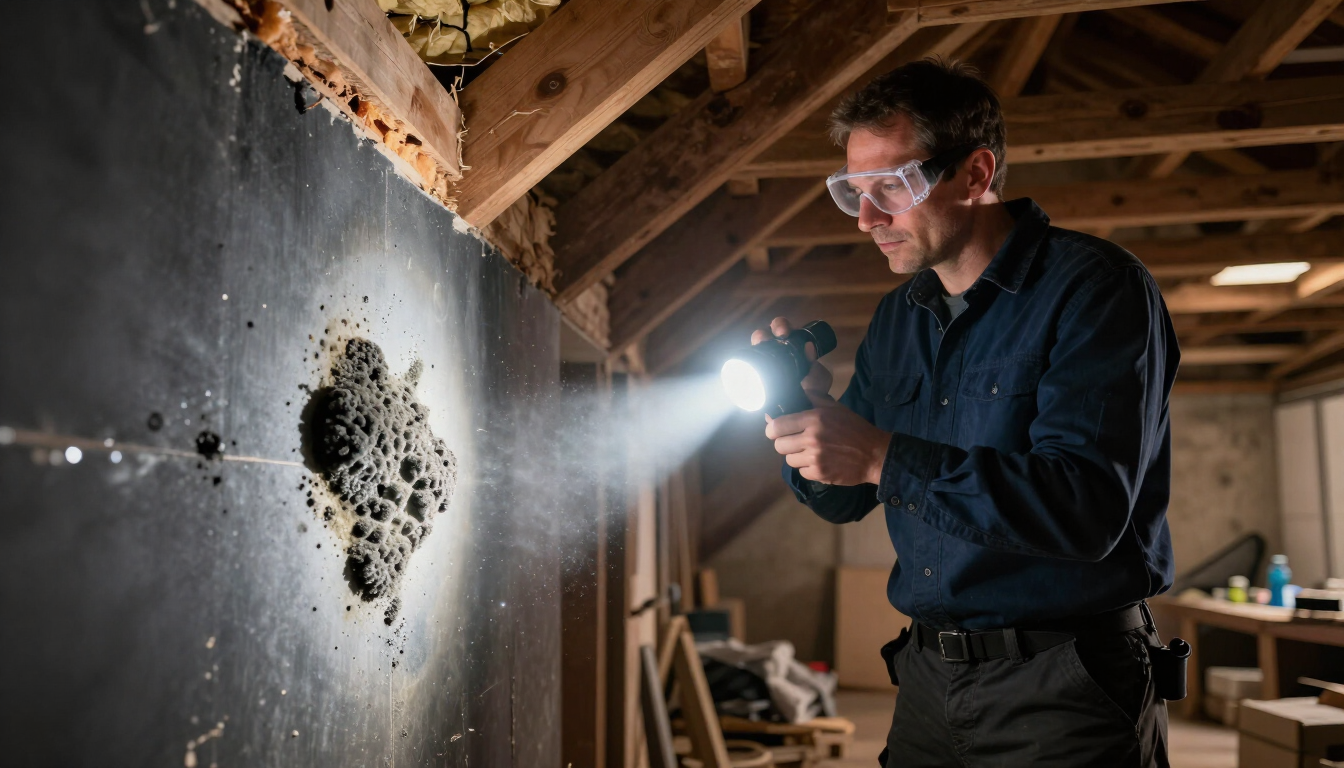
- Assessment: Moisture levels and mold growth are evaluated.
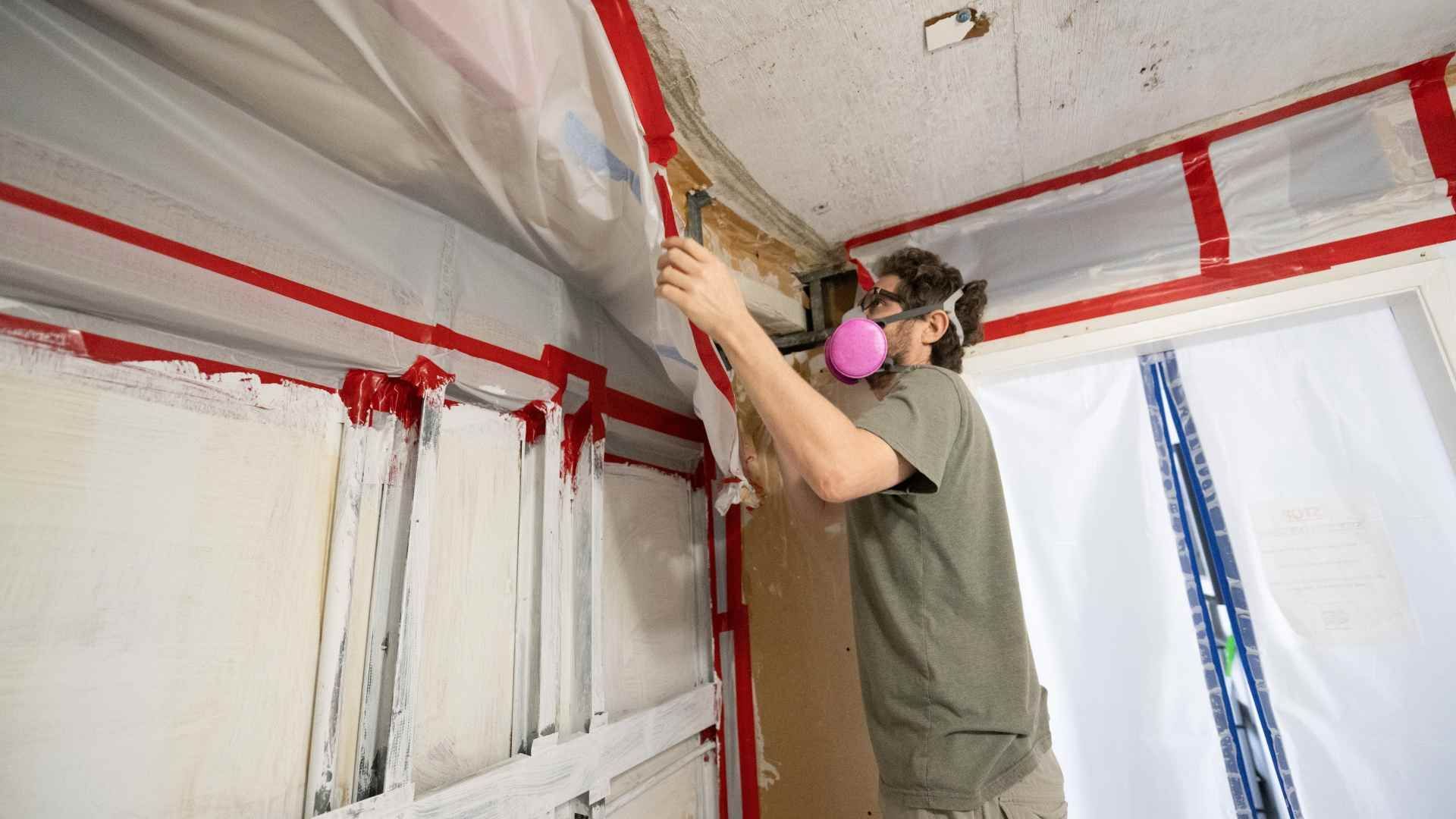
- Containment: The area is sealed off to prevent spores from spreading.
- Air Filtration: HEPA filters are used to clean the air.
- Mold Removal: All contaminated materials are removed or cleaned.
- Repair and Restore: Affected surfaces and structures are replaced or repaired.
Proper personal protective equipment (PPE) must be used during all steps to avoid health risks. DIY mold remediation for anything more than a small patch can be dangerous without the right tools and knowledge.
Call Home Services Restoration, LLC Today for Mold Remediation Help
Still wondering does homeowners insurance cover mold remediation? If you're dealing with mold after water damage or storm-related issues, it's time to take action. Home Services Restoration, LLC is here to help homeowners in Great Mills, MD navigate mold cleanup, insurance claims, and full restoration services.
Don’t let mold compromise your home and health. Whether you're starting a claim or already in the middle of cleanup, our team is ready to guide you through the process with safe, efficient solutions.
Call us today at (240) 237-8045 or (866) 666-653 to speak with our mold remediation specialists.