What Is Dehumidification in AC Systems?
Dehumidification in AC refers to how your air conditioner removes moisture from the air while cooling it. Your system does this every time it runs, even if you don’t realize it.
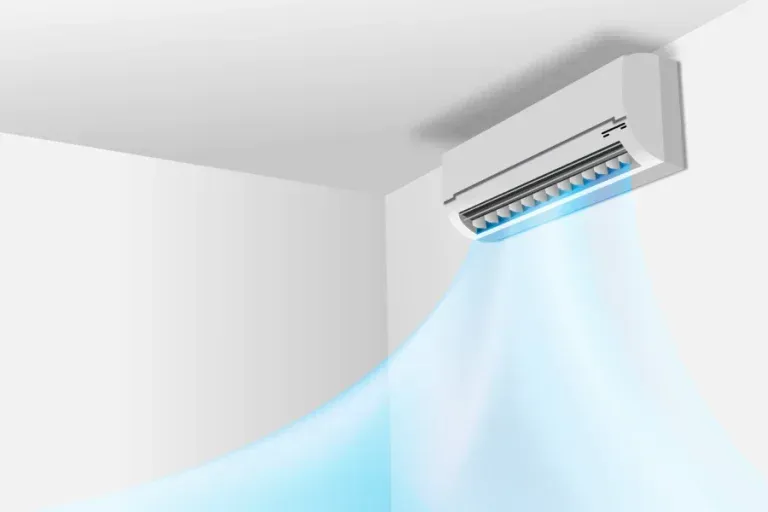
When warm, humid indoor air passes over the AC unit’s cold evaporator coil, moisture in the air condenses into water droplets. These droplets collect in a drain pan and exit your system through a drain line. What you get in return is cooler, drier air circulating back into your home.
This moisture removal helps keep indoor humidity levels in a safer range. Too much moisture in the air can cause discomfort, encourage mold growth, and lead to damage in walls, ceilings, and flooring. That’s why dehumidification is such an important function of your AC system.
How Does Dehumidification Work Inside an AC Unit?
To understand how dehumidification works, it helps to picture the airflow inside your AC system.
First, the system pulls in warm air from your home through return vents. This air travels through ductwork and across the evaporator coil. The coil is filled with refrigerant, which absorbs heat and causes moisture in the air to condense. This water drips into a pan and drains away through tubing.
Once the heat and moisture have been removed, the air is cooler and drier. The fan then pushes this treated air back through your vents.
This process keeps repeating until your thermostat reaches the set temperature. The more humid the air is, the more work the AC system must do to remove that moisture. That’s why regular maintenance is important. Dirty coils and blocked drain lines can reduce how well your system controls moisture.
Difference Between Humidification and Dehumidification
You may have heard the terms humidification and dehumidification and wondered how they differ. Here's a simple breakdown.
- Humidification adds moisture to indoor air. This is helpful during colder months when heating systems can make air dry.
- Dehumidification removes moisture from indoor air. This is especially useful in warmer months when outdoor humidity levels are high.
Both aim to keep indoor humidity in a balanced range. A good indoor humidity level is between 30 and 50 percent. Going outside this range can lead to dry skin, irritated sinuses, or mold problems.
While your AC focuses on cooling, its built-in aircon dehumidification feature can help remove moisture without adding extra equipment. Still, in very humid conditions, it may not be enough. In those cases, a separate dehumidifier can be installed to support your main system.
Why Dehumidification Is Key for Mold Prevention
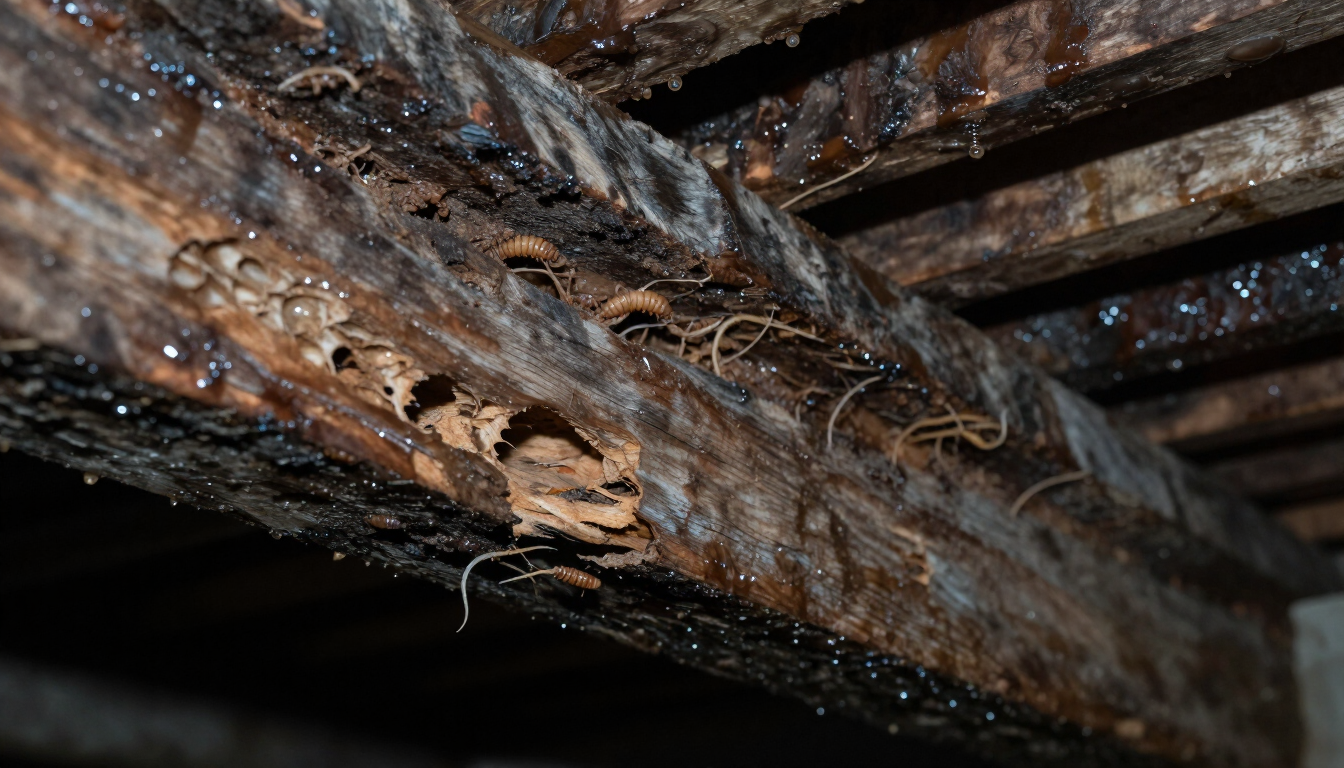
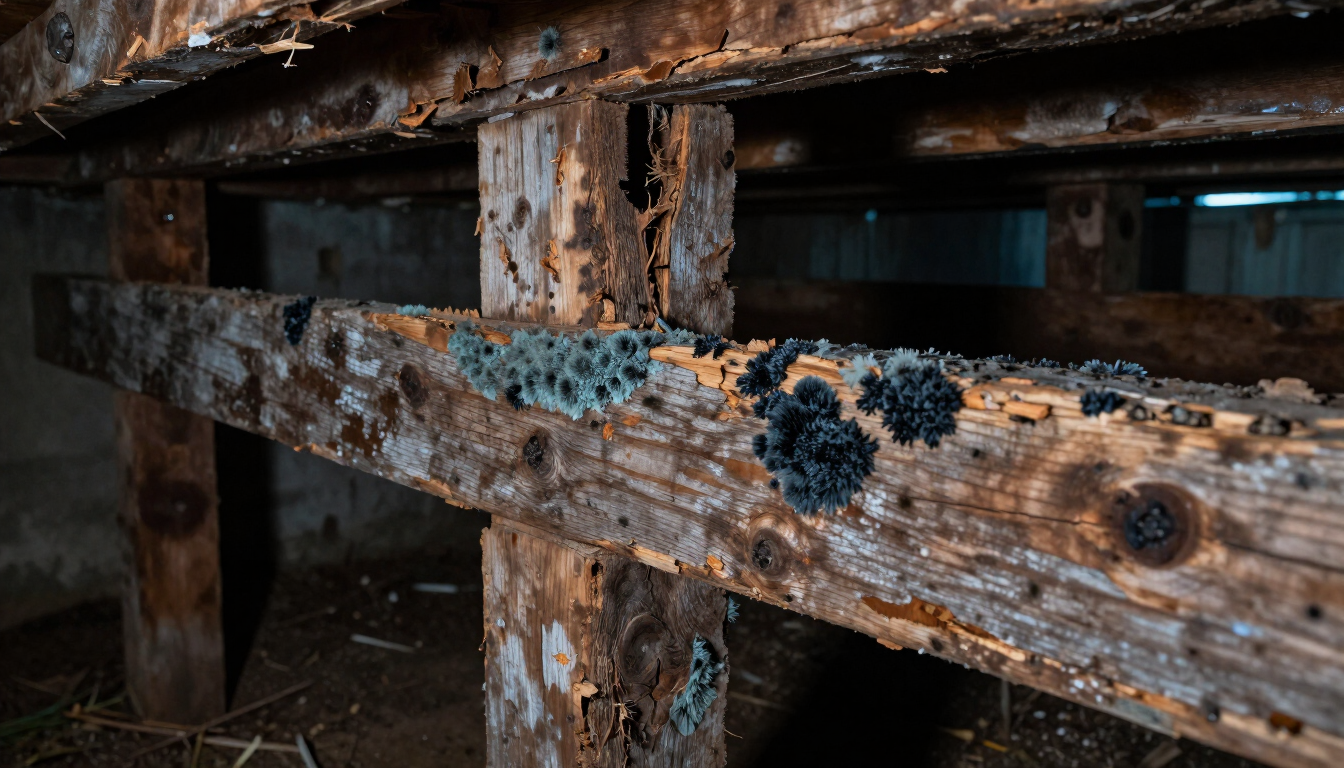
One of the biggest benefits of dehumidification in AC systems is how it helps protect your home from mold. Mold spores are always floating in the air, but they need moisture to grow and spread. By removing moisture from the air, your AC system helps stop mold before it becomes a problem.
Mold often appears in places where moisture builds up, such as bathrooms, kitchens, basements, and poorly ventilated areas. When indoor humidity is too high for too long, even clean homes can develop mold on walls, ceilings, and furniture.
Here are a few signs your indoor humidity may be too high:
- Windows fogging up
- Musty smells
- Sticky or damp air
- Mold spots on walls or ceilings
Dehumidification helps reduce the risk of all these issues. It keeps the air dry enough that mold has a harder time surviving. It also reduces the conditions that attract dust mites and other allergens.
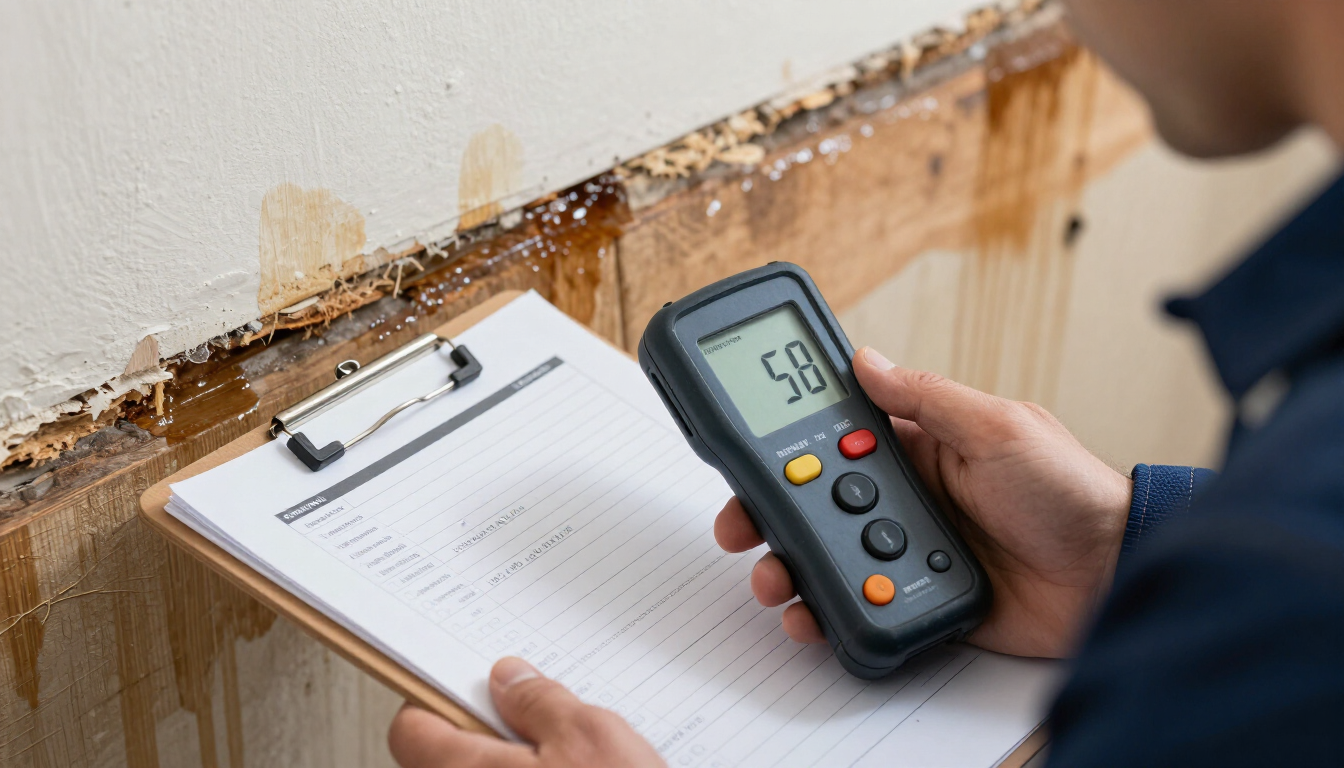
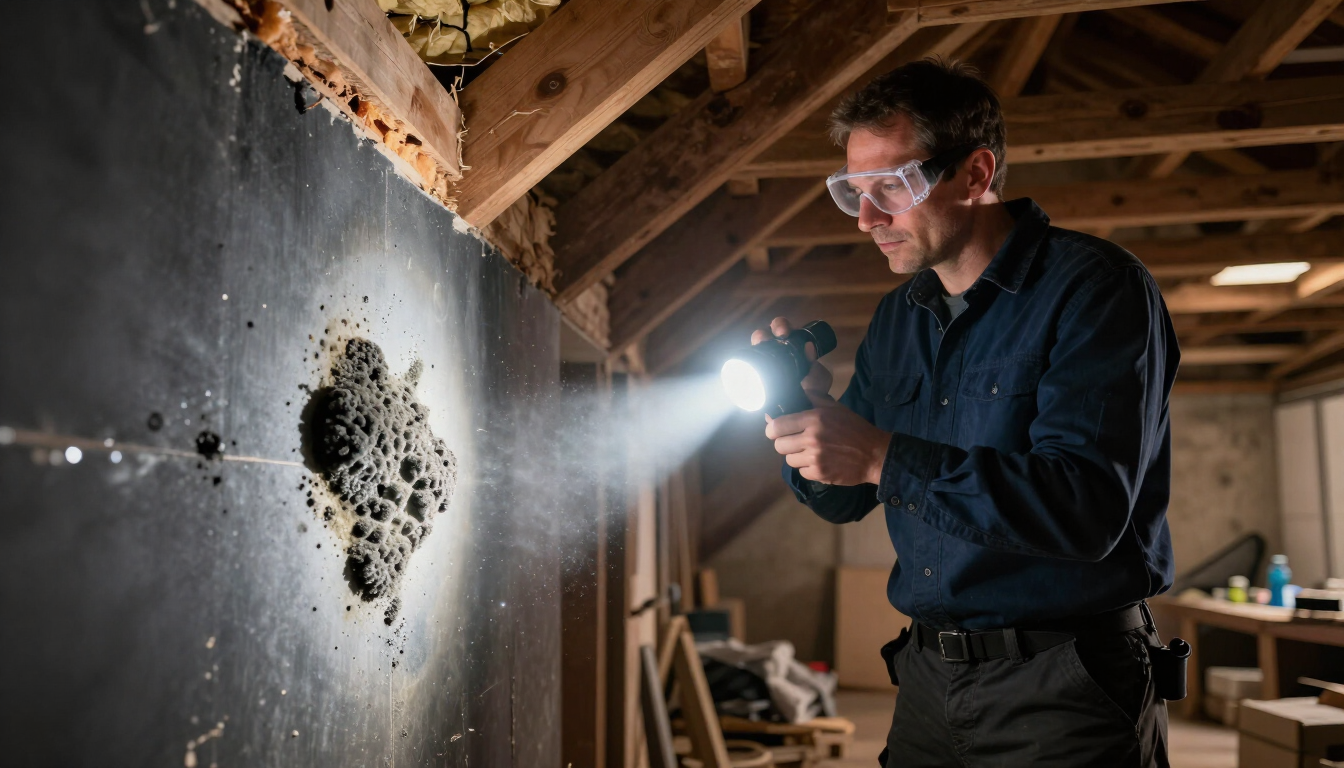
If you’ve been running your AC and still notice signs of mold or moisture, your system may not be removing enough humidity. A professional inspection can help determine what’s causing the issue and what can be done about it.
Understanding the Dehumidification Process Step by Step
The dehumidification process inside an AC unit is part of the standard cooling cycle. But it helps to break it down step by step.
- The thermostat tells the AC system to start cooling.
- A fan pulls warm, moist indoor air into the system.
- Air passes over the cold evaporator coils.
- Moisture in the air turns into water droplets on the coil.
- The collected water drips into a drain pan and exits through a pipe.
- The cooled, drier air returns to your home through supply vents.
In mild weather, the AC may not run long enough to remove a lot of moisture. That’s why some systems include a dedicated aircon dehumidification setting. This allows the fan to slow down so more moisture can be removed during each cycle.
For homes in very humid areas, adding a whole-house dehumidifier can support your AC system. This unit works with your HVAC system to pull out more moisture, especially in problem areas like basements.
If your AC system is not performing well, regular maintenance can make a big difference. Dirty coils, clogged filters, and blocked drain lines all reduce the system’s ability to remove moisture.
Take Control of Humidity With Home Services Restoration, LLC
If your home feels damp, smells musty, or shows signs of mold, the problem could be with your AC’s dehumidification performance. At Home Services Restoration, LLC, we work with homeowners in Great Mills, MD to address indoor moisture problems before they turn into major damage.
Our team can check your current HVAC setup, test humidity levels, and recommend solutions that fit your home’s needs. We handle maintenance, repairs, and equipment upgrades to help improve moisture control.
Give us a call at
(240) 237-8045 or
(866) 666-653 to schedule a home visit and find out how well your current system is managing indoor humidity.
Conclusion: Stay Ahead of Mold With Smart Dehumidification in AC
Dehumidification in AC may not get as much attention as cooling, but it plays a key role in keeping your home safe. By removing moisture from the air, your system helps prevent mold, protects your home’s structure, and makes indoor air more comfortable.
For homeowners in Great Mills, MD, staying on top of moisture levels is even more important. Warm temperatures and natural humidity can create the perfect conditions for mold if your AC system is not working as it should.
If you're noticing musty odors or excess indoor moisture, contact Home Services Restoration, LLC today. We can help make sure your air conditioning system is not just cooling your home, but also keeping it dry and safe.
Need help with AC dehumidification or moisture issues? Call Home Services Restoration, LLC at
(240) 237-8045 or
(866) 666-653. Serving Great Mills, MD and nearby areas.