Fix Damp Carpet: 5 Signs of Hidden Subfloor Damage

Share this article

Damp or spongy carpet is often a sign of subfloor moisture damage, where water weakens the structural wood beneath your flooring. If left untreated, this moisture promotes hidden mold growth and structural decay. Professional inspection is required to determine if the subfloor needs specialized drying or full replacement.

Is my damp carpet a sign of subfloor damage?

If you notice your carpet feels damp, cold, or strangely soft underfoot, it is rarely just a surface issue. While a spill might cause a temporary wet spot, persistent dampness suggests that moisture is being wicked up from the subfloor or trapped between the carpet padding and the wood below. In many Southern MD homes, this is the first warning sign of a much larger structural problem. When the subfloor—usually made of plywood or oriented strand board (OSB)—absorbs water, it loses its structural integrity.

Over time, the glue holding the wood layers together dissolves, causing the material to delaminate or rot. This leads to the "spongy" feeling you experience when walking across the room. Because the carpet and padding act as insulators, they can hold moisture against the wood for weeks or months, creating a perfect environment for wood-decay fungi and mold. If the floor feels uneven or dips slightly when stepped on, the subfloor is likely already compromised and may require Structural Repairs to ensure the safety of your home.

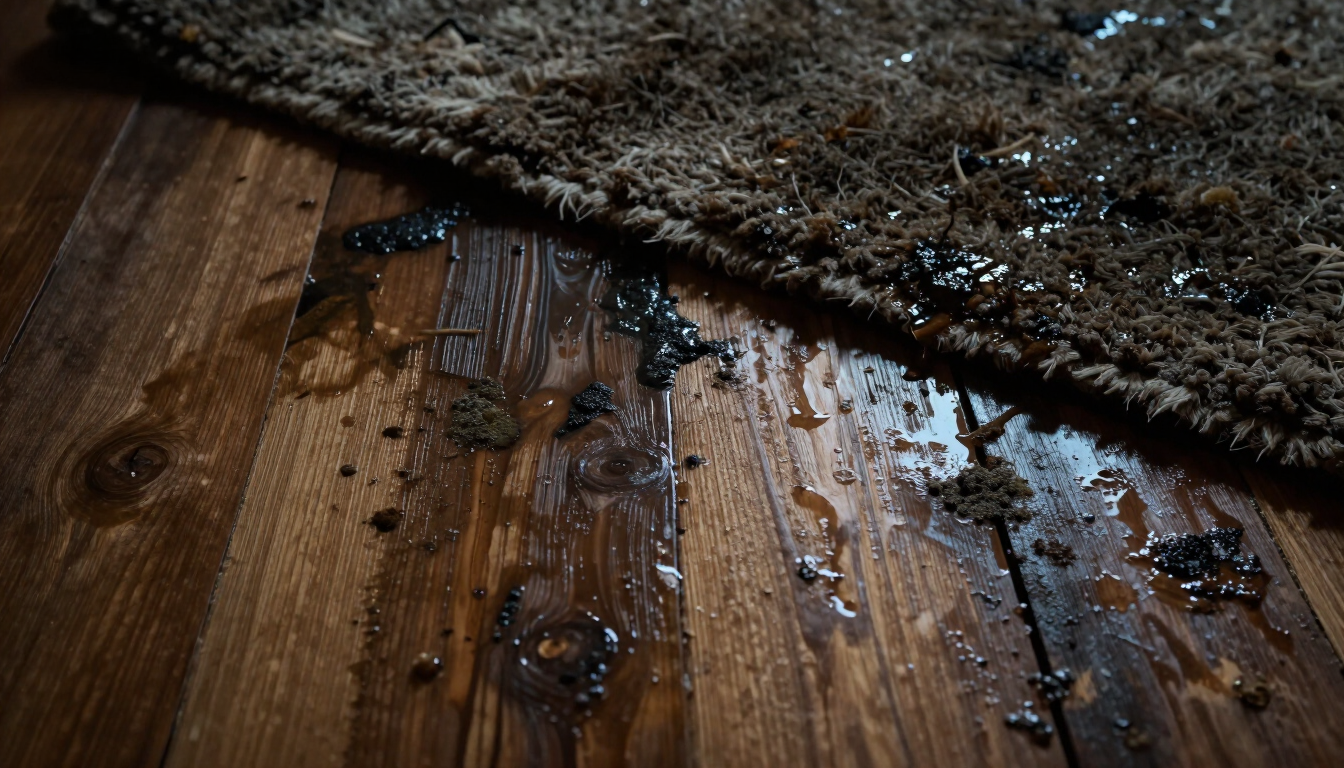
Damp carpet revealing subfloor damage

5 Symptoms of a Rotting Subfloor Under Carpet

Identifying subfloor damage early can save you thousands in restoration costs. Here are five critical symptoms every homeowner should watch for:

  • Sponginess or "Give": The floor feels like it has a slight bounce or sinks when you step on certain areas.
  • Musty Odors: A persistent earthy or sour smell that doesn't go away after cleaning the carpet.
  • Visible Staining: Dark or yellowish spots appearing on the carpet fibers that seem to come from underneath.
  • Squeaking or Popping: New noises when walking, caused by nails pulling out of weakened, moisture-softened wood.
  • Lifting Baseboards: Gaps appearing between the floor and the wall as the subfloor warps or settles.

If you recognize these signs, the priority should be identifying the source of the water. Whether it is a slow pipe leak, high humidity in a crawl space, or a foundation issue, the moisture must be stopped before the subfloor can be repaired. Ignoring these symptoms often leads to the need for extensive Water Damage Mitigation services.

Why is moisture trapped under my flooring?

Moisture finds its way under your carpet through several common pathways. In St. Marys County MD and surrounding areas, the high water table and humidity levels play a significant role. One of the most frequent culprits is a failing crawl space. If your home is built over a dirt crawl space that hasn't been properly encapsulated, ground moisture evaporates and rises, soaking into the wooden floor joists and subfloor from below. This is why many homeowners feel "damp" floors even if there hasn't been a recent plumbing leak.

Other common causes include:

  1. Slab Sweating: In homes built on concrete slabs, moisture can migrate through the porous concrete (capillary action) and get trapped under the carpet padding.
  2. Pinhole Leaks: Small leaks in supply lines running through the floor can saturate the subfloor slowly over time.
  3. Foundation Cracks: Water seeping through foundation walls can travel along the floor line, soaking the edges of the subfloor.
  4. High Indoor Humidity: Without proper Dehumidification , moisture in the air can settle into the carpet, especially in basement levels.

Understanding the "why" is the first step in our Crawl Space & Attic Services . We look beyond the carpet to find the root environmental cause to ensure that once the floor is fixed, the problem never returns.

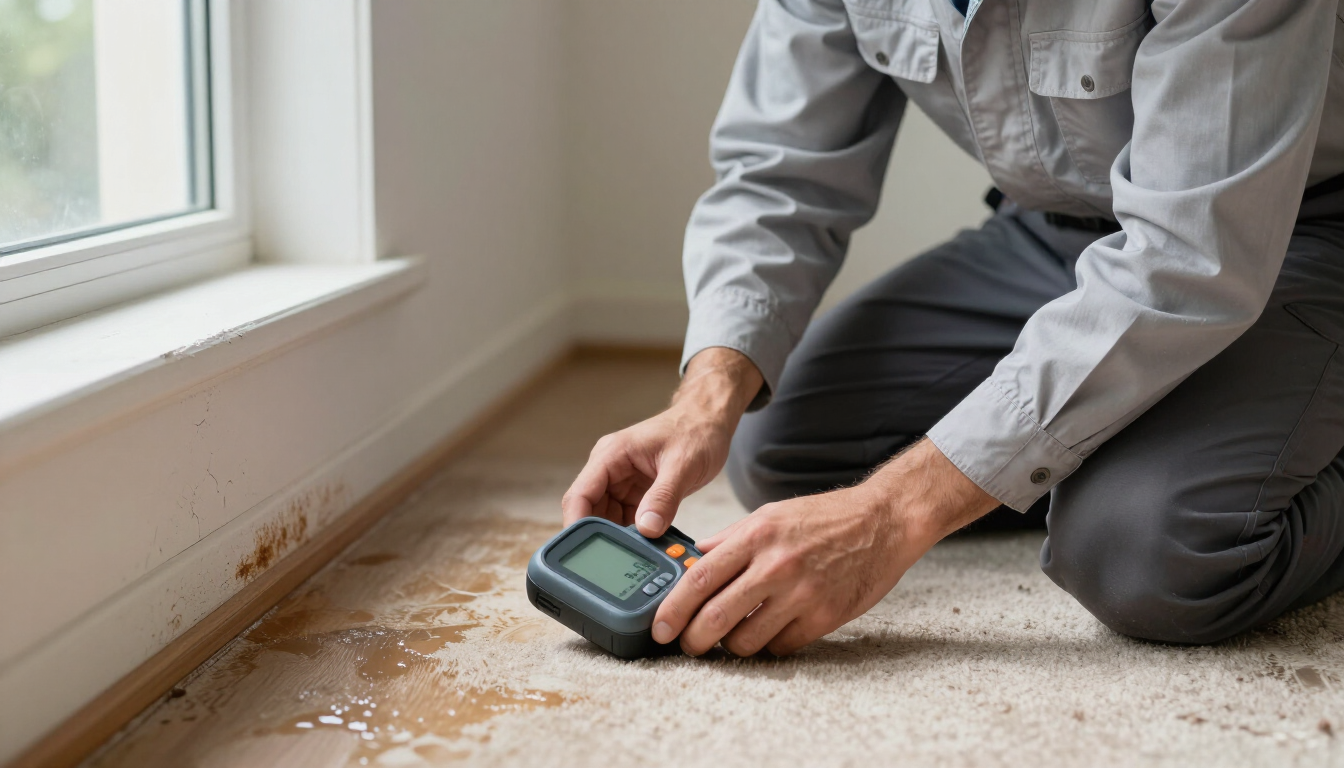
Technician testing moisture levels

Can mold grow under carpet without visible stains?

Yes, mold can thrive beneath a carpet and within the subfloor long before any spots appear on the surface. Carpet padding acts like a giant sponge, holding water in direct contact with the organic cellulose in the subfloor. Because mold does not need light to grow, it can colonize the entire underside of your flooring in as little as 24 to 48 hours after a water event.

By the time you see black or green spots on the top of the carpet, the infestation is usually severe. This is particularly dangerous for indoor air quality, as walking on the carpet releases mold spores into the air you breathe. At Home Restoration Services, we specialize in Mold Remediation that addresses both the visible growth and the hidden spores. Our MHIC-licensed team doesn't just clean the surface; we ensure the structural components are remediated or replaced if the decay has gone too far.

The Risks of Structural Decay

A damp subfloor is more than a cosmetic or air quality issue; it is a structural hazard. The subfloor is the foundation for your daily life, supporting the weight of furniture, appliances, and your family. When moisture weakens the wood, it can no longer distribute weight evenly across the floor joists. In extreme cases, a rotting subfloor can lead to a partial floor collapse or cause the joists themselves to begin rotting. This is why a simple "dry out" isn't always enough. If the wood has lost its density, it must be replaced to maintain the structural integrity of the home. This is especially true in older homes in Charles County MD and Calvert County MD where original materials may already be aged.

Professional Solutions for Wet Subfloors

When you suspect subfloor damage, a professional assessment is vital. Home Restoration Services provides a comprehensive approach that goes beyond simple cleaning. Because we hold a Maryland Home Improvement Commission (MHIC #143012) license, we are qualified to handle the complex structural repairs that simple remediation companies cannot. Our process typically involves:

  • Moisture Mapping: Using infrared cameras and moisture meters to find the exact boundaries of the water damage.
  • Structural Evaluation: Checking the floor joists and support beams for signs of rot or deflection.
  • Controlled Demolition: Removing only the damaged sections of carpet and subfloor to minimize costs and disruption.
  • Professional Drying: Using industrial-grade air movers and LGR dehumidifiers to pull moisture out of the remaining structural members.
  • Reconstruction: Replacing the subfloor and, if necessary, performing Remodeling to restore the room to its original (or better) condition.
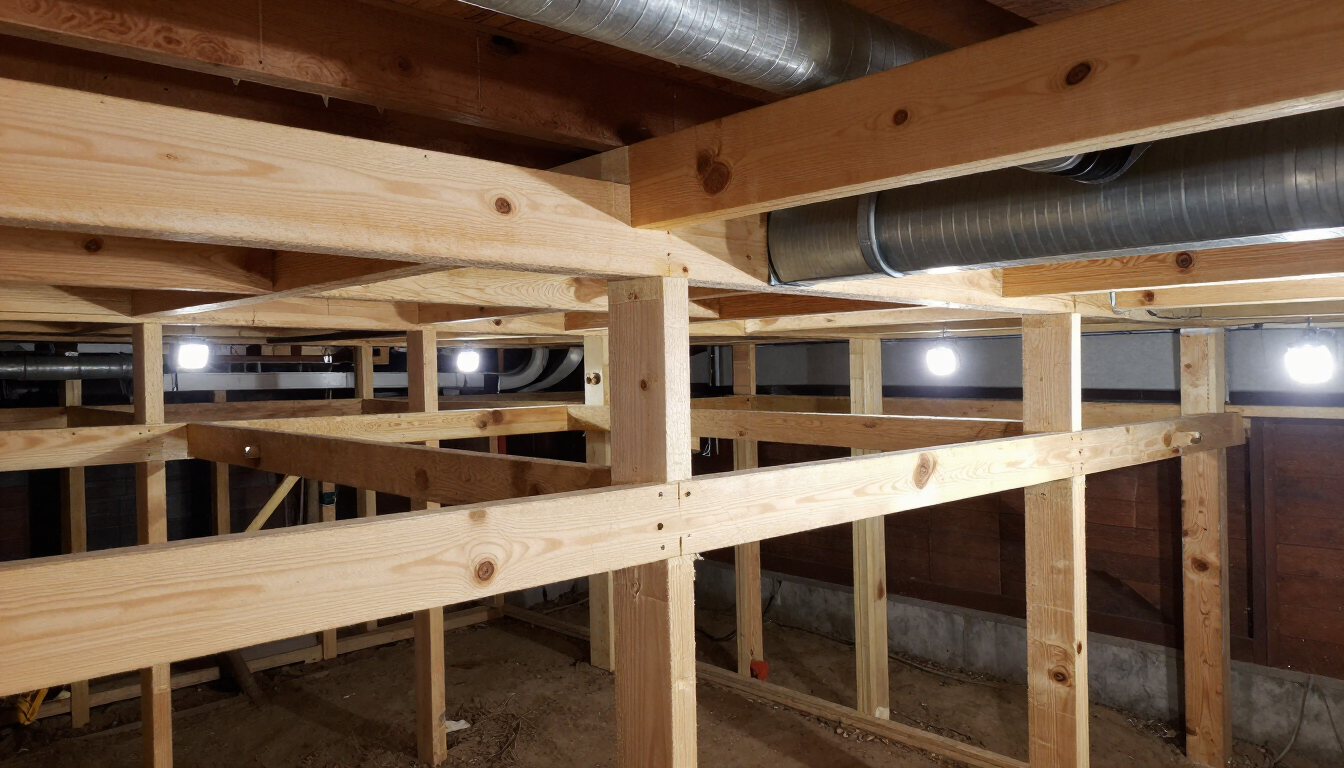
Structural floor repair in progress

Preventing Moisture Issues in Southern MD Homes

Prevention is always more cost-effective than restoration. To protect your subfloors from future moisture damage, consider the following steps:

  1. Encapsulate Your Crawl Space: This is the most effective way to stop ground moisture from affecting your subfloors.
  2. Monitor Humidity: Keep indoor humidity levels below 50% to prevent condensation and mold growth.
  3. Inspect Plumbing Regularly: Check for slow leaks under sinks and around toilets that could be seeping into the floor.
  4. Maintain Your Foundation: Ensure that Foundation Crack Repair is handled promptly to prevent groundwater intrusion.

Living in the humid climate of Southern Maryland requires a proactive approach to home maintenance. By addressing dampness the moment it is detected, you can prevent a small leak from turning into a major structural renovation.

Final Takeaways for Homeowners

Dealing with a damp or spongy carpet can be stressful, but understanding the underlying risks helps you take the right action. If your flooring feels uneven or holds a musty odor, the subfloor is likely under threat from moisture and mold.

  • Act Fast: Mold begins growing within 24-48 hours of moisture exposure.
  • Check Below: Moisture often comes from the crawl space or foundation, not just leaks.
  • Verify Licensing: Ensure your contractor can handle both mold removal and structural wood replacement.
  • Prioritize Safety: A spongy floor is a weakened floor that requires professional evaluation.

If you are concerned about the integrity of your floors or have discovered mold under your carpet, Contact Home Restoration Services today. We serve all of Southern MD, providing expert solutions that restore your home's safety and value.

Recent Posts

A professionally encapsulated and clean crawl space in Maryland.
November 9, 2026
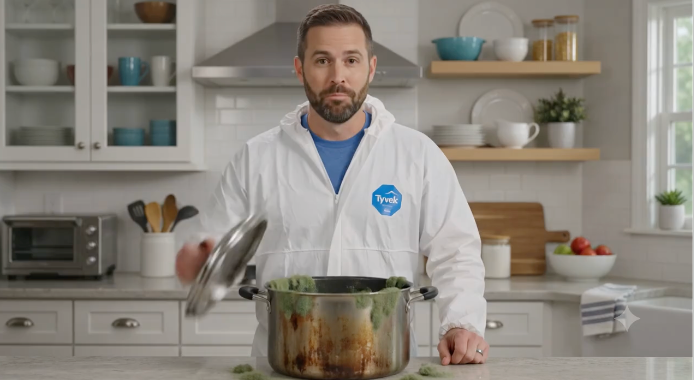
Don't just put a lid on a dirty pot! Learn why mold encapsulation requires a clearance plan, moisture control, and professional remediation in Southern Maryland.
Water damage in a Southern Maryland home living room
November 2, 2026
Learn how to manage your water damage claim fast in Southern MD. Avoid claim limbo with our expert guide on mitigation, documentation, and restoration.

A humorous look at a homeowner discovering mold in a Southern Maryland basement.
October 19, 2026
Stop ignoring the damp smell! Learn how Southern MD homeowners tackle mold remediation, water damage, and crawl space issues with professional help & a bit of humor.
Professional inspecting home for mold in Southern Maryland
October 15, 2026
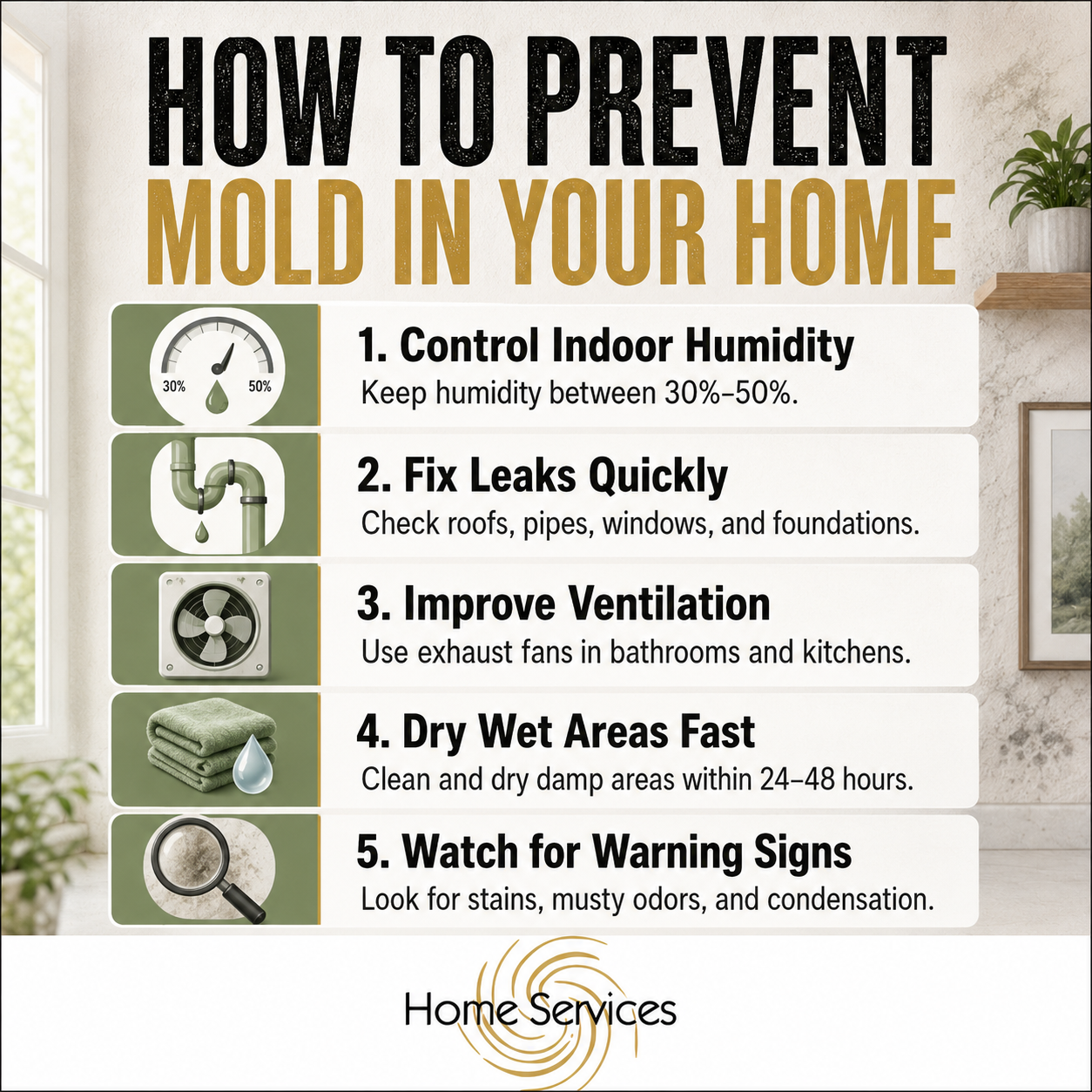
Learn how to control mold in your Southern MD home with our comprehensive guide. Explore moisture management, dehumidification tips, and professional remediation.
Professional mold inspection in a Southern Maryland home attic
October 6, 2026
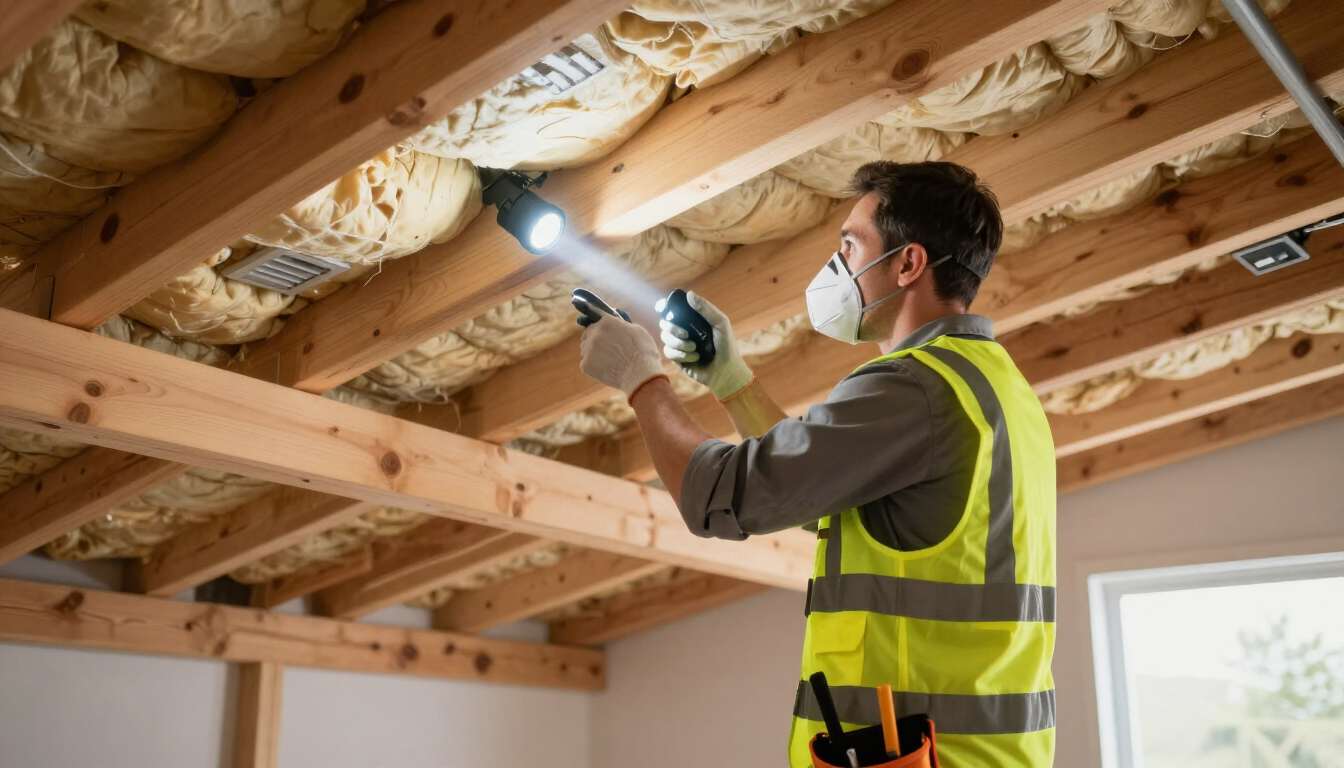
Finding mold can be a nightmare. Learn why professional mold removal in Southern MD is essential for structural safety and long-term home health.
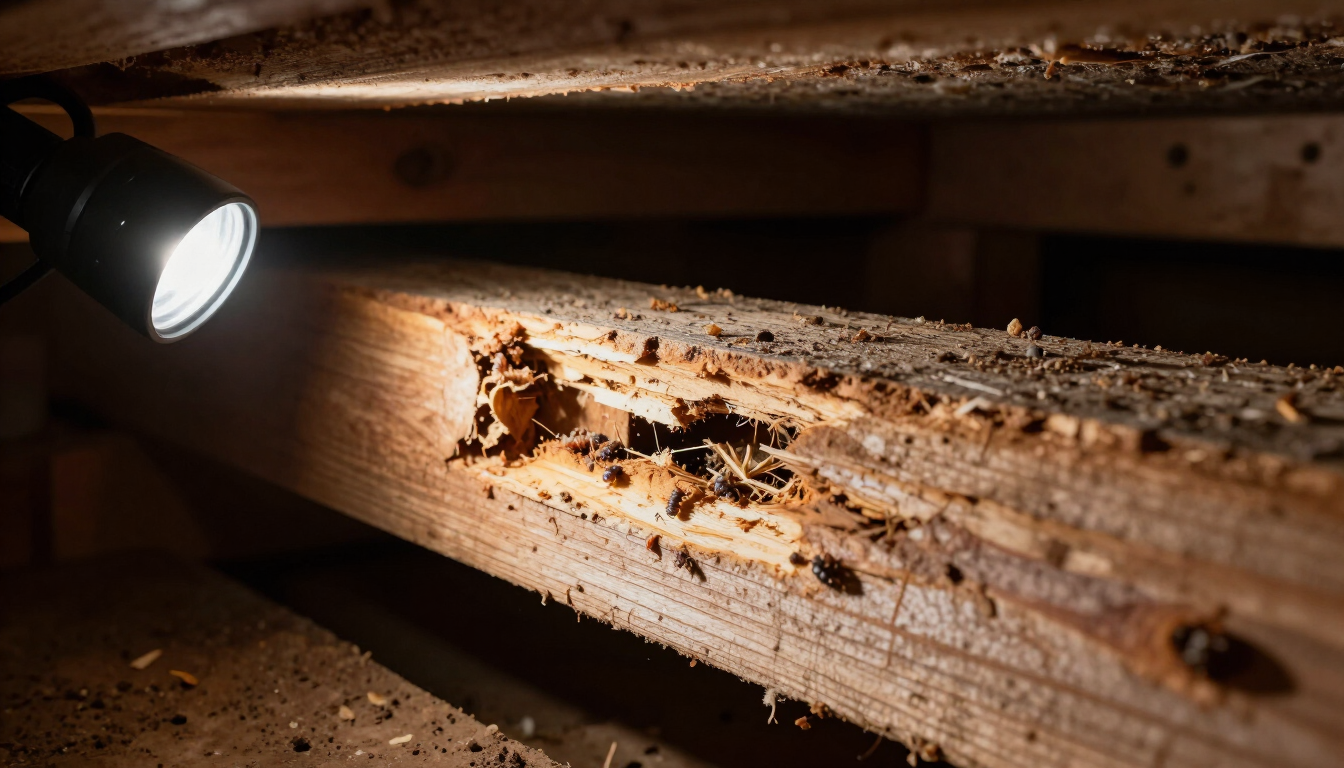
Professional termite treatment service
October 1, 2026
Don't rely on DIY sprays. Learn why professional termite damage treatment is essential for Southern MD homes and how to handle structural repairs.
Close up of termite damage in damp wood structure
September 5, 2026
Learn how Southern Maryland's high humidity attracts termites and discover effective prevention strategies like crawl space encapsulation and moisture control.
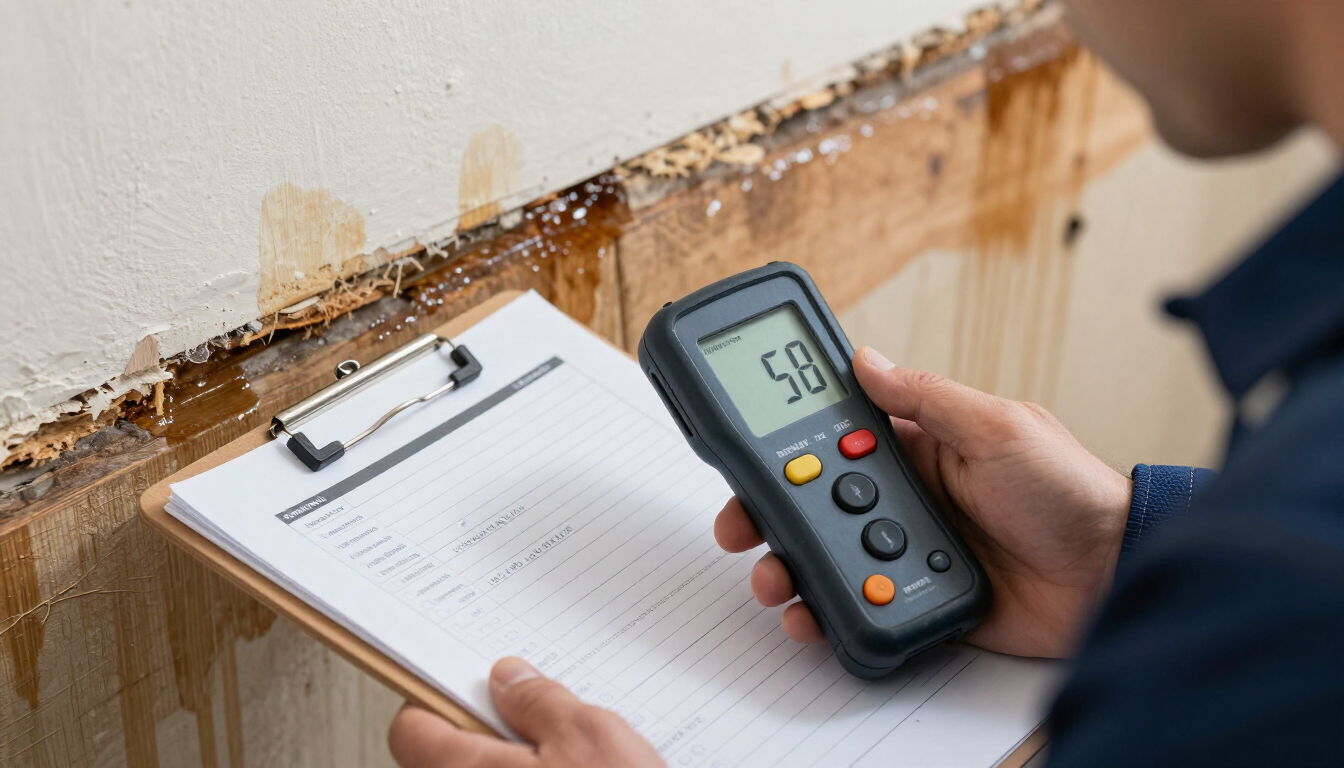
Professional water damage documentation with moisture meter and clipboard
September 4, 2026
Learn how to document water damage properly in 48 hours to speed up your insurance claim. Get a moisture map, drying plan, and estimate template.
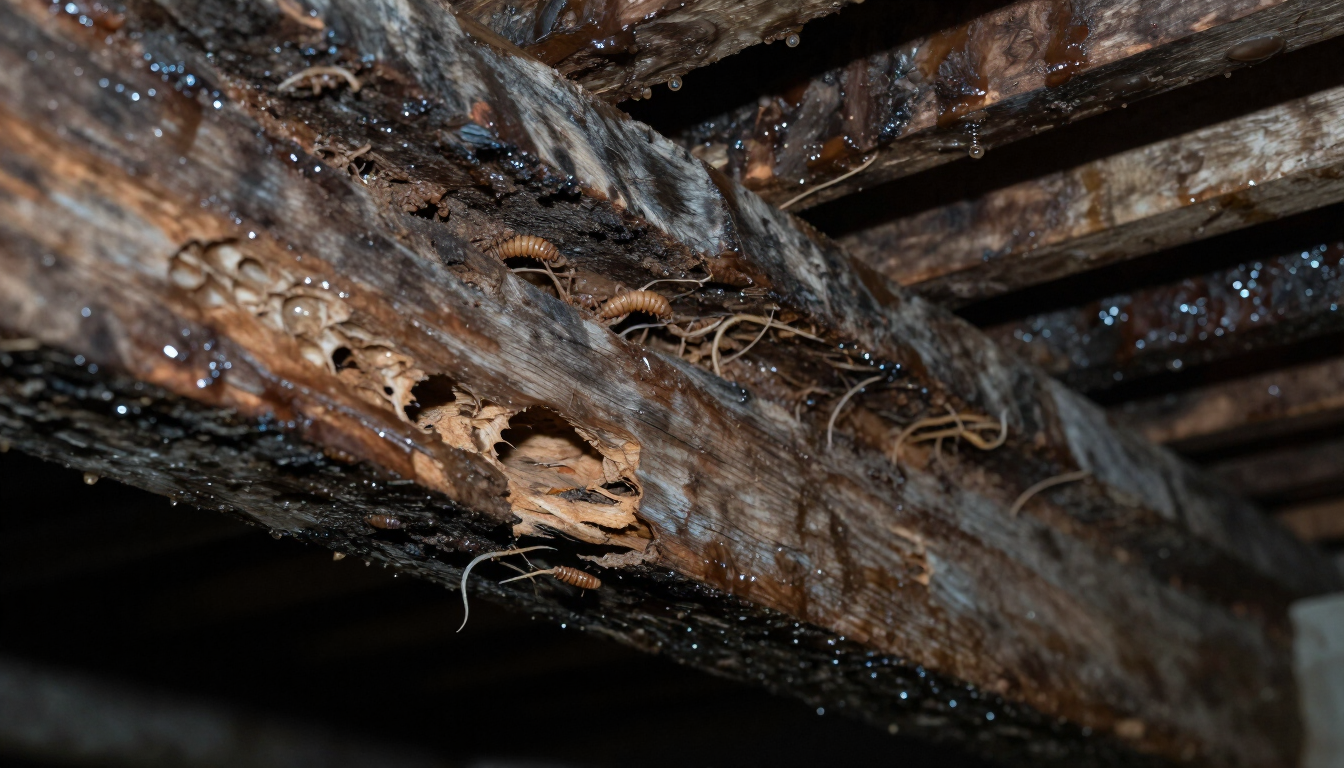
Close-up of termite mud tubes on a damp concrete foundation wall.
September 3, 2026
Learn why Southern MD's high humidity and high water table make your home a prime target for termites, and how moisture control can protect your property.
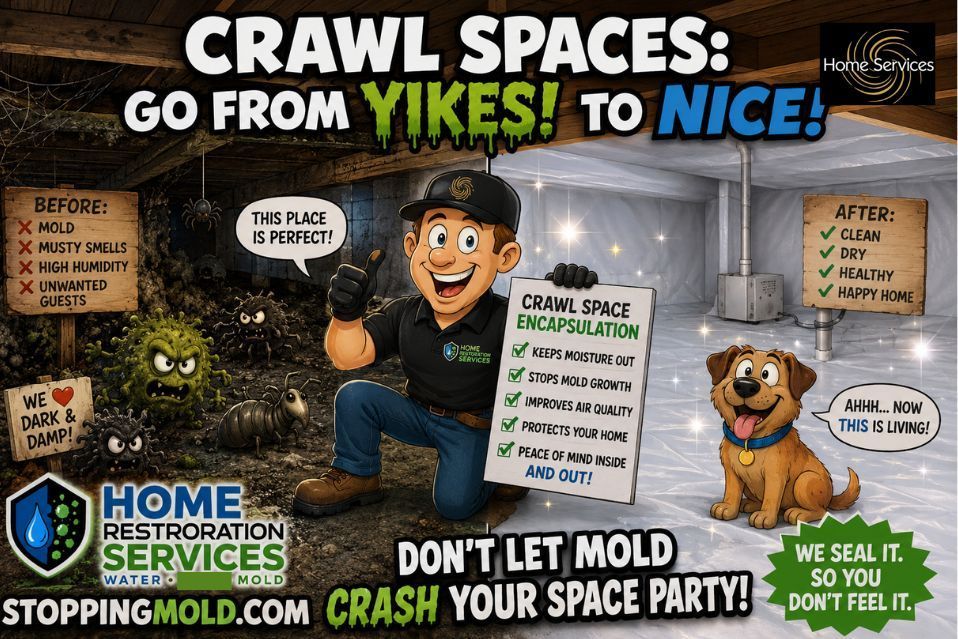
Professional crawl space encapsulation in Southern Maryland featuring a clean vapor barrier.
September 2, 2026
Learn why crawl space encapsulation in Southern MD is essential for home health. Discover the benefits, process, and costs for sealing your crawl space.

Show More