
Beyond Mold Removal: Why MHIC Licensing Matters (in 2026)

Share this article

Professional mold restoration goes beyond simple spore removal; it involves identifying and repairing the structural damage caused by long-term moisture. By hiring an MHIC licensed contractor (MHIC #143012), homeowners ensure that their property undergoes comprehensive mold remediation alongside complex structural repairs, foundation sealing, and full-scale remodeling to restore the home's safety and value.

Why is an MHIC license necessary for mold remediation?

When most homeowners think of mold, they think of a cleaning problem. They imagine a technician in a hazmat suit spraying chemicals and wiping down walls. While that is a part of the process, it is often just the tip of the iceberg. In Southern MD , the high humidity and heavy rains frequently lead to issues that penetrate deep into the home’s skeleton. This is where the distinction between a simple cleaner and a licensed home improvement contractor becomes critical.

A Maryland Home Improvement Commission (MHIC) license, specifically held by Home Restoration Services (MHIC #143012), authorizes a professional to perform more than just cleaning. It allows for the legal execution of structural changes, repairs, and full-scale construction. Without this license, a company cannot legally repair the joists that have rotted due to mold or reconstruct a wall that was torn down during the mitigation process. For the homeowner, this means:

  • Legal Protection : Ensuring the contractor meets state standards and carries proper insurance.
  • One-Stop Solutions : Eliminating the need to hire a separate carpenter after the mold is gone.
  • Structural Safety : Proper assessment of whether a home's load-bearing components are compromised.
  • Long-Term Value : Repairs that meet building codes and pass future home inspections.
  • Comprehensive Accountability : One team handles the project from the initial tear-out to the final coat of paint.
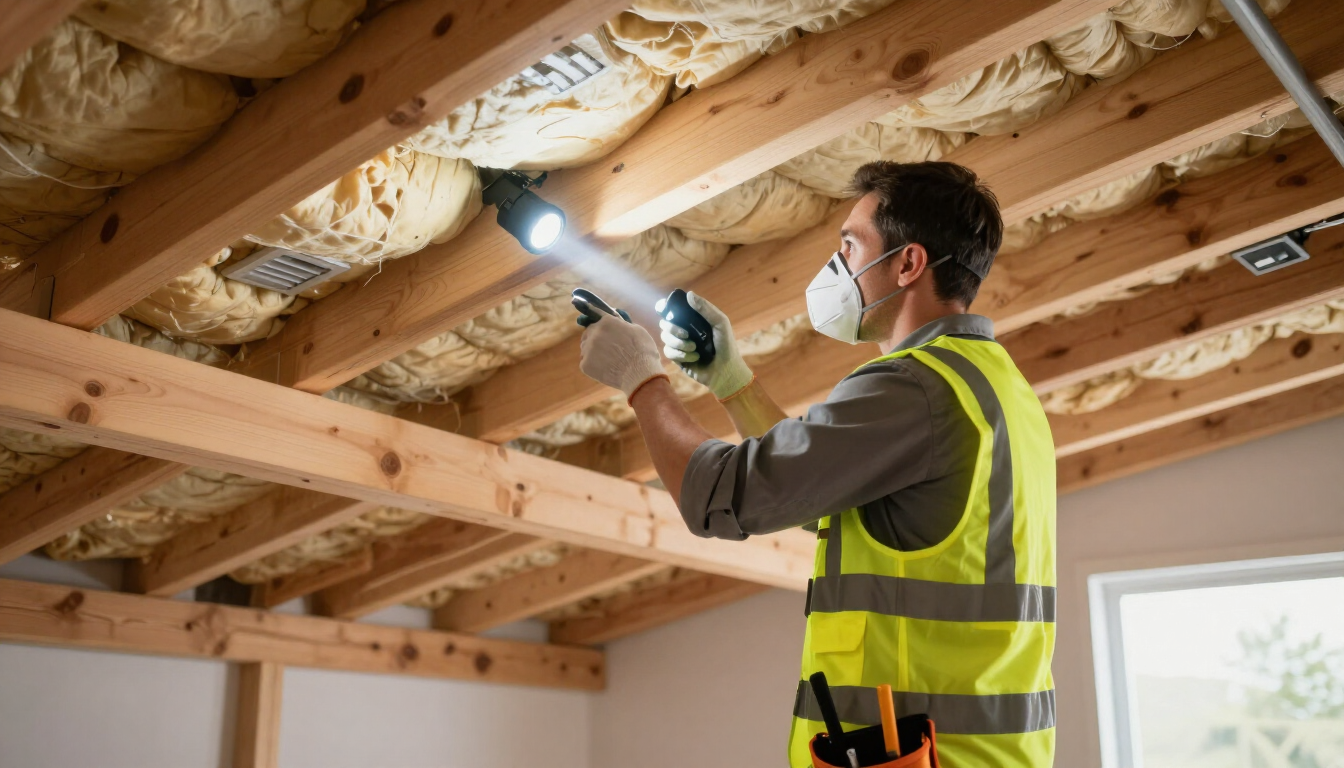
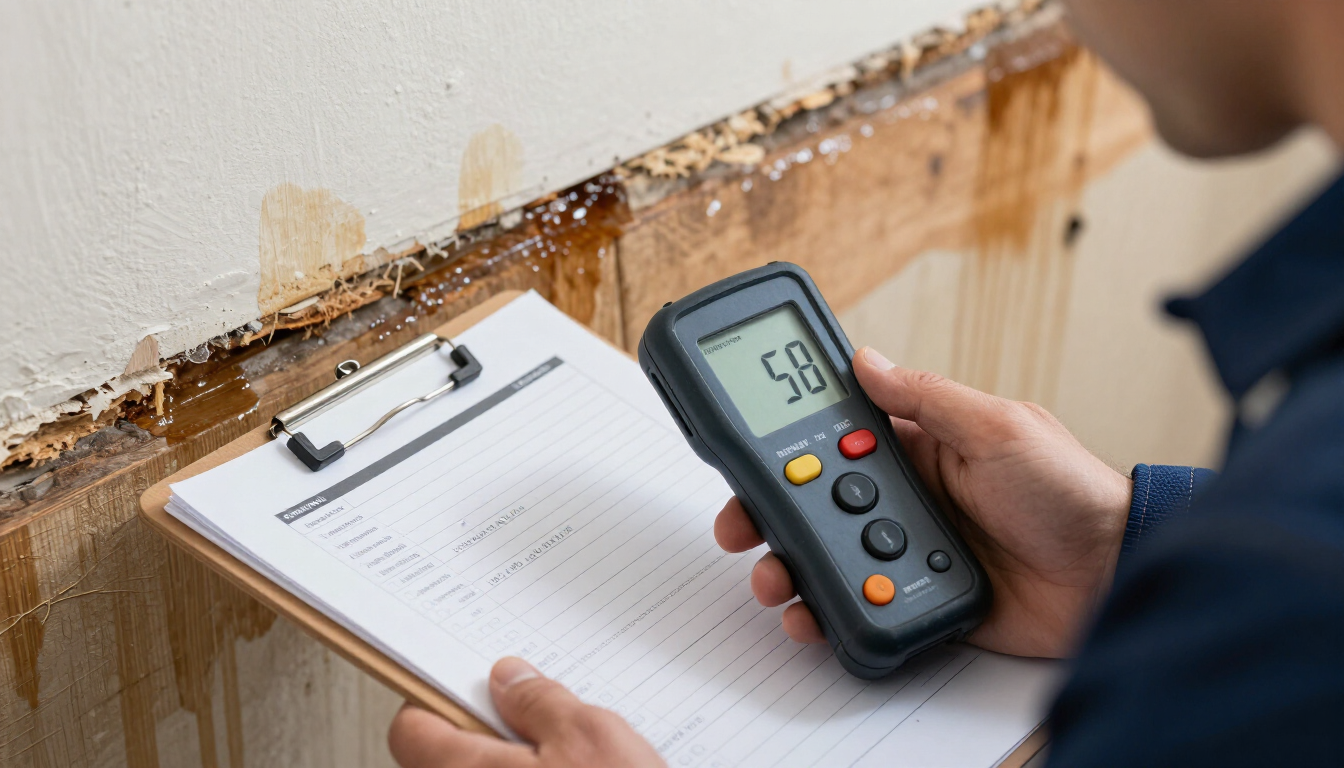
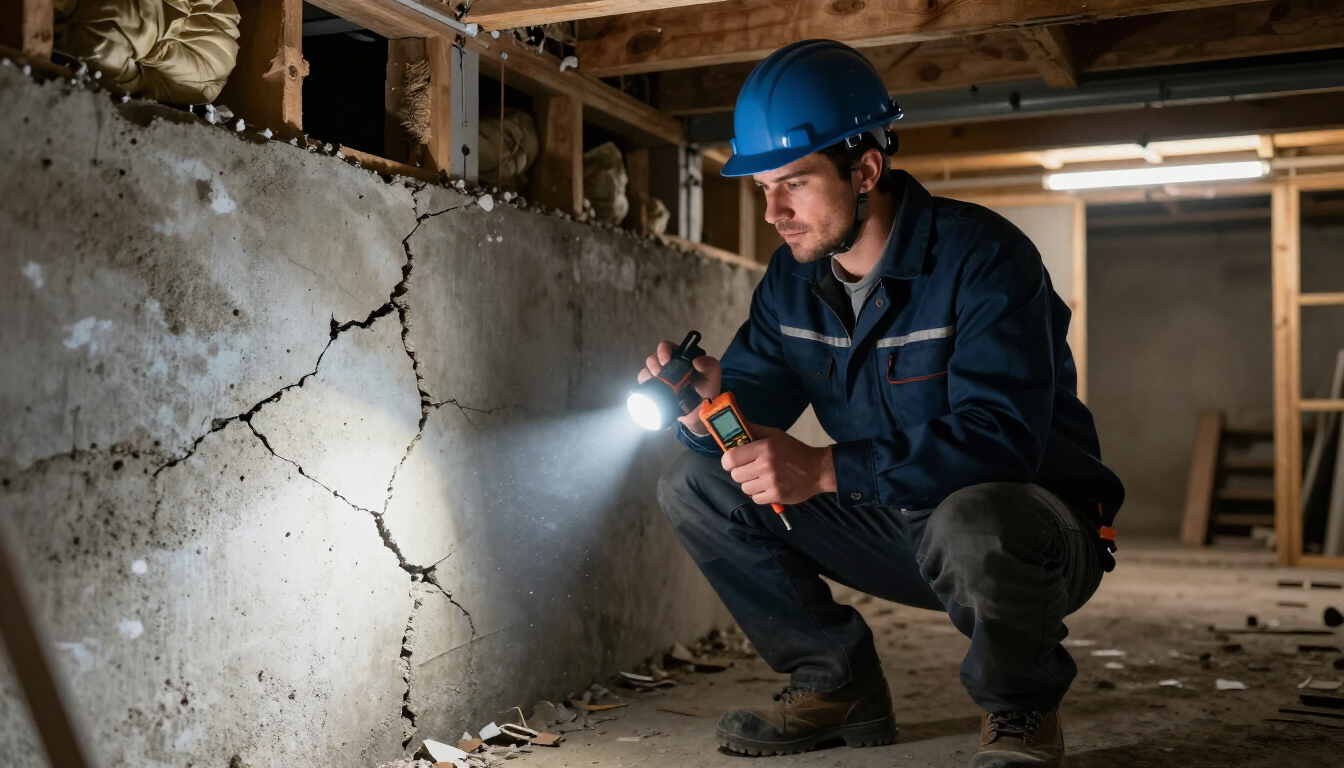
Contractor inspecting structural damage

Beyond Remediation: Restoring Structural Integrity

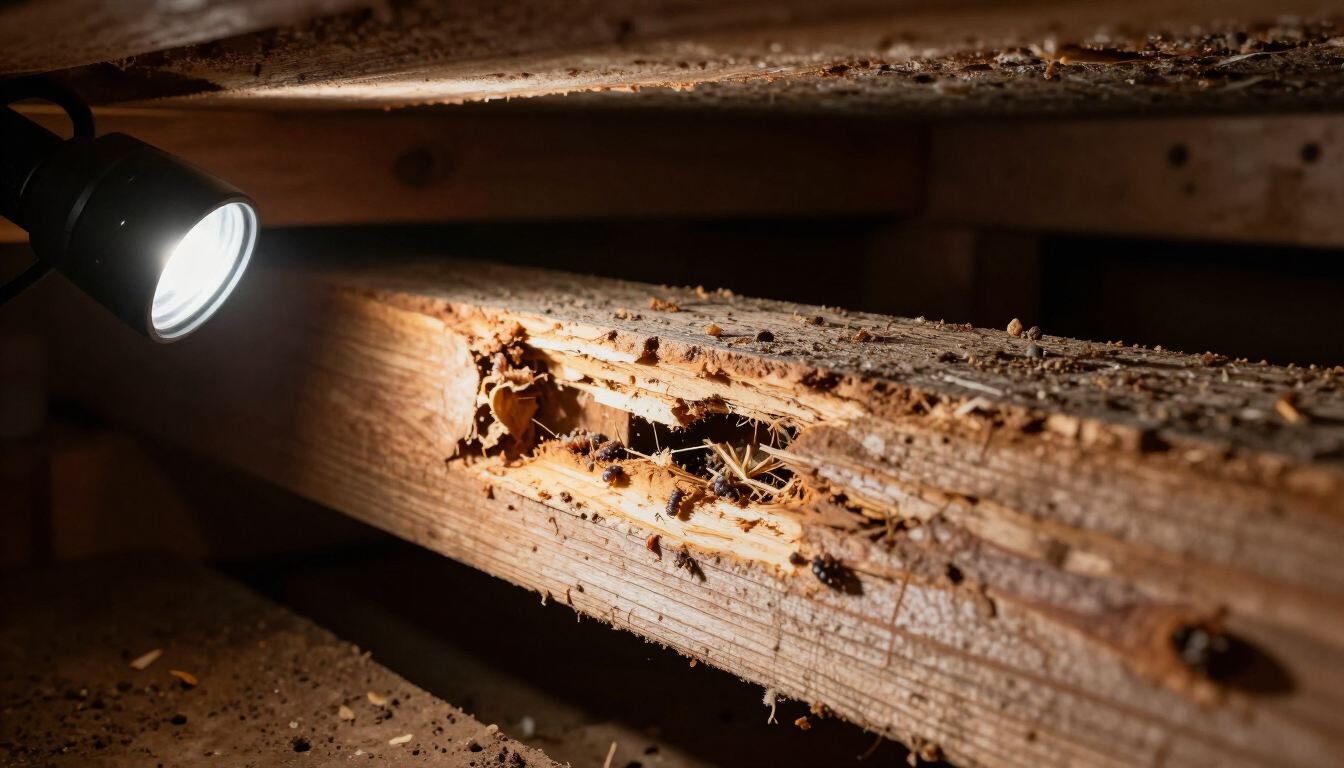
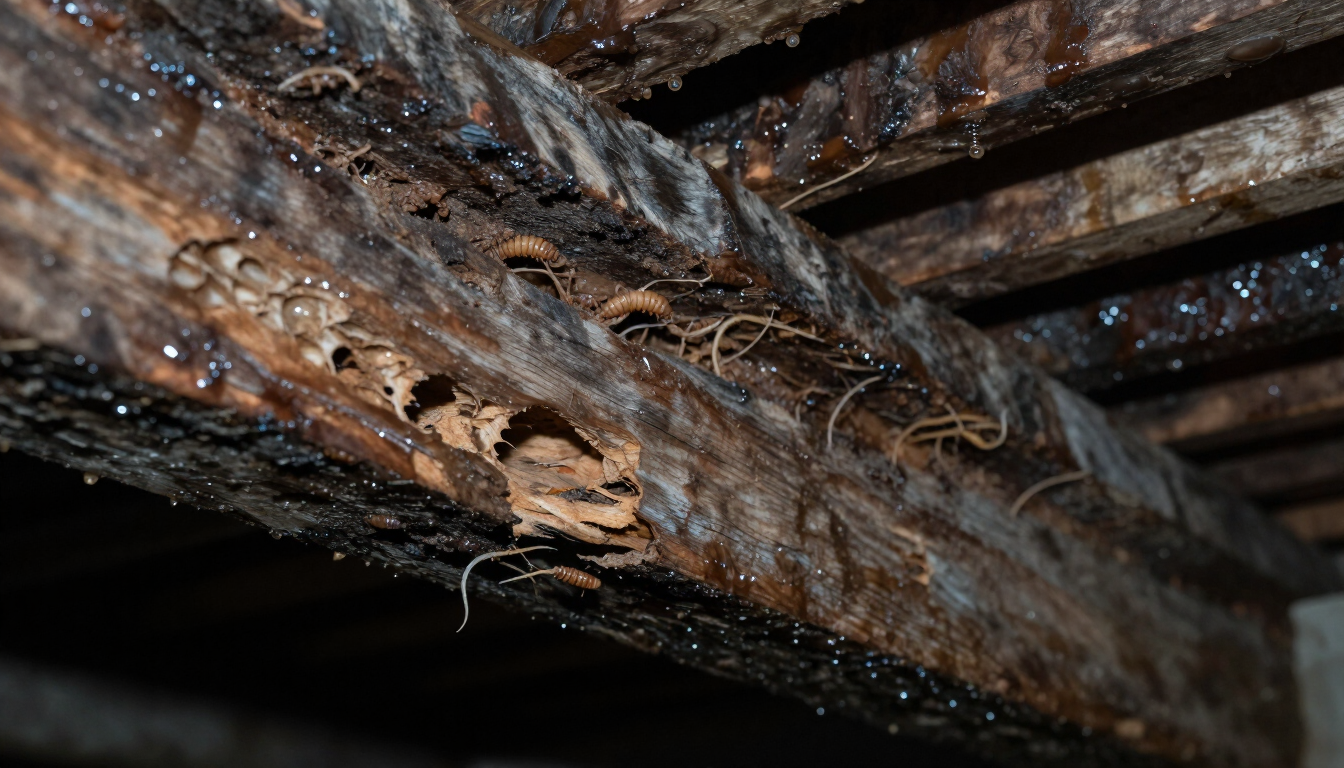
Mold doesn't just sit on the surface; it eats. Specifically, certain types of mold thrive on the cellulose found in wood framing, floor joists, and subflooring. When mold has been present for an extended period, the organic material it feeds on begins to lose its density and strength. Simply killing the mold does not restore the strength of a compromised beam.

This is why structural repairs are a non-negotiable part of the restoration process. A licensed contractor can evaluate the "bounce" in a floor or the sag in a ceiling and determine if the underlying wood needs to be replaced or reinforced. Often, this involves "sistering" new joists to old ones or replacing sections of the sill plate—the horizontal piece of lumber that sits directly on the foundation. These are complex tasks that require a deep understanding of load distribution and local building codes.

How does wall strapping save a failing foundation?

One of the most concerning side effects of water damage and mold in a basement is the impact on the foundation walls. Hydrostatic pressure—the force of water in the soil pushing against your home—can cause basement walls to bow or tilt inward. If left unaddressed, this can lead to catastrophic structural failure.

Foundation wall repair , specifically using wall strapping, is a specialized solution offered by licensed restoration experts. Using high-strength carbon fiber or steel straps, contractors can stabilize a bowing wall, preventing further movement. This process is often integrated with mold remediation because the same moisture causing the mold is likely the culprit behind the foundation pressure.

Homeowners in Charles County MD and Calvert County MD often deal with clay-heavy soils that expand and contract significantly. For these residents, wall strapping provides:

  • Non-Invasive Stabilization : Strengthening walls without the need for major excavation.
  • Low Profile : Straps can often be painted over or hidden behind finished walls.
  • Permanent Results : High-tensile strength materials that do not stretch or corrode over time.
  • Foundation Longevity : Preventing the total collapse of a basement wall.
  • Integrated Moisture Control : Coupling the repair with better drainage to stop the cycle of decay.

Comprehensive Crawl Space and Attic Restoration

Crawl spaces and attics are the "hidden" parts of a home where mold loves to hide. Because they are rarely visited by homeowners, mold can flourish for years before it is discovered. A simple remediation company might spray the area, but a full restoration service looks at the environment as a whole.

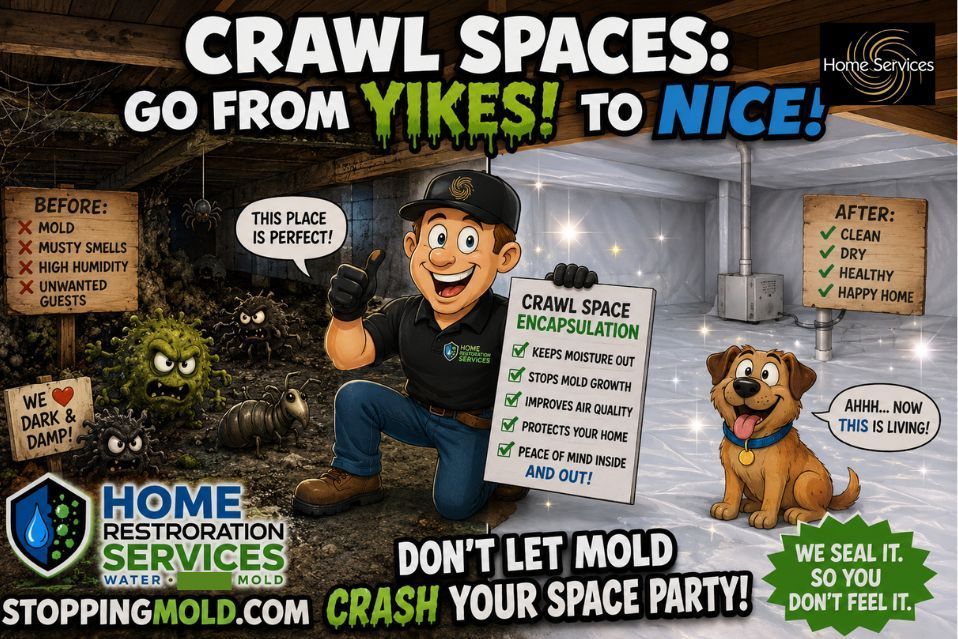
Crawl space & attic services include more than just cleaning. It involves the removal of contaminated insulation, which often acts as a sponge for mold spores and moisture. It also includes the installation of vapor barriers and advanced dehumidification systems. In more severe cases, it requires the replacement of the floor joists or the subfloor above the crawl space. By sealing the crawl space and ensuring the attic has proper ventilation, you aren't just getting rid of mold; you are changing the environment so that mold can never return.

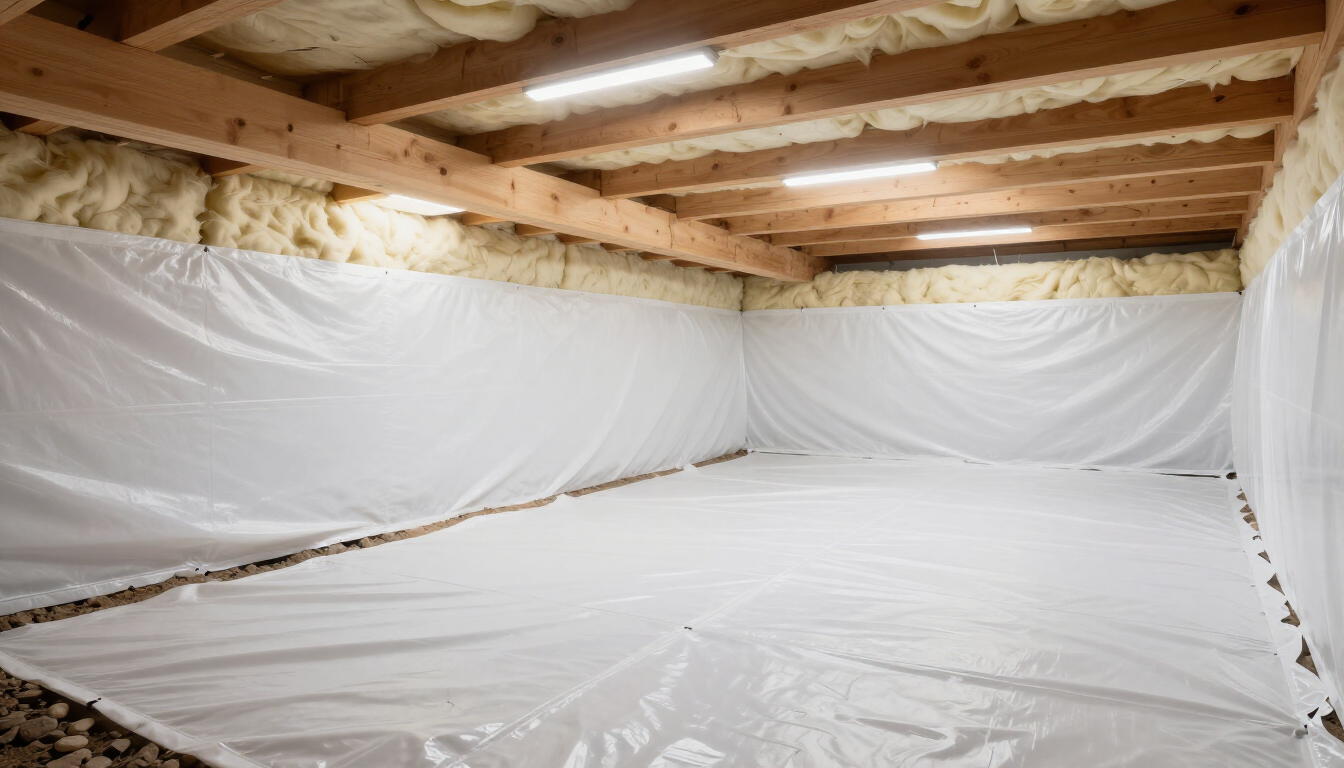
Clean encapsulated crawl space

Why is foundation crack sealing vital for moisture control?

Mold remediation is a temporary fix if water continues to seep through the foundation. Cracks in a foundation, whether they are hairline or significant gaps, act as highways for groundwater. Once water enters, it creates the perfect damp environment for mold to thrive behind drywall or under flooring.

Foundation crack repair is a critical step in the "Beyond Remediation" philosophy. A licensed professional doesn't just patch the surface with hardware-store caulk. They use industrial-grade epoxy or polyurethane injections that penetrate the full depth of the wall. This creates a waterproof seal that moves with the house, ensuring that the moisture source is eliminated.

In St. Marys County MD , where the water table can be high, sealing these cracks is the first line of defense in a water damage mitigation plan. Without a sealed foundation, the money spent on mold removal is essentially wasted, as the next heavy storm will likely restart the growth cycle.

Transforming Ruined Spaces with Full-Scale Remodeling

Sometimes, the damage caused by water and mold is so extensive that a room must be gutted. This is a stressful reality for many homeowners, but it also presents an opportunity. Because Home Restoration Services is a licensed contractor, they can move directly from the "destruction" phase of mold removal into the "creation" phase of remodeling .

Whether it’s a basement that needs to be completely finished after a flood or a kitchen that requires new cabinetry and flooring due to a hidden leak, the transition is seamless. You don't have to manage multiple subcontractors or worry about whether the new builder understands the mold history of the home. The same team that ensured the space is healthy and dry is the team that builds it back to your specifications.

  • Kitchen & Bath Restoration : Replacing water-damaged cabinets and vanities with modern, moisture-resistant options.
  • Finished Basements : Turning a damp, dark storage area into a vibrant living space.
  • Flooring Upgrades : Installing durable materials that can withstand the unique climate of Maryland.
  • Drywall and Paint : Professional finishes that make the damage a distant memory.
  • Modern Layouts : Using the restoration as a chance to improve the flow and function of your home.
Renovated living room

Choosing the Right Partner for Your Home’s Future

When dealing with the aftermath of water damage or a mold infestation, the goal shouldn't just be to return to "normal." The goal should be to make the home better, stronger, and more resilient than it was before. For homeowners across the tri-county area, this means looking for a partner who understands the intersection of biology (mold growth) and engineering (structural repair).

By choosing a contractor with a Maryland Home Improvement Commission license, you are investing in the long-term health of your property. You are ensuring that every crack in the foundation is sealed, every sagging joist is reinforced, and every inch of the restoration is handled with professional precision. Don't settle for a quick fix when you can have a full-scale restoration that protects your family and your investment for years to come.


FAQs: Beyond Mold Removal — Why MHIC Licensing Matters

  • What is an MHIC license and why does it matter for mold restoration?

    MHIC stands for Maryland Home Improvement Commission. A contractor holding this license is legally authorized to perform not just mold cleaning, but also structural repairs, construction, and full-scale renovations. Without it, a company cannot legally replace rotted joists, reconstruct walls, or perform the structural work that comprehensive mold restoration often requires.

  • Can't I just hire a mold removal company and a separate contractor for the repairs?

    You can, but it creates complications. Managing two separate contractors means more coordination, potential gaps in accountability, and the risk that your new builder won't fully understand the mold history of the space. An MHIC-licensed restoration company handles everything — from initial tear-out through final remodeling — under one roof.

  • Does killing mold fix the structural damage it caused?

    No. Certain mold types feed on the cellulose in wood framing and floor joists, breaking down their density and strength over time. Simply eliminating the mold does not restore a compromised beam or joist. A licensed contractor needs to evaluate and reinforce — or replace — any load-bearing components that have been weakened.

  • What is wall strapping and when is it needed?

    Wall strapping involves securing high-strength carbon fiber or steel straps to a bowing or tilting basement wall to stop further movement. It's often needed when hydrostatic pressure — water in the surrounding soil pushing against the foundation — has caused the wall to shift inward. It's frequently addressed alongside mold remediation, since the same moisture causing the mold is usually responsible for the wall pressure.

  • Why is foundation crack repair considered part of mold remediation?

    Because mold remediation is only a temporary fix if water keeps entering the home. Cracks in the foundation act as entry points for groundwater, creating the damp conditions mold needs to grow back. Professional crack repair uses industrial-grade epoxy or polyurethane injections that seal the full depth of the wall — not just the surface — cutting off the moisture source that fuels mold growth.

  • What happens to my crawl space or attic after mold is removed?

     A thorough restoration goes beyond spraying and cleaning. Contaminated insulation — which holds moisture and mold spores — is removed and replaced. Vapor barriers are installed, dehumidification systems are added, and in severe cases, floor joists or subflooring may be replaced. The goal is to change the environment so mold can't return, not just eliminate what's already there.

  • What if the mold damage is so bad that a room has to be completely gutted?

    That's actually where an MHIC-licensed contractor provides a real advantage. Because the same team handles both remediation and remodeling, they can move directly from the gut-out phase into rebuilding — finishing the basement, installing new flooring, replacing cabinetry, and completing drywall and paint — without you needing to bring in a separate contractor who has no context on the mold history of the space.

  • What should Southern Maryland homeowners specifically look for in a restoration contractor?

    Look for MHIC licensing, which confirms the contractor can legally perform structural repairs in Maryland. Also look for certifications like IICRC (mold and water damage) and NADCA (air duct cleaning), as well as local experience with Southern Maryland's high humidity, clay-heavy soils, and seasonal rainfall — all of which contribute to moisture problems that generic contractors may not be equipped to address long-term.

Key Takeaways for Homeowners

  • Licensed Advantage : An MHIC license (#143012) allows for both mold removal and structural reconstruction.
  • Root Cause Focus : Restoration involves fixing foundation cracks and moisture sources, not just cleaning spores.
  • Structural Safety : Long-term mold exposure requires an expert to evaluate and repair load-bearing components.
  • Seamless Transitions : A licensed contractor can handle the entire process from water damage mitigation to final remodeling.
  • Regional Expertise : Specialized knowledge of Southern MD’s unique climate and soil conditions is essential for permanent repairs.

Recent Posts

Official professional certifications for home restoration and mold removal services.
June 9, 2026
Discover the essential home restoration certifications, including IICRC, NADCA, and MHIC, that ensure your home's safety and structural integrity after water or mold damage.
danger sign
By Deborah Naugle March 22, 2026
Understand the long-term dangers of mold damage. Learn how persistent growth impacts respiratory health, structural integrity, and the value of your property.
water restoration
By Deborah Naugle March 22, 2026
Learn how to choose the right water damage restoration company. Discover essential tips for vetting professionals to ensure your home is dried and mold-free.
mold spore
By Deborah Naugle March 22, 2026
Learn the basics of mold restoration with our beginner's guide. Discover how to identify infestations, follow safety steps, and restore your home's air quality.
drywall repair
By Deborah Naugle March 22, 2026
Learn whether to repair or replace water-damaged drywall. Discover how to identify structural issues and mold risks to ensure your home remains safe and dry.
maryland storm
By Deborah Naugle March 22, 2026
Prepare your Maryland home for storm season. Learn essential tips for flood prevention, roof maintenance, and mold protection to stay safe during East Coast storms.
dandilion
By Deborah Naugle March 22, 2026
Discover how summer pollutants like high humidity, pollen, and ozone impact your indoor air quality. Learn expert tips to breathe easier and keep your home safe.
business fire
By Deborah Naugle March 22, 2026
Learn the essential steps to repair your home or business after a fire. From structural assessment to soot removal, discover how to restore your property safely.
mushroom spore
By Deborah Naugle March 22, 2026
Master mold remediation with our ultimate guide. Learn expert tips, safety protocols, and the best practices to effectively remove mold and protect your home.
mold spores
By Deborah Naugle March 22, 2026
Identify the most common causes of household mold, from high humidity to hidden leaks. Learn how to spot moisture sources and prevent mold growth in your home.
Show More