Mold growth is one of homeowners’ and renters’ most common yet dangerous problems. From causing a musty smell throughout your home to exacerbating respiratory issues, mold growth can cause serious damage if left untreated.
Understanding the signs of mold growth in your attic, how it spreads, what causes it, and how to safely remove it from your home is essential. Read on for all the details you need to know about avoiding and removing attic mold.
What Are The Dangers Of Mold Growth In My Attic?
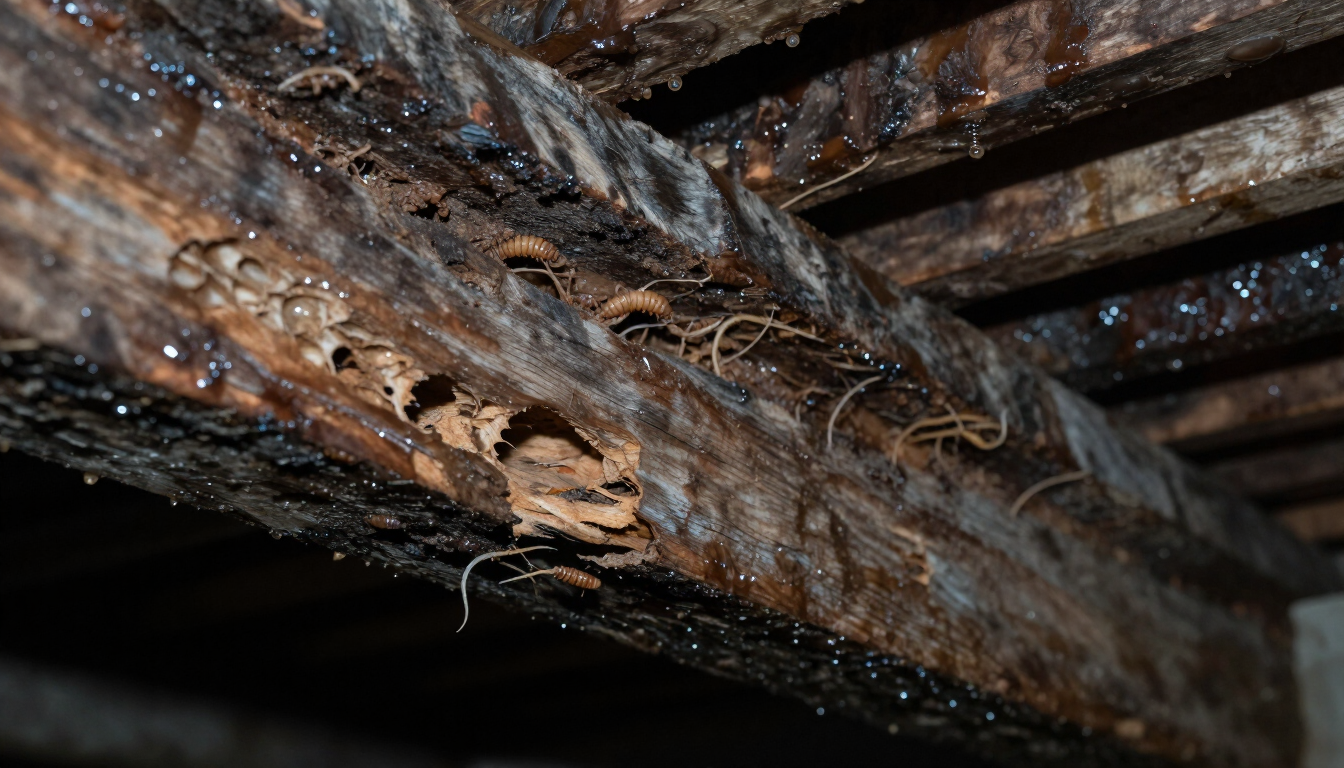
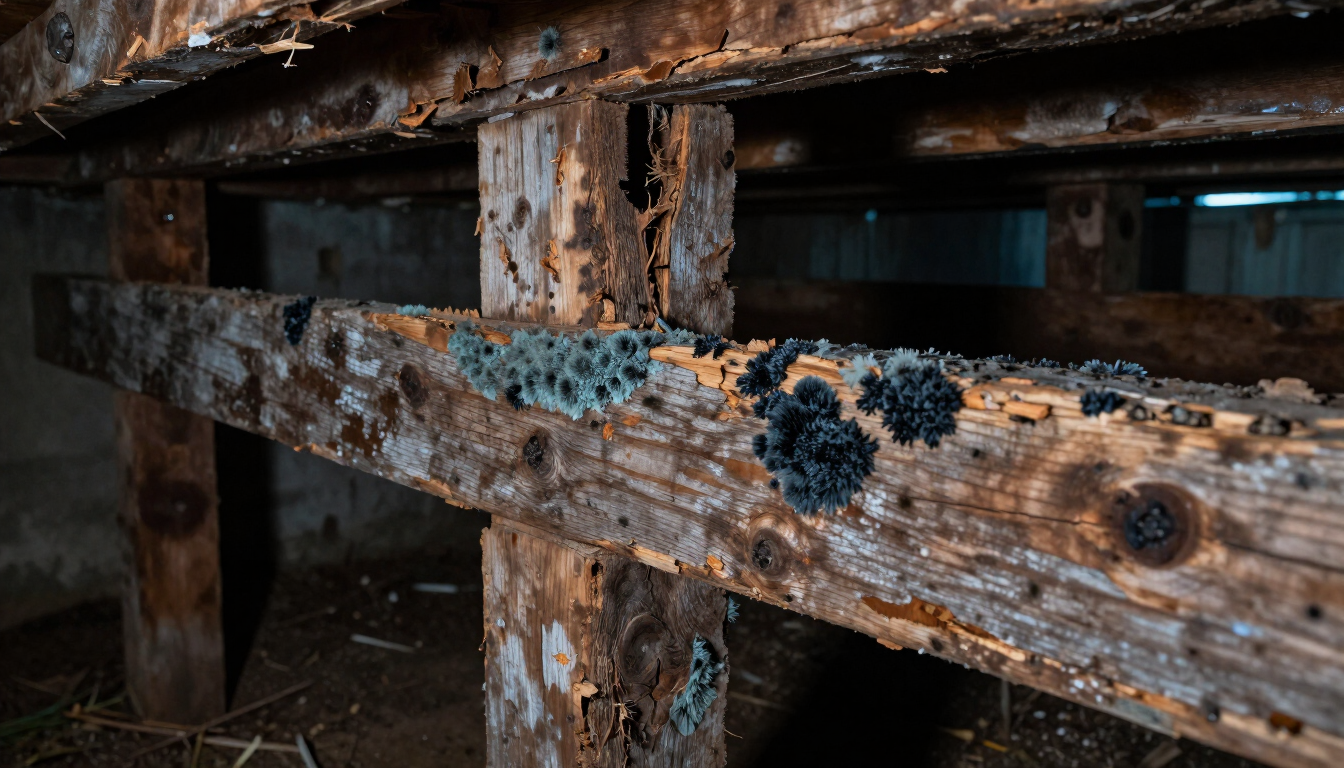
Mold growth in your attic isn’t just a cosmetic problem – it can also be hazardous to your health. Exposure to mold spores can cause an array of health problems, such as nasal congestion, coughing, wheezing, throat irritation, eye irritation, and skin irritation.
It can also exacerbate existing respiratory conditions like asthma and allergies. Additionally, because mold loves damp environments with poor ventilation, it can grow rapidly if left unchecked or untreated.
How Does Mold Spread In An Attic?
Mold typically grows when there is an area of excessive moisture in an environment without proper ventilation or circulation of air. This could be due to a leaking roof, leaking pipes in the walls, or leaks in the attic’s flooring that go unnoticed for extended periods. Mold spores are also easily spread through air vents and ducts, contributing to rapid mold growth throughout a home.
What Causes Mold Growth In Attics?
The three primary culprits behind mold growth in attics include:
- Moisture intrusion from outside sources (leaking roofs).
- Improper insulation levels that don’t allow for sufficient airflow or circulation within the attic space.
- Inadequate ventilation that fails to keep out humid air from entering the space through windows and doors.
Another potential contributor is condensation accumulation due to poor insulation levels near cold surfaces, such as pipes or water lines running through the attic space. In addition, attics located in climates with high humidity levels are more susceptible to mold growth than those in dry climates with low humidity levels.
How Can I Safely Remove Mold From My Home?
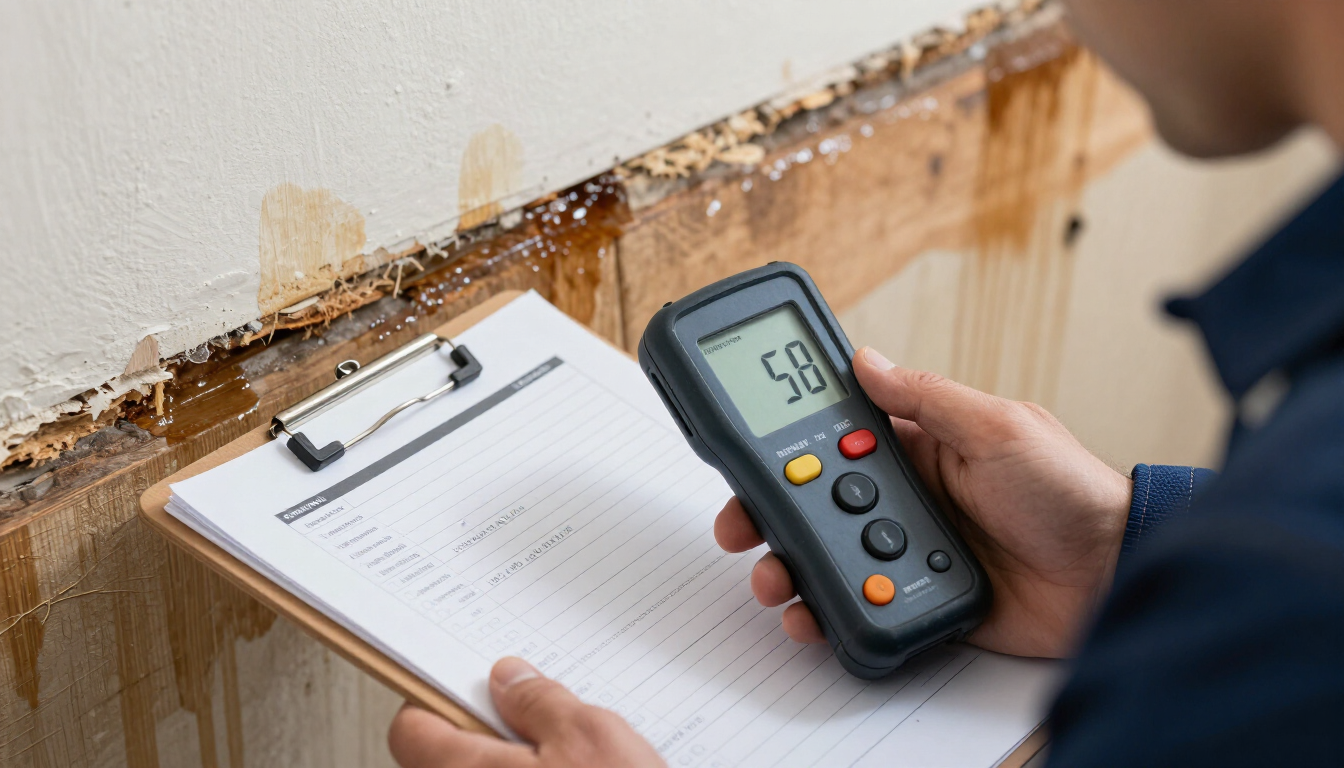
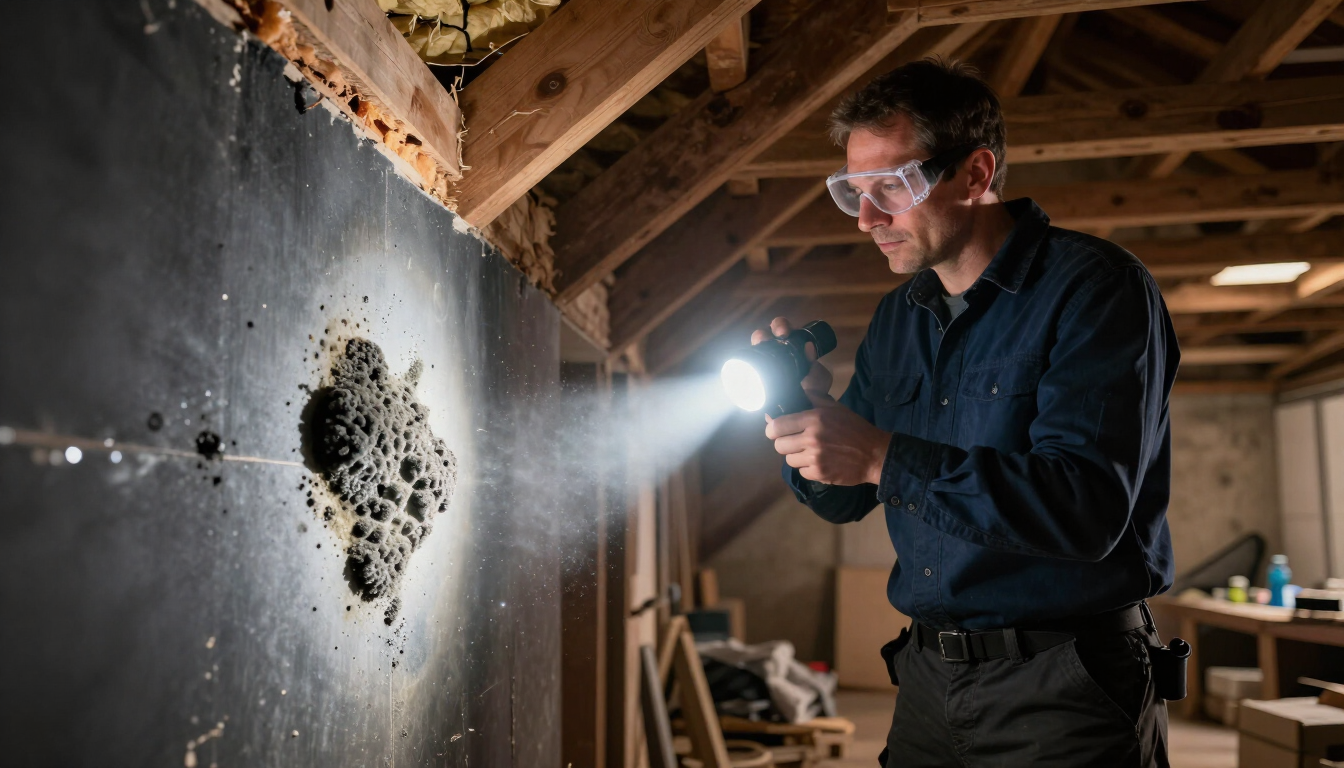
If you suspect that you have a problem with mold growth in your attic, you should take immediate action before it worsens or spreads further throughout the house. Start by identifying the source of moisture intrusion and taking steps to repair any leaks or cracks that may be present before attempting any remediation process for removing existing mold colonies from walls or ceilings in your home.
We suggest hiring a professional certified remediation specialist experienced at safely removing all types of molds from residential properties using specialized equipment like HEPA vacuums and antimicrobial solutions designed specifically for molds inside homes. This will ensure that all areas affected by mold are thoroughly cleaned while reducing any potential risk associated with getting rid of them yourself without proper training or experience.
Get Professional Mold Remediation from Home Services Restoration, LLC
With this comprehensive guide on understanding and removing mold from your attic, you now have everything you need to know about avoiding costly repairs down the line due to extensive damage caused by mold left untreated in your attic. Remember—if you suspect any water intrusion into your attic spaces that could lead to excess moisture buildup, it’s essential to act fast and address the problem before it spreads.
Identify the source quickly and rely on our team at Home Services Restoration, LLC to treat any affected areas immediately before the problem worsens. Don’t hesitate to call on our specialists at (240) 348-9566 to schedule an appointment for professional mold removal.