Learn Different Colors of Flood Water and What They Mean
Flood water can come in different colors, which can be an indication of the severity of the water damage.
Clear Water
This type of flood water is typically from a clean source like a burst pipe. It poses little to no threat and can be cleaned up easily.
Gray Water
This type of flood water is contaminated with chemicals or other substances that can cause illness if ingested. It is important to wear gloves and protective clothing when cleaning up gray water.
Black Water
This is the most dangerous type of flood water as it contains sewage and other harmful bacteria. It is important to call a professional if you have black water in your home.
Dry the Flooded Area Quickly
Once you have determined the severity of the water damage, it is important to dry the area as quickly as possible. This can be done with a wet/dry vacuum or by using fans and dehumidifiers. If the water is too much to dry on your own, a home restoration service will help you dry the affected area.
Remove Any Damaged Items
If any items in the flooded area are damaged, it is important to remove them from the home. This includes carpeting, upholstered furniture, and anything else that has been soaked through. Items made from porous materials like your carpets and sofa can become permanently damaged and grow mold and mildew from bacteria and moisture, so it’s best to keep a close eye on these items.
Assess for Mold and Mildew
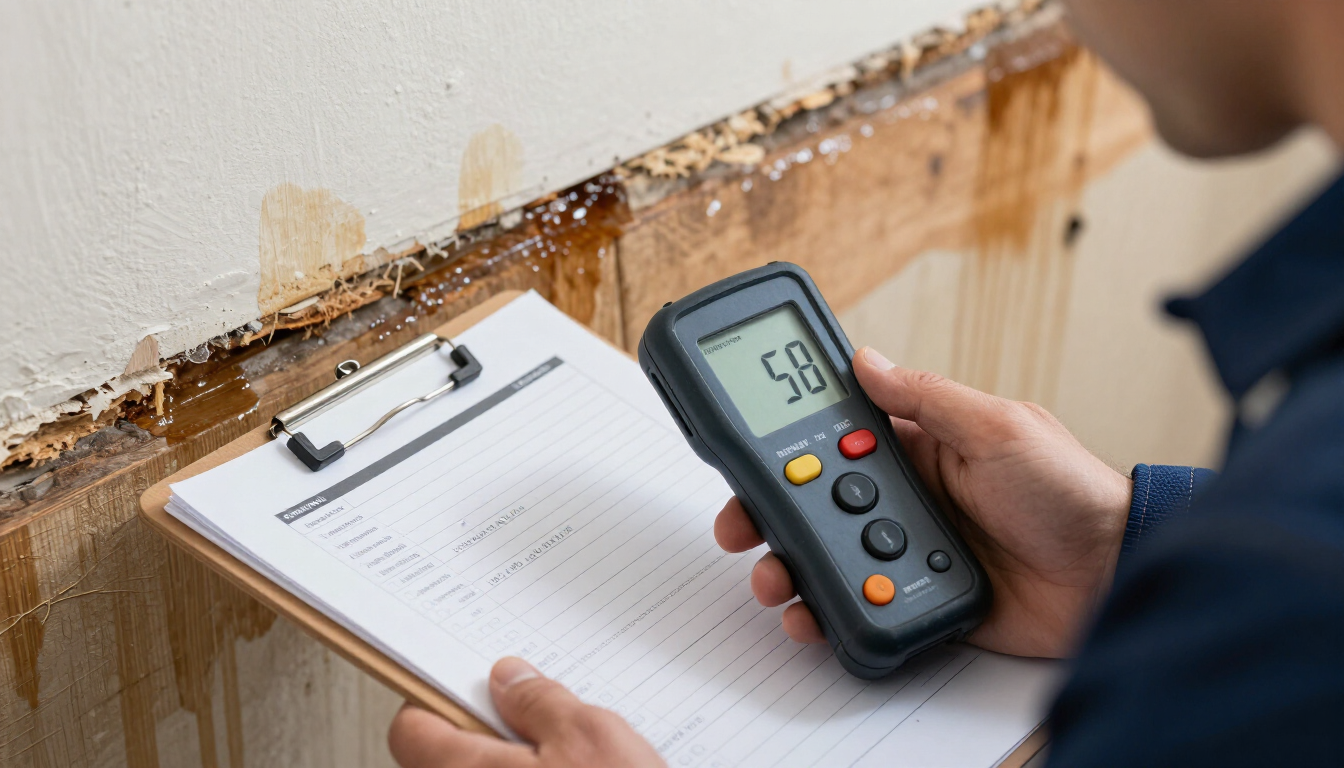
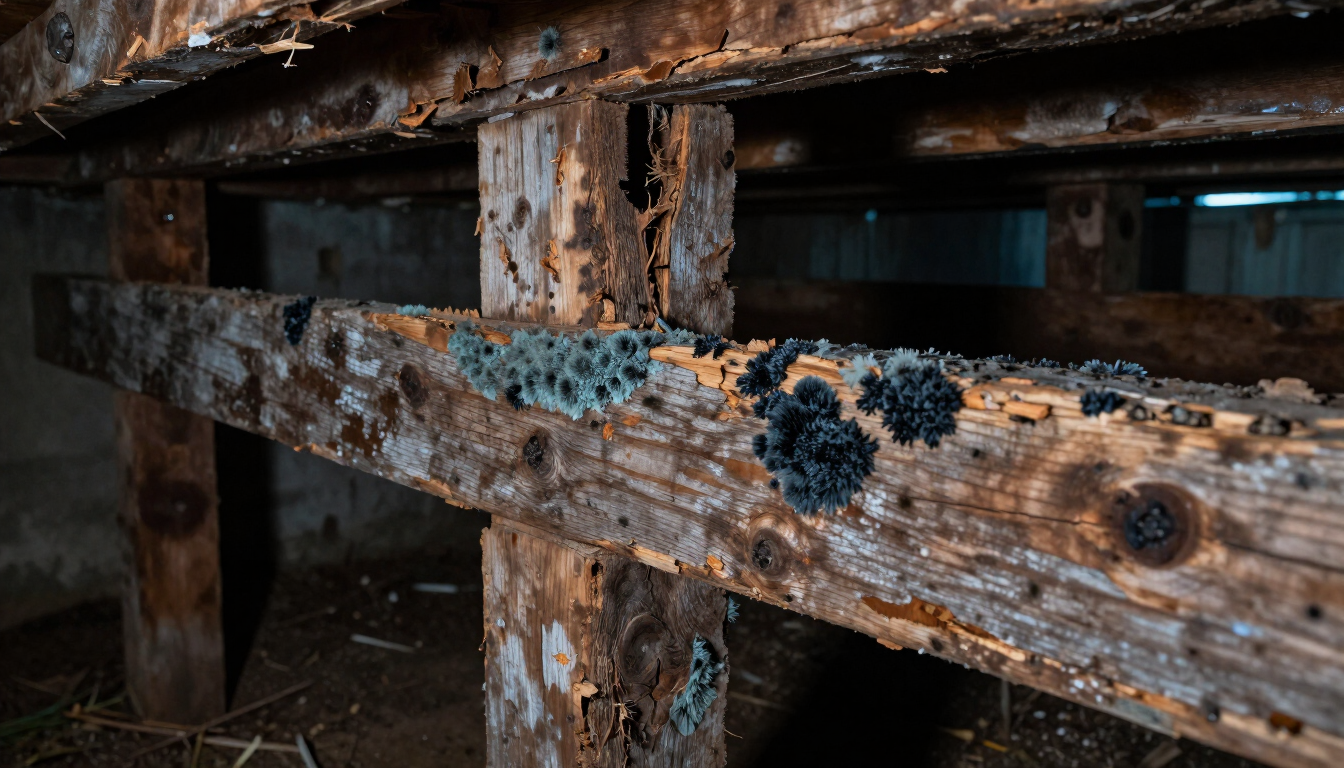
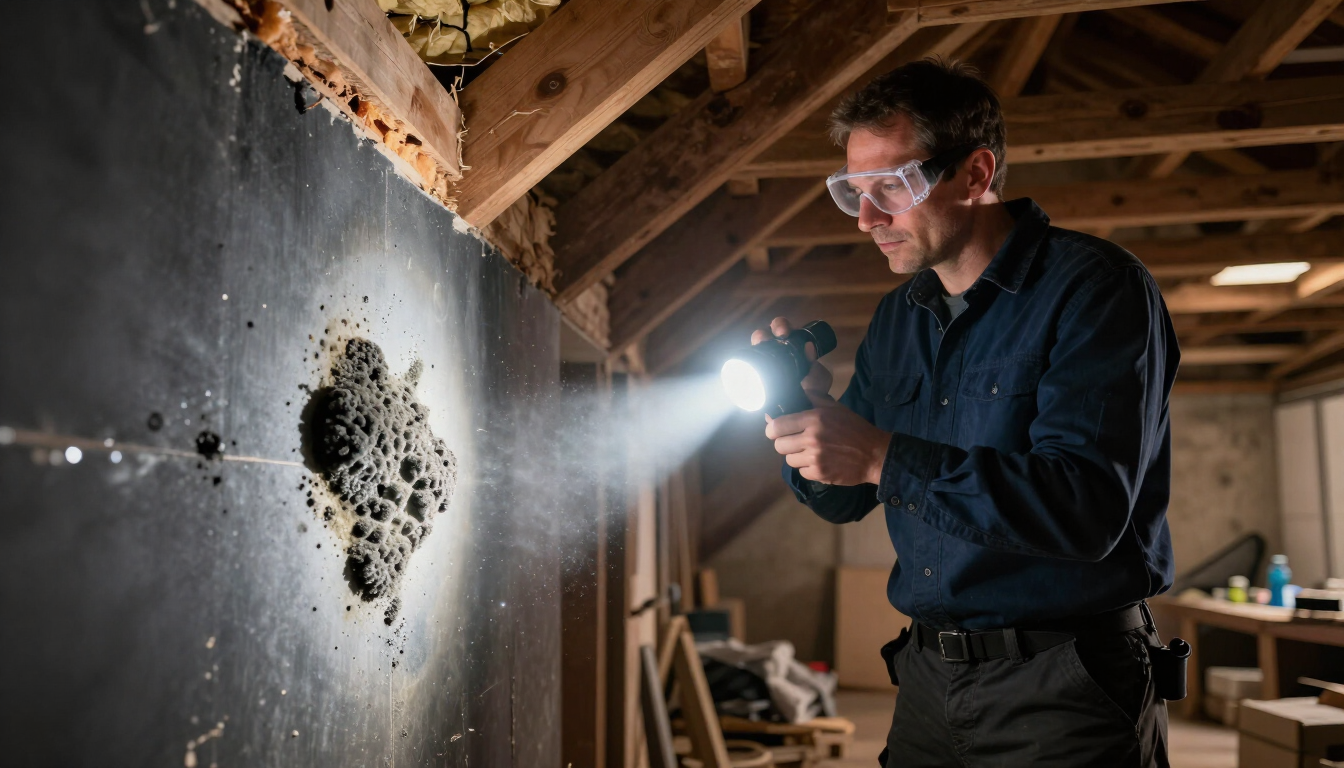
Mold and mildew can start to grow in as little as 24 hours, so our professionals at Home Services Restoration, LLC suggest you assess the flooded area for any signs of mold. Be careful not to touch mold or mildew with your bare hands since it can be toxic and cause sickness. If you see mold or mildew, it is important to call a professional immediately.
Sanitize the Area
Once the area is dry, it is important to sanitize it to prevent mold and mildew growth. You can do this with a bleach solution or a commercial sanitizer. However, if you want more thorough sanitization, you can rely on a professional to sanitize the are for you.
Assess for Water Damage on Ceilings
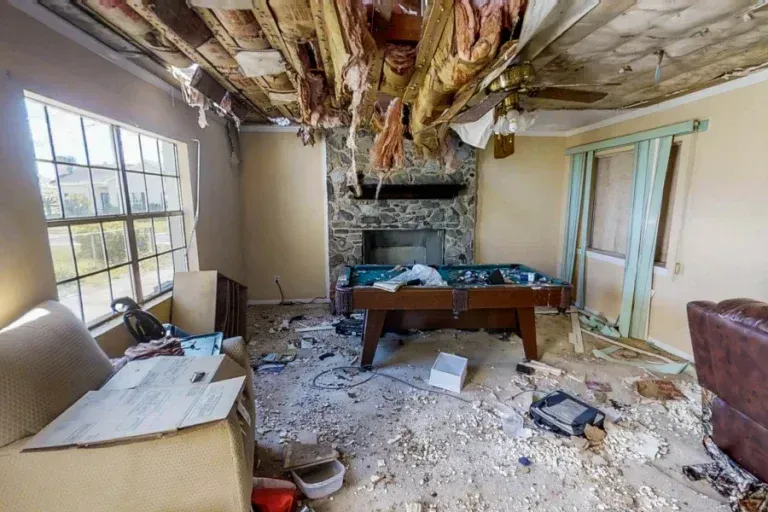
If you have water damage on your ceilings, it is important to assess the area for any cracks or holes. If you see any, you will need to patch them up with drywall tape and joint compound. Once the area is repaired, you can repaint it to match the rest of your ceiling.
Prevent Water Damage in Your Home
The best way to deal with water damage is to take steps to prevent it from happening in the first place. There are a few things you can do to protect your home from water damage:
- Assess your home regularly for signs of leaks or moisture.
- Fix any leaks or moisture problems as soon as possible.
- Use waterproof materials in vulnerable areas like basements and laundry rooms.
- Invest in a home warranty that covers water damage.
If you take these steps, you can help protect your home from the destructive force of water damage!
Need Help with Water Damage?
If you have experienced water damage in your home, our professionals at Home Services Restoration, LLC are here to help. We offer a variety of services to help restore your home to its original condition. Contact us today at (240) 348-9566 for more information.