Why Crawl Spaces and Attics are So Susceptible to Mold and Water Damage

Share this article

Why Crawl Spaces and Attics are So Susceptible to Mold and Water Damage


Our pros restore homes from fire and water damage, but mold damage can be some of the most challenging for the average homeowner. In this blog, we’ll explain a bit about how mold forms and how you can prevent it, especially in your attic or crawl space.

How Mold Grows

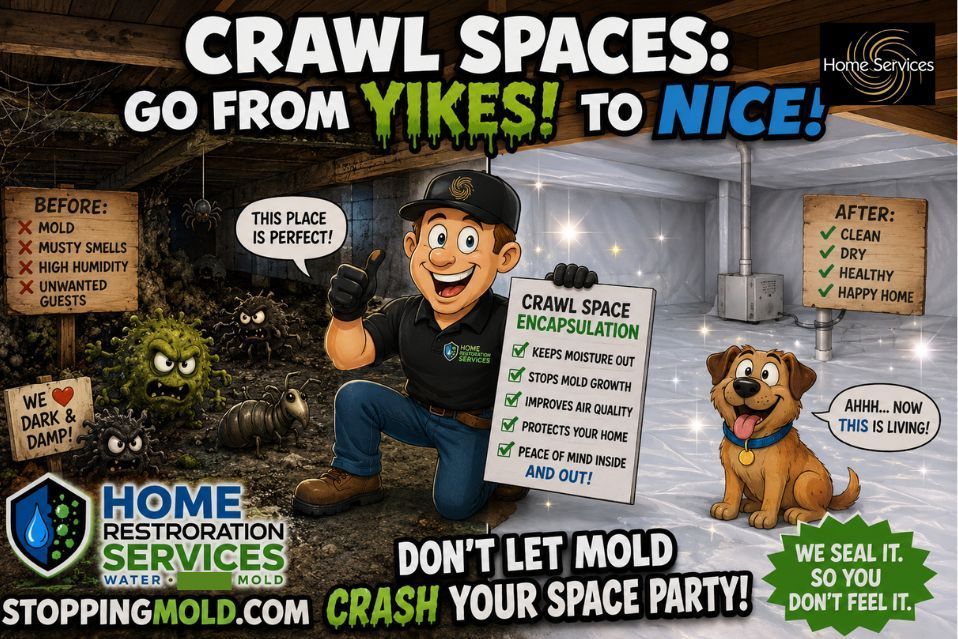
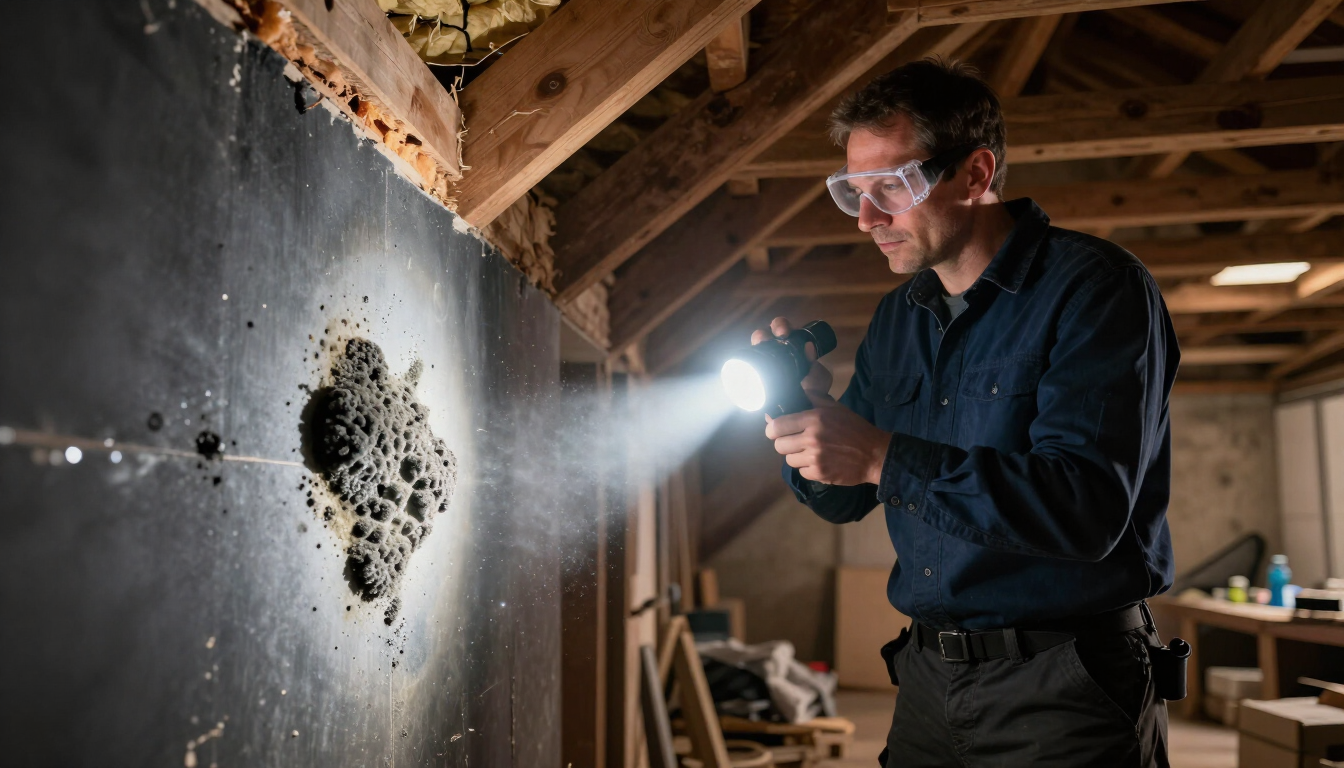
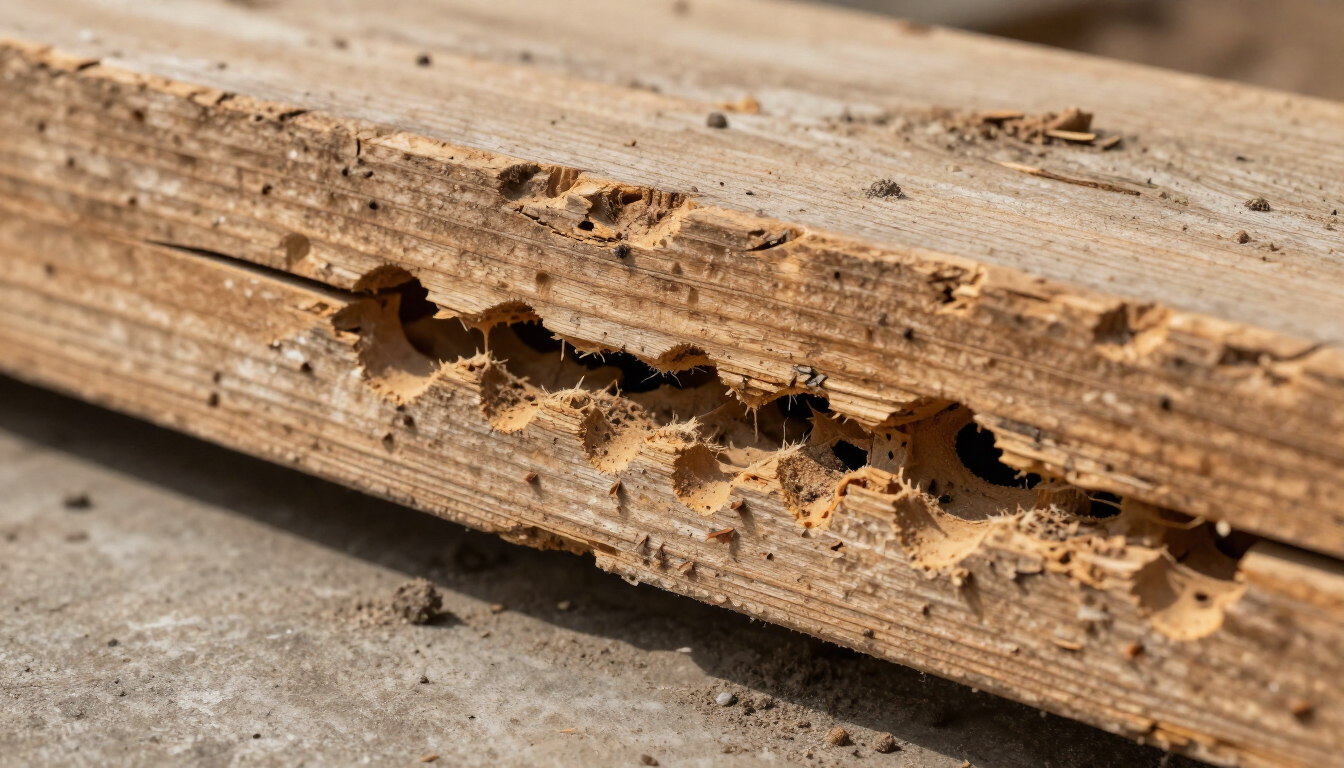
Mold requires a food source, moisture, and preferably darkness to grow best. Unfortunately, homes can easily provide all three and it’s fairly common for ideal conditions for mold to be present in your home. The main food source that mold snack on is wood. Now you can see why attics and crawl spaces are so commonly impacted by mold. It’s the perfect spot for an exposed food source, moisture, and darkness.

How You Can Tell Your Attic or Crawlspace Has a Mold Problem

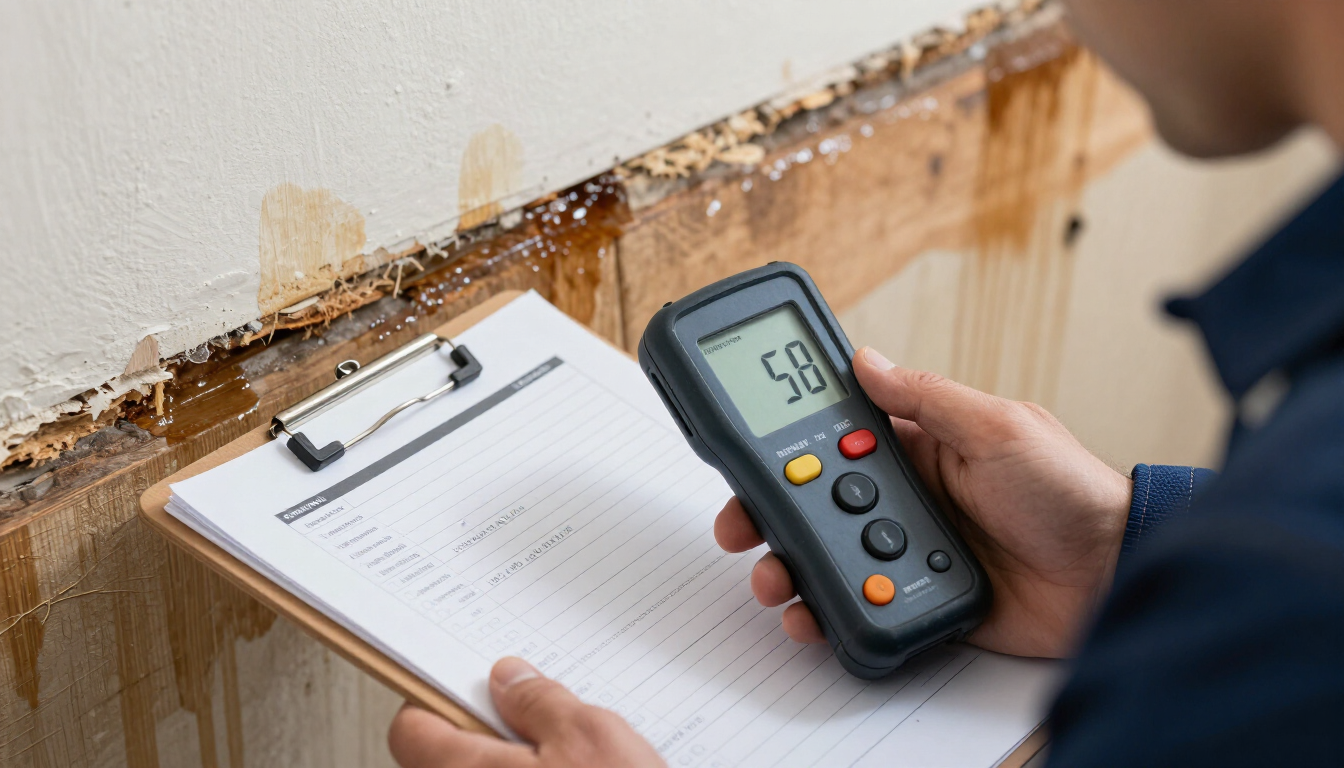
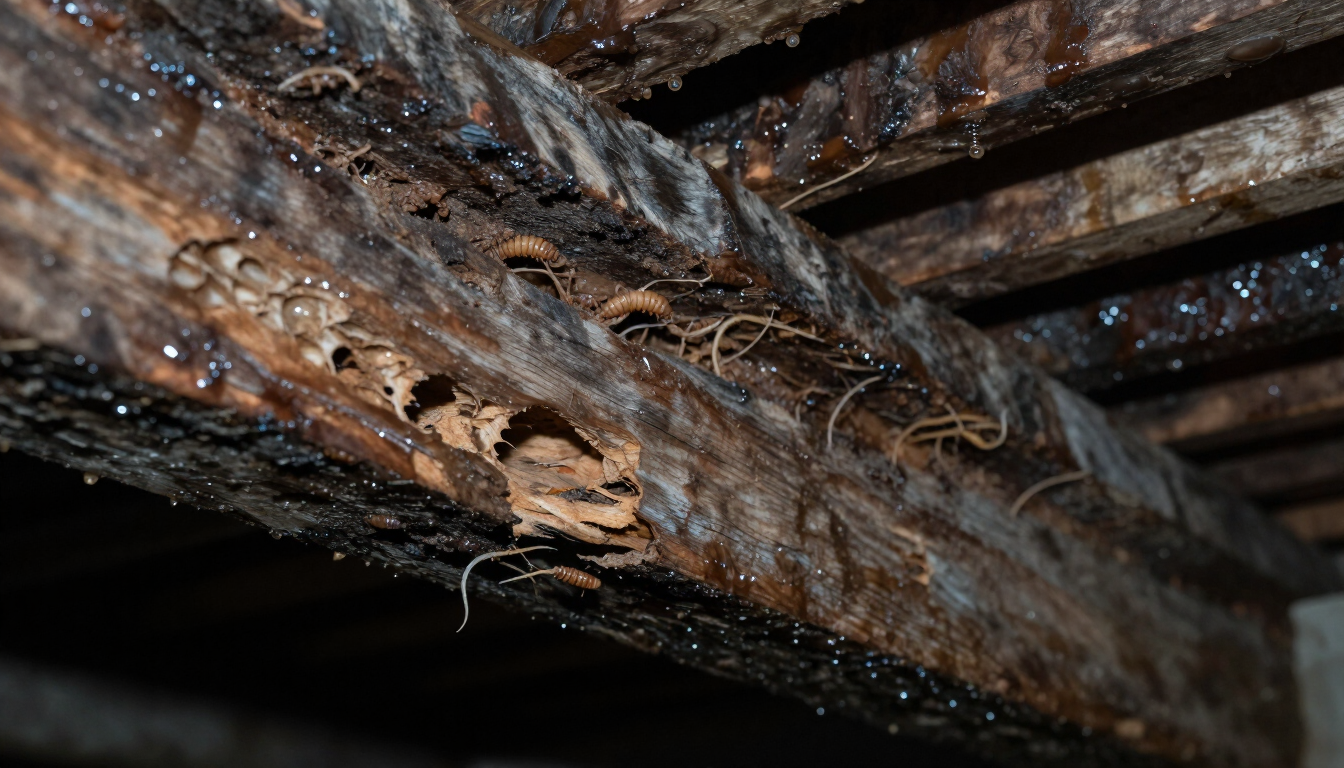
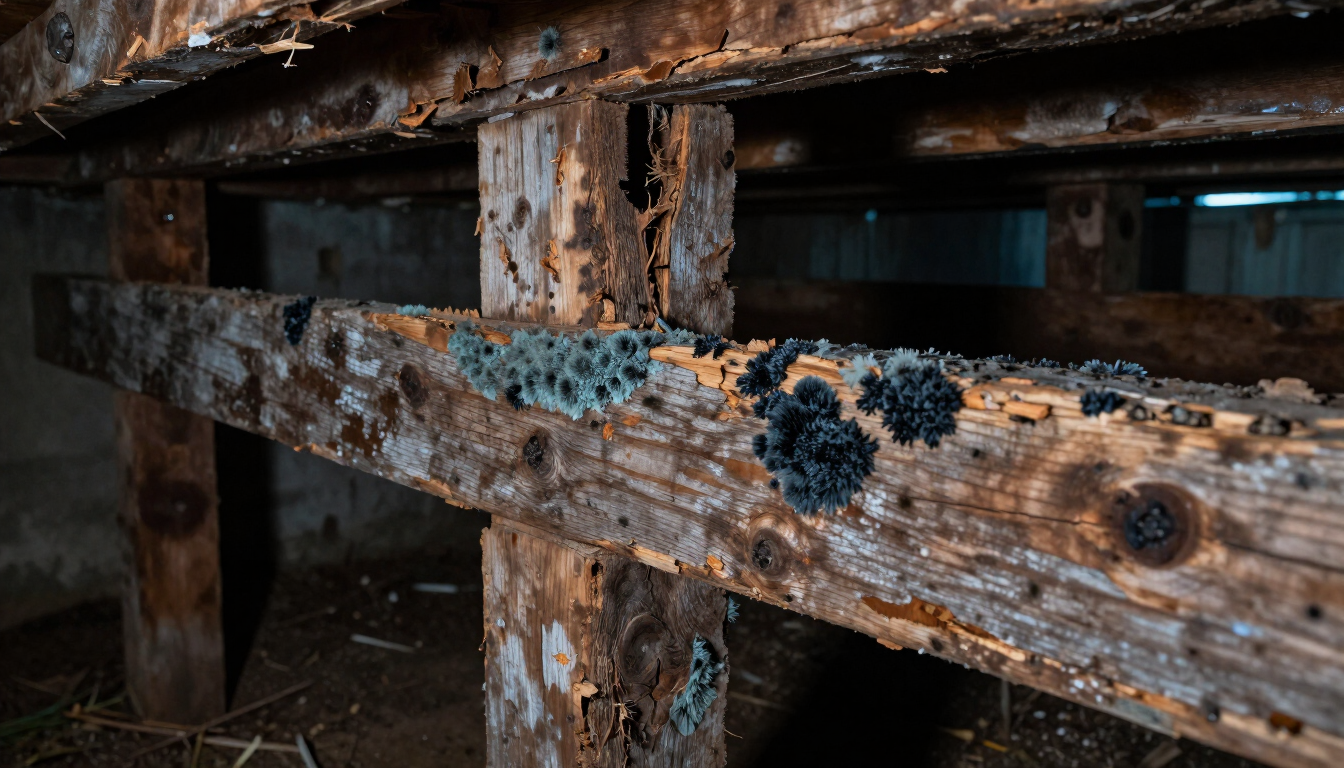
There are thousands of different species of mold out there. It’s not uncommon for home mold to be black, green, blue, or even orange or pink. If you notice any discoloration in the wood in these areas, it’s a sign of mold. Another thing to look out for is high levels of moisture. If you have wet insulation, dripping water, or a mildew smell, there is far too much moisture in your attic or crawlspace.

How You Can Prevent Mold Growth In Your Attic or Crawlspace

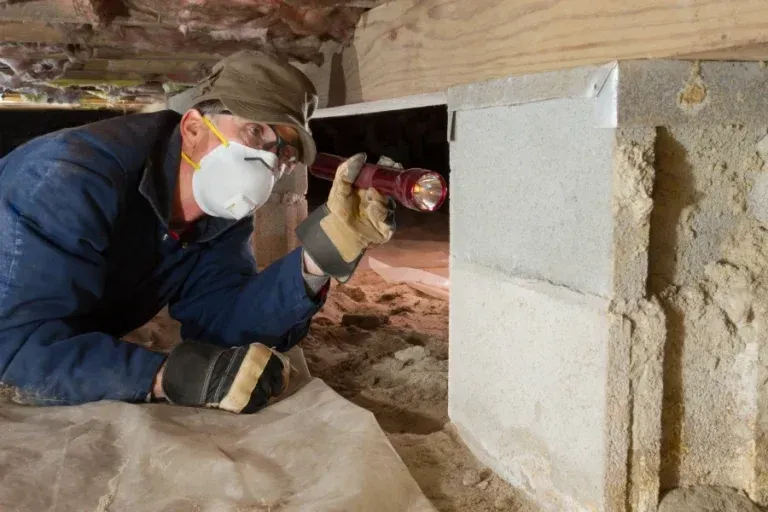
Mold can grow in as little as 24 hours given the right conditions. This is why it’s important to act fast if you want to prevent mold. We recommend you assess your attic regularly every few months. If you notice high moisture levels, add some ventilation by running some fans in the area.

Water can get into your attic if your roof is in disrepair. Even little things like clearing your gutters can protect your roof from water damage. Keep an eye out for raised shingles, or damaged soffits, or flashing, as well. These areas are the most likely areas for water to enter the attic.

If you need our services or would like to learn more, just give us a call at (240) 348-9566 or fill out our online contact form!

Recent Posts

danger sign
By Deborah Naugle March 22, 2026
Understand the long-term dangers of mold damage. Learn how persistent growth impacts respiratory health, structural integrity, and the value of your property.
water restoration
By Deborah Naugle March 22, 2026
Learn how to choose the right water damage restoration company. Discover essential tips for vetting professionals to ensure your home is dried and mold-free.
mold spore
By Deborah Naugle March 22, 2026
Learn the basics of mold restoration with our beginner's guide. Discover how to identify infestations, follow safety steps, and restore your home's air quality.
drywall repair
By Deborah Naugle March 22, 2026
Learn whether to repair or replace water-damaged drywall. Discover how to identify structural issues and mold risks to ensure your home remains safe and dry.
maryland storm
By Deborah Naugle March 22, 2026
Prepare your Maryland home for storm season. Learn essential tips for flood prevention, roof maintenance, and mold protection to stay safe during East Coast storms.
dandilion
By Deborah Naugle March 22, 2026
Discover how summer pollutants like high humidity, pollen, and ozone impact your indoor air quality. Learn expert tips to breathe easier and keep your home safe.
business fire
By Deborah Naugle March 22, 2026
Learn the essential steps to repair your home or business after a fire. From structural assessment to soot removal, discover how to restore your property safely.
mushroom spore
By Deborah Naugle March 22, 2026
Master mold remediation with our ultimate guide. Learn expert tips, safety protocols, and the best practices to effectively remove mold and protect your home.
mold spores
By Deborah Naugle March 22, 2026
Identify the most common causes of household mold, from high humidity to hidden leaks. Learn how to spot moisture sources and prevent mold growth in your home.
fireplace
By Deborah Naugle March 22, 2026
Ensure a safe and cozy winter with our essential fireplace safety tips. Learn how to prevent creosote buildup, maintain ventilation, and avoid house fires.
Show More